
The Alchemy of Modern Design: Understanding the Surface Soul
When you step into a meticulously designed kitchen or a high-end hotel lobby, the surfaces speak to you before you even touch them. There is a silent language in the sweep of a countertop—a narrative of luxury, utility, and technological prowess. For decades, the debate in the interior design world has centered on two titans: Acrylic Solid Surface and Artificial Stone (often referred to as Engineered Stone or Quartz). While they might look similar to the untrained eye, their DNA is worlds apart. Choosing between them isn’t just a matter of color or price; it’s about choosing the lifestyle you want to lead within your four walls.
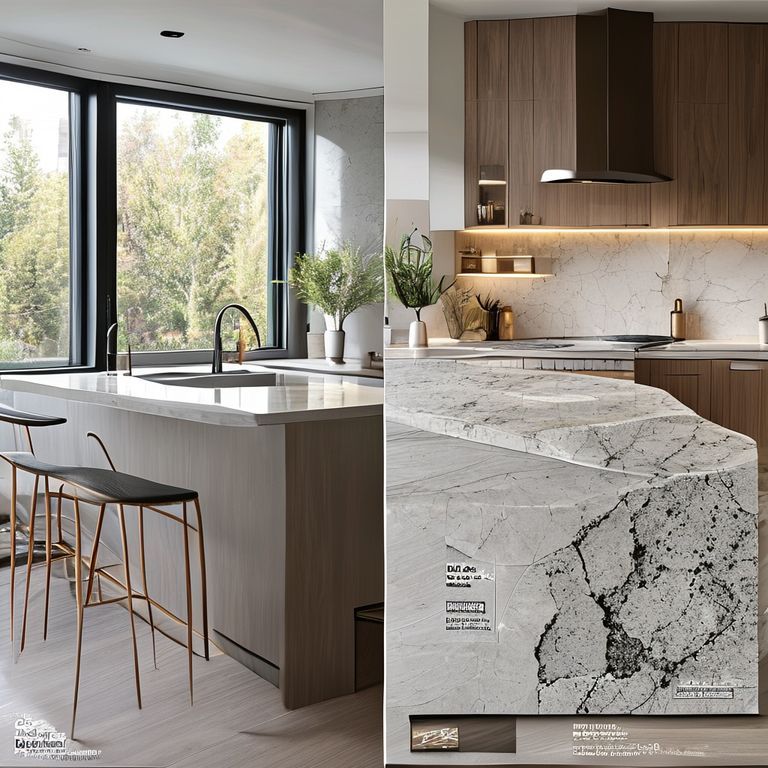
Let’s pull back the curtain on Acrylic Solid Surface. Often synonymous with brands like Corian, this material is a marvel of chemical engineering. It is essentially a sophisticated blend of acrylic polymer (methyl methacrylate or MMA) and natural minerals (alumina trihydrate or ATH), mixed with pigments. Think of it as the “chameleon” of the design world. Its primary claim to fame—and the reason architects lose sleep over it—is its ability to be joined seamlessly.
Imagine a kitchen island that is fifteen feet long with a double sink and a built-in drainboard. If you choose acrylic, that entire structure can be installed to look like a single, monolithic piece of art. There are no grout lines to collect grime, no visible seams to interrupt the flow of the pattern, and no “cracks” where bacteria can hide. This “seamlessness” is more than just an aesthetic trick; it’s a functional revolution. Because the adhesive used to join acrylic sheets is chemically identical to the material itself, the pieces literally fuse together. After a professional sanding, the joints vanish into thin air.
But the magic of acrylic doesn’t stop at straight lines. This material is thermoformable. In simpler terms, when heated to a specific temperature, it becomes as pliable as leather. It can be bent, twisted, and molded into organic, flowing shapes that would be impossible with natural or engineered stone. Want a bathtub that curves into the floor? A reception desk that ripples like a wave? Acrylic is your only candidate. It invites a level of sculptural creativity that transforms a “room” into an “experience.”
Texture-wise, acrylic possesses a certain “warmth.” Unlike the cold, clinical touch of natural granite or quartz, acrylic feels silky and adjusts to the ambient temperature of the room. It’s soft to the touch, yet surprisingly resilient. However, that softness is a double-edged sword. Yes, acrylic can scratch more easily than stone. If you drag a heavy cast-iron skillet across it, you might leave a mark. But here is where acrylic wins the long game: it is 100% repairable. Because the color and pattern run all the way through the material, a professional can sand out a scratch, a cigarette burn, or even a deep gouge, restoring the surface to its “day one” glory. It’s a surface that can be reborn, over and over again.
Furthermore, acrylic is the gold standard for hygiene. It is completely non-porous. Nothing—not red wine, not beet juice, not even MRSA bacteria—can penetrate the surface. This makes it the darling of the healthcare industry and the “clean-freak” homeowner. You don’t need to seal it, wax it, or baby it with specialized chemicals. A damp cloth and a mild detergent are all it takes to keep it pristine.
As we move from the fluid, artistic realm of acrylic, we begin to approach the rugged, imposing territory of Artificial Stone. But before we cross that bridge, one must appreciate the sheer “design freedom” acrylic offers. It is the material for the dreamer, the minimalist, and the person who views their home as a canvas for seamless perfection.
The Reign of Quartz: Where Durability Meets Stone-Cold Beauty
Transitioning from the silky pliability of acrylic to the stoic strength of Artificial Stone (Engineered Quartz) is like moving from a silk gown to a suit of armor. If acrylic is the artist’s medium, artificial stone is the workhorse of the luxury world. Engineered stone is typically composed of roughly 90% to 94% crushed natural quartz—one of the hardest minerals on Earth—bound together by high-quality polymer resins and pigments.
The appeal of artificial stone lies in its “gravitas.” It carries the weight, the coldness, and the crystalline depth of natural stone, but without the temperamental nature of marble or granite. While acrylic offers a smooth, matte, or semi-gloss finish, quartz brings a level of visual complexity that mimics the geological history of the earth. You can find slabs with intricate veining, shimmering flecks of mirror, or a rugged concrete aesthetic. For those who want their kitchen to feel grounded and substantial, artificial stone is the undisputed heavyweight champion.
The primary “pro” of artificial stone is its incredible durability. It is exceptionally hard—ranking high on the Mohs scale. You would have a very difficult time scratching a quartz countertop with a standard kitchen knife. It is also significantly more heat-resistant than acrylic. While you should still use a trivet for a pot straight off the stove, quartz can handle the accidental “hot touch” far better than its acrylic cousin, which can deform or discolor under high heat. For a high-traffic family kitchen where teenagers might be clumsy and heavy pans are the norm, the “ruggedness” of artificial stone provides a certain peace of mind that is hard to quantify.
However, artificial stone has its limitations, and they are the exact opposite of acrylic’s strengths. The most notable is the “seam.” Because quartz is a rigid, stone-like product, it cannot be chemically fused. While a skilled installer can make the joints very tight and color-match the epoxy, you will always be able to find the seam if you look for it. It lacks the monolithic “infinity” look that acrylic achieves so effortlessly. Furthermore, quartz is not thermoformable. If you want a curved edge or a rounded corner, it must be meticulously cut and polished by a CNC machine, and even then, its flexibility is non-existent.
Maintenance-wise, artificial stone is a dream compared to natural marble, as it is also non-porous and never requires sealing. However, unlike acrylic, if you manage to chip a corner or crack a slab (which takes considerable force, but it happens), the repair is much more difficult and often visible. It’s a “tougher” material, but it’s less “forgiving.”
So, where does the choice lie?
The decision between “Acrylic” and “Artificial Stone” usually boils down to a few key “vibe checks.”
If you are designing a bathroom or a space with complex geometry, Acrylic is your winner. Its ability to create integrated sinks—where the bowl and the counter are one continuous piece—is a game changer for cleanliness and aesthetics. In a bathroom, where heat isn’t a major factor but hygiene and seamless beauty are paramount, acrylic reigns supreme. It is also the go-to for commercial spaces like hospital nursing stations or futuristic office desks.
If you are designing a “statement” kitchen that needs to withstand the rigors of heavy cooking and you want the look of natural stone with zero maintenance, Artificial Stone is the way to go. It offers that premium “clink” when you set down a glass and a visual depth that suggests permanence and wealth. It is the “status” material of the modern suburban home.
The Verdict:
Don’t look at this as a “better vs. worse” scenario. Look at it as “Flow vs. Foundation.”
Choose Acrylic if you value the “Infinite Look.” If you hate seams, if you love soft-touch surfaces, and if you want the ability to buff out any wear and tear over the years to keep the surface looking brand new forever. Choose Artificial Stone if you value “Raw Power.” If you want a surface that feels like a rock, if you want the highest possible scratch resistance, and if you prefer the classic, heavy aesthetic of stone.
In the end, both materials represent the pinnacle of modern surface technology. They both offer a massive leap forward from the laminates and tiles of the past. Whether you choose the seamless, poetic curves of acrylic or the crystalline, unshakable strength of artificial stone, you are investing in a surface that will define the character of your space for decades. Listen to the needs of your daily life—are you a creative soul who loves a clean line, or a culinary warrior who needs a bulletproof base? The answer to that question will lead you to your perfect surface.









