
亚克力与人造石的区别是什么,亚克力人造石百度百科
part 1: The Alchemy of Aesthetics and the Seamless Dream
In the high-stakes world of interior architecture, the materials we choose are more than just functional surfaces; they are the silent narrators of a space’s soul. Whether you are envisioning a kitchen that breathes minimalist luxury or a commercial lobby that demands sculptural perfection, you will inevitably find yourself standing at a crossroads. On one side, the sleek, translucent allure of Acrylic. On the other, the rugged, reliable, and diverse world of Artificial Stone. To the untrained eye, they might look like cousins. In reality, they are two entirely different philosophies of design.
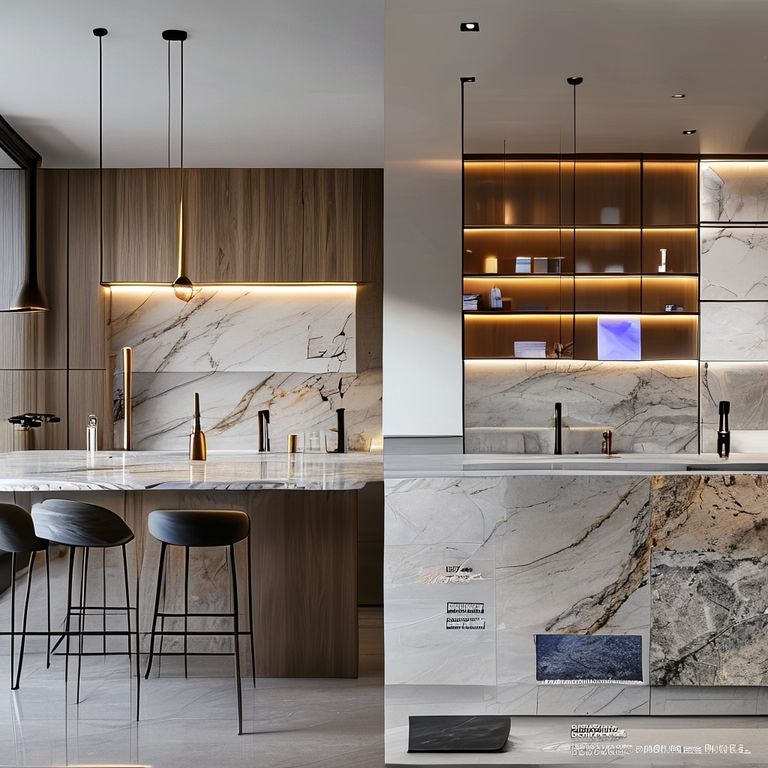
To understand the difference, we must first strip away the marketing jargon and look at the “DNA” of these materials. “Artificial Stone” is an umbrella term that often causes confusion. In most industry circles, it refers to engineered stone—primarily Quartz—composed of crushed natural stone bound together by polyester resins. Acrylic, specifically “Solid Surface” (like the famous Corian or high-end PMMA blends), is a sophisticated cocktail of acrylic polymers and natural minerals. While both are “man-made,” their performance under the pressure of daily life tells two very different stories.
Let’s talk about the “Seamless Dream.” If your design vision involves a twenty-foot-long kitchen island that appears to have been carved from a single, continuous block of white marble, Acrylic is your best friend. One of the most seductive qualities of Acrylic is its ability to be joined with inconspicuous seams. Craftsmen use a color-matched adhesive that chemically bonds the pieces together, followed by a rigorous sanding process. The result? A monolithic surface where the eye cannot find the beginning or the end. This isn’t just an aesthetic win; it’s a hygienic one. Without seams, there is nowhere for bacteria or mold to hide.
Artificial Stone, particularly Quartz, cannot play this game. Because it is a much harder, more rigid material, the joints are always visible, even if only slightly. While a skilled installer can make these seams very tight, you will always be aware of the “puzzle piece” nature of the construction. If you crave that fluid, organic flow—where the countertop transitions into the sink without a single lip or edge—Acrylic is the undisputed champion.
Then, there is the question of “Touch and Temperature.” This is perhaps the most visceral difference between the two. Artificial Stone, being mostly mineral, feels cold to the touch. It mimics the thermal properties of natural granite or marble. In a warm climate, this might be a relief, but in a cozy residential setting, it can feel a bit clinical. Acrylic, however, has a “warmth” to it. It reaches room temperature quickly and has a softer, more velvety tactile quality. It’s the difference between leaning your elbows on a cold slab of rock versus a polished piece of satin.
Beyond the feel, we must consider the visual depth. Acrylic has a certain translucency that allows light to penetrate the surface. This “inner glow” is why many high-end designers use Acrylic for backlit bar tops or glowing reception desks. Artificial Stone is opaque. It is a surface that reflects light rather than absorbing or diffusing it. If your design relies on light play and ethereal shadows, Artificial Stone will feel too “heavy.” But if you want a surface that looks grounded, solid, and undeniably “stony,” Artificial Stone provides a visual weight that Acrylic simply cannot replicate.
The “Malleability Factor” also sets these two apart. Acrylic is thermoplastic. This means that when it is heated to a specific temperature, it becomes as flexible as leather. It can be thermoformed into wild, undulating curves, complex waves, or even 3D wall art. Artificial Stone is brittle. It stays in the shape it was cast in. If your project involves a curved reception desk that looks like a frozen wave, Acrylic is your only viable candidate.
However, don’t let the beauty of Acrylic fool you into thinking Artificial Stone is the “lesser” choice. The “Stone” in Artificial Stone is there for a reason. It represents a commitment to the classic aesthetic of the earth. For those who want the look of Calacatta marble without the high maintenance of the real thing, engineered Quartz (Artificial Stone) offers a realism that Acrylic struggles to match. The vein patterns in high-end Artificial Stone are printed and pressed with such technological precision that they can fool even a seasoned geologist. Acrylic patterns, by contrast, tend to look more “swirled” or particulate, leaning into its synthetic nature rather than trying to perfectly mimic a mountain.
As we move from the surface into the structural integrity of these materials, the conversation shifts from how they look to how they live. In the next part, we will explore the battle of the “Hardness Scale,” the reality of heat resistance, and the ultimate verdict on which material truly deserves a place in your home.
part 2: The Battle of Durability and the Final Verdict
While the first half of our journey focused on the aesthetic “spirit” of these materials, the second half belongs to the harsh reality of the “lived experience.” Design is nothing if it cannot survive a Tuesday night dinner or a busy morning in a commercial cafe. This is where the gap between Acrylic and Artificial Stone widens into a canyon.
Let’s talk about “The Scratch Test.” This is the Achilles’ heel of Acrylic. Because it is a softer, resin-based material, it is prone to scratching. If you slide a heavy ceramic pot across an Acrylic countertop, you will likely leave a mark. If you use a knife directly on the surface, you will definitely leave a mark. However—and this is a big “however”—Acrylic is completely renewable. Because the color and pattern go all the way through the material, you can buff out scratches with a Scotch-Brite pad or a light sandpaper. A professional can even sand down a ten-year-old Acrylic surface to make it look brand new.
Artificial Stone, specifically Quartz, is the “Tough Guy” of the surfacing world. On the Mohs scale of mineral hardness, Quartz sits near the top. It is incredibly difficult to scratch. You can chop vegetables on it (though your knives won’t thank you), and it will resist the daily wear and tear of a frantic kitchen with stoic indifference. But here is the catch: if you do manage to chip or deep-scratch Artificial Stone, the repair is much more difficult and often visible. It’s the trade-off between a material that is easy to damage but easy to fix (Acrylic), and a material that is hard to damage but nearly impossible to perfectly restore (Artificial Stone).
Then, we have the “Heat Debate.” This is where many homeowners make their biggest mistake. Acrylic has a relatively low melting point compared to stone. A hot pan straight from the oven placed directly onto an Acrylic surface can cause it to yellow, crack, or even melt. You must use a trivet. Artificial Stone is much more heat-resistant, but it is not heat-proof. The resins used to bind the stone can still suffer from thermal shock, leading to cracks. However, in the hierarchy of heat, Artificial Stone wins by a landslide. If you are a chaotic cook who forgets to reach for a coaster, Acrylic might be a stressful companion.
Maintenance is another arena where these two materials compete for your affection. Both are non-porous, which is a massive advantage over natural stones like granite or marble. You don’t need to seal them every year. Wine spills, coffee rings, and lemon juice won’t stain them if wiped up in a reasonable timeframe. However, Acrylic’s seamless integration with sinks means there are no “gunk-catching” edges. In an Artificial Stone setup, the “undermount” sink creates a small lip where silicone is used—a place where grime loves to accumulate over time. For the “Clean Freak,” the seamlessness of Acrylic offers a level of hygiene that is psychologically comforting.
Price is, of course, the elephant in the room. Historically, high-end 100% Acrylic was more expensive than many Artificial Stones because of the craftsmanship required for those seamless joins and thermoforming. Today, the market has stabilized. Generally, you will find that “Standard” Artificial Stone (Quartz) and “Standard” Acrylic are in a similar price bracket. However, when you move into the “Designer” ranges—ultra-realistic marble-look Quartz or specialty translucent Acrylics—the prices can skyrocket. The real cost difference usually comes down to labor. Installing Acrylic requires a specialized fabricator who knows how to “weld” the seams, whereas Artificial Stone installation is more about heavy lifting and precise cutting.
So, how do you choose? It comes down to the “Soul” of your project.
Choose Acrylic if you are a devotee of modernism. If you want a kitchen that looks like a piece of contemporary sculpture, if you want a sink that flows out of the countertop like a liquid, or if you are designing a space where hygiene and “warmth” are paramount (like a bathroom or a medical facility), Acrylic is your champion. It is a material for those who value the “whole” over the “parts” and don’t mind a little maintenance in exchange for a flawless, integrated look.
Choose Artificial Stone if you are a “Power User.” If your kitchen is a battlefield where heat, heavy pots, and sharp knives are constantly in play, you need the ruggedness of engineered stone. If you want the timeless, prestigious look of natural stone but without the nightmare of staining and sealing, Artificial Stone (Quartz) is the gold standard. It’s for the person who wants to “set it and forget it,” trusting that their surface will look exactly the same in twenty years as it does today.
In the end, the difference between Acrylic and Artificial Stone isn’t just about chemistry or cost; it’s about how you want to interact with your environment. Acrylic is the soft, adaptable, and artistic choice. Artificial Stone is the hard, resilient, and classic choice. Both are marvels of human engineering, designed to bring beauty into our daily lives. The only question left is: are you looking for a surface that blends in, or a surface that stands its ground?









