
亚克力人造大理石价格多少,纯亚克力人造石价格
When you step into a high-end showroom or flip through the glossy pages of an architectural digest, there is a specific kind of luminosity that catches the eye. It isn’t the cold, imposing glare of polished granite, nor is it the somewhat clinical shine of standard laminate. It is the soft, ethereal glow of acrylic artificial marble. Often referred to in the industry as “solid surface,” this material has become the darling of modern interior design. However, the first question that inevitably arises for anyone looking to transform their kitchen, bathroom, or commercial space is: “What is the price of acrylic artificial marble?”
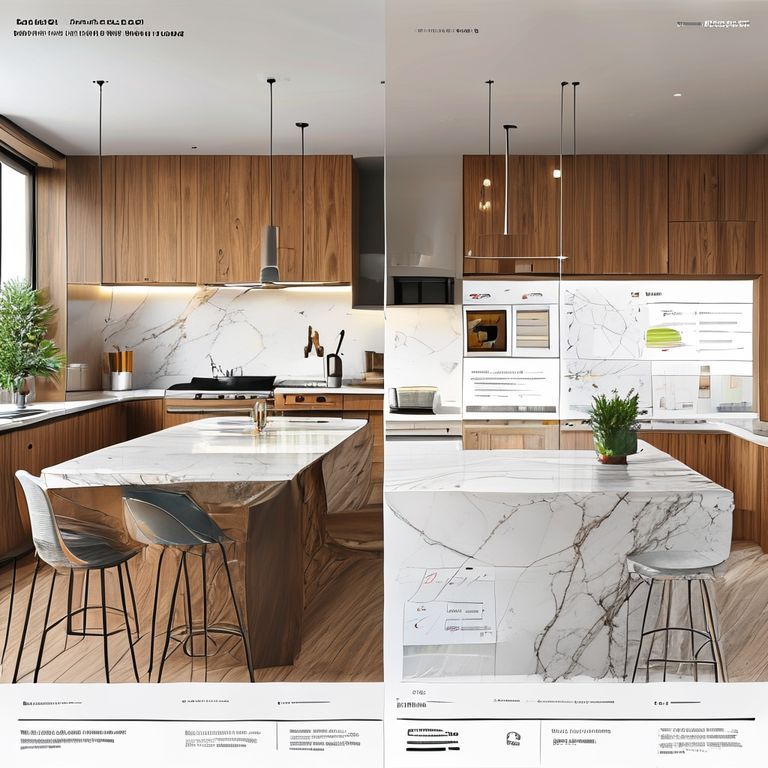
To answer that question, we have to look past the price tag and understand the alchemy that goes into the product. Acrylic artificial marble isn’t just a slab of stone; it is a sophisticated composite of high-quality acrylic resins, natural minerals (usually aluminum trihydrate), and pigments. The beauty of this material lies in its paradox: it feels as smooth as silk but stands up to the rigors of a busy household like a champion. When you ask about the price, you are essentially asking about the ratio of these ingredients and the craftsmanship behind their fusion.
The most significant factor influencing the price is the purity of the acrylic content. In the market, you will find two primary categories: “Pure Acrylic” and “Modified Acrylic.” Pure acrylic solid surfaces are the gold standard. They are composed of 100% acrylic resin, which grants them incredible flexibility. This allows designers to use a process called thermoforming—literally heating the material and bending it into organic, flowing curves that natural stone could never achieve. If you are envisioning a futuristic, curved reception desk or a seamless, integrated sink that flows directly out of the countertop, you are looking at pure acrylic. Naturally, this premium performance comes with a higher price point, often ranging significantly higher than its modified counterparts.
Modified acrylic, on the other hand, is a blend of acrylic and polyester resins. This is the “middle ground” that many homeowners find attractive. It offers much of the aesthetic appeal of pure acrylic—the seamless joints, the non-porous surface, and the vibrant colors—but at a more accessible price. It is slightly more brittle than pure acrylic, meaning it isn’t ideal for extreme heat-bending, but for a standard kitchen island or a sleek bathroom vanity, it provides exceptional value. When people ask “how much,” they are often surprised by the breadth of this spectrum. You can find entry-level modified acrylics that fit a modest renovation budget, or you can invest in top-tier brands where the price reflects decades of research and development.
Beyond the chemistry, the aesthetics of the “marble” pattern itself play a massive role in the cost. Creating a convincing marble vein in a synthetic material is an art form. Solid colors are generally the most affordable; they are consistent and easier to produce. However, as you move into the “Designer Collections”—those slabs that feature deep, swirling veins, translucent particles that mimic quartz, or metallic flecks—the price climbs. These patterns require complex pouring techniques during manufacturing to ensure that the “vein” goes all the way through the thickness of the slab. This “full-bodied” color is vital because it means that if you ever scratch the surface, the pattern remains intact even after you buff the scratch away.
Then, there is the matter of brand. Like any other industry, names carry weight. International pioneers like DuPont (the creators of Corian) set a high bar for quality and warranty, which is reflected in their pricing. However, the global manufacturing landscape, particularly in China, has evolved rapidly. Many Chinese manufacturers now produce high-performance acrylic artificial marble that rivals global brands in durability and beauty but at a fraction of the cost. This has democratized the material, making that “luxury marble look” attainable for a wider audience.
When you are calculating your budget, the raw material cost is only the first chapter of the story. Unlike a piece of furniture that you simply buy and place, acrylic artificial marble is a “semi-finished” product. It requires professional fabrication. This involves cutting the slabs, seaming them together with color-matched adhesives so the joints are invisible to the naked eye, and polishing the surface to the desired sheen—whether that’s a soft matte or a high-gloss finish. The complexity of your design—waterfall edges, integrated backsplashes, or custom cutouts for undermount sinks—will influence the final quote from your fabricator.
Ultimately, the price of acrylic artificial marble is a reflection of its versatility. It is an investment in a surface that is non-porous (meaning no bacteria or stains), easy to repair, and completely customizable. In this first part of our exploration, we see that the “cost” is actually a sliding scale of technology and design. Whether you are looking for a budget-friendly renovation or a bespoke architectural masterpiece, the market has a tier that fits.
Continuing our journey into the economics of elegance, we must address the “hidden” long-term value that justifies the initial price of acrylic artificial marble. When consumers compare prices, they often make the mistake of looking only at the “Day 1” cost. However, the true price of any surfacing material includes its lifespan and maintenance. This is where acrylic artificial marble begins to look like a much smarter financial decision than natural marble or cheaper laminates.
Natural marble, while undeniably beautiful, is notoriously finicky. It is porous, meaning a spilled glass of red wine or a drop of lemon juice can leave a permanent stain or etch. To prevent this, you have to seal it regularly, which is an ongoing expense and a chore. Acrylic artificial marble, by contrast, is completely non-porous. It never needs to be sealed. You could leave a puddle of coffee on it overnight, and it would wipe away with a damp cloth the next morning. When you factor in the cost of sealants and the potential professional restoration of natural stone, the “price” of acrylic artificial marble starts to look like a bargain over a ten-year horizon.
Furthermore, we must talk about the “Renewability Factor.” In the world of interior design, accidents happen. A heavy pan might be dropped, or a careless knife slip might leave a deep gouge. If this happens to granite or quartz, the repair is difficult and often visible. If it happens to acrylic artificial marble, it is a non-issue. Because the material is consistent all the way through, a professional can simply sand down the scratch and buff the area. It’s like having a countertop that can be “reset” to brand-new condition whenever you like. This durability extends the life of the installation indefinitely, saving you the massive cost of a full replacement down the line.
As we look at the current market trends for 2024 and beyond, the price of acrylic artificial marble is also being influenced by the rise of “Boutique Customization.” We are seeing a shift away from the “one size fits all” approach. Manufacturers are now offering custom color-matching services. Suppose you are a corporate brand and you want your office countertops to exactly match the specific shade of blue in your logo. Or perhaps you are a designer who wants a translucent slab that can be backlit to create a glowing bar top. These specialized applications carry a premium price, but they offer a level of branding and atmosphere that other materials simply cannot match. The ability to light the material from behind—thanks to the translucent properties of high-quality acrylic resins—transforms a static surface into a dynamic light fixture.
Another element that affects the pricing structure is the thickness of the slab. The industry standard is typically 12mm for horizontal surfaces like countertops, but you will also find 6mm or 8mm slabs used for vertical wall cladding or shower surrounds. Choosing a thinner slab for walls can significantly reduce the material cost while still providing the same seamless, waterproof aesthetic. This strategic choice allows savvy renovators to allocate more of their budget to high-impact areas like the kitchen island while saving on bathroom walls.
Logistics and geography also play a quiet but significant role in what you pay. Because these slabs are heavy and require careful handling, shipping costs can fluctuate. However, the rise of localized distribution hubs for high-quality Chinese acrylic brands has helped stabilize prices globally. You no longer have to pay “luxury import” prices to get a product that meets international standards for fire resistance, chemical resistance, and food safety (NSF certification).
When you finally sit down with a supplier to discuss “how much,” my best advice is to ask for a “fully installed” quote rather than just a price per square meter. A square meter price can be deceptive because it doesn’t account for the labor-intensive process of creating those famous invisible seams. A skilled fabricator is like a diamond cutter; their expertise in hiding the joins and shaping the edges is what makes the material look like a single, massive piece of carved stone.
In conclusion, the price of acrylic artificial marble is a multifaceted puzzle. It is determined by the purity of the resin, the artistry of the pigmenting, the thickness of the slab, and the skill of the craftsman who installs it. While it may require a higher upfront investment than basic laminate or low-end tile, its ability to be repaired, its hygienic properties, and its sheer aesthetic flexibility make it one of the most cost-effective luxury materials on the market. It is a surface that grows with you, adapting to the changing styles of your home and standing up to the rhythm of your life. Whether you are aiming for a minimalist sanctuary or a bold, avant-garde statement, understanding these pricing nuances ensures that every cent you spend is an investment in both beauty and peace of mind.









