
亚克力人造大理石有辐射吗,亚克力人造大理石的坏处
The kitchen is often described as the heart of the home, a sanctuary where we nourish our bodies and gather with loved ones. When we embark on the journey of interior design or renovation, we are not just choosing colors and textures; we are curating an environment that reflects our values and protects our well-being. In recent years, a whisper of concern has rippled through the home improvement community, centered on a single, daunting word: radiation. Specifically, as acrylic artificial marble—often referred to as “solid surface”—has surged in popularity for its seamless beauty and incredible durability, many homeowners find themselves asking a crucial question: “Does acrylic artificial marble have radiation?”
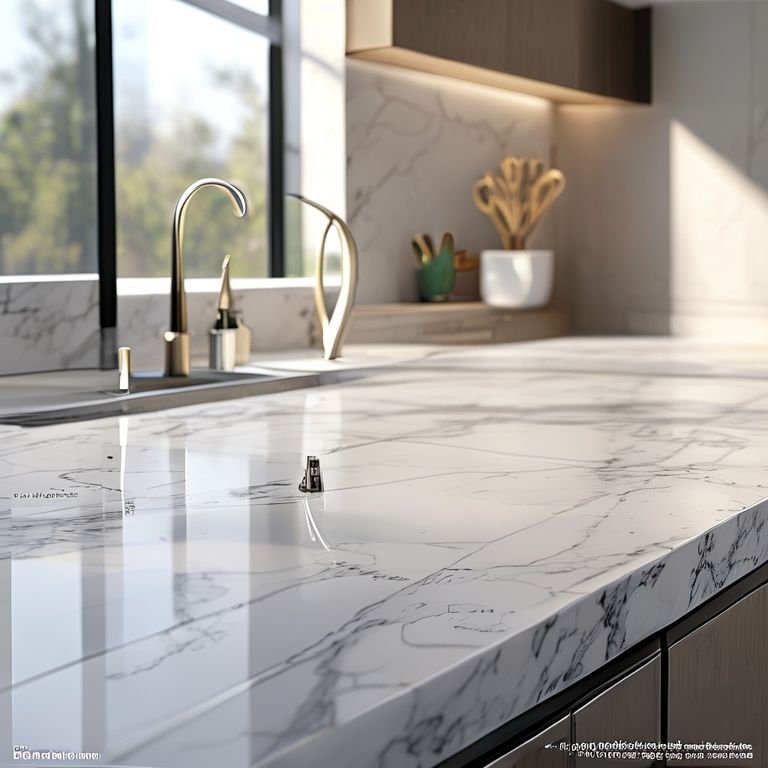
To answer this, we must first peel back the layers of myth and look at the raw science of what makes our homes “tick.” The fear of radiation in household surfaces isn’t entirely unfounded, but it is often misdirected. Historically, natural stones like certain granites were scrutinized because they are harvested directly from the earth’s crust. Depending on the geology of the quarry, some natural stones can contain trace amounts of uranium, thorium, and potassium-40, which can decay and release radon gas. This is the “old guard” of the radiation conversation.
Enter acrylic artificial marble. Unlike its natural counterparts, this material is a triumph of human engineering—a sophisticated “recipe” designed to maximize aesthetic appeal while minimizing environmental and health risks. To understand why it stands as a pillar of safety, we need to look at its DNA. Acrylic artificial marble is primarily composed of two main ingredients: Aluminum Trihydrate (ATH) and high-quality acrylic resin (Polymethyl Methacrylate, or PMMA), supplemented with vibrant pigments.
ATH is a natural mineral derived from bauxite ore, but it undergoes a rigorous refining process. In its finished form, it acts as a flame retardant and a filler. PMMA, on the other hand, is the same material used in hard contact lenses and medical implants. When these materials are vacuum-cast and chemically bonded, they create a dense, non-porous surface. Unlike natural stone, which can be a “geological lottery,” the components of acrylic artificial marble are controlled, tested, and synthesized in a laboratory environment.
So, let’s address the radiation question head-on: Do these components emit harmful radiation? The short answer is no. In fact, numerous scientific tests conducted by international certification bodies have consistently shown that high-quality acrylic artificial marble is essentially “radiation-free” in the context of human safety. The levels of ionizing radiation emitted by these synthetic surfaces are often lower than the background radiation naturally occurring in the air around us. While a slab of granite might have “hot spots” of activity due to its organic origin, the molecular structure of an acrylic solid surface is uniform and inert.
But the appeal of acrylic artificial marble goes beyond just the absence of radiation. It represents a shift in how we perceive luxury. In the past, luxury was synonymous with “natural,” regardless of the practical drawbacks. Today, luxury is defined by performance, health, and intentionality. When you run your hand across a seamless acrylic countertop, you aren’t just feeling a smooth surface; you are feeling the result of a manufacturing process that prioritizes the air you breathe and the food you prepare.
One of the most significant advantages of this material is its non-porous nature. In the world of “soft articles” and lifestyle trends, we often talk about the “glow” of a home. True radiance comes from cleanliness and light. Because acrylic artificial marble has no microscopic pores, it doesn’t trap moisture, mold, or bacteria. This makes it an incredibly hygienic surface for kitchens and bathrooms. In terms of “radiation” in a metaphorical sense—the radiation of health and vitality—this material is a top performer.
When people ask about radiation, they are usually expressing a deeper desire for peace of mind. They want to know that the surfaces their children touch and their food rests upon are not silent threats. The beauty of the modern manufacturing era is that we no longer have to guess. Leading manufacturers of acrylic solid surfaces subject their products to rigorous testing, such as the Greenguard Gold certification, which monitors chemical emissions and ensures that the material is safe for sensitive environments like schools and hospitals.
In this first part of our exploration, we’ve demystified the origin of the radiation scare and highlighted the fundamental differences between the “earth-born” risks of natural stone and the “science-backed” safety of acrylic composites. As we move forward, we will delve deeper into the secondary health benefits of this material—such as VOC emissions and thermal stability—and look at how you can distinguish high-quality, safe acrylic marble from inferior imitations that might not hold up to the same rigorous safety standards.
Continuing our journey into the heart of modern material science, it becomes clear that the “radiation” question is only the tip of the iceberg when it comes to creating a healthy home. If Part 1 established that acrylic artificial marble is a safe, low-emission choice regarding ionizing radiation, Part 2 explores the broader spectrum of what makes a material truly “bio-friendly” and why it has become the darling of architects and health-conscious interior designers worldwide.
While radiation is a “scary” buzzword, the more common and often more pressing concern in home interiors is Volatile Organic Compounds, or VOCs. These are the gases that can “off-gas” from furniture, paints, and cheap plastics, contributing to “Sick Building Syndrome.” This is where high-end acrylic artificial marble truly shines. Because the resin used—PMMA—is a stable, high-molecular-weight polymer, it does not release harmful gases once it has cured. In the industry, we call this “inertness.” A slab of acrylic marble is essentially “asleep” chemically; it doesn’t interact with the atmosphere, it doesn’t leak chemicals into your water, and it certainly doesn’t emit the radon gas associated with some natural mineral deposits.
However, it is important to note that not all “artificial stones” are created equal. The market is flooded with various types of composite materials, and this is where the confusion often begins. There is a significant difference between “Acrylic Solid Surface” and “Polyester-based Artificial Stone.” Polyester resins are cheaper to produce but can sometimes have a lingering chemical odor and are less UV-stable. When consumers ask about the safety or “radiation” of artificial marble, they might occasionally be reacting to the chemical smell of low-grade polyester composites, mistaken for a “toxic” radiation-like quality. By insisting on 100% pure acrylic or high-quality modified acrylic, you are ensuring a material that is food-safe and virtually odorless.
Beyond the molecular level, let’s talk about the practical “health” of your home. A major component of a healthy lifestyle is the reduction of stress and the maintenance of hygiene. Traditional marble, while stunning, is notoriously porous. It stains easily and, more importantly, it can harbor colonies of bacteria within its tiny fissures. These biological “contaminants” are arguably a much greater daily risk to a family’s health than the negligible trace radiation found in most stones. Acrylic artificial marble solves this through its seamless integration. In a kitchen, the sink can be fused to the countertop with no visible gaps or caulk lines. This eliminates the dark, damp crevices where mold loves to grow. When we talk about “radiating” a sense of wellness, a kitchen that is inherently antibacterial is a powerful starting point.
Furthermore, the “radiance” of acrylic marble is also a matter of aesthetics and psychology. Our environment profoundly impacts our mental state. The ability of acrylic marble to be thermoformed—bent and shaped with heat—allows for soft, organic curves that natural stone simply cannot achieve without immense cost and risk of breakage. These flowing lines create a “Feng Shui” of safety and calm. There are no sharp, dangerous corners, and the material feels “warm” to the touch, unlike the chilling cold of natural granite or quartz. This thermal comfort is a subtle but significant factor in how we experience our homes.
If you are currently standing in a showroom, overwhelmed by samples, how do you ensure you are picking the “cleanest” and safest option? First, look for certifications. A reputable acrylic marble will carry the NSF (National Sanitation Foundation) seal, meaning it is certified safe for food contact. Look for the Greenguard Gold mark, which we mentioned earlier, to ensure the lowest possible VOC emissions. Don’t be afraid to ask for the “Material Safety Data Sheet” (MSDS). A transparent manufacturer will gladly show you the composition of their product, proving the absence of heavy metals and radioactive isotopes.
Another tip for the savvy homeowner: check the color depth. High-quality acrylic marble has a translucent quality, where the light seems to penetrate the surface slightly before reflecting back. This “glow” is not radiation; it is the optical property of the high-grade resins. Cheap imitations often look “flat” or “chalky” because they use inferior fillers and less resin, which can also make them more prone to cracking and harbor bacteria.
In conclusion, the fear that acrylic artificial marble might be a source of dangerous radiation is a ghost of the past, fueled by a misunderstanding of how modern materials are synthesized. When you choose a high-quality acrylic solid surface, you are choosing a material that is engineered for the rigors of modern life. It is a material that respects your health, simplifies your maintenance routine, and offers a canvas for limitless creativity.
Your home should be a place of restoration, not a source of anxiety. By replacing the “myth of radiation” with the “reality of science,” you can confidently embrace the sleek, seamless, and sophisticated world of acrylic artificial marble. It isn’t just a countertop or a wall feature; it’s a commitment to a lifestyle where beauty and safety coexist in perfect, radiant harmony. Whether you’re preparing a family meal or enjoying a quiet moment in a spa-like bathroom, you can breathe easy knowing that your surfaces are as pure as the design vision that brought them into your home.









