
The world of interior design is currently undergoing a silent revolution. Gone are the days when heavy, brittle natural marble or cold, industrial stainless steel were the only options for those seeking a premium finish. Today, the conversation is dominated by a material that feels like silk but performs like steel: Acrylic Artificial Stone. If you have ever walked into a high-end hotel lobby or a minimalist kitchen and found yourself mesmerized by a seamless, glowing countertop that flows effortlessly into the sink, you have likely encountered the magic of acrylic solid surfaces. But as soon as the initial awe fades, the practical question inevitably arises: “How much does acrylic artificial stone actually cost?”
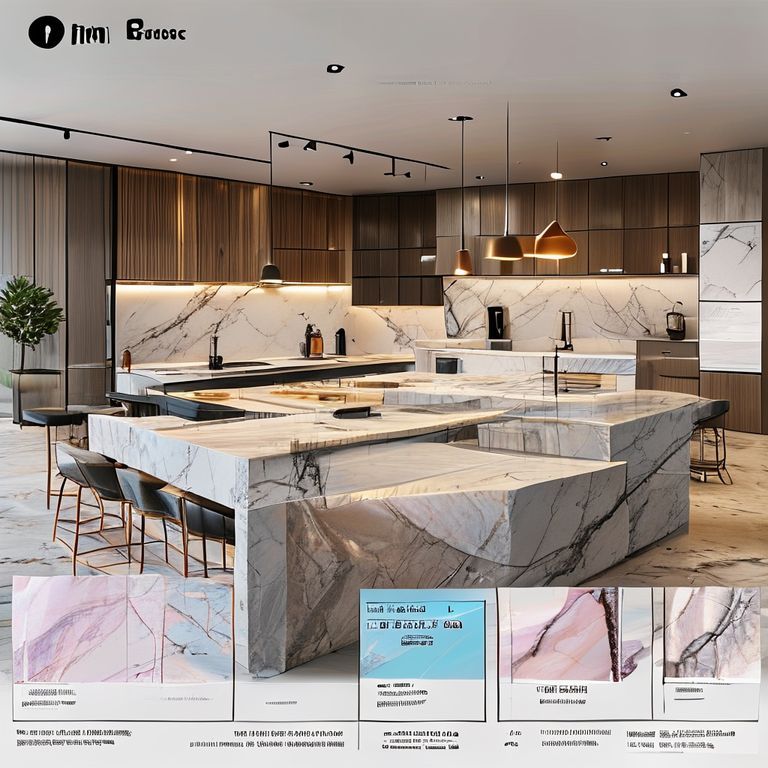
Understanding the price of acrylic artificial stone (often referred to in the industry as “solid surface”) requires looking beyond the surface layer. This isn’t just a slab of plastic; it is a sophisticated composite material engineered for longevity. To truly appreciate the price tag, we have to look at the ingredients. Generally, high-quality acrylic stone is composed of Methyl Methacrylate (PMMA)—the “acrylic” part—blended with Alumina Trihydrate (ATH) and various pigments. The ratio of these components is the first and most significant factor that dictates whether you are paying for a budget-friendly imitation or a lifelong architectural investment.
When you ask about the price, the first distinction you will encounter is between “Pure Acrylic” and “Modified Acrylic.” This is the “Gold Standard” versus the “Good Enough.” Pure acrylic surfaces are made with 100% PMMA resin. These are the top-tier products that offer incredible thermoforming capabilities—meaning they can be heated and bent into wild, futuristic curves without cracking. They are also highly resistant to UV rays, making them less likely to yellow over time. Naturally, pure acrylic occupies the higher end of the price spectrum. On the other hand, modified acrylic replaces a portion of the PMMA with polyester resin. This results in a material that looks nearly identical but is more brittle and less heat-resistant. If you are on a budget, modified acrylic offers a fantastic aesthetic at a fraction of the cost, but for high-traffic or high-luxury applications, the premium for pure acrylic is often considered a non-negotiable expense.
Then, we must talk about the “Brand Premium.” Much like the difference between a designer handbag and a high-street alternative, brands like DuPont’s Corian, LG Hausys’ HI-MACS, or Samsung’s Staron carry a price tag that reflects decades of research and development. When you pay for a premium brand, you aren’t just buying the material; you are buying peace of mind. These companies offer extensive warranties (often 10 to 15 years) and maintain strict quality control. In the domestic Chinese market, for example, prices for local brands can range significantly lower than international giants, offering a “sweet spot” for developers looking for quality without the international markup. However, the international brands remain the benchmark for consistency and color depth.
Color and texture also play a hidden role in the “acrylic artificial stone price” equation. A simple, solid white slab (the classic “Arctic White”) is usually the baseline for pricing. It is the easiest to produce and the most widely stocked. However, as soon as you move into “textured” looks—slabs that mimic the veining of Calacatta marble, or those embedded with translucent chips that allow for backlighting—the price climbs. The manufacturing process for these intricate patterns is much more complex, requiring artisan-level precision to ensure the “movement” in the stone looks natural rather than pixelated or repetitive. If you want a countertop that glows from within using LED integration, you are looking at the premium tier of the pricing list.
Beyond the raw material, we have to consider the “invisible” costs of fabrication. One of the most seductive features of acrylic artificial stone is its ability to be joined seamlessly. Unlike quartz or granite, where you will always see a fine line where two slabs meet, a skilled fabricator can join acrylic slabs so that the seam is chemically bonded and sanded away. It becomes one continuous piece. This labor-intensive process—the cutting, the gluing with color-matched adhesive, the multi-stage sanding, and the final polishing—is often bundled into the price per linear meter or square meter. When you see a price quote that seems suspiciously low, check if it includes the “edge treatment” and “installation.” In the world of luxury surfaces, the material is the canvas, but the fabricator is the artist; and great art rarely comes cheap.
Finally, in this first look at pricing, we must address the “Performance Value.” While the upfront cost of acrylic stone might be higher than laminate or certain cheap granites, its “life-cycle cost” is remarkably low. Because the material is non-porous, it never needs to be sealed. Because it is homogeneous (the color goes all the way through), scratches can be buffed out by a homeowner with a scouring pad, or deep gouges can be professionally repaired to look brand new. You aren’t just buying a surface; you are buying a renewable asset. As we transition into the second part of our analysis, we will dive deeper into the specific price ranges you can expect in the current market and how to optimize your budget to get the most “bang for your buck.”
Now that we have established the foundational factors—material composition, brand influence, and the artistry of fabrication—it is time to get down to the brass tacks: the actual numbers and the strategic ways to navigate the marketplace. When searching for “acrylic artificial stone price,” you will find that the market is divided into three distinct tiers, each catering to different needs and architectural visions.
The first tier is the “Budget/Commercial Tier.” This is where you find modified acrylics and domestic brands that focus on volume. In the current market, prices here can range from approximately $80 to $150 per linear meter (prices vary by region and currency, but this serves as a solid baseline). These materials are excellent for commercial projects like office reception desks, wall cladding in public spaces, or rental property renovations. While they might lack the “infinite” bendability of pure acrylic, they offer that clean, modern look that elevates a space instantly. If you are a developer looking to outfit an apartment complex, this is where your search begins.
The second tier is the “Mid-Range/Designer Tier.” This is the most popular segment for residential homeowners who want quality without the extreme “designer label” markup. Here, you will find high-quality pure acrylics from reputable manufacturers who might not have the 50-year history of Corian but offer identical technical specifications. Prices in this bracket typically hover between $180 and $350 per linear meter. In this range, you start to see more sophisticated colors, better heat resistance, and superior stain protection. This is the tier where “value” is maximized. You are getting a product that will last twenty years and can handle the rigors of a busy family kitchen, including the occasional spilled red wine or dropped pot.
The third and final tier is the “Luxury/Architectural Tier.” This is the realm of the industry leaders and the most avant-garde designs. Here, prices can soar from $400 to $800+ per linear meter, especially when you factor in custom thermoforming. If your project involves a curved kitchen island that looks like a drop of liquid, or a bathroom vanity where the sink and the counter are one seamless, molded piece of stone, you are in this category. At this level, you aren’t just paying for the stone; you are paying for the engineering. The fabrication of curved surfaces requires custom wooden molds and specialized ovens, which adds a significant premium to the final invoice.
One of the biggest mistakes buyers make when evaluating acrylic artificial stone prices is failing to account for “Waste and Yield.” Unlike buying a bag of cement, you buy stone in slabs (usually 760mm x 3680mm or similar dimensions). If your countertop design requires just a few inches more than one slab, you might be forced to buy a second full slab. This is where a savvy designer or a helpful supplier can save you thousands. By slightly adjusting the dimensions of your kitchen island or the height of your backsplash, you can often fit the entire project into a specific number of slabs, drastically reducing the cost per square meter.
Furthermore, let’s talk about the “Long-Term ROI” (Return on Investment). In the real estate market, a kitchen with a high-end solid surface is a major selling point. Prospective buyers recognize the “velvet touch” of acrylic stone. It feels warmer to the touch than natural stone, which can feel icy in winter. It is also the most hygienic surface available—because there are no pores and no seams, there is nowhere for bacteria or mold to hide. In a post-pandemic world, this “health-conscious” luxury adds a layer of value that isn’t captured in the initial price quote but is deeply appreciated over years of use.
If you are looking to get the best price, here is a pro-tip: ask for “off-cuts” or “remnants” if you are doing a small project like a bathroom vanity or a coffee table. Fabricators often have beautiful pieces of high-end acrylic stone left over from large kitchen projects. They are usually happy to sell these at a steep discount just to clear their warehouse space. This is a “hack” that allows you to get a $500/meter material for a fraction of the cost.
As we conclude this exploration of acrylic artificial stone pricing, it is clear that the “cost” is a reflection of a lifestyle choice. Whether you choose a budget-friendly modified acrylic for a sleek office update or an elite, thermoformed pure acrylic for a custom home, you are investing in a material that bridges the gap between science and art. The price is not just a number; it is a calculation of durability, hygiene, and the sheer joy of touching a surface that feels like it was crafted specifically for your hand.
When you weigh the initial investment against the fact that this material can be renewed, repaired, and reimagined for decades, the “expensive” label begins to fade. Acrylic artificial stone isn’t just a purchase; it’s a permanent upgrade to your environment. So, when you look at those price lists, don’t just look for the lowest number—look for the material that will make you smile every time you run your hand across its seamless, perfect surface. In the end, that is the true value of quality.









