
The whisper of “artificial marble” might conjure images of something less authentic, a mere imitation. But in the realm of modern design and construction, this engineered marvel is anything but a poor cousin. It’s a symphony of science and aesthetics, a material that has transcended its origins to become a celebrated element in creating spaces that are both breathtakingly beautiful and remarkably practical. Forget the notion of a compromise; artificial marble is a deliberate choice, a testament to human ingenuity that offers a distinct and often superior experience compared to its natural counterpart.

So, what exactly is this enchanting material? At its core, artificial marble, also known as engineered stone or composite marble, is a product of meticulous craftsmanship and advanced technology. It’s typically created by combining natural marble or quartz (in the case of engineered quartz, which shares many characteristics) with resins, polymers, and pigments. This fusion isn’t just a haphazard mix; it’s a carefully calibrated process that allows for precise control over the final product’s appearance, performance, and consistency. Think of it as taking the finest qualities of natural stone and refining them, enhancing their strengths while mitigating their weaknesses.
The visual allure of artificial marble is often its most striking feature. While natural marble can boast unique veining and color variations, these can also lead to unpredictability in large projects. Artificial marble, on the other hand, offers an astonishing degree of consistency. This means that a batch of material produced today will look virtually identical to a batch produced next year, a crucial advantage for architects and designers who need to maintain a cohesive vision across extensive installations. Furthermore, the pigmenting process allows for an almost limitless palette of colors and patterns. From the classic whites and greys reminiscent of Carrara or Calacatta marble, to bold and vibrant hues, or even intricate patterns that mimic natural stone but with a designer’s twist, the possibilities are boundless. The veining, often a hallmark of natural marble’s beauty, can be engineered to be delicate and subtle, or dramatic and sweeping, precisely tailored to the design brief. This level of customization is where artificial marble truly shines, offering designers the creative freedom to achieve a specific aesthetic without being limited by the geological lottery of natural stone.
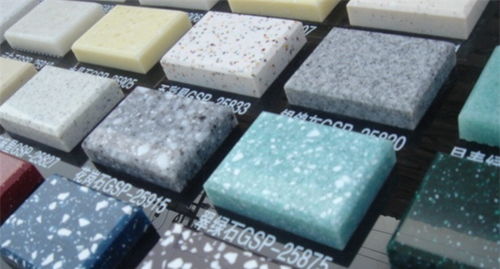
Beyond its captivating looks, artificial marble offers a compelling suite of practical advantages. One of the most significant is its inherent durability and resilience. The binding agents, typically high-performance resins, create a non-porous surface. This is a game-changer, especially in high-traffic or high-moisture areas like kitchens and bathrooms. Unlike natural marble, which is porous and susceptible to staining from liquids like wine, oil, or acidic foods, artificial marble offers superior resistance. Spills can be wiped away with ease, making it incredibly hygienic and low-maintenance. This non-porosity also means it’s less prone to harboring bacteria, a significant plus for health-conscious homeowners and busy commercial spaces.
The strength of artificial marble is another key factor in its widespread adoption. The combination of natural mineral fillers and robust resins results in a material that is highly resistant to chipping, cracking, and scratching. This makes it an ideal choice for surfaces that endure daily wear and tear, such as kitchen countertops, bar tops, and commercial reception desks. The ability to withstand the rigors of daily life without showing significant signs of damage contributes to its longevity and, by extension, its cost-effectiveness over time. While the initial investment might be comparable to some natural stones, the reduced need for sealing, the resistance to staining, and the overall durability often translate to a lower total cost of ownership.
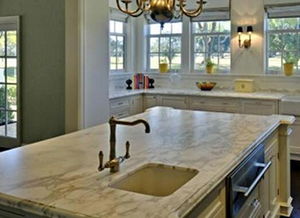
The manufacturing process itself offers a fascinating glimpse into the material’s character. Typically, crushed natural stone (often marble or quartz) is mixed with a polyester resin binder and pigments. This mixture is then poured into molds and subjected to vibration and vacuum to eliminate air bubbles, followed by curing under heat and pressure. This controlled environment ensures a dense, uniform, and incredibly strong composite. The slabs are then cut, polished, and finished to a high sheen, ready to be transformed into exquisite surfaces. The result is a material that not only looks like natural marble but, in many functional aspects, surpasses it.
The versatility of artificial marble is truly where its magic unfolds. Its ability to be molded into various shapes and sizes, coupled with its consistent coloration and pattern, makes it suitable for an astonishing array of applications. From sleek, seamless kitchen countertops that integrate sinks, to elegant bathroom vanities with integrated basins, the design possibilities are vast. It’s used for wall cladding, flooring, decorative inlays, furniture tabletops, and even architectural elements like columns and balustrades. The inherent malleability allows for intricate detailing and complex designs that might be challenging or prohibitively expensive with natural stone.
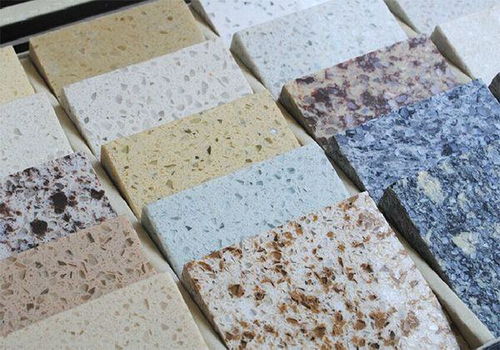
Moreover, the manufacturing process can incorporate antibacterial additives, further enhancing its suitability for hygiene-sensitive environments like hospitals, laboratories, and food preparation areas. The consistent density also means it doesn’t require the same frequent sealing as natural marble, which can be a tedious and ongoing maintenance task. A simple wipe-down with mild soap and water is often all that’s needed to keep it looking pristine. This ease of care is a significant draw for modern consumers who value both beauty and practicality in their living and working spaces. The world of artificial marble is not one of imitation, but of innovation, offering a material that elegantly balances visual splendor with exceptional performance, paving the way for a new era of sophisticated and enduring design.
Continuing our exploration into the captivating world of artificial marble, we delve deeper into its multifaceted appeal, examining its role in shaping contemporary aesthetics and its burgeoning significance in sustainable design. If the first part of our journey introduced you to the fundamental nature and inherent advantages of this engineered material, this segment will illuminate its transformative power and forward-thinking contributions.
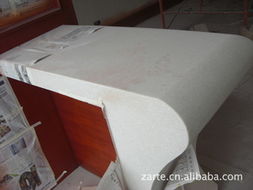
The aesthetic impact of artificial marble is profound and far-reaching. In interior design, it acts as a chameleon, capable of adapting to virtually any style, from the minimalist chic of a Scandinavian apartment to the opulent grandeur of a modern mansion. Its ability to replicate the timeless elegance of natural marble allows designers to achieve that classic look without the inherent challenges of natural stone. Imagine a pristine white kitchen island with subtle grey veining, evoking the sophistication of Calacatta, but with the unwavering resilience to handle spills from a busy family breakfast. Or consider a bathroom where a vanity top in a soft, muted tone with delicate patterns creates a spa-like sanctuary, impervious to moisture and easy to maintain.
The customization offered by artificial marble extends beyond color and pattern to texture and finish. While a high-gloss polish is common, it can also be finished with a matte or honed appearance, offering a softer, more tactile experience. This allows for a nuanced approach to design, where the surface can be tailored not just to the visual theme but also to the desired sensory experience of a space. For commercial applications, the consistency of artificial marble is a godsend. Architects can specify precise color matches for branding, ensuring that elements like reception desks, retail displays, or hotel lobby features align perfectly with a company’s identity. The durability also means these high-traffic areas can maintain their immaculate appearance for years, reducing the need for frequent replacements and repairs.
Think about the impact of large-scale installations. A sprawling hotel lobby might feature artificial marble flooring in a uniform, calming hue, creating a sense of spaciousness and serenity. Or a restaurant might opt for artificial marble tabletops that can withstand constant use and cleaning, maintaining an inviting atmosphere for diners. The material’s non-porous nature is particularly valuable in hospitality settings, where hygiene is paramount. It’s also gaining traction in healthcare environments, where its ability to resist stains and be easily sanitized makes it an ideal choice for surfaces in patient rooms, operating theaters, and laboratories.
Beyond its immediate visual and functional benefits, artificial marble is increasingly being recognized for its potential contributions to more sustainable design practices. While the term “artificial” might initially suggest otherwise, the manufacturing process offers opportunities for environmental consideration that natural stone extraction sometimes lacks. For instance, many artificial marble products utilize recycled content, such as crushed glass, post-consumer plastics, or even reclaimed stone fragments, diverting waste from landfills. This incorporation of recycled materials not only reduces the demand for virgin resources but also gives a second life to materials that might otherwise be discarded.
Furthermore, the controlled manufacturing environment allows for optimized material usage, minimizing waste during production. Unlike quarrying natural stone, which can involve significant energy consumption and potential land disruption, the engineered stone process can be more contained and efficient. The resins used in binding are also subject to ongoing development, with manufacturers increasingly focusing on low-VOC (Volatile Organic Compound) options, contributing to better indoor air quality. While the production of resins does involve chemical processes, the industry is continuously striving for greener alternatives and more responsible manufacturing techniques.
The longevity and durability of artificial marble also contribute to its sustainability profile. A material that lasts for decades without needing replacement or significant refurbishment inherently reduces the environmental impact associated with manufacturing and disposal. When you choose artificial marble for a countertop that will serve a family for twenty or thirty years, you’re making a choice that has a lower cumulative environmental footprint than a material that might need replacing every five to ten years. This long lifespan means fewer resources are consumed in the long run.
The global reach of artificial marble also plays a role. While natural marble is often quarried in specific regions, leading to significant transportation emissions, engineered stone can be manufactured closer to its point of use in many cases. This localized production can help reduce the carbon footprint associated with long-distance shipping. However, it’s important for consumers to investigate the specific manufacturing practices and sourcing of their chosen artificial marble to make the most informed and environmentally conscious decisions.
In conclusion, artificial marble is far more than a mere imitation. It is a sophisticated, adaptable, and increasingly sustainable material that has earned its place in the pantheon of modern design. Its ability to marry stunning aesthetics with exceptional performance, coupled with its growing eco-conscious credentials, makes it a compelling choice for anyone looking to create spaces that are not only beautiful but also resilient, hygienic, and thoughtfully conceived. It represents a harmonious blend of nature’s inspiration and human innovation, offering a canvas for creativity that continues to evolve, promising a future where style and substance dance in perfect, enduring harmony.









