
part 1:
The kitchen is the undisputed heartbeat of the modern home. It is where the first aromatic steam of morning coffee rises, where experimental recipes become family legends, and where guests invariably congregate during a dinner party. At the center of this domestic theater sits the countertop. In recent decades, the shift toward artificial stone—be it quartz, acrylic-based solid surfaces, or sintered stone—has revolutionized interior design. These materials offer the breathtaking aesthetics of natural marble or granite but with a promise of superior resilience. However, a common misconception persists: that “man-made” means “indestructible.” To keep that sleek, lustrous finish looking as pristine as the day it was installed, one must move beyond basic wiping and enter the world of specialized care.
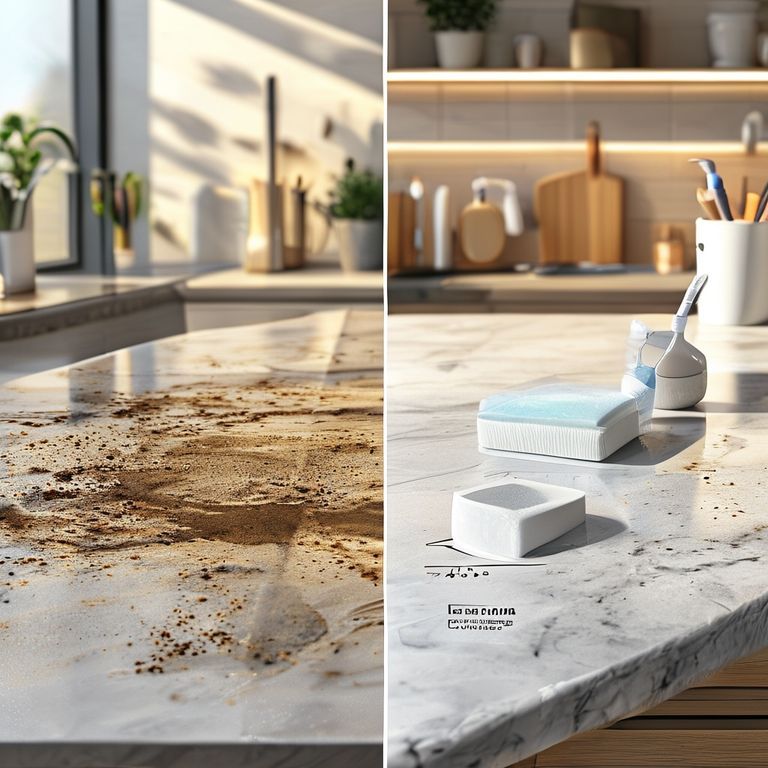
When we talk about artificial stone, we are generally discussing a sophisticated composite. Quartz countertops, for instance, are roughly 90-95% crushed natural quartz crystals bound together by polymer resins and pigments. This engineering creates a non-porous surface that resists bacteria and stains far better than its natural counterparts. Yet, these very resins are the “Achilles’ heel” of the material. They are sensitive to extreme heat and certain chemical compounds. Understanding the chemistry of your countertop is the first step in mastering its maintenance. If you treat your artificial stone like a slab of rugged sidewalk concrete, you will quickly lose that factory-fresh glow. If you treat it like a fine piece of functional art, it will reward you with decades of service.
The foundation of artificial stone care is the “Daily Ritual.” You don’t need an arsenal of expensive, specialized chemicals to keep things tidy. In fact, the most effective tool in your kit is likely already under your sink: a mild dish soap and a high-quality microfiber cloth. The microfiber is crucial. Unlike paper towels, which can be surprisingly abrasive over time, or old rags that might harbor grit, microfiber lifts particles away from the surface without scratching. A simple solution of warm water and a few drops of pH-neutral soap will handle 95% of your daily messes. The key is the “wipe and dry” method. Never let water—especially hard water—air dry on the surface. If you live in an area with high mineral content in your tap water, air-drying will leave behind unsightly white scales (calcium deposits) that dull the finish.
Now, let’s talk about the “Villains of the Vanity.” To keep your artificial stone in top shape, you must banish certain items from your cleaning cabinet. High-pH cleaners, such as bleach or oven cleaners, are catastrophic for the resins in quartz and solid surfaces. They can cause “permanent blushing” or chemical burns—discolored patches that no amount of scrubbing can fix. Similarly, stay away from highly acidic cleaners like those containing concentrated lemon juice or vinegar. While vinegar is a darling of the “green cleaning” world, its acidity can slowly eat away at the resin binders over time, leading to a loss of luster. If you wouldn’t put it on a luxury leather handbag, don’t put it on your premium stone.
The physical aspect of cleaning is just as vital as the chemical one. Abrasive scouring pads—the green or metallic ones—are the enemy of artificial stone. They create microscopic scratches that you might not see at first, but over months, these tiny grooves collect oils and dirt, making the countertop look perpetually “foggy.” When you encounter a stubborn, dried-on bit of food (think of yesterday’s dried oatmeal or a rogue drop of pancake batter), do not reach for the steel wool. Instead, let a wet, warm cloth sit over the spot for five minutes to rehydrate the debris. If it still won’t budge, use a plastic putty knife or even the edge of a credit card to gently scrape it away.
Another often-overlooked aspect of artificial stone care is heat management. Because these surfaces are held together by resins (essentially high-tech plastics), they have a thermal limit. Placing a searing hot cast-iron skillet directly onto a quartz surface can cause “thermal shock,” leading to cracks, or it can literally melt the resin, leaving a permanent yellow or brown ring. Always, without exception, use trivets or hot pads with rubber feet. This isn’t just about protecting the stone; it’s about preserving the structural integrity of your entire kitchen island. By integrating these simple habits into your daily life, you transform maintenance from a chore into a seamless part of your home’s rhythm.
part 2:
Even the most vigilant homeowner will eventually face a “Code Red” situation: the dreaded stain. Whether it’s a rings of red wine from a lively party, a turmeric explosion during a curry-making session, or a permanent marker mishap courtesy of a toddler, these moments don’t have to be permanent scars on your beautiful surfaces. For artificial stone, the strategy for stain removal is “gentle persistence.” When soap and water fail, your next level of defense should be a paste made of baking soda and water. Baking soda is a mild abrasive that provides just enough “tooth” to lift stains without gouging the resin. Apply the paste, let it sit for ten to fifteen minutes, and then gently work it in circular motions with a soft cloth.
For oil-based stains—think of grease splashes near the stovetop or a ring from a bottle of olive oil—you might need a degreaser. Look for a product specifically labeled as safe for quartz or artificial stone. If you’re in a pinch, a small amount of rubbing alcohol (isopropyl alcohol) on a cotton ball can dissolve many oils and even some ink stains without damaging the stone’s integrity. Just be sure to rinse the area with fresh water immediately after. The secret to successful stain removal on artificial stone is speed. While the material is non-porous, a pigment left to sit for 24 hours can eventually find its way into the microscopic textures of the surface.
One of the unique advantages of acrylic-based solid surfaces (like Corian) compared to quartz is that they are “renewable.” If you do manage to scratch an acrylic surface or find a stain that simply won’t budge, these materials can actually be sanded and buffed back to their original state. You can use very fine-grade sandpaper (starting at 400 grit and moving up to 1000+) to carefully smooth out the damage, followed by a polishing compound. However, a word of caution: quartz-based artificial stone is much harder and cannot be easily DIY-repaired in this way. If you have a deep scratch or a chip in a quartz countertop, it’s best to call in a professional who can fill the void with color-matched epoxy and buff it to a seamless finish.
Beyond cleaning, there is the question of “The Glow.” Everyone wants that mirror-like reflection that makes a kitchen look like it belongs in an architectural magazine. While you don’t need to “seal” quartz like you do granite (since the resin acts as a built-in sealer), you can use a stone polish or “surface protector” once a month. These products don’t change the stone; they simply add a microscopic sacrificial layer that enhances the shine and makes daily wipe-downs even easier. Look for sprays that contain silicone or specialized polymers designed for engineered stone. They act like a wax on a car, causing water to bead up and preventing fingerprints from showing quite so prominently.
Let’s address the psychological side of countertop care. A clean, gleaming surface does more than just look good; it creates a sense of order and calm in the home. When you walk into your kitchen and see the light reflecting off a perfectly maintained artificial stone island, it signals to your brain that the environment is under control. It invites you to cook, to create, and to relax. This is why “soft articles” on home care are so popular—they aren’t just about the chemistry of cleaning; they are about the lifestyle of excellence.
To summarize the “Pro-Level” approach to artificial stone:
The Daily Wipe: Warm water, mild soap, microfiber cloth. Every day. The Dry-Down: Never leave standing water to evaporate. The Shield: Use trivets for heat and cutting boards for knives. The Soft Scrub: Baking soda is your strongest ally for tough spots. The Chemical Ban: No bleach, no ammonia, no high-acid cleaners.
If you follow these principles, your artificial stone will not just last; it will thrive. It will witness your children growing up, your holiday feasts, and your quiet midnight snacks, all while maintaining the same elegance it possessed on the day of its installation. Your countertops are a significant investment in your home’s value and your daily happiness. Treat them with the respect they deserve, and they will remain the stunning centerpiece of your domestic life for a lifetime. Mastery over your home starts with the surfaces you touch every day. Keep them clean, keep them bright, and let the beauty of your space reflect the care you put into it.









