
The kitchen has undergone a radical transformation over the last few decades. It is no longer a hidden workspace tucked away at the back of the house; it has become the stage, the social hub, and the undisputed heart of the home. In this architectural evolution, the countertop has emerged as the protagonist. While marble and granite once held the crown of luxury, a new era of “Artificial Stone” or engineered surfaces has taken the design world by storm. These materials—ranging from quartz to solid surfaces and sintered stones—are not merely imitations of nature. They are improvements upon it.
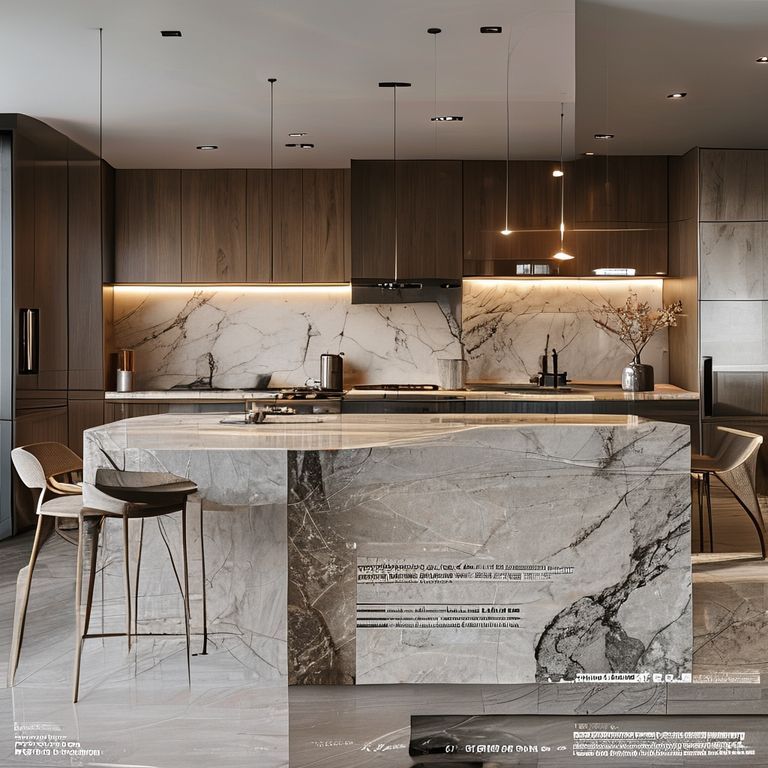
When you walk into a kitchen adorned with high-quality artificial stone, the first thing that strikes you is the visual perfection. Natural stone is a product of chaotic geological forces, which, while romantic, often results in unpredictable veining, structural weak points, and “pits” that can frustrate a meticulous homeowner. Artificial stone, however, is a triumph of human engineering. It offers a level of aesthetic consistency that was previously impossible. If you fall in love with a specific slab in a showroom, the piece that arrives at your home will be its exact twin. This predictability allows designers to create symphonies of color and pattern that flow flawlessly across massive kitchen islands and up the walls as full-height backsplashes.
But the appeal goes far deeper than the surface. The primary reason homeowners and professional chefs are pivoting toward artificial stone is its legendary durability. Take quartz, for example. It is composed of roughly 90-93% crushed natural quartz—one of the hardest minerals on Earth—mixed with high-quality resins and pigments. The result is a surface that is virtually non-porous. This is the “holy grail” of kitchen surfaces. In a busy household, spills are inevitable. Red wine, lemon juice, olive oil, and coffee are the natural enemies of porous stones like marble or limestone, which can etch or stain within minutes. Artificial stone stands defiant against these hazards. Because it lacks the microscopic pores found in natural stone, liquids simply sit on top, waiting to be wiped away without leaving a trace.
This non-porous nature leads directly into another significant advantage: hygiene. In an age where we are more conscious than ever about the cleanliness of our environments, artificial stone provides peace of mind. Without pores or fissures, there is nowhere for bacteria, mold, or viruses to hide and proliferate. Many engineered stones are even certified for use in commercial kitchens and laboratories because they are so easy to sanitize. You aren’t just buying a beautiful countertop; you are investing in a surface that supports the health of your family.
Furthermore, the versatility of artificial stone is unmatched. Because it is a manufactured product, it can be crafted into almost any shape or size. Solid surface materials, like Corian, can be thermoformed—literally heated and bent into organic, flowing curves. Imagine a countertop that transitions seamlessly into a sink with no visible joints or edges where grime can collect. This “seamlessness” is a hallmark of modern minimalism, creating a sleek, monolithic look that natural stone simply cannot replicate.
The color palette available in artificial stone is another playground for the imagination. While natural stone limits you to the earth tones found in a quarry, engineered stone can be anything you want it to be. Do you want a pristine, hospital-grade white that stays white forever? You can have it. Do you want a deep, midnight blue with flecks of recycled glass that shimmer like a galaxy? That exists too. Manufacturers have even mastered the art of “veining,” creating slabs that mimic the dramatic, smoky swirls of Calacatta marble so perfectly that even experts have to look twice—all while maintaining the indestructible nature of engineered stone.
In this first part of our exploration, it becomes clear that artificial stone isn’t just a “budget” alternative to natural stone. In many cases, high-end engineered surfaces are a premium choice, selected specifically for their superior performance and aesthetic control. We have moved past the era where we have to sacrifice beauty for functionality. With artificial stone, you get the best of both worlds: the timeless look of the earth’s finest minerals and the relentless strength of modern technology.
Continuing our journey into the world of artificial stone, we must address the practicalities of daily life. Beyond the initial “wow” factor of a kitchen reveal, the true value of a countertop is measured over years, even decades. This is where the low-maintenance lifestyle of artificial stone truly shines. If you own a marble countertop, you are essentially a servant to the stone. It requires periodic sealing—a messy and often expensive process—to keep it from absorbing liquids. Even then, you must be hyper-vigilant about every spill. Artificial stone liberates you from this chore. There is no sealing, no buffing, and no special pH-neutral cleaners required. Warm water and a drop of mild soap are usually all it takes to keep these surfaces looking as pristine as the day they were installed.
This ease of maintenance contributes significantly to the long-term value of your home. When prospective buyers walk into a kitchen, they see a beautiful artificial stone surface as a “set it and forget it” luxury. They recognize that they won’t have to worry about the previous owner’s coffee stains or the looming threat of a cracked slab. The structural integrity of engineered stone is far superior to many natural options. It is significantly more resistant to chipping and cracking, which is a common heartbreak for those who choose brittle natural stones. Whether it’s a heavy cast-iron skillet being moved across the counter or the accidental drop of a canned good, artificial stone absorbs the impact of life with grace.
Let’s talk about the “Invisible Seam” revolution. One of the most frustrating aspects of natural stone installation is the visible join where two slabs meet. Because every slab of granite or marble is unique, matching the grain at a seam is an art form that rarely yields perfect results. With artificial stone, especially solid surfaces, installers can use color-matched adhesives that chemically bond the pieces together. Once sanded down, the seam becomes entirely invisible to the naked eye. This allows for the creation of incredibly long peninsulas and L-shaped counters that appear to be carved from a single, massive block of stone. This continuity creates a sense of space and luxury that elevates the entire room’s architecture.
Sustainability is another feather in the cap of artificial stone. While the quarrying of natural stone is an intensive process that leaves a significant footprint, many manufacturers of engineered stone are leading the way in eco-friendly production. Many quartz surfaces utilize recycled materials, including glass, mirrors, and even waste from the natural stone industry. Furthermore, because these surfaces last so much longer than cheaper laminates or poorly maintained natural stones, they reduce the cycle of replacement and waste. Choosing a surface that will remain in your home for thirty years instead of ten is one of the most sustainable decisions a homeowner can make.
In the realm of commercial and high-traffic areas, artificial stone is the undisputed champion. From hotel lobbies to trendy bars, architects choose these materials because they can handle the “heavy lifting.” They are resistant to the heat of a bustling kitchen and the constant friction of thousands of customers. If it can survive a high-end restaurant, it can certainly survive your family’s Saturday morning pancake breakfast.
Finally, we have to consider the emotional aspect of home design. Your home is your sanctuary, a reflection of your taste and your standards. Artificial stone provides a sense of “order” and “purity.” There is a psychological comfort in knowing that your surfaces are clean, durable, and exactly as you intended them to be. It removes the “fragility” from your living space. You can cook, create, and entertain without the low-level anxiety of damaging your expensive surfaces.
In conclusion, the rise of artificial stone represents the pinnacle of modern interior design. It is a material that respects the beauty of the natural world while utilizing the ingenuity of the human mind to fix its flaws. It offers an incredible spectrum of colors, an iron-clad resistance to the wear and tear of daily life, and a hygienic profile that is essential for the modern family. Whether you are looking for the sleek, futuristic curves of a thermoformed solid surface or the rugged, timeless elegance of a quartz slab that mimics the finest Italian marble, artificial stone is the answer. It is more than just a countertop; it is the foundation of a beautiful, functional, and enduring home. Investing in artificial stone isn’t just about following a trend—it’s about choosing a legacy of quality that will stand the test of time.









