
纯亚克力人造石价格,亚克力人造石百度百科
When you step into a high-end showroom or flip through the glossed pages of an architectural digest, there is a specific material that catches the light with a soft, ethereal glow. It doesn’t have the cold, aggressive shine of polished granite, nor the artificial repetitive patterns of low-grade laminates. It looks integrated, organic, and impossibly smooth. This is the world of pure acrylic solid surfaces. But as soon as the initial admiration fades, the first question on every designer’s or homeowner’s lips is inevitably: “What is the price?”
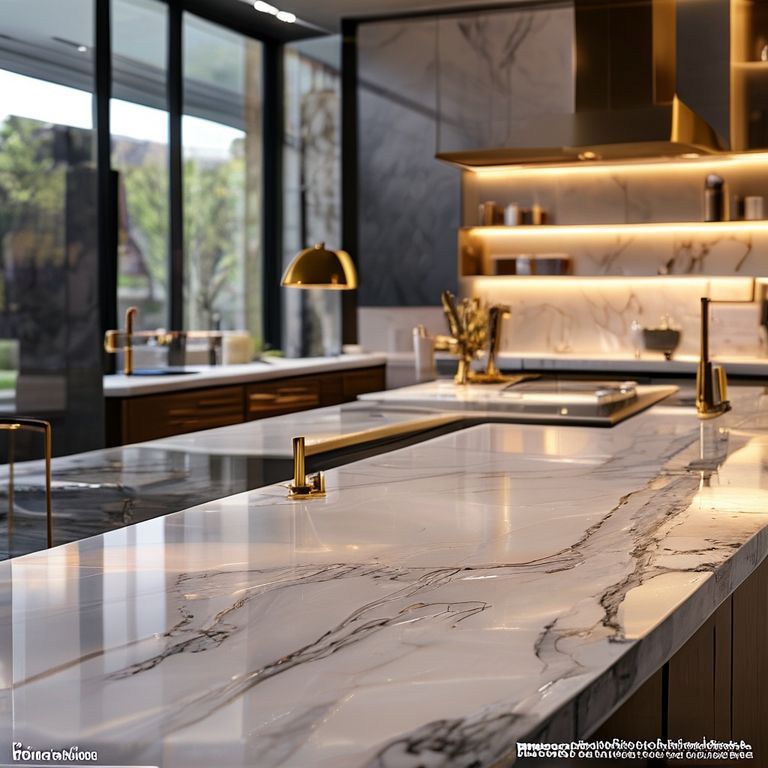
Understanding pure acrylic solid surface prices requires moving beyond the simple sticker shock. We aren’t just talking about a slab of plastic; we are talking about a sophisticated chemical marvel. Pure acrylic, primarily composed of Poly Methyl Methacrylate (PMMA) and Alumina Trihydrate (ATH), represents the gold standard of the solid surface industry. Unlike its cheaper cousin, “modified acrylic,” which mixes in polyester resins to cut costs, pure acrylic is the real deal. It’s the difference between a high-performance sports car and a budget sedan. Both get you from A to B, but the experience, the longevity, and the craftsmanship are worlds apart.
The price of this material is influenced by its primary ingredient: PMMA. This is a high-grade resin that provides the material with its most coveted properties—thermoformability and UV stability. When you see those stunning, curvaceous reception desks in five-star hotels that look like they were poured into place, you are looking at the flexibility of pure acrylic. You can’t bend quartz or granite like that. The ability to heat a flat sheet and wrap it around a column or mold it into a custom sink is a luxury that comes with a specific price tag. If the price seems higher than what you might find at a big-box hardware store, you are likely paying for that chemical purity that prevents the yellowing and brittleness seen in inferior materials.
Another major driver of the pure acrylic solid surface price is the color and particulate complexity. Have you noticed how some surfaces have a deep, translucent quality, almost like milk glass or natural jade? Achieving that depth requires a precise suspension of pigments and minerals. Basic “Solid White”—often the industry benchmark—is usually the most affordable. However, once you move into “Translucent” series or designs with “Large Particulates” that mimic rare marbles, the price climbs. This is because the manufacturing process for these designs involves more waste, slower production lines, and a higher level of artistic oversight to ensure the “veining” looks natural rather than mechanical.
Brand heritage also plays a massive role in the pricing landscape. Names like Corian, Krion, or Hi-Macs have spent decades refining their formulas and building global support networks. When you pay for a premium brand, the price includes a peace of mind that is hard to quantify. You are paying for a rigorous warranty, a certified network of fabricators, and a material that has been tested against everything from red wine stains to cigarette burns. While “unbranded” pure acrylic can be found at a lower price point, the savvy buyer knows that the “price” of a surface includes its performance ten years down the line. A cheaper alternative that cracks at the seams or loses its luster after three years is, in reality, far more expensive than a premium sheet that looks brand new for twenty.
Then, there is the geographical factor. The global supply chain for PMMA and ATH fluctuates based on oil prices and mining output. Since pure acrylic is a global commodity, the price in your local market is often a reflection of shipping logistics and import duties. This is why you’ll see price variations between regions. However, the market has become increasingly transparent. Today’s consumers are more educated than ever, realizing that a slightly higher upfront cost for a 100% pure acrylic sheet translates to a non-porous surface that is inherently hygienic. In a post-pandemic world, the value of a surface that doesn’t harbor bacteria or mold is a premium many are willing to pay for.
As we look at the initial investment, it’s helpful to view the pure acrylic solid surface price as a gateway to design freedom. It is the only material that allows for “inconspicuous” seams. When two sheets are joined with a color-matched adhesive, the joint disappears. You can create a forty-foot-long countertop that looks like a single, monolithic block of stone. That visual seamlessness is the hallmark of luxury. It’s not just a surface; it’s a statement of continuity. In the first half of this exploration, we’ve looked at the “why” behind the material costs. In the next section, we will break down the “how”—how fabrication, installation, and long-term maintenance turn that initial price into a lifetime of value.
While the cost of the raw material sheet is the foundation of the pure acrylic solid surface price, the story doesn’t end at the warehouse door. To truly understand what you are paying for, you have to look at the “hidden” side of the invoice: fabrication and installation. Unlike a DIY laminate project, pure acrylic demands a level of craftsmanship that borders on the artisanal. A skilled fabricator is like a diamond cutter; they know how to manipulate the material to hide the seams, how to polish the edges to a perfect matte or high-gloss finish, and how to reinforce the high-stress areas like sink cutouts.
The complexity of your design is the biggest variable in the final price. A simple rectangular kitchen island is one thing, but a waterfall edge that flows seamlessly into the floor, or a multi-level integrated desk with wireless charging pads hidden beneath the surface, requires hours of precision labor. The price of pure acrylic is, in many ways, a labor cost. You are paying for the hours spent sanding the material with progressively finer grits until it feels like silk to the touch. You are paying for the specialized adhesives and the vacuum-clamping tools that ensure the bond is stronger than the material itself.
One of the most compelling arguments for the pure acrylic solid surface price is its “repairability.” Think about other premium materials for a moment. If you drop a heavy cast-iron skillet on a marble countertop and it chips, that chip is a permanent scar. If you scratch a quartz surface, professional repair is difficult and often visible. Pure acrylic, however, is homogeneous. The color and pattern go all the way through the sheet. This means that if you scratch it, burn it, or even crack it, a professional can sand it down and buff it out. The surface is effectively renewable. In a commercial setting—like a busy coffee shop or a hospital nurse’s station—this feature is revolutionary. The “price” of the material becomes an insurance policy. Instead of replacing the entire counter every five years due to wear and tear, you simply have it professionally buffed for a fraction of the cost.
Let’s also talk about the “hygiene premium.” Because pure acrylic is non-porous, it is NSF/ANSI 51 certified for food contact. It doesn’t need to be sealed like granite or marble. Natural stones have microscopic pores that can trap bacteria, moisture, and odors. Over time, the cost of resealing stone every year or two adds up. Pure acrylic requires none of that. You clean it with soapy water or a mild abrasive, and it remains as sterile as the day it was installed. For many homeowners, the pure acrylic solid surface price is justified simply by the time saved on maintenance and the peace of mind knowing their kitchen is a healthy environment for their family.
When comparing pure acrylic prices to quartz—the other giant of the countertop world—the distinction usually comes down to aesthetics and touch. Quartz is harder and more scratch-resistant, but it feels cold and sounds “clinky” when you set a glass down. Pure acrylic has a warmth to it; it takes on the ambient temperature of the room. It’s also much quieter. In modern open-plan living where the kitchen is part of the lounge, the acoustic qualities of a surface are surprisingly impactful. This tactile luxury is a subtle but significant part of why designers choose pure acrylic for high-end residential projects.
For those looking to optimize their budget, there are ways to manage the pure acrylic solid surface price without sacrificing quality. Choosing standard sheet thicknesses (usually 12mm for horizontal surfaces) and opting for popular, high-volume colors can significantly lower the cost. Furthermore, integrating a solid surface sink into the countertop—while more expensive upfront—removes the need for “under-mount” clips and silicone joints that eventually fail and leak, saving you money on future plumbing repairs and cabinet damage.
Ultimately, the pure acrylic solid surface price should be viewed through the lens of “Total Cost of Ownership.” If you look at the price over a twenty-year horizon, pure acrylic often emerges as the most economical choice. It survives moves, kitchen refreshes, and decades of heavy use. It can be reshaped and repurposed if you decide to remodel. It is a sustainable choice in a world of “disposable” interiors.
In conclusion, when you see a quote for pure acrylic, don’t just see a number. See the PMMA resin that will keep the color vibrant for decades. See the artisan who will sand the seams until they vanish. See the non-porous barrier that keeps your home safe. And most importantly, see the freedom to create a space that doesn’t just look good, but feels like a seamless extension of your lifestyle. Pure acrylic is more than a material; it is the ultimate expression of modern living, where beauty and utility exist in perfect, unblemished harmony. Whether you are designing a futuristic bathroom or a cozy, minimalist kitchen, the investment in pure acrylic is an investment in a surface that will never go out of style.









