
When you step into a high-end kitchen or a contemporary boutique hotel lobby, there is often a sense of seamlessness that feels almost impossible. You run your hand along a vast, sweeping countertop that curves effortlessly around corners, showing no visible seams, no grout lines, and no breaks in its milky, stone-like pattern. More often than not, what you are touching isn’t a slab of rock pulled from a mountain, but a triumph of modern material science: Acrylic Artificial Marble.
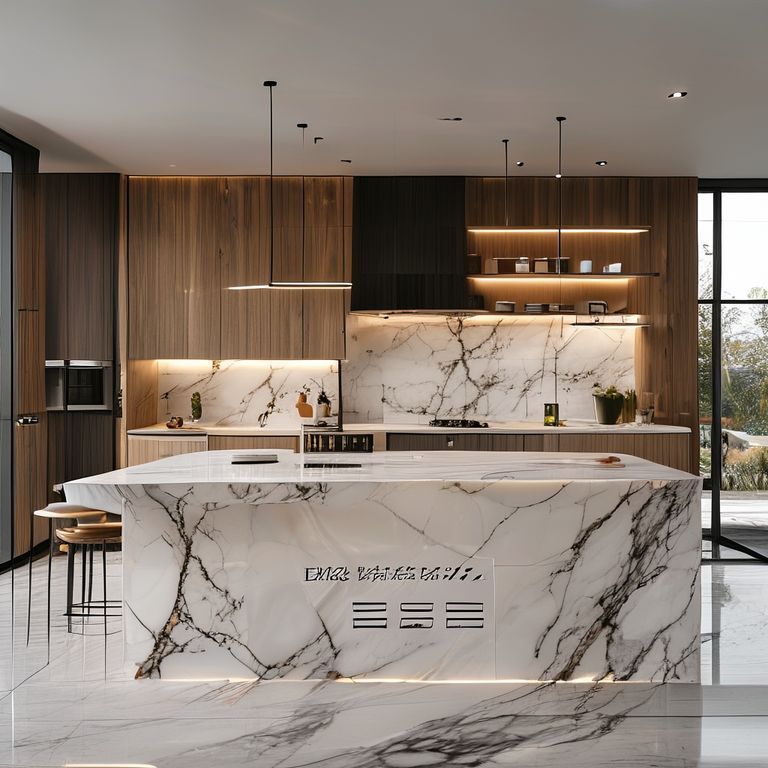
Commonly referred to in the industry as “Solid Surface,” acrylic artificial marble has revolutionized the way we think about interior architecture. It bridges the gap between the raw, rugged beauty of natural stone and the precision of engineered polymers. But what exactly is it, and why has it become the darling of architects and homeowners alike? To understand its appeal, we have to look past the surface and into the very chemistry that makes it so unique.
Acrylic artificial marble is primarily composed of high-performance acrylic resin (polymethyl methacrylate or PMMA) and natural minerals (specifically Alumina Trihydrate or ATH), mixed with pigments to create those iconic swirls and veins. Unlike its cheaper cousin, polyester-based artificial stone, the “acrylic” designation is a mark of quality. It provides a level of clarity, durability, and flexibility that other synthetics simply cannot match. If you were looking through a “picture collection” of premium interiors today, you would see this material used in ways that natural marble could only dream of.
The Peerless Pros: Why Acrylic Reigns Supreme
The first thing anyone notices about acrylic artificial marble is its aesthetic fluidity. In the world of interior design, the “Seamless Join” is the holy grail. When two slabs of natural granite or quartz are placed together, there is always a visible line, a break in the pattern that signals where one piece ends and the other begins. Acrylic solid surface changes the game. Using a specialized bonding adhesive that matches the color of the slab perfectly, installers can chemically “weld” pieces together. After a quick buffing, the seam vanishes. This allows for massive, L-shaped islands or U-shaped counters that appear to be carved from a single, enormous block of stone. Imagine a picture of a 20-foot long kitchen island with a waterfall edge—this is where acrylic shines.
Beyond the visual magic, there is the tactile experience. Natural stone is often cold to the touch, which can feel uninviting in a cozy home environment. Acrylic marble, however, retains a certain “warmth.” It adjusts to the ambient temperature of the room, making it much more pleasant to lean against on a chilly morning while you wait for your coffee to brew.
From a practical standpoint, the “Non-Porous” nature of the material is perhaps its greatest selling point. Natural stones like marble and granite are actually full of microscopic pores. If you spill red wine or drop a slice of oily pizza on unsealed natural marble, the liquid seeps into the stone, creating a permanent stain. Acrylic artificial marble is completely solid all the way through. It is an impenetrable fortress against bacteria, mold, and stains. This is why you’ll see it used extensively in hospitals and laboratories; it’s one of the most hygienic surfaces on the planet. For a busy family kitchen, this means peace of mind. You don’t need to worry about “sealing” your counters every year; the material is its own sealant.
Then, we must talk about the “Design Versatility.” Because it contains high-grade acrylic, the material becomes pliable when heated—a process known as thermoforming. Do you want a sink that flows directly out of the countertop with no rim? You can have it. Do you want a reception desk that curves like a desert sand dune? It’s possible. If you were browsing a “picture gallery” of creative office spaces, you’d see backlit acrylic panels glowing with a soft, ethereal light. Because many acrylic marbles are slightly translucent, you can hide LEDs behind them to create glowing walls or bars that become the centerpiece of a room.
Finally, we have the “Repairability” factor. In the unfortunate event that you drop a heavy cast-iron skillet and chip your countertop, a natural stone slab might be ruined or require a very obvious patch. With acrylic marble, a professional can fill the chip with the same resin-based material, sand it down, and it will be as if the accident never happened. Even scratches can be buffed out with a simple abrasive pad. It is a surface that can be “renewed” indefinitely, looking as good on day 1,000 as it did on day 1.
While it is easy to get swept away by the ethereal beauty and the “magic” of seamless joins, no material is without its quirks. To truly appreciate acrylic artificial marble, one must look at it with a balanced eye, understanding the trade-offs that come with its sophisticated composition. As any seasoned interior designer will tell you, the “perfect” material doesn’t exist—only the “right” material for the specific lifestyle of the user.
The Cons: Navigating the Limitations
If natural stone is defined by its hardness, acrylic marble is defined by its relative softness. Because it is a resin-based product, it is more susceptible to scratches than quartz or granite. If you use your countertop as a cutting board, you will see marks. While we mentioned in Part 1 that these can be buffed out, not everyone wants to perform regular maintenance on their surfaces. In a high-traffic kitchen where pots and pans are constantly being slid across the counter, a dark-colored acrylic marble might show “spider-web” scratches over time. This is why many professionals suggest choosing lighter colors or patterns with heavy “flecking,” which camouflage daily wear and tear much more effectively.
The second major consideration is “Heat Resistance.” This is the Achilles’ heel of the acrylic world. While natural granite can handle a hot pot straight from the stove, acrylic marble has a lower melting point. If you place a scorching pan directly on the surface, you risk scorching it or, in extreme cases, causing it to crack due to thermal shock. You have to be a “trivet person.” If you can develop the habit of always using a cooling rack or a heat pad, this won’t be an issue, but for those who prefer a “bulletproof” surface where they don’t have to think twice, this might be a dealbreaker.
Then, there is the “Cost.” High-quality acrylic artificial marble (the kind with a high PMMA content) is not a budget-friendly option. It is often priced similarly to, or even higher than, mid-range natural stone or quartz. The price reflects the technology used to create it and the specialized labor required to install it. You aren’t just paying for the slab; you are paying for the artistry of the fabricator who makes those seams disappear.
A Visual Feast: The Picture Collection in Your Mind
When you search for a “picture collection” of this material, you’ll notice a few recurring themes that highlight its best uses.
The Integrated Bathroom: Imagine a bathroom vanity where the sink and the countertop are one continuous piece of white marble-patterned acrylic. There are no edges for soap scum to hide in, and the drain seems to melt into the floor of the basin. It looks incredibly clean and futuristic. The Backlit Bar: Picture a commercial lounge where the front of the bar is a deep, veined “Black Marble.” When the sun goes down, the bartender flips a switch, and the veins of the marble begin to glow with a warm amber light. This is a feat only possible with acrylic-based materials. The Laboratory Precision: Look at images of modern dental offices or high-end clinics. The surfaces are crisp, white, and perfectly smooth. This isn’t just for aesthetics; it’s a visual representation of the material’s sterile, non-porous nature.
Making the Choice: Is It Right For You?
Deciding on acrylic artificial marble comes down to your priorities. If you are a homeowner who values “Visual Perfection” and “Hygiene” above all else, this is your material. The ability to have a kitchen that looks like a singular sculpture is a luxury that natural stone simply cannot provide. If you love the idea of a bathroom that feels like a high-end spa, where the surfaces are soft to the touch and easy to wipe down, acrylic is the winner.
However, if you are a “Rough and Tumble” cook who wants to throw hot pans around and hack away with knives without a care in the world, you might find the maintenance of acrylic a bit frustrating. In that case, you might lean toward a harder, though less flexible, material like quartz.
In the grand tapestry of interior design, acrylic artificial marble represents the “Soft Luxury” category. It is sophisticated, technologically advanced, and incredibly forgiving in terms of repairability. It allows architects to dream in curves and circles rather than just squares and rectangles. It is a testament to the idea that we can take the inspiration of the natural world—the beautiful veining of Calacatta or the deep moods of Nero Marquina—and enhance them with the benefits of modern engineering.
When you look at your “picture collection” of dream homes, notice the details. Notice the lack of lines. Notice the way light plays through the edges of the stone. That is the hallmark of acrylic marble. It’s not just a countertop; it’s a canvas for your life, designed to be as fluid and dynamic as the people who live around it. Whether you are Renovating a cozy apartment or designing a sprawling corporate headquarters, the elegance of acrylic solid surface offers a timeless appeal that, quite literally, feels as good as it looks.









