
人工造石图片,人工石念什么?
The human fascination with stone is primal, an ancestral connection that dates back to the very first shelters carved from the earth. There is a weight to stone—not just physical, but historical—that speaks of permanence, security, and a quiet, rugged elegance. However, in the modern era of architecture and interior design, the traditional quarrying of natural stone often comes with a heavy price tag, logistical nightmares, and environmental concerns. Enter the era of the “Alchemist’s Palette”: the world of artificial stone. When you begin scrolling through a gallery of artificial stone images, you aren’t just looking at building materials; you are looking at the fusion of high-tech engineering and high-art aesthetics.

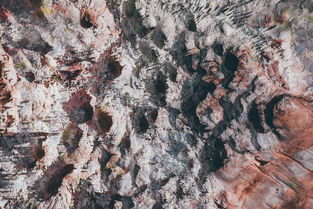
The visual impact of a well-executed manufactured stone project is, quite frankly, indistinguishable from the real thing. This is the first thing that strikes you when browsing high-resolution artificial stone images. You see the deep crevices of a weathered fieldstone, the subtle ochre and rust streaks of a desert ledge stone, and the cool, sophisticated grays of modern stacked slate. These images tell a story of transformation. They show us that we are no longer bound by the geography of a local quarry. If you live in a coastal town but crave the look of a mountain lodge, artificial stone bridges that gap.
The beauty of artificial stone lies in its “curated randomness.” Natural stone can be unpredictable—sometimes too brittle, sometimes inconsistent in color. Artificial stone is designed with an artist’s eye. Manufacturers study thousands of natural rocks to create molds that capture every pore, every hairline fracture, and every mossy indentation. When you look at images of these products, you are seeing a “best of” collection of nature’s textures. Each piece is cast from high-density concrete and mineral pigments, ensuring that the visual depth goes skin-deep. This isn’t just a surface treatment; it’s a structural illusion that commands respect.
One of the most compelling narratives found in artificial stone imagery is the “Curb Appeal Revolution.” Traditionally, a full-stone exterior was a luxury reserved for the ultra-wealthy due to the sheer weight of the material, which required massive foundations and expert masons. Now, images of suburban homes show a different reality. We see split-level houses and modern farmhouses adorned with “stone” accents that look heavy and ancient but are actually lightweight veneers. This lightness allows designers to play with stone in places it never belonged before—on second-story gables, around cantilevered entryways, and even on high-rise balconies.
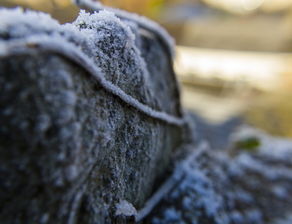
The variety captured in these images is staggering. You might find yourself drawn to the “Old World” charm of European cobblestone, where the edges are rounded and the colors are muted, suggesting a cottage that has stood for centuries. Or perhaps your eye wanders toward the “Linear” series—long, thin strips of stone with sharp edges and monochromatic tones that scream “mid-century modern.” The visual versatility means that artificial stone can adapt to any persona a building wishes to adopt. It can be the rugged protector or the sleek, minimalist intellectual.
Beyond the sheer beauty, these images represent a liberation of the DIY spirit. In the past, masonry was a dark art. Today, looking at “before and after” images of artificial stone installations reveals a process that is accessible. Because it is a veneer, it is applied like a puzzle, often over existing surfaces with simple mortar. The images show homeowners transforming a drab, beige stucco wall into a textured masterpiece over a single weekend. This democratization of luxury is perhaps the most “attractive” part of the soft article narrative. It’s the idea that the “million-dollar look” is within reach for anyone with a vision and a bit of elbow grease.
As we move from the exterior to the interior, the visual story becomes even more intimate. We see images of grand foyers where the stone climbs two stories high, mirroring a fireplace that serves as the home’s literal and figurative hearth. The texture of the stone interacts with light in a way that paint or wallpaper never can. In the evening, when the wall-wash lights are dimmed, the shadows dance in the grooves of the artificial stone, creating a three-dimensional living art piece. This is the “soul” of the material—its ability to bring the outdoors in, grounding our high-tech lives in something that feels earthy and real.
In this first part of our exploration, we’ve seen how artificial stone images serve as a blueprint for dreams. They aren’t just pictures; they are proof that the gap between “natural beauty” and “man-made innovation” has been closed. We are no longer settling for “fake”; we are choosing “engineered perfection.”
Continuing our journey through the visual landscape of artificial stone, we move from the grand architectural gestures of the exterior to the intimate, tactile details of the interior. If the exterior is about “presence,” the interior is about “atmosphere.” When you dive into a collection of interior artificial stone images, you are immediately struck by how stone changes the acoustic and thermal perception of a room. It looks warm. It looks quiet. It looks like a sanctuary.
The fireplace remains the undisputed king of artificial stone applications. Historically, a massive stone hearth was the center of survival. Today, it’s the center of style. Images of modern living rooms often feature floor-to-ceiling stone surrounds that act as a visual anchor for the entire house. You might see a “dry-stack” style, where the stones appear to be balanced perfectly on top of one another without visible mortar. This look, often showcased in high-end design magazines, creates a sleek, contemporary vibe that mimics the masonry of the American Southwest. The images capture the way the orange glow of the fire reflects off the rugged stone surfaces, creating a multi-sensory experience that defines “cozy.”
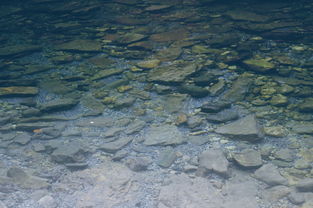
But the application of artificial stone doesn’t stop at the living room. One of the most burgeoning trends in the “stone image” world is the “Spa-Like Bathroom.” Imagine a master suite where the wall behind a freestanding soaking tub is covered in smooth, river-rock artificial stone. The visual contrast between the glossy white porcelain and the matte, textured stones creates a Zen-like retreat. In these images, you can almost smell the eucalyptus and feel the steam. The stone provides a grounding element to a room that is often dominated by hard, cold surfaces like tile and glass. It brings an organic, soft touch that elevates the routine of bathing into a ritual.
Kitchens, too, are being reimagined through the lens of artificial stone. While granite and quartz countertops are standard, the “backsplash” and “island wrap” are the new frontiers. Images show kitchens where the backsplash isn’t just a 4-inch strip of tile, but a full wall of ledger stone. It adds a layer of sophistication that makes the cabinetry pop. The “Industrial Loft” aesthetic, often seen in urban design photos, frequently uses artificial brick—a cousin of artificial stone—to give a new-build apartment the gritty, historical character of a converted warehouse. These images prove that you can manufacture heritage.
A key factor that makes artificial stone images so “attractive” to the modern consumer is the sustainability story hidden within the pixels. While natural stone requires invasive quarrying and massive carbon footprints for transport, artificial stone is often made with recycled aggregates and can be produced closer to the point of sale. When you see an image of a beautiful stone wall, you are also seeing a choice that is kinder to the planet. It’s the beauty of nature without the scars left on the landscape.
Furthermore, the “Practicality Factor” is a recurring theme in the narrative of artificial stone. Images often highlight the material’s durability. Unlike some natural stones that are porous and prone to staining or crumbling over time, manufactured stone is engineered for longevity. It is colorfast, meaning those rich browns and deep blacks you see in the photos won’t fade under the harsh midday sun. It is also resistant to “efflorescence”—that white, powdery salt residue that often plagues natural masonry. When you look at an image of a ten-year-old artificial stone facade next to a brand-new one, they look identical. This consistency is a huge selling point for homeowners looking for a “set it and forget it” solution.
As we conclude this visual and narrative tour, it’s clear that the “Artificial Stone Image” is more than just a marketing tool; it’s a spark for the imagination. It challenges our perceptions of what is “real” and what is “possible.” In a world that is increasingly digital and ephemeral, we crave things that feel solid. Artificial stone provides that solidity, that texture, and that timelessness, but it does so with the flexibility of modern technology.
Whether you are looking to create a fortress-like exterior that stands as a beacon of strength in your neighborhood, or a quiet, stone-walled study where you can escape the noise of the world, artificial stone is your medium. The images we’ve discussed are just the starting point. The real magic happens when you take that inspiration and bring it into your own space. You aren’t just renovating a wall; you are sculpting an environment. You are taking the “Alchemist’s Palette” and painting your own story in stone. The result is a home that doesn’t just look better—it feels deeper, older, and more connected to the earth, all while being a triumph of human ingenuity. So, the next time you see a stunning image of a stone wall, don’t just admire it. Recognize it for what it is: an invitation to build something eternal.









