
Part 1: Outline
- # H1: Artificial Marble Pros and Cons: A Comprehensive Comparison
- ## H2: What Is Artificial Marble?
- ### H3: Composition and Materials
- ### H3: Engineered Stone vs Natural Marble
- ## H2: How Artificial Marble Is Made
- ### H3: Common Binders and Fillers
- ### H3: Manufacturing Variations
- ## H2: The Big Pros of Artificial Marble
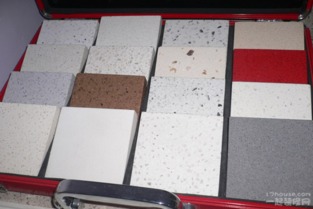
- ### H3: Aesthetic Variety
- ### H3: Non-Porous and Hygienic
- ### H3: Consistency and Predictable Performance
- ### H3: Maintenance and Cleaning Ease
- ### H3: Cost Relative to Natural Marble
- ## H2: The Cons You Should Know
- ### H3: Scratches, Chips, and Resilience
- ### H3: Staining and Heat Sensitivity
- ### H3: Repair and Replacement Realities
- ### H3: Environmental Footprint and Indoor Air Considerations
- ## H2: Quick Comparisons: Artificial Marble vs Natural Marble
- ## H2: Ideal Applications
- ### H3: Kitchen Countertops
- #### H4: Edge Profiles and Installation
- ### H3: Bathrooms
- ### H3: Commercial Spaces
- ## H2: How to Choose the Right Product
- ### H3: Certifications and Brand Reputation
- ### H3: Surface Finish and Textures
- ### H3: Warranty and Support
- #### H4: Edge Profiles and Installation Nuances
- #### H4: Sink and Backsplash Integrations
- ## H2: Care and Maintenance Tips
- ### H3: Daily Cleaning Routines
- ### H3: Stain Prevention and Quick Remedies
- ### H3: When to Seal or Not
- ## H2: Troubleshooting Common Problems
- ### H3: Discoloration and Whitening
- ### H3: Cracking, Pitting, and Recovery Options
- ## H2: Cost, Longevity, and ROI
- ## H2: Conclusion
- ## H2: FAQs
- ### H3: Question 1
- ### H3: Question 2
- ### H3: Question 3
- ### H3: Question 4
- ### H3: Question 5
Part 2: The Article
Artificial Marble Pros and Cons: A Comprehensive Comparison
If you’re weighing a renovation or a new build, you’ve probably bumped into artificial marble, also known as engineered stone. It’s a workhorse in kitchens, bathrooms, and even some commercial spaces. But like any material, it comes with a mix of strengths and trade-offs. Let’s break it down in plain language, with a friendly, practical vibe so you can decide what fits your project and budget best.

What Is Artificial Marble?
Artificial marble is a man-made surfacing material crafted from crushed natural stone (usually quartz or marble dust), bound together with resins and polymers. The result is a solid surface that mimics the look of natural stone but adds a layer of predictability—consistent color, texture, and non-porous performance. The term “engineered stone” is often used interchangeably with “artificial marble,” though many brands emphasize quartz-based compositions for their hardness and stain resistance.
Composition and Materials
Think of engineered stone as a concrete-like matrix with stone fragments suspended in resin. The exact mix varies by brand, but you’ll typically find:
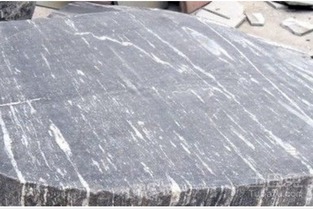
- Ground quartz or marble powder as the fill
- A resin binder (often polyester or a more durable acrylic/silicone hybrid)
- Pigments to achieve the desired color and veining
- Optional additives for enhanced strength or extra UV resistance
The magic is in the balance: enough stone content to feel solid and natural, enough resin to bind it all together and make it non-porous.
Engineered Stone vs Natural Marble
Natural marble brings unique vein patterns and a sense of history; every slab is one of a kind. Engineered stone, by contrast, leans into uniformity and repeatability. You get consistent color, uniform texture, and better resistance to moisture and staining—at the cost of some of that natural variation and the deeper, more authentic patina you might love in real marble.
How Artificial Marble Is Made
Common Binders and Fillers
The resin binder is where engineered stone gets its strength and its non-porous surface. Different brands use different binders to optimize hardness, scratch resistance, and workability. The choice can affect heat tolerance, chemical resistance, and the ease of repairs.
Manufacturing Variations
Manufacturers may:
- Use different particle sizes of stone filler
- Add mica or pearlescent chips for sparkle
- Employ different polishing techniques for gloss or matte finishes
- Design composite ratios to prioritize hardness, flexibility, or UV stability
The result is a broad family of products under the umbrella of artificial marble, each with its own personality.
The Big Pros of Artificial Marble
Aesthetic Variety
One of the biggest wins is the sheer range of looks. You can pick:
- Bright, high-contrast veining like premium marble
- Subtle, uniform tones for a minimalist aesthetic
- Bold colors that natural stone never offers
If you crave a consistent look across a large countertop run or want a specific colorway that natural stone can’t reliably provide, engineered stone is your friend.
Non-Porous and Hygienic
Engineered stone surfaces are non-porous, which means they resist staining and moisture intrusion. That makes them less susceptible to mold, mildew, and bacterial growth in wet kitchen environments or humid bathrooms. A simple wipe-down usually does the trick.

Consistency and Predictable Performance
With natural stone, you might discover color streaks or irregular veining that you either love or don’t. Engineered marble provides consistency slab to slab, which helps when you’re matching new installations to existing sections or doing large projects where uniformity matters.
Maintenance and Cleaning Ease
Maintenance is often simpler because the non-porous surface cleans up easily with mild detergents. You’re not chasing tiny pores where spills hide, which means less careful sealing schedules and fewer long-term surprises.
Cost Relative to Natural Marble
Engineered stone generally costs less than high-end, rare natural marbles while delivering a similar look. For many homeowners, it’s a “looks-expensive, costs-less-than-you-think” scenario. You also tend to save on long-term maintenance and repair costs due to fewer porosity-driven issues.
The Cons You Should Know
Scratches, Chips, and Resilience
Despite being hard, engineered stone isn’t indestructible. It can scratch or chip, especially around edges or in high-traffic areas. A sharp kitchen knife, abrasive cleaner, or heavy impact can cause visible damage. Some brands offer better scratch resistance than others, but it’s wise to treat any hard surface with care.
Staining and Heat Sensitivity
While non-porous, engineered stone isn’t completely stain-proof. Highly pigmented substances or certain oils can still leave marks if spills aren’t wiped up promptly. Heat resistance varies; placing a hot pot directly on the surface can cause discoloration or thermal shock in some formulations. Using trivets and avoiding direct heat is a smart habit.
Repair and Replacement Realities
Minor scratches can sometimes be buffed out or repaired, but deeper damage may require resurfacing or replacement of a section. Repairs are generally doable, but not always as simple as repairing a chip in natural stone; some repairs are more visible depending on color and veining.
Environmental Footprint and Indoor Air Considerations
The production of engineered stone involves mining and processing stone powders plus resin binders. Depending on the brand and manufacturing practices, there may be environmental considerations—like resin emissions, energy use, and end-of-life disposal. If this matters to you, look for brands with transparent sustainability reports and low-VOC binders.
Quick Comparisons: Artificial Marble vs Natural Marble
- Appearance: Natural marble has unique, unpredictable veining; engineered marble aims for controlled aesthetics with consistent color and veins.
- Durability: Engineered stone generally performs better against moisture and staining; natural marble can stain more easily if not sealed and maintained.
- Maintenance: Engineered surfaces are typically lower maintenance; natural marble often requires more sealing and care to avoid etching and staining.
- Cost: Engineered marble can be more affordable upfront for large projects; rare natural marbles can be significantly pricier.
- Repairs: Chips and scratches in engineered stone may be addressed with polishing or replacement, while natural marble can be honed or re-cut but may require more meticulous sealing.
Ideal Applications
Kitchen Countertops
If you want a kitchen surface with a high-end look, decent scratch resistance, and easy clean-up, engineered stone is a strong candidate. It handles spills well and doesn’t require sealing as often as some natural stones.
Edge Profiles and Installation
Choose edge profiles that suit your style and manage sink cutouts with precision. A well-installed engineered stone countertop can look seamless with undermount sinks and full-height backsplashes.
Bathrooms
Bathrooms benefit from non-porous surfaces that resist moisture and stains. Engineered stone in bath vanities, shower niches, and walls can deliver a luxurious feel with lower maintenance than many natural stones.
Commercial Spaces
Hospitals, hotels, and offices often favor engineered stone for its hygienic surface, consistency, and durability. Large projects benefit from uniform slabs and predictable fabrication timelines.
How to Choose the Right Product
Certifications and Brand Reputation
Look for products with independent testing, certifications, and warranties. Brands with strong customer support and documented performance data tend to deliver fewer surprises.
Surface Finish and Textures
Glossy, matte, satin, or textured finishes can dramatically alter the perceived value and maintenance needs. Think about glare, slip resistance in wet areas, and how the finish wears over time.
Warranty and Support
A robust warranty can save money and stress down the road. Check what’s covered (stains, scratches, edge chipping) and for how long.
Edge Profiles and Installation Nuances
Edge design affects both aesthetics and durability. Some profiles hide minor chips better than others. Installation quality matters just as much as the material itself.
Sink and Backsplash Integrations
Integrated sinks look sleek and reduce seams where bacteria and stains can accumulate. Ensure your chosen product supports this option if you want a seamless look.
Care and Maintenance Tips
Daily Cleaning Routines
Use a soft cloth or sponge with mild dish soap and warm water. Avoid abrasive pads and harsh cleaners that could dull the surface over time.
Stain Prevention and Quick Remedies
Wipe spills promptly, especially oily or highly pigmented substances (tomato sauce, coffee, wine). For stubborn stains, a non-abrasive cleaner or a specialty stone cleaner can help.
When to Seal or Not
Most engineered stones don’t require sealing like many natural stones do. If a brand claims a sealant will enhance performance, follow the manufacturer’s guidelines and schedule. Generally, you’ll notice no sealing needs for standard engineered stone surfaces.
Troubleshooting Common Problems
Discoloration and Whitening
If a surface starts to appear milky or discolored, it could be due to improper cleaning, chemical exposure, or heat. Try a gentle cleaner first, then consult the manufacturer if the issue persists.
Cracking, Pitting, and Recovery Options
Small chips or cracks might be filled or repaired, depending on color and brand. In some cases, you’ll need to replace the damaged slab section to restore a seamless look.
Cost, Longevity, and ROI
Engineered stone often offers a favorable balance of upfront cost and long-term durability. While some premium natural marbles can outprice engineered options, engineered stone’s predictable performance and easier maintenance can reduce lifecycle costs. Consider your budget, expected usage, and whether you plan to live with the surface for many years. In the long run, engineered stone can deliver a strong return on investment through lower maintenance needs and better stain resistance.
Conclusion
If you’re choosing between artificial marble and natural marble, the decision hinges on what you value most: a broad aesthetic palette and lower maintenance (engineered stone) versus the unique, one-of-a-kind look of natural stone and the potential for a deeper patina over time. Engineered stone gives you consistent color, solid durability, and straightforward upkeep—great for kitchens, baths, and high-traffic spaces. The caveats are possible scratches, heat-related caution, and an environmental footprint that varies by brand. With thoughtful product selection, proper installation, and sensible care, artificial marble can be a smart, stylish, and practical long-term choice.
FAQs
Q1: Is artificial marble as durable as natural marble for kitchen counters?
A1: It’s generally more resistant to stains and moisture and less prone to etching from acidic foods. It’s not indestructible—sharp objects can scratch, and heavy impacts can chip. A good compromise is to choose a high-hardness engineered stone and use cutting boards and hot pads.
Q2: Do engineered stone surfaces require sealing?
A2: Most do not require sealing. The non-porous resin matrix provides stain resistance without sealants. Always check the manufacturer’s guidelines for your specific product.
Q3: Can I repair scratches or chips on engineered stone?
A3: Minor scratches can often be buffed out or repaired with manufacturer-approved polishes. Deeper chips may require professional repair or replacement of the affected area, depending on color and slab consistency.
Q4: Are there environmental concerns with engineered stone?
A4: Yes, there can be. The production process involves quarrying and resin binders. Look for brands with transparent sustainability data, low-VOC binders, and recycled content where possible.
Q5: How should I maintain and clean artificial marble daily?
A5: Use a soft cloth or sponge with mild soap and warm water. Avoid abrasive cleaners and scouring pads. For stubborn stains, try a gentle non-abrasive cleaner designed for stone surfaces, and rinse well.









