
The gleam of marble has long been synonymous with luxury and timeless elegance. For centuries, this natural wonder has graced the interiors of palaces, museums, and discerning homes, a testament to its inherent beauty and prestige. However, the pursuit of this sophisticated aesthetic often comes with a hefty price tag and a set of practical considerations that can make even the most ardent admirers pause. Enter the realm of artificial marble, or engineered stone, a modern marvel that seeks to replicate the allure of its natural counterpart while offering a host of advantages that resonate with contemporary living.

The rise of artificial marble isn’t a mere trend; it’s a calculated response to the evolving demands of homeowners and designers alike. It’s the result of ingenious engineering, a fusion of natural minerals, resins, and pigments, meticulously crafted to mimic the visual splendor of quarried stone. This innovative approach allows for a level of consistency and control that nature simply cannot provide. Unlike natural marble, where each slab is a unique, unrepeatable masterpiece, engineered stone offers a predictable and uniform appearance. This uniformity is a significant draw for those who desire a cohesive and harmonious design scheme. Imagine perfectly matched seams, consistent veining patterns across an entire kitchen island, and a palette of colors that can be precisely tailored to complement your existing décor. This predictability translates into a more streamlined design process, reducing the guesswork and potential for disappointment that can sometimes accompany working with natural materials.
One of the most compelling arguments in favor of artificial marble lies in its exceptional durability. Natural marble, while beautiful, is notoriously porous and susceptible to etching and staining. Spilled wine, acidic lemon juice, or even a carelessly placed pot can leave unsightly marks that require professional attention. Artificial marble, on the other hand, is engineered for resilience. The resins used in its composition bind the mineral particles together, creating a non-porous surface that is significantly more resistant to stains and etching. This makes it an ideal choice for high-traffic areas like kitchens and bathrooms, where spills and daily wear and tear are inevitable. Cleaning becomes a breeze; a simple wipe with a damp cloth is often all that’s needed to maintain its pristine condition. This low-maintenance aspect is a game-changer for busy households, freeing up valuable time and reducing the stress associated with maintaining a beautiful home.
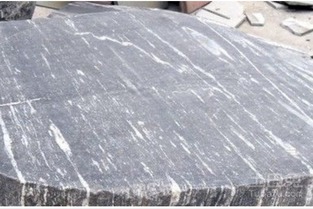
Beyond its stain resistance, artificial marble often boasts superior scratch and impact resistance compared to its natural counterpart. While natural marble can chip or scratch with significant force, engineered stone is formulated to withstand the rigmarole of everyday life. Dropping a pot, sliding a heavy appliance, or the enthusiastic play of children are less likely to leave their mark on this robust material. This enhanced durability translates into a longer lifespan for your surfaces, ensuring that your investment continues to look stunning for years to come.
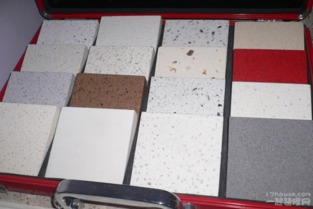
The versatility of artificial marble extends beyond its physical properties to its aesthetic possibilities. While it masterfully emulates the look of natural marble, it doesn’t stop there. Manufacturers can create an astonishing array of colors, patterns, and finishes, offering a much broader spectrum of design choices than what is available from Mother Nature. Whether you’re dreaming of classic white Carrara, dramatic Calacatta gold, or a bold, contemporary hue, artificial marble can likely deliver. Furthermore, the manufacturing process allows for the creation of unique designs that don’t exist in nature, opening up a world of creative expression for designers and homeowners. You can achieve the look of exotic granites, sleek concrete, or even vibrant, abstract patterns, all within the engineered stone framework. This adaptability makes it a flexible solution for a wide range of interior design styles, from minimalist chic to opulent maximalism.
The environmental aspect is also worth considering. While the production of engineered stone does involve manufacturing processes, the consistency in its sourcing and production can lead to more predictable environmental impacts compared to the often extensive mining and transportation required for natural stone. Moreover, the durability of artificial marble means that it is less likely to need replacement over its lifespan, reducing the overall material consumption and waste generated in the long run. Many manufacturers are also increasingly focusing on sustainable practices, utilizing recycled materials and more eco-friendly resins in their production, further enhancing its appeal for the environmentally conscious consumer. The ability to achieve a high-end look with potentially a lighter environmental footprint is a significant advantage in today’s world.
In summary, the advantages of artificial marble are numerous and compelling. Its consistent appearance, superior durability, stain and scratch resistance, low maintenance, and unparalleled design versatility make it a formidable contender in the realm of surfacing materials. For those seeking the luxurious aesthetic of marble without the inherent practical challenges, engineered stone presents a highly attractive and practical solution, promising enduring beauty and effortless upkeep for the modern home.
While the allure of artificial marble is undeniable, it’s crucial to approach any material choice with a balanced perspective. Just as natural marble has its drawbacks, engineered stone also comes with its own set of limitations that are important to understand before making a commitment. Ignoring these potential pitfalls could lead to disappointment down the line, transforming your dream kitchen into a source of frustration.
One of the most significant considerations when it comes to artificial marble is its heat resistance. Unlike some natural stones or solid surfaces, engineered stone can be susceptible to thermal shock. This means that placing extremely hot pots, pans, or baking sheets directly onto the surface can cause discoloration, cracking, or even delamination (where the resin layer separates from the mineral particles). While it can withstand a reasonable amount of heat, it’s not impervious. The resins that give artificial marble its strength and consistency are also its Achilles’ heel when it comes to extreme temperatures. Therefore, using trivets, hot pads, and heat-resistant mats is not just a recommendation but a necessity for maintaining the integrity and appearance of your engineered stone surfaces. This is a stark contrast to some natural stones like granite, which generally boast higher heat tolerance. For homeowners who frequently engage in high-heat cooking and tend to place hot items directly on their countertops, this is a factor that requires careful consideration and a commitment to diligent use of protective measures.

Another point of contention can be the issue of seams. While manufacturers strive for seamless integration, especially with lighter colors, it’s important to acknowledge that artificial marble is often fabricated in slabs. Depending on the size and layout of your space, seams may be unavoidable. While skilled fabricators can minimize their visibility, especially when using materials with consistent patterns, seams can still be noticeable, particularly in busy or patterned designs. These seams can also be potential weak points for staining or harboring bacteria if not properly sealed and maintained. The way the resin binds the particles can sometimes lead to a slightly different texture or sheen at the seam, which, while subtle, can be discernible to the discerning eye. For those who dream of a completely monolithic surface, especially in very large kitchen islands, engineered stone might present a visual compromise.
While artificial marble is lauded for its stain resistance, it’s not entirely invincible. Certain chemicals, particularly harsh solvents or strong acids, can damage the resin binder or dull the finish. Bleach, ammonia, and oven cleaners, for instance, should be used with extreme caution or avoided altogether. Even though it’s non-porous, prolonged exposure to certain aggressive cleaning agents can still compromise the surface. This means that while daily cleaning is easy, the choice of cleaning products still matters. Opting for mild, pH-neutral cleaners is always the safest bet to preserve the longevity and appearance of your engineered stone. This requires a slight shift in cleaning habits for some, moving away from the more robust, heavy-duty cleaning solutions that might have been used on older countertops.
The cost of artificial marble can also be a factor. While it often presents a more budget-friendly option compared to high-end natural marbles like Calacatta or Statuario, it can still be a significant investment, especially when considering premium brands and complex fabrication. The price point can vary widely depending on the manufacturer, the complexity of the pattern and color, and the thickness of the slab. It’s crucial to get detailed quotes from reputable fabricators and to understand what is included in the price, such as installation, edge profiles, and cutouts for sinks and faucets. Comparing prices with other materials, including high-quality laminates, solid surfaces, and even some natural stones, is an essential part of the decision-making process to ensure you’re getting the best value for your budget.
While artificial marble can mimic the look of natural stone, it sometimes lacks the unique depth, character, and subtle variations that make natural marble so captivating. The perfect uniformity, which is often a selling point, can also be perceived as artificial by those who appreciate the organic imperfections and natural artistry of quarried materials. The “soul” of the stone, if you will, might be more readily apparent in a piece of natural marble that has been shaped by geological forces over millennia. For some, the slight variations in color, veining, and texture of natural stone are precisely what imbue a space with warmth and authenticity. Engineered stone, by its very nature, is a manufactured product, and while it can be a remarkable imitation, it may not satisfy those who are seeking an entirely natural, unadulterated aesthetic.
Finally, although engineered stone is generally durable, it’s not immune to damage. While it’s resistant to many common issues, significant impact or improper handling can still lead to chips or cracks. Repairing these can be more complex and less seamless than with some other materials. Depending on the extent of the damage and the color and pattern of the stone, a repair might be noticeable, detracting from the overall aesthetic. This underscores the importance of careful handling and installation, ensuring that the material is supported properly, especially around sinks and cooktops, which are areas of potential stress.
In conclusion, while artificial marble offers a compelling blend of beauty, durability, and practicality, it’s essential to weigh its advantages against its disadvantages. Its sensitivity to extreme heat, potential for visible seams, need for specific cleaning agents, cost considerations, and the inherent difference in character compared to natural stone are all factors that warrant careful consideration. By understanding these limitations, you can make an informed decision and ensure that your choice of surfacing material truly aligns with your lifestyle, design aspirations, and expectations for longevity and performance.









