
The gleam of marble has captivated humanity for millennia. From the majestic statues of ancient Greece to the opulent countertops of modern kitchens, its natural beauty, veined with intricate patterns and cool to the touch, has always signified luxury and timeless elegance. However, the very qualities that make natural marble so desirable—its rarity, its unique formation over geological ages, and its often-significant cost—can also present practical challenges for many. Enter artificial marble, a material that endeavors to capture the essence of its natural counterpart while offering a suite of modern advantages. This engineered stone, often referred to by terms like engineered quartz or solid surface, is a testament to human ingenuity, a calculated blend of natural minerals, resins, and pigments designed to mimic and, in some ways, surpass the performance of traditional marble.

One of the most compelling arguments for artificial marble lies in its unparalleled design versatility. Natural marble, while stunning, is subject to the whims of geological processes. Its patterns are unique, yes, but they are also finite and often unpredictable. For designers and homeowners striving for a specific aesthetic, finding the perfect slab of natural marble can be a lengthy and sometimes fruitless quest. Artificial marble, on the other hand, offers a controlled palette. Manufacturers can precisely replicate the most sought-after veining patterns of Carrara, Calacatta, or Statuario, ensuring consistency from slab to slab. Beyond mere replication, they can also innovate, creating entirely new visual narratives. Imagine vibrant hues, bold geometric patterns, or surfaces that shimmer with embedded metallic flecks – possibilities that are virtually limitless with engineered materials. This control extends to finishes, too; artificial marble can be polished to a high gloss, honed to a sophisticated matte, or even textured to resemble other natural stones, offering a level of customization that natural marble simply cannot match. This adaptability makes it a dream material for architects and interior designers looking to realize ambitious and unique visions, from sleek minimalist kitchens to dramatic, avant-garde bathrooms.
Beyond its aesthetic flexibility, artificial marble often presents a more accessible price point than its natural counterpart. The extraction and transportation of natural marble are resource-intensive processes. Quarrying large slabs can be costly, and the risk of breakage during transit adds further expense. Furthermore, the inherent imperfections and the need to select specific, high-grade slabs can drive up prices considerably. Artificial marble, produced in controlled factory environments using more readily available raw materials, typically offers significant cost savings. This does not mean it is cheap; high-quality engineered stone can still represent a considerable investment. However, the predictability of its manufacturing process and the efficient use of materials often translate into a more budget-friendly option, allowing more people to achieve the luxurious look of marble without breaking the bank. This democratization of design means that beautiful, durable surfaces are within reach for a wider range of projects, from high-end renovations to more modest upgrades.
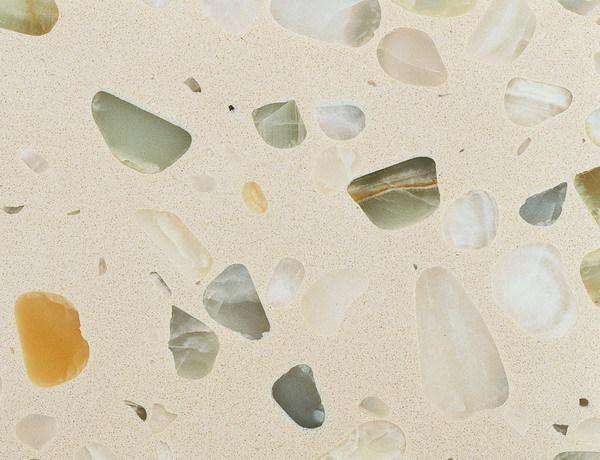
The practical advantages of artificial marble extend to its performance characteristics, particularly in terms of maintenance and durability. Natural marble, while beautiful, is a relatively porous material. It is susceptible to staining from acidic substances like wine, lemon juice, or vinegar, and it can etch when exposed to harsh chemicals, leading to dull spots that are difficult to repair. Regular sealing is often recommended to mitigate these issues, adding another layer of upkeep. Artificial marble, particularly engineered quartz, is non-porous. This makes it highly resistant to stains, spills, and the growth of bacteria and mold. Cleaning is typically as simple as wiping it down with soap and water. The resin binders used in its construction also contribute to its resilience. Engineered quartz, for instance, is exceptionally hard and resistant to scratches and chips, making it an ideal choice for high-traffic areas like kitchen countertops and bathroom vanities. This low-maintenance aspect is a significant draw for busy households or commercial spaces where durability and ease of care are paramount. The consistent quality and engineered properties mean fewer surprises and less worry about the long-term integrity of the surface.
Moreover, the environmental considerations surrounding artificial marble are becoming increasingly important. While the extraction of natural stone has its own environmental impact, the production of artificial marble also requires energy and resources. However, many manufacturers are focusing on sustainable practices. Some engineered quartz products, for instance, incorporate recycled materials like glass or mirrors, diverting waste from landfills. The precise manufacturing process can also lead to less material waste compared to the often-uneven yields from natural stone quarries. Furthermore, the longevity and durability of artificial marble mean it may need to be replaced less frequently than other materials, contributing to a more sustainable lifecycle for building materials. The ability to produce consistent, high-quality material without the extensive logistical challenges of quarrying and transporting heavy natural stone can also reduce the carbon footprint associated with the material’s journey from production to installation. This growing focus on eco-friendly manufacturing and recycled content positions artificial marble as a material that can align with environmental consciousness.

While the advantages of artificial marble are compelling, it’s crucial to approach this material with a balanced perspective, acknowledging its potential shortcomings. One of the primary concerns often raised pertains to its durability, particularly in comparison to natural stone, and the nuances of its composition. Not all artificial marbles are created equal. Broadly speaking, they fall into a few categories, including engineered quartz and solid surfaces. Engineered quartz, composed of around 90-95% natural quartz crystals bound together with polymer resins and pigments, is exceptionally hard and durable. However, solid surfaces, often made from acrylic or polyester resins and mineral fillers, can be softer and more susceptible to scratching and heat damage. While both can mimic the look of marble, their performance characteristics can differ significantly. This means that a buyer needs to be aware of the specific type of artificial marble they are considering, as a general assumption of “artificial marble is durable” might not always hold true.
One of the most debated aspects of artificial marble, particularly engineered quartz, is its resistance to heat. While it is generally more heat-resistant than many natural stones like granite, it is not entirely impervious to thermal shock. Placing extremely hot pots or pans directly onto the surface, especially if they have a concentrated point of heat, can cause discoloration or even cracking. The resins in the composition can break down or scorch under intense, direct heat. This is why it is almost universally recommended to use trivets and hot pads, even with the most heat-resistant engineered quartz. Natural marble, while prone to etching, might show damage from heat in a different way, but the potential for permanent damage from extreme heat is a significant consideration for artificial marble, especially in kitchens where hot cookware is a daily occurrence. This isn’t to say it’s fragile, but it demands a different kind of care than one might expect from a material that looks so robust.
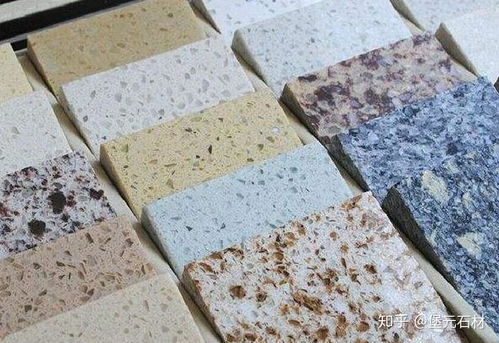
Another point of consideration is the aesthetic authenticity and potential for an “unnatural” look, depending on the quality and manufacturing process. While manufacturers strive for realism, sometimes the repetition of patterns in some lower-quality engineered stones can betray their man-made origins. In very large installations, the identical nature of the veining might become apparent, lacking the unique, organic variations that characterize natural marble. Furthermore, the resins used in artificial marble can, over time, be susceptible to UV damage, especially in direct sunlight. This can lead to fading or yellowing, particularly in lighter-colored materials. While this is less of an issue for indoor countertops, it can be a concern for outdoor applications or areas with significant sun exposure. Natural marble, while susceptible to etching and staining, does not typically fade or yellow due to sunlight in the same way. The deep, rich colors and unique geological patterns of natural stone often possess an enduring, timeless quality that engineered materials can sometimes struggle to perfectly replicate.
The repairability of artificial marble also presents a mixed bag. While engineered quartz is incredibly hard and resistant to most surface damage, when it does chip or crack, the repair can be more challenging to make seamless. Because the color and pattern are often on the surface or throughout the material in a very uniform way, a deep chip or scratch might reveal a different color underneath, making a perfectly invisible repair difficult. Solid surfaces, on the other hand, are often more forgiving when it comes to repairs. Because they are homogenous all the way through, scratches and chips can often be sanded out and buffed to blend seamlessly, a significant advantage for this type of material. However, this repairability often comes at the cost of the extreme hardness and heat resistance found in engineered quartz. So, the ease of repair is heavily dependent on the specific type of artificial marble, adding another layer of complexity to the decision-making process.

Finally, while sustainability is often cited as an advantage, it’s important to acknowledge the manufacturing process. The creation of resins and the energy required for the manufacturing of engineered stone are not without their environmental footprint. While advancements are being made, particularly with recycled content, the production still involves chemical processes and energy consumption. The long-term environmental impact of disposing of these composite materials also needs consideration. Unlike natural stone, which is essentially a mineral, the resins in artificial marble might pose different challenges for recycling or biodegradation. Therefore, while it can offer sustainable advantages in certain contexts, a comprehensive life-cycle assessment is important for a truly informed decision. When weighed against natural stone, the “better” choice often depends on a variety of factors, including sourcing, transportation, and the specific manufacturing processes employed by individual companies. In conclusion, artificial marble offers a captivating blend of aesthetics and practicality, but understanding its specific composition, performance limitations, and the nuances of its production is key to making an informed and satisfying choice for any design project.









