
H1: Engineered Marble: Pros, Cons, and Practical Guide
H2: What Is Engineered Marble?
H3: Composition and Manufacturing
H4: Materials Used
H4: Production Process
H3: How It Differs From Natural Marble
H2: Advantages (Pros)
H3: Aesthetic Versatility
H4: Color and Pattern Freedom
H4: Uniform Quality
H3: Non-Porous Surface
H4: Hygiene Benefits
H4: Low Maintenance
H3: Durability and Convenience
H4: Stain Resistance
H4: Batch Consistency
H3: Price and Availability
H4: Market Accessibility
H4: Price Comparison With Marble
H2: Disadvantages (Cons)
H3: Heat Sensitivity
H4: Practical Implications
H3: Scratching and Abrasion
H4: Real-Life Kitchen Use
H3: Environmental Considerations
H4: Resin Content
H4: Recyclability
H3: Outdoor and UV Considerations
H2: Finishes and Customization
H3: Polished, Honed, and Textured Finishes
H4: Pros and Cons Of Each
H3: Veining Styles and Realism
H4: Pattern Options
H2: Applications and Use Cases
H3: Residential Kitchen Countertops
H4: Edge Profiles and Seam Visibility
H3: Bathrooms and Shower Areas
H4: Slippery Surfaces and Safety
H3: Commercial Spaces
H2: Maintenance and Care
H3: Cleaning and Daily Care
H4: What To Use And Avoid
H3: Repairs and Longevity
H4: Minor Scratches and Repair Options
H2: Cost, ROI, And Longevity
H3: Price Ranges
H3: Longevity and Warranties
H2: Buying Guide
H3: How To Choose A Brand
H4: Certification And Warranty
H3: What To Ask Vendors
H2: Common Myths And Reality
H3: Myth: It’s Indestructible
H3: Myth: It Never Requires Maintenance
H2: Conclusion
H4: Final Takeaway
H2: FAQs
Part 2: The Article
Engineered Marble: Pros and Cons
Introduction
Engineered marble sits at the crossroads of beauty, practicality, and budget. If you’ve ever stood in a kitchen showroom stare-down between natural marble and engineered alternatives, you know the decision isn’t simply about looks. It’s about performance, maintenance, and long-term value. In this guide, we’ll unpack what engineered marble is, how it’s made, and why it might be the right (or wrong) choice for your project. Think of it as a friendly playbook for homeowners, designers, and builders who want honest, actionable insights.

What Is Engineered Marble?
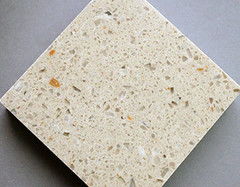
Engineered marble is a man-made surface created by combining marble dust or quartz aggregate with a resin binder, pigments, and sometimes recycled materials. The mix is formed into slabs, cured, and polished to resemble natural marble but with controlled patterns and improved consistency. The result is a countertop, vanity, or wall panel that mimics the luxury of marble without some of the drawbacks that come with pure natural stone.
Composition and Manufacturing
Behind the glossy finish you see in showroom photos lies a careful recipe. The key elements are:
- Marble dust or crushed stone as the aggregate, which provides the “marble” look and feel.
- A resin binder (often unsaturated polyester, acrylic, or a similar polymer) that holds the mix together and determines the surface’s hardness and flexibility.
- Pigments and, in some cases, recycled glass or stone fragments for accent touches.
- Optional additives to improve workability, UV resistance, or stain resistance.
The process typically involves mixing these components, casting them into large slabs, curing under heat and pressure, and finally polishing or honing the surface to the desired finish.
Materials Used
- Marble dust or crushed stone: creates the marble aesthetic.
- Resin binder: provides structure, non-porosity, and a surface that is easier to maintain than natural stone.
- Pigments: allow for a broad palette of colors and veining patterns.
- Optional layers or fillers: adjust density and texture.
Production Process
- Mixing and pouring into molds or slabs.
- Curing in controlled temperatures to harden the resin.
- Sanding, grinding, and polishing to achieve a uniform surface.
- Application of edge profiles and final quality checks.
How It Differs From Natural Marble
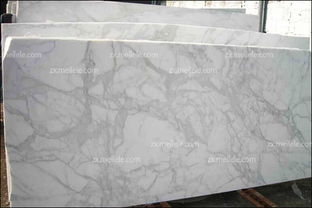
- Consistency: Engineered marble offers uniform color and veining across slabs, while natural marble features unique, unpredictable patterns.
- Porosity: Engineered marble is non-porous or low-porosity, making it more stain-resistant than many natural marbles.
- Heat tolerance and hardness: Engineered marble can be engineered to be harder and less prone to quantifiable wear in some formulations, but it’s not heat-proof or scratch-proof like some other options.
- Repairability: Minor scratches can sometimes be addressed with refinishing, while natural marble may require more extensive restoration.
Advantages (Pros)
Aesthetic Versatility
Color and Pattern Freedom
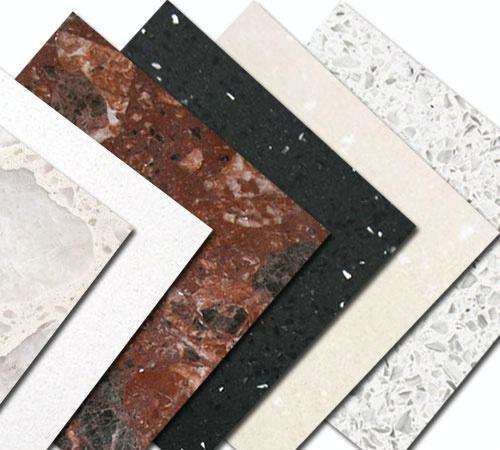
Engineered marble comes in a wide range of colors and veining patterns. You can pick a tone that matches cabinetry, backsplashes, and flooring with precision. The controlled production process means you’re less likely to encounter a dramatic color shift from slab to slab.
Uniform Quality
With a consistent composition, you often get similar slabs across orders. No dramatic color pockets or warping—just dependable predictability for large projects.
Non-Porous Surface
Hygiene Benefits
A non-porous surface resists liquids seeping in, which helps deter bacteria and stains. For kitchens and bathrooms, this is a big deal for cleanliness and peace of mind.
Low Maintenance
Daily upkeep can be as simple as a wipe with mild soap and water. You don’t typically need periodic sealants, like some natural stones require.
Durability and Convenience
Stain Resistance
Because liquids sit on the surface rather than soaking in, spills are easier to clean. This makes engineered marble a practical choice for busy kitchens and family bathrooms.
Batch Consistency
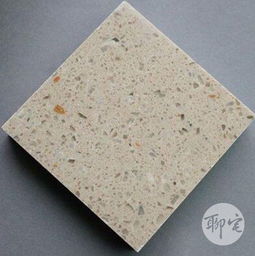
If you’re installing multiple countertops or big surfaces, consistency across slabs means fewer surprises during installation and a more cohesive look.
Price and Availability
Market Accessibility
Engineered marble tends to be more readily available from a range of manufacturers and distributors, especially for common sizes and profiles.
Price Comparison With Marble
In many markets, engineered marble can be more affordable than high-end natural marble, offering a similar visual without the premium price tag.
Disadvantages (Cons)
Heat Sensitivity
Engineered marble isn’t immune to heat. Prolonged exposure to hot pots, pans, or high heat can cause discoloration or burn marks in some formulations. A hot pad or trivet is still a good habit, even if you’re dealing with a newer, more heat-tolerant resin.
Scratching and Abrasion
Sharp objects or abrasive pads can scratch the surface over time. While some finishes resist scratches better than others, it’s wise to use cutting boards and avoid dragging heavy objects across the surface.
Environmental Considerations
Resin Content
The resin binder is a petroleum-based product in many formulations, which raises questions for eco-conscious buyers. Some manufacturers are moving toward more sustainable binders and recycled content, but you’ll want to verify the specifics for the product you choose.
Recyclability
At the end of its life, engineered marble can be more challenging to recycle than some solid-surface options. Check with manufacturers about take-back programs or local recycling pathways.
Outdoor and UV Considerations
Most engineered marbles aren’t designed for prolonged outdoor exposure. UV light and weathering can lead to fading or surface degradation in some formulations, so outdoor installations are generally not recommended unless specifically rated for exterior use.
Finishes and Customization
Polished, Honed, and Textured Finishes
- Polished finishes shine and highlight depth and veining; they’re easy to clean but show smudges and water spots.
- Honed finishes are matte and less reflective; they hide fingerprints better but can show etching from acidic spills.
- Textured finishes (slightly brushed or suede-like) offer a unique feel and can help hide minor imperfections.
Pros and Cons Of Each
Each finish affects slip resistance, maintenance, and the perceived depth of color. Consider how your kitchen or bathroom light behaves with each finish before deciding.
Veining Styles and Realism
Engineered marble can imitate natural veining with high realism or opt for bolder, more stylized patterns. Your choice can drastically influence the room’s mood, from serene to dramatic.
Applications and Use Cases
Residential Kitchen Countertops
In homes, engineered marble is a popular choice for islands, counters, and wet bars. It’s visually appealing and relatively easy to maintain, which matters when you’re juggling cooking, meals, and family life.
Edge Profiles and Seam Visibility
Common edge profiles (square, eased, Ogee, etc.) affect the final look and maintenance needs. Seams are typically visible in long runs, so plan layout and procurement accordingly.
Bathrooms and Shower Areas
The non-porous surface resists water and stains in baths and showers. It can be used for vanity tops, shower walls, and niche accents. However, ensure proper sealing at joints to prevent moisture from seeping into substrate gaps.
Commercial Spaces
Retail, hospitality, and office spaces often opt for engineered marble for its aesthetic appeal and practical maintenance. High-traffic areas demand careful finish selection and regular cleaning protocols.
Maintenance and Care
Cleaning and Daily Care
Use a soft cloth or sponge with a mild, pH-neutral cleaner. Avoid acidic or highly abrasive cleaners that can dull the surface or erode the resin binder over time.
What To Use And Avoid
- Use: mild dish soap, water, and a soft microfiber cloth.
- Avoid: strong acids (like lemon juice) in prolonged contact, bleach-based cleaners, and abrasive pads.
Repairs and Longevity
Small scratches can sometimes be buffed out with a polishing compound, but deeper damage might require professional refinishing or panel replacement. The longevity of engineered marble is typically strong with proper use, but it isn’t immune to wear in high-heat, high-scratch environments.
Cost, ROI, And Longevity
Price Ranges
Costs vary by brand, thickness, pattern, and finish. Generally, engineered marble sits in a mid-to-upper-mid price range, often cheaper than premium natural marble but more expensive than basic solid surfaces in some markets.
Longevity and Warranties
Many manufacturers offer warranties covering manufacturing defects and surface performance for a set number of years. Understanding what’s covered (and what isn’t) helps you gauge long-term value.
Buying Guide
How To Choose A Brand
- Look for warranty terms, available thickness, and edge profiles.
- Check for certifications or third-party testing that speaks to durability and safety.
- Review color consistency across slabs and the reputation of the supplier.
Certification And Warranty
Certifications related to indoor air quality, food safety, and standard compliance can be meaningful signals. Warranties vary; read the fine print to know coverage for staining, fading, and finish.
What To Ask Vendors
- What finishes are available for your project, and how do they handle seams?
- What is the expected performance under heat, impact, and UV exposure (for outdoor or sunny placements)?
- Are there recommended cleaners and maintenance routines from the manufacturer?
Common Myths And Reality
Myth: It’s Indestructible
Reality: Engineered marble is durable but not indestructible. Heat, sharp impacts, and heavy abuse can damage the surface.
Myth: It Never Requires Maintenance
Reality: While low-maintenance compared to some natural stones, it still benefits from proper care to extend life and preserve aesthetics.
Conclusion
Engineered marble offers a compelling blend of beauty, practicality, and cost-effectiveness. It can deliver the timeless look of marble with a more predictable performance, but it isn’t a one-size-fits-all solution. If you’re prioritizing a non-porous surface, broad color choices, and a product that’s easy to live with day to day, engineered marble is worth a serious look. On the other hand, if you routinely expose surfaces to extreme heat, heavy cuts, or intense outdoor UV, you may want to weigh alternative materials or specify a product designed for those conditions. In the end, the right choice comes down to your lifestyle, design goals, and how you balance aesthetics with long-term practicality.
FAQs
1) Is engineered marble heat-resistant enough for a busy kitchen?
- It’s not heat-proof. Use trivets and avoid placing hot pots directly on the surface; prolonged heat exposure can cause discoloration or damage.
2) Can I cut directly on engineered marble countertops?
- It’s not recommended. Use a cutting board to protect the surface from scratches and edge chips.
3) Does engineered marble stain easily?
- Generally, its non-porous surface resists staining better than many natural stones, but acidic or highly pigmented substances can leave marks if left for extended periods.
4) How long does engineered marble typically last?
- With proper care and in typical domestic conditions, it can last many years, often matching the lifespan needs of a kitchen or bathroom countertop.
5) Is engineered marble an eco-friendly choice?
- It depends. Resin binders and energy used in production matter. Some brands are moving toward recycled content or greener binders, so check product-specific sustainability details and certifications.









