
The gleaming, pristine surface of an artificial marble countertop has graced countless kitchens and bathrooms, promising durability, aesthetic appeal, and a touch of luxury without the hefty price tag of its natural counterpart. But as we become increasingly conscious of the materials that surround us in our homes, a whisper of concern has begun to surface: are these engineered marvels potentially harboring a hidden danger? The question, “人造大理石台面有毒吗” (Are artificial marble countertops toxic?), echoes in the minds of many homeowners, renovators, and design enthusiasts. It’s a valid concern, one that delves into the very composition of these popular surfaces and their potential impact on our well-being.

To understand the potential toxicity, we first need to understand what artificial marble, often referred to as engineered stone or quartz countertops, actually is. Unlike natural marble, which is quarried directly from the earth, artificial marble is a manufactured product. Its primary component is natural quartz, a hard, crystalline mineral, typically making up around 90-95% of the material. This quartz is then bound together with a resin binder, usually a polyester or acrylic resin, which accounts for the remaining 5-10%. Pigments are added to achieve a vast spectrum of colors and patterns, mimicking the natural beauty of marble, granite, and other stones, or creating entirely new aesthetic possibilities.
The manufacturing process involves crushing the quartz into small particles, mixing it with the resin and pigments, and then compressing and heating this mixture under vacuum. This creates a dense, non-porous slab that is incredibly durable, resistant to stains, scratches, and heat. It’s this very engineered nature, the presence of synthetic resins and additives, that sparks the toxicity debate.

The primary concern revolves around Volatile Organic Compounds (VOCs). VOCs are a group of chemicals that are emitted as gases from various products and substances, including paints, cleaning supplies, and, yes, certain building materials. In the context of artificial marble, the resin binder is the main source of potential VOC emissions. During the manufacturing process and for a period afterward, uncured or partially cured resins can release these compounds into the air. Formaldehyde is one such VOC that can be present in some resins. While formaldehyde is naturally occurring in small amounts in our environment, elevated levels in indoor air have been linked to a range of health issues, including respiratory problems, headaches, dizziness, and in more severe cases, it’s a known carcinogen.
It’s important to note that the level of VOC emissions can vary significantly depending on the specific manufacturing process, the type of resin used, and the quality control measures implemented by the manufacturer. Reputable manufacturers are increasingly focused on producing low-VOC or even zero-VOC artificial marble. They achieve this through advancements in resin technology, ensuring thorough curing of the material, and rigorous testing. The industry is, in many ways, self-regulating to a degree, with standards and certifications emerging to assure consumers of product safety.
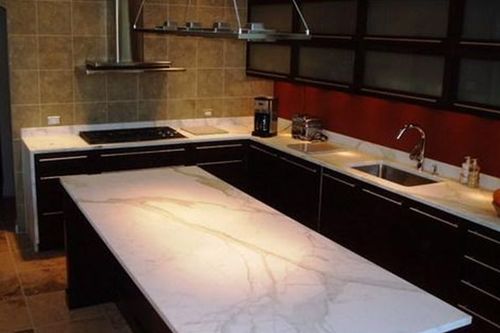
However, the potential for VOC release, especially in newer installations, is a legitimate point of consideration. When you first install a new countertop, particularly in a smaller, less ventilated space like a bathroom or a compact kitchen, you might notice a faint chemical odor. This is often the residual off-gassing of VOCs. For most people, this odor dissipates within a few days or weeks as the material fully cures and the VOCs are released. The concentration of these emitted compounds in the air typically falls below levels that would cause immediate, acute health problems.
The scientific consensus on the long-term health effects of typical VOC emissions from artificial marble countertops, when installed in a well-ventilated environment, generally points to low risk for the average healthy individual. Regulatory bodies and health organizations often set guidelines for acceptable indoor air quality, and most certified artificial marble products fall within these parameters. The key often lies in proper installation and good ventilation practices. Ensuring your kitchen and bathroom are well-ventilated, especially during and immediately after the installation of new surfaces, can significantly mitigate any potential exposure.
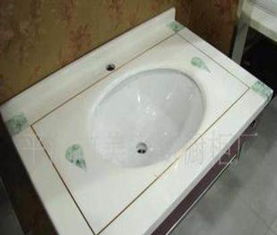
Furthermore, the argument for the safety of artificial marble extends to its non-porous nature. Unlike natural stone, which can absorb liquids and harbor bacteria, the resin binder in artificial marble creates a surface that is highly resistant to moisture and microbial growth. This makes it incredibly hygienic, a significant advantage in kitchen environments where food preparation is constant. This inherent cleanliness can be seen as a health benefit in itself, reducing the risk of foodborne illnesses.
So, while the question of toxicity is complex and warrants careful consideration, it’s not a simple yes or no answer. The potential for VOC emission exists, primarily due to the resin binders. However, the risk is generally considered low for products from reputable manufacturers, especially when proper ventilation is maintained. The industry’s move towards lower-emission products and increasing transparency in material composition are positive trends that empower consumers to make more informed choices. The allure of a beautiful, durable, and relatively affordable countertop shouldn’t be overshadowed by unsubstantiated fears, but neither should potential concerns be dismissed outright. Understanding the materials, the manufacturing process, and the importance of product certifications is the first step in ensuring that your chosen countertop is not only aesthetically pleasing but also a safe and healthy addition to your home.

Continuing our exploration into the world of artificial marble countertops and the question of their potential toxicity, it’s crucial to delve deeper into the factors that influence safety and what proactive measures consumers can take. While the initial concern often stems from the presence of resins and potential VOCs, a nuanced understanding reveals a landscape where advancements in manufacturing and increasing consumer awareness are shaping a safer market.
The term “artificial marble” itself can be a bit of a catch-all, encompassing various types of engineered stone. The most prevalent form, and often the one prompting the toxicity question, is engineered quartz. As discussed, this is primarily composed of natural quartz crystals bound with polymer resins. However, there are other “artificial” or “composite” stone products on the market that might use different binders or fillers, and their safety profiles could vary. It’s therefore essential to be specific about what you’re asking about. When referring to engineered quartz, the resins are the primary focus of scrutiny.
The concentration of VOCs, particularly formaldehyde, is the central concern. While some studies have detected formaldehyde in certain engineered stone products, the levels are often very low and decrease significantly over time. The key is to differentiate between potential for emission and actual risk. For a chemical to pose a health risk, there needs to be a sufficient level of exposure over a prolonged period. In a well-ventilated kitchen, the concentration of VOCs released from a properly cured artificial marble countertop is unlikely to reach levels that cause immediate health effects.
The industry has made significant strides in addressing these concerns. Manufacturers are increasingly investing in research and development to create resins with lower VOC content and to optimize curing processes to ensure maximum resin polymerization. This means that the “freshness” of the off-gassing period is often shorter and the emissions are less potent than in older formulations. Look for products that have certifications from reputable organizations. For instance, GREENGUARD certification, which identifies products that have been tested for harmful substances and contribute to healthier indoor environments, is a strong indicator of a manufacturer’s commitment to low emissions. Similarly, certifications related to formaldehyde emissions, such as those from the California Air Resources Board (CARB) or European standards, can provide reassurance.
Beyond product certifications, the installation process plays a significant role. When your new countertops are installed, ensure that the area is well-ventilated. Open windows and doors, use exhaust fans, and if possible, avoid spending extended periods in the immediate vicinity during the initial days after installation. This is particularly important in smaller, enclosed spaces. Over time, as the material fully cures and any residual VOCs dissipate, the air quality will normalize.
It’s also worth considering the context of other common household items. Many everyday products, from furniture and flooring to cleaning supplies and air fresheners, can also be sources of VOCs. When evaluating the overall indoor air quality of your home, it’s important to take a holistic view rather than focusing solely on one specific material. Artificial marble, when manufactured to high standards and properly installed, often contributes less to indoor VOC levels than many other common household products.
Furthermore, the durability and low maintenance of artificial marble offer distinct advantages. Its non-porous nature means it doesn’t require regular sealing, unlike natural stone. This eliminates the need for chemical sealants, which can themselves be a source of VOCs. The ease of cleaning with mild soap and water also reduces the reliance on harsh chemical cleaning agents, further contributing to a healthier indoor environment. The longevity of these countertops also means they are a more sustainable choice in the long run, reducing the need for frequent replacements.
For those who remain concerned or have specific sensitivities, there are always alternatives. Natural stone countertops like granite or marble, while beautiful, have their own set of considerations, including porosity and the need for sealing. Solid surface materials, like acrylic-based countertops, are another option that can be seamless and non-porous, but their composition differs from engineered stone. For the most discerning, materials like stainless steel or butcher block offer different aesthetic and functional benefits. The choice of countertop material is ultimately a personal one, balancing aesthetics, functionality, budget, and perceived health risks.
In conclusion, the question of whether artificial marble countertops are toxic is not a simple binary. While the presence of resin binders means there’s a potential for VOC emissions, particularly formaldehyde, the risk is generally considered low for products from reputable manufacturers, especially with proper ventilation. The industry is continuously evolving, with a growing emphasis on low-emission products and transparent certifications. By understanding the materials, seeking out certified products, ensuring good ventilation, and considering the broader context of indoor air quality, consumers can confidently make informed decisions about incorporating these beautiful and practical surfaces into their homes. The goal is to enjoy the aesthetic and functional benefits of artificial marble without compromising on health or peace of mind.









