
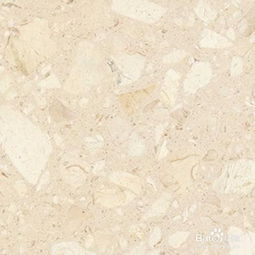
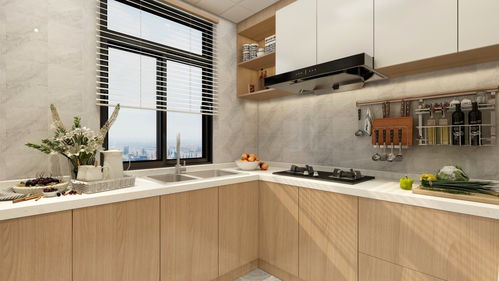
The gleam of artificial marble countertops can truly elevate a space, lending an air of sophistication and practicality to any kitchen or bathroom. Their durability and aesthetic appeal make them a popular choice for homeowners. However, like any hardworking surface, they can, unfortunately, fall victim to the occasional spill and subsequent stain. The good news is that most common blemishes on artificial marble are not permanent scars but rather temporary inconveniences that can be addressed with the right approach. Understanding the nature of artificial marble is the first step in mastering its care. Unlike its natural counterpart, artificial marble, often referred to as engineered stone, is a composite material typically made from crushed quartz or marble, bound together with polymer resins, and pigments. This manufacturing process imbues it with a non-porous surface, which is a significant advantage in terms of stain resistance compared to natural stone. However, “non-porous” doesn’t mean “stain-proof.” Certain substances, especially those with strong pigments or acidic properties, can still penetrate the resin binder if left unattended, leading to discoloration.

Let’s tackle the most common culprits first. Coffee, tea, red wine, and fruit juices are notorious for leaving their mark. The pigments in these beverages can seep into the surface, especially if the resin binder has been compromised over time or if the initial seal (though often not required for engineered stone, the resin itself acts as a barrier) has weakened. For fresh spills, immediate action is your best friend. Blot, don’t wipe. Wiping can spread the stain and push it deeper into any microscopic fissures. Use a clean, absorbent cloth or paper towel to gently lift as much of the liquid as possible. Once the bulk of the spill is absorbed, a mild dish soap and warm water solution is your go-to for everyday cleaning. Apply the solution with a soft cloth, gently rub the affected area, and then rinse thoroughly with clean water. Drying the surface afterwards is also a good habit to prevent water spots, which can sometimes be mistaken for stains.
What about those stains that have had a bit more time to set in? For tougher, dried-on spills, a paste made from baking soda and water can be a remarkably effective, yet gentle, cleaning agent. Baking soda is a mild abrasive that can help lift the stain without scratching the surface. Mix baking soda with just enough water to form a thick paste, almost like toothpaste. Apply this paste directly to the stained area, covering it completely. You can then cover the paste with plastic wrap to keep it moist and allow it to work its magic for a few hours, or even overnight for stubborn marks. The baking soda will draw the stain out of the material as it dries. Once the paste has dried, gently scrape it away with a plastic scraper or an old credit card, and then clean the area with your standard dish soap and water solution. Rinse thoroughly and dry. This method is a fantastic DIY solution that avoids harsh chemicals.
Another common foe is grease and oil. Kitchens are magnets for these, whether from cooking splatters or everyday food preparation. For fresh grease stains, cornstarch or talcum powder can be incredibly helpful. Sprinkle a generous amount of cornstarch or talcum powder over the stain and let it sit for several hours, or overnight if possible. These powders are excellent at absorbing oil. After the time has passed, brush away the powder and clean the area with your mild dish soap and water. For more ingrained greasy marks, you might need to escalate slightly. A degreaser designed for kitchen use, or even a solution of ammonia and water (use with caution and ensure good ventilation), can be effective. However, always test any new cleaning product on an inconspicuous area first to ensure it doesn’t affect the finish of your artificial marble. When using ammonia, mix a small amount with water, apply to the stain with a soft cloth, let it sit for a few minutes, then rinse thoroughly and dry. Remember, ventilation is key when using ammonia.
Ink stains, from pens or markers, can also be a headache. For fresh ink marks, rubbing alcohol (isopropyl alcohol) can often do the trick. Apply a small amount of rubbing alcohol to a cotton ball or soft cloth and gently dab the stain. Work from the outside of the stain inwards to prevent spreading. You may need to repeat this process several times, using a fresh cotton ball each time, until the ink is lifted. Rinse the area with water afterwards and dry. For older, more stubborn ink stains, you might consider a specialized stain remover designed for engineered stone, or again, the baking soda paste method could be worth a try. Some people have also found success with a paste made from hydrogen peroxide and baking soda for particularly persistent ink or dye-based stains. Hydrogen peroxide has mild bleaching properties, so use it with caution and always test first.

It’s important to remember that artificial marble, while resilient, can still be susceptible to etching from acidic substances like lemon juice, vinegar, or harsh cleaning chemicals. While these may not always leave a visible stain, they can dull the surface’s shine. When cleaning, always opt for pH-neutral cleaners whenever possible. If you do use something slightly acidic, rinse it off immediately and thoroughly. The beauty of artificial marble is its relatively low maintenance, but a little proactive care and the right response to spills can go a long way in preserving its pristine appearance for years to come. So, don’t despair when you see a mark; arm yourself with these simple solutions, and you’ll be well on your way to keeping your countertops looking their absolute best.
Beyond the everyday spills, we sometimes encounter more challenging stains or a general dullness that can creep into even the most well-maintained artificial marble countertops. These might be discoloration from prolonged exposure to certain substances, heat marks, or simply a loss of that initial lustrous sheen. Let’s delve into some more advanced, yet still DIY-friendly, strategies to tackle these tougher issues and restore the former glory of your surfaces.
One common concern is water spots and mineral deposits, particularly in bathrooms or kitchens with hard water. These appear as cloudy or chalky marks on the surface. While not technically stains, they detract from the overall appearance. A simple solution often involves using a cleaner specifically designed for hard water stains or mineral deposits. Alternatively, a diluted solution of white vinegar (a mild acid) can be effective. Mix equal parts white vinegar and water, apply to the affected area with a soft cloth, let it sit for a few minutes (no longer than 5-10 minutes to avoid etching), and then scrub gently with a non-abrasive pad or sponge. Rinse thoroughly with clean water and dry completely. For very stubborn mineral buildup, you might need a specialized stone cleaner or a stronger solution of vinegar, but always proceed with caution and test first.
For darker, more persistent stains that resist the baking soda paste method, a poultice can be a highly effective technique. A poultice is essentially a paste designed to draw out deep-seated stains from porous materials. For artificial marble, you can create a poultice using an absorbent material mixed with a cleaning agent. Common absorbent materials include diatomaceous earth, kaolin clay (found in some commercial poultice powders), or even paper towels. For the cleaning agent, depending on the type of stain, you might use hydrogen peroxide for organic stains (like wine or coffee that have deeply penetrated) or a mild solvent for oil-based stains.
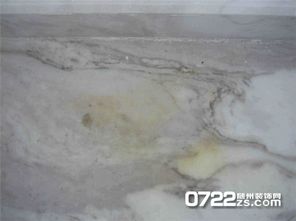
To make a poultice for organic stains: mix hydrogen peroxide with your chosen absorbent material until you have a thick, peanut-butter-like consistency. Apply this paste generously over the stained area, ensuring it extends about an inch beyond the stain’s edges. Cover the poultice with plastic wrap and tape down the edges to seal it. Poke a few small holes in the plastic wrap to allow for slow evaporation, which helps the poultice draw out the stain. Let it sit for 24 to 48 hours. As it dries, it will wick the stain from the stone into the absorbent material. Once completely dry, carefully remove the plastic wrap and scrape away the dried poultice with a plastic scraper. Clean the area with mild soap and water, rinse, and dry. You may need to repeat this process for very old or deep stains.
For oil-based stains, you would use a solvent like mineral spirits or acetone (nail polish remover) in place of hydrogen peroxide. Apply the solvent to the absorbent material to create the poultice paste. The application and drying process is the same as described for organic stains. Be sure to work in a well-ventilated area when using solvents and wear gloves to protect your skin. Again, test in an inconspicuous area first.
What about those dreaded heat marks or discolored rings left by hot pots and pans? While artificial marble is more heat-resistant than some materials, prolonged exposure to extreme heat can cause discoloration or even damage the resin binder. Unfortunately, heat marks are often more challenging to remove. Sometimes, a very fine-grade steel wool (0000 grade) can be used with extreme caution to gently buff out minor heat marks. However, this is a risky maneuver and can easily dull or scratch the surface if not done correctly. A safer approach for minor heat discoloration might be to try the baking soda paste or a specialized countertop polish. For significant heat damage, professional restoration might be necessary. Prevention is key here: always use trivets or hot pads under hot dishes.
Over time, even with diligent cleaning, the shine of your artificial marble countertops can diminish. This is often due to microscopic scratches and wear from daily use. To restore that showroom sparkle, consider using a specialized artificial marble or engineered stone polish. These polishes often contain very fine abrasives and fillers that fill in microscopic imperfections and leave a smooth, glossy finish. Apply the polish according to the product instructions, usually with a soft cloth, buffing it in circular motions. Some products might require a second buffing with a clean, dry cloth. For a deeper restore, some homeowners have had success with automotive polishing compounds, but extreme caution and testing are advised, as these can be more aggressive.
It’s also worth mentioning the importance of regular maintenance beyond just stain removal. A good quality sealant specifically designed for engineered stone, if recommended by the manufacturer, can add an extra layer of protection against stains and etching. While artificial marble is less porous than natural stone, a periodic reapplication of a sealant can enhance its resilience. Always check the manufacturer’s recommendations for your specific countertop material.
Finally, when all else fails, or if you’re dealing with a particularly stubborn or widespread issue, don’t hesitate to consult a professional stone restoration specialist. They have access to specialized tools, chemicals, and techniques that can address even the most challenging problems without damaging your countertops. Sometimes, a little professional intervention can save you a lot of frustration and ensure your artificial marble surfaces remain a beautiful focal point in your home for years to come. Remember, the key to maintaining the beauty of your artificial marble countertops lies in prompt action for spills, consistent gentle cleaning, and the strategic use of more intensive methods for tougher challenges.









