
Part 1: Outline (with HR tag before the outline)
Outline: How to Clean Stains on Engineered Marble Countertops
H1: Introduction to Engineered Marble Stains
H2: What is engineered marble?
H3: Differences between engineered and natural marble
H4: Common finishes and gloss levels
H2: Why engineered marble stains differently
H3: Porosity and resin-based protection
H4: How everyday spills interact with the surface
H2: Quick guidance for any spill
H3: Immediate steps after a spill
H4: Safe blotting techniques and what to avoid
H2: Cleaning basics for engineered marble
H3: Best daily cleaners (pH-neutral)
H4: Homemade options and when to use them
H4: Dilution ratios and test spots
H2: Stain-specific strategies
H3: Organic stains (coffee, tea, wine)
H4: Hydrogen peroxide method (and safety)
H4: Baking soda paste for organic stains
H3: Oil-based stains (grease, butter, lotion)
H4: Dish soap warm water method
H4: Absorbent powders and poultices
H3: Dye and pigment stains (colored sauces, red wine)
H4: Gentle bleach alternatives and cautionary notes
H4: Avoiding color transfer to adjacent areas
H2: Tough stains and when to call a pro
H3: Persistent stains that resist DIY methods
H4: When resurfacing or professional polishing is needed
H4: Sealing vs. re-sealing engineered marble (clarifying myths)
H2: Surface care to prevent future stains
H3: Routine cleaning routines
H4: Daily spill management and quick wipe rules
H4: Protective accessories (drain mats, coasters, trivets)
H2: Maintenance tricks for longevity
H3: Polishing vs. honing for gloss restoration
H4: Home polish products vs. professional services
H4: Scheduling maintenance with manufacturers
H2: Common mistakes to avoid
H3: Abrasive cleaners and scrub pads
H4: Mixing cleaners indiscriminately
H4: Waiting too long to address spills
H2: Troubleshooting guide
H3: Surface dullness vs. etching vs. staining
H4: How to identify etching and what to do about it
H2: DIY checklist for stain removal
H3: Step-by-step quick-start guide
H4: Safety tips and disposal
H2: FAQs (quick reference section)
H3: Quick answers to common questions
H4: Quick remedy recaps
Part 2: The Article (bold headings in Markdown)
How to Clean Stains on Engineered Marble Countertops
If you’ve got engineered marble countertops, you probably love their smooth look and practical vibe. But stains happen—coffee rings, splashes of wine, and the occasional grease mark can cloud that pristine surface. The good news is that with the right approach, most stains lift out without damaging the resin-based surface. This guide breaks down what stains tend to do on engineered marble, what to use (and avoid), and a practical, step-by-step plan to keep your counters looking fresh.

What is engineered marble and why it stains
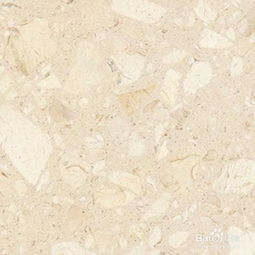
Engineered marble is a composite surface made by combining crushed marble with resins and pigments. It’s designed to mimic the beauty of natural marble while offering better durability and a non-porous surface. Because it’s resin-based, it resists staining more than natural stone, but it’s not stain-proof. Some pigments and dyes can still become visible, especially if spills sit too long or if the surface has micro-scratches or wear in high-traffic areas.
Understanding that a stain on engineered marble isn’t the same as a stain on wood or natural marble helps you pick the right approach. The key factors are how quickly you respond, the type of stain, and the cleaner you choose. The goal is to lift the stain without dulling the finish, etching, or scratching the surface.
Identifying the stain and choosing a plan
Stains come in different flavors. Broadly, you’ll encounter organic stains (coffee, tea, wine), oil-based stains (grease, butter, lotion), dye/pigment stains (tomato sauce, berry juice), and mineral or dye transfer from cutlery or cookware. For engineered marble, most spills are cosmetic and recoverable with gentle methods. The sticker shock happens when you rub aggressively or use harsh chemicals that can dull the glossy look.
Before you start any cleaning, perform a quick spot test in an inconspicuous area. If the surface darkens or the gloss changes, stop and switch to a gentler method. This simple step saves you from irreversible damage.
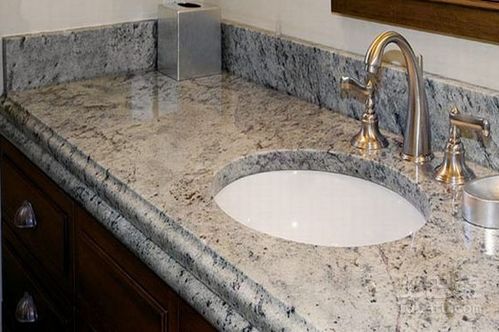
Immediate steps after a spill
1) Act fast. The sooner you address a spill, the better your chances of removing it completely.
2) Blot, don’t rub. Use a soft cloth or paper towel to blot the spill from the outside toward the center. Rubbing can push the stain deeper or create micro-scratches.
3) Rinse with water. After blotting, wipe with a damp microfiber cloth to remove any residue. Then dry with a clean towel to prevent water spots.
4) Choose the right cleaner. For most day-to-day stains, a pH-neutral cleaner or mild dish soap with warm water is enough.
Cleaning basics: the right cleaners and habits
- Use a pH-neutral cleaner or mild dish soap: These won’t break down the resin coating and won’t strip the surface.
- Avoid acidic cleaners: Lemon juice, vinegar, or harsh acidic substances can dull the gloss and, over time, degrade the surface.
- Skip abrasive tools: Scrubbers, steel wool, or rough sponges can scratch engineered marble.
- Test any new product: Always check on a small, hidden area first.
- Dry thoroughly: Leaving water sitting can cause mineral deposits or streaks.
Homemade and store-bought options that work
- Mild soap with warm water: A reliable daily cleaner. Mix a few drops of dish soap in a gallon of warm water, dampen a microfiber cloth, and wipe the surface.
- Baking soda paste for stubborn stains: Mix baking soda with a little water to form a paste. Apply to the stain, cover with plastic wrap for 15–30 minutes, then wipe away and rinse. This method is helpful for light, non-etching stains, but don’t overuse it to avoid dulling the surface.
- Hydrogen peroxide for organic stains: For tougher organic stains (coffee, red wine, tea), a 3% hydrogen peroxide solution can help. Dampen a cloth with hydrogen peroxide and lay it on the stain for a few minutes to allow it to work, then rinse. If the area is dark or colored, test first to make sure the peroxide won’t alter color.
- Isopropyl alcohol for ink or dye marks: A small amount on a cloth can help lift certain dyes from the surface, then rinse thoroughly.
Stain-specific playbook: what to do for common culprits
Organic stains (coffee, tea, wine)
- Quick response matters. Blot, then apply a mild hydrogen peroxide treatment for stubborn stains (never soak the entire surface).
- If wine left a purple hue, a baking soda paste can be gentle and effective after initial peroxide treatment. Rinse and dry.
Oil-based stains (grease, butter, lotion)
- Create a paste with baking soda or use a gentle dish soap solution; apply, let sit briefly, then wipe away with a damp microfiber cloth.
- Rinse with clean water and dry. For persistent oil marks, a light polishing compound designed for engineered stone can be considered, but proceed with caution.
Dye and pigment stains (colored sauces, berry juice)
- Avoid bleach on dyed pigments as it may lighten or discolor. Start with a mild cleaner; if necessary, hydrogen peroxide can be used carefully. Always test first.
Tough stains: when DIY isn’t enough
If a stain refuses to budge after a couple of attempts, it’s time to escalate. Do not scrub aggressively or apply harsh chemicals. Consider:
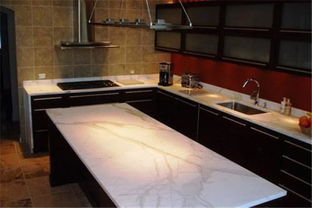
- Professional cleaning services that specialize in engineered surfaces. They have equipment and products designed for resin-based countertops.
- Surface reconditioning or polishing if the finish has dulled. A professional can advise whether a light hone and polish or a deeper resurfacing is needed.
- Verify the countertop’s warranty and care guidelines—manufacturers sometimes specify approved products and maintenance steps.
Maintaining the sheen: daily care and prevention
- Quick spill response: Wipe up liquids as soon as they spill. The longer a stain sits, the harder it becomes to remove.
- Use cutting boards and trivets: Prevent oils, dyes, and hot items from contacting the surface directly.
- Clean regularly with a pH-neutral cleanser: Consistency beats intensity. A weekly wipe-down helps maintain gloss and prevents buildup.
- Avoid abrasive tools and scouring powders: They can scratch or dull the surface and make future cleaning harder.
- Periodic gentle polishing: Depending on the finish, a manufacturer-approved polish can restore luster. Don’t over-polish, which can create an uneven look.
When to seal or recondition engineered marble
Most engineered marble surfaces do not require sealing like natural stone because the resin content provides a barrier to staining. Some brands and finishes may benefit from a polish or sealant designed specifically for engineered stone, but you should confirm with the manufacturer or installer. If the shine begins to dull after several years or you notice water spots that won’t wipe away, consult a pro about a professional reconditioning or polishing service.
Common mistakes to avoid
- Using acidic cleaners (vinegar, lemon, or abrasive acids) regularly.
- Using bleach or ammonia on colored surfaces without a patch test.
- Scrubbing with abrasive pads or steel wool.
- Waiting too long to address spills, especially oily or pigmented liquids.
- Mixing cleaners that could react with the resin.
DIY troubleshooting quick-start guide
1) Identify stain type.
2) Blot and rinse.
3) Apply appropriate cleaner (start mild).
4) Test on a hidden area first.
5) If needed, escalate to hydrogen peroxide or a baking soda paste, with careful timing.
6) Rinse and dry completely.
FAQ-focused endnotes for quick answers
- How soon should I clean a spill? The sooner, the better. Prolonged exposure increases the chance of a permanent stain.
- Can I use bleach on engineered marble? It’s generally discouraged, especially on colored surfaces. If you must, dilute heavily and test on a small area first.
- Is sealing necessary for engineered marble? Not usually, but check your manufacturer’s guidelines; some surfaces may benefit from a maintenance polish rather than a sealant.
- What about etching? Etching looks like dull spots from acids. It’s best addressed by a professional if widespread, but light etching can sometimes be minimized with a dedicated polishing product made for engineered surfaces.
- How can I prevent future stains? Wipe spills promptly, use coasters and cutting boards, avoid leaving pigments on the surface, and use a pH-neutral cleaner regularly.
Conclusion
Engineered marble countertops strike a balance between beauty and practicality, but stains can still pop up. The key is to act quickly, choose gentle cleaners that respect the resin-based surface, and avoid abrasive or acidic products that can dull or scratch. With a simple routine—blot spills, clean with a pH-neutral solution, use targeted stain treatments when needed, and protect surfaces with mats and coasters—you’ll extend the life and luster of your engineered marble. If a stubborn stain persists, don’t hesitate to consult a professional who understands the nuances of resin-based countertops. Small, consistent care yields long-lasting shine.
Five unique FAQs
1) Can I seal engineered marble countertops?
Most engineered marble surfaces don’t require sealing, as they’re designed to be non-porous. Check your manufacturer’s guidance; some brands may offer a reconditioning polish rather than a sealant.
2) What cleaners should I avoid on engineered marble?
Avoid acidic cleaners (like vinegar or lemon juice) and abrasive pads. Harsh chemicals and strong solvents can dull the finish or cause etching over time.
3) How do I treat a wine stain on engineered marble?
Blot the spill immediately, then use a mild hydrogen peroxide treatment if the stain persists. If colors remain, a baking soda paste can help. Always rinse and dry after treatment.
4) Are there stains that require a pro?
Yes. If a stain persists after multiple DIY attempts or if the surface shows dullness or etching, a professional cleaning or resurfacing is wise to avoid worsening the finish.
5) What’s the best daily care routine for engineered marble?
Wipe with a pH-neutral cleaner and a microfiber cloth, immediately blot spills, use coasters and trivets, and avoid abrasive tools. Schedule periodic light polishing if recommended by the manufacturer to maintain gloss.









