
The allure of marble is undeniable. For centuries, it has graced the halls of power, adorned opulent palaces, and whispered tales of timeless elegance in sophisticated homes. Its cool touch, unique veining, and inherent grandeur have cemented its status as a material of prestige. But in today’s design landscape, a fascinating dichotomy has emerged: the enduring legacy of natural marble versus the innovative rise of artificial marble. While both share a similar name and aesthetic appeal, their origins, properties, and applications paint a picture of distinct personalities. Understanding these differences is not merely an academic exercise; it’s the key to unlocking the full potential of your design vision and ensuring that the surfaces you choose not only captivate the eye but also stand the test of time and daily life.

Natural marble, a true masterpiece sculpted by the Earth itself, is born from the slow, inexorable process of geological transformation. Under immense heat and pressure deep within the planet’s crust, limestone undergoes a metamorphosis, recrystallizing into the lustrous, varied patterns we recognize as marble. Each slab is a unique testament to its geological journey, a one-of-a-kind canvas painted with minerals and impurities that create its signature veining, swirls, and color variations. This inherent individuality is a significant part of its charm. No two pieces of natural marble are ever precisely alike, meaning your countertop, your vanity, or your flooring will possess a distinct character that cannot be replicated. This uniqueness can be a profound source of pride for homeowners, a tangible connection to the raw beauty of the natural world.
However, this natural artistry comes with its own set of considerations. Natural marble is a porous material. Think of it as a finely textured sponge, capable of absorbing liquids. This porosity, while contributing to its tactile appeal, also makes it more susceptible to staining. Spills of red wine, coffee, or even acidic substances like lemon juice can penetrate the surface, leaving behind unsightly marks that can be difficult, if not impossible, to remove completely. This requires a diligent approach to maintenance, a commitment to immediate clean-ups, and often, the application of high-quality sealants to offer a degree of protection. Furthermore, natural marble can be relatively soft compared to other stone options. While it possesses a certain resilience, it can be scratched by sharp objects or chipped if heavy items are dropped on it. This means that in high-traffic areas or kitchens where culinary activities can be rigorous, careful handling and protective measures are paramount.
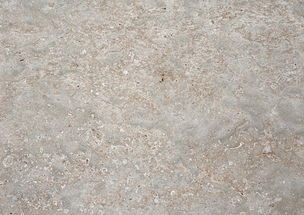
The aesthetic possibilities with natural marble are vast and varied. From the classic purity of Carrara with its soft grey veins to the dramatic intensity of Calacatta with its bold, sweeping patterns, or the deep, rich hues of Emperador, the choices are as diverse as the Earth’s geological tapestry. Each type of marble brings its own narrative and mood to a space. The subtle elegance of a white marble can infuse a bathroom with a spa-like serenity, while the darker, more emphatic veins of a black marble can add a touch of sophisticated drama to a living room fireplace. The natural variations also mean that the “flaws” – the subtle color shifts, the inclusions – are not seen as imperfections but as integral parts of its natural beauty, further enhancing its unique appeal. The cost of natural marble can also vary significantly, depending on the rarity of the color, the complexity of the veining, and the origin of the quarry. While some common varieties might be surprisingly accessible, rarer or more sought-after types can command a premium price, reflecting their exclusivity and the effort involved in their extraction and processing.
The installation of natural marble also requires specialized knowledge. Due to its weight and the potential for cracking, it needs to be handled with care and often requires a reinforced substrate. Professional installation is almost always recommended to ensure a seamless finish and to mitigate the risk of damage during the process. Despite these considerations, the enduring appeal of natural marble lies in its authenticity, its one-of-a-kind beauty, and the sense of history and luxury it imparts. It is a material that speaks of timelessness, a connection to the earth’s ancient artistry that continues to inspire awe and admiration. It’s the whisper of ancient Rome, the grand statement of a bygone era, brought into the modern home.

In contrast to the geological artistry of natural marble, artificial marble, often referred to as engineered stone, is a triumph of modern material science and manufacturing ingenuity. This composite material is crafted from a carefully calibrated blend of natural stone aggregates – typically quartz or marble dust – bound together with high-performance resins and pigments. This deliberate construction allows for a remarkable degree of control over the final product, offering a consistent appearance and a suite of enhanced performance characteristics. The primary advantage of artificial marble lies in its engineered nature, which addresses many of the practical limitations inherent in its natural counterpart.
One of the most significant benefits of artificial marble is its superior durability and resistance to everyday wear and tear. The inclusion of quartz, in particular, imbues engineered stone with exceptional hardness, making it highly resistant to scratching, chipping, and cracking. This robust nature makes it an ideal choice for kitchens, where countertops are subjected to the rigors of chopping, slicing, and heavy pot placement. Furthermore, the resins used in its composition create a non-porous surface. This is a game-changer for kitchens and bathrooms, as it means that liquids are not absorbed, rendering it virtually immune to staining from common culprits like coffee, wine, and oils. This inherent resistance to staining significantly simplifies maintenance, allowing homeowners to enjoy their surfaces without the constant anxiety of accidental spills.
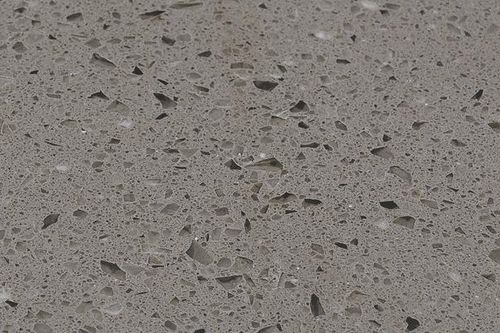
The design possibilities with artificial marble are astonishingly diverse, and in many ways, surpass those of natural marble due to the precision of its manufacturing. While it can expertly mimic the look of popular natural marbles like Calacatta and Carrara with breathtaking accuracy, it also opens the door to entirely new aesthetic realms. Manufacturers can create slabs with uniform veining patterns, ensuring a consistent and predictable look across large installations. They can also achieve a broader spectrum of colors, from vibrant, unexpected hues to subtle, sophisticated neutrals that might be difficult or impossible to find in nature. This consistency and breadth of design allow for a more curated and controlled interior aesthetic, where every element can be precisely coordinated. Whether you’re aiming for a seamless, minimalist look or a bold, statement-making design, engineered stone offers the flexibility to achieve it.
The maintenance of artificial marble is remarkably straightforward. Its non-porous and stain-resistant nature means that most spills can be wiped away with a damp cloth and mild soap. No special sealants are typically required, and harsh chemicals are generally unnecessary, further simplifying upkeep. This ease of care makes it an attractive option for busy households or individuals who prefer a low-maintenance lifestyle. While artificial marble is often more affordable than exotic natural marbles, its price point can vary widely depending on the brand, the complexity of the design, and the quality of the materials used. However, it generally offers a more predictable and often more cost-effective solution compared to high-end natural stones, delivering a luxurious look and feel without an exorbitant price tag.

The installation of artificial marble is also generally more straightforward than natural marble. While still requiring professional installation to ensure proper fitting and finishing, its engineered nature can sometimes make it lighter and easier to handle than comparably sized slabs of natural stone, reducing the potential for breakage during transport and installation. In essence, artificial marble represents a fusion of nature’s aesthetic appeal with human innovation. It delivers the desired look and feel of premium stone surfaces while offering enhanced performance, simplified maintenance, and a wider array of design choices. It’s the modern solution for those who desire timeless beauty with the practical demands of contemporary living, a material that promises both style and substance for years to come.









