
Part 1: Outline
Outline for the article: Understanding the Cost of Engineered Marble: Price Per Square Meter
- H1: Understanding the Cost of Engineered Marble: Price Per Square Meter
- H2: What Is Engineered Marble?
- H3: Composition and Manufacturing
- H3: How It Differs From Natural Marble
- H2: Why Prices Vary (Key Price Drivers)
- H3: Material Quality and Brand
- H3: Thickness and Slab Size
- H3: Edges, Finishes, and Customization
- H3: Color, Pattern Options, and Texture
- H3: Production Location and Labor Costs
- H3: Market Demand and Regional Differences
- H2: Typical Price Range by Segment
- H3: Budget Options
- H3: Mid-Range Options
- H3: Premium Patterns and Brands
- H2: Ancillary Costs You Should Budget For
- H3: Fabrication and Installation
- H3: Substrate/Underlayment and Sealing
- H3: Seams, Sinks, Edges, and Accessories
- H2: Where to Buy and How to Compare Offers
- H3: Reputable Brands and Suppliers
- H3: How to Gather Accurate Quotes
- H4: Negotiation Tips and Value Considerations
- H2: Maintenance, Care, and Longevity
- H3: Cleaning, Stain Resistance, and Heat Handling
- H3: Avoiding Common Pitfalls to Extend Life
- H2: Pros and Cons at a Glance
- H2: Practical Buying Guide: Quick Checklist
- H3: Ask the Right Questions
- H3: Inspect Samples and Warranties
- H2: Conclusion
- H3: Key Takeaways
- H2: Frequently Asked Questions (Preview)
- H3: Is engineered marble worth it for kitchens?
- H3: How long does engineered marble typically last?
- H3: Can engineered marble be used outdoors?
- H3: How do I spot quality when shopping?
- H3: Are green or recycled options available?
Part 2: Article
Understanding the Cost of Engineered Marble: Price Per Square Meter
In this article, we’re diving into how much engineered (or cultured) marble costs per square meter, what drives that price, and how to plan a budget that actually matches what you want. Whether you’re renovating a kitchen, bathroom, or commercial space, understanding the price components helps you compare quotes confidently and avoid sticker shock. Let’s break it down like you’re shopping with a friend, not a salesman.

What Is Engineered Marble?
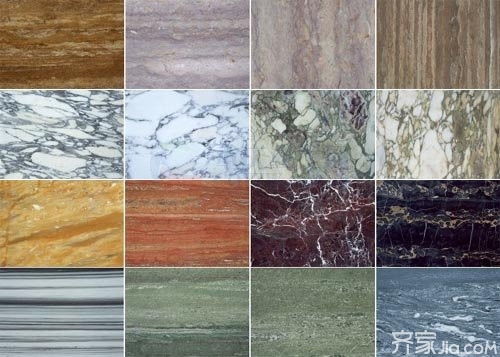
Engineered marble is a man-made alternative to natural marble. It’s created by mixing marble dust or crushed stone with resins, binding agents, and sometimes pigments to form solid slabs or sheets. The result is a material that mimics the look of natural marble—color consistency, veining patterns, and a smooth finish—while offering more uniformity, easier maintenance, and often lower cost.
Composition and Manufacturing
Think of engineered marble as a composite: a resin binder binds together marble particles to form a solid slab. The mix is poured into molds, pressed, cured, and then finished with surface treatments. The thickness options commonly range from around 2 cm to 3 cm (and sometimes up to 4 cm for heavy-duty applications). The exact resin system, pigment load, and the quality control standards used during manufacturing will influence both appearance and price.
How It Differs From Natural Marble
- Uniform color and pattern: engineered marble tends to have consistent veining and color across slabs, unlike the natural variation you see in real stone.
- Cost and availability: it often costs less upfront than premium natural marble because it’s manufactured at scale.
- Maintenance and durability: engineered marble generally resists staining better than some natural marbles but can be sensitive to extremely high heat or certain chemicals.
- Installation considerations: while the substrate and installation process are similar, some projects benefit from engineered marble’s lighter weight and easier fabrication.
Why Prices Vary (Key Price Drivers)
Price for engineered marble per square meter isn’t a single number. It’s a function of multiple factors, from the raw material and brand to the finish and installation details. Here are the big levers.
Material Quality and Brand
Some brands position themselves as premium with richer veining, more durable resins, or better surface finishes. Others offer budget lines with simpler textures and fewer color options. The brand and the grade of the material can swing the price markedly.
Thickness and Slab Size
Thickness matters. A thicker slab or panel will cost more per square meter and often translates to greater durability and different substrate needs. Standard thicknesses (like 2 cm or 3 cm) affect both material costs and installation complexity.
Edges, Finishes, and Customization
- Edge profiles (straight, eased, bullnose, ogee, waterfall) increase fabrication time and material waste, which raises price.
- Finishes such as honed, polished, or matte textures have different production steps and can influence cost.
- Custom patterns or atypical sheet sizes require more cutting and waste, driving up price.
Color, Pattern Options, and Texture
More intricate veining patterns or a higher number of color options can push costs up due to more labor in matching patterns and more material waste in fabrication.
Production Location and Labor Costs
Where the material is manufactured and where you’re getting it installed make a big difference. Labor rates, shipping, and import duties can all affect the final price per square meter.
Market Demand and Regional Differences
Prices can vary by region due to demand levels, supply chain efficiency, and competitive pricing among local contractors and suppliers.
Typical Price Range by Segment
Prices vary by the factors above, but it helps to have a rough range so you can filter quotes quickly.
Budget Options
For projects with tight budgets, you’ll find engineered marble in the lower end of the spectrum. Expect more basic veining, standard thickness, and standard edge profiles. Material costs may translate to roughly the lower end of the market, with installed prices that keep the total budget approachable.
Mid-Range Options
Most common installations fall into the mid-range. You’ll get nicer veining, a broader color palette, and more edge options. The balance of cost to aesthetics is generally the sweet spot for kitchens and bathrooms.
Premium Patterns and Brands
If you want bold, high-contrast veining or unique colorways from recognized brands, be prepared to pay a premium. Premium options can also include longer warranty terms or enhanced stain resistance and durability claims.
Note: In many markets, price-per-square-meter ranges are influenced by the factors above and by the choice between standard sheets versus custom-cut pieces. Always ask for a breakdown so you see how much is material, how much is fabrication, and how much is installation.
Ancillary Costs You Should Budget For
The sticker price for the slab is only part of the picture. These additional costs can push the project total by a meaningful margin.
Fabrication and Installation
Labor costs for measuring, cutting, seam work, edge finishing, and sealing can be substantial. Installation fees can vary based on kitchen layout, corner radii, and the number of seams.
Substrate/Underlayment and Sealing
A solid substrate is important for longevity. You may need a reinforcing underlayment or specific backer materials, plus sealing products or surface sealants that preserve the finish.
Seams, Sinks, Edges, and Accessories
Seams (where two slabs meet) require precise alignment and can be more noticeable on certain patterns. If you’re integrating undermount sinks, cutouts for faucets, or special edge profiles, those add to both material waste and labor time.
Tip: Ask for a location-based quote that itemizes material, fabrication, and installation separately. This makes it easier to compare apples-to-apples across vendors.
Where to Buy and How to Compare Offers
Choosing the right supplier makes a big difference in price and satisfaction.
Reputable Brands and Suppliers
Look for well-known brands with solid warranty programs, clear specifications, and accessible customer support. Local distributors often provide installation referrals and after-sales service.
How to Gather Accurate Quotes
- Provide exact dimensions and layout (kitchen island, peninsula, or multiple bathrooms).
- Specify slab thickness, edge profile, and finish.
- Indicate required seams and corner conditions.
- Ask about lead times, warranty, and service terms.
- Request a complete bill of materials and labor costs.
Negotiation Tips and Value Considerations
- Invite multiple quotes to create a competitive baseline.
- Ask about fabricator experience with engineered marble and any project-specific risks.
- Inquire about sample quality and warranty coverage, not just price.
- Check for any fees tied to delivery, HoA or building codes, or site-specific requirements.
Maintenance, Care, and Longevity
How long engineered marble lasts depends on care, usage, and the quality of the installation. Here are practical tips to keep it looking good.
Cleaning, Stain Resistance, and Heat Handling
- Use mild, non-abrasive cleaners and a soft cloth.
- Avoid highly acidic or alkaline cleaners that can dull the surface over time.
- Use trivets or heat mats—while engineered marble is durable, extreme heat can still impact the surface over the long term.
Avoiding Common Pitfalls to Extend Life
- Don’t cut directly on the surface; use a cutting board to protect the finish.
- Promptly wipe spills, especially acids like citrus, wine, or tomato sauce.
- Regularly reseal (if recommended by your fabricator) to maintain surface integrity and stain resistance.
Pros and Cons at a Glance
Pros:
- Uniform appearance and color options
- Generally lower cost than premium natural stones
- Easier fabrication and installation than some natural stones
- Good stain resistance with proper care
Cons:
- Can be less heat resistant than some alternatives
- Surface may be less resilient to deep gouges than high-end stone
- Seams can be visible in certain veining patterns
- Quality varies by brand and manufacturing process
Practical Buying Guide: Quick Checklist
- Start with a clear budget and desired look.
- Compare both material costs and installation charges.
- Review warranty terms and service coverage.
- Inspect sample finishes and ensure color consistency across batches.
- Confirm lead times and delivery constraints for your project.
Ask the Right Questions
- What thickness is recommended for my application?
- What edge profile best matches both aesthetics and practicality?
- Are there any additional costs for complex cuts or large islands?
- What is the expected lifespan given my usage and location?
Inspect Samples and Warranties
- Ask for physical samples in several colors and veining patterns.
- Verify warranty scope for surface finish, stains, and structural integrity.
- Confirm what constitutes a workmanship defect versus a normal variation in pattern.
Conclusion
Engineered marble offers an attractive blend of look, price, and practicality. By understanding the factors that influence price per square meter—material quality, thickness, edge details, color and pattern, regional costs, and installation—you can budget smartly and avoid sticker shock. Remember to compare quotes with a keen eye on labor, fabrication, and warranty, not just the headline price. With the right combination of style and value, you can achieve a sophisticated look without breaking the bank.
Key Takeaways
- Expect material costs to vary with brand and quality; installation and fabrication can often dominate the price.
- Thickness, edge profiles, and seam work substantially impact total per-square-meter cost.
- Regional differences and vendor competition affect what you’ll pay in your area.
- Plan for underlayment, sealing, and seals as part of the total project cost.
- A clear quote breakdown and warranty terms are essential for making a confident decision.
FAQ 1: Is engineered marble worth it for kitchens?
Yes, for many kitchens it’s a smart balance of price, aesthetics, and lower maintenance. If you want a marble look without the high price and more demanding upkeep of natural marble, engineered marble is often a solid choice. Consider your heat exposure, stain risk, and how much seam visibility you’re willing to tolerate.
FAQ 2: How long does engineered marble typically last?
With proper care and a quality installation, engineered marble can last many years—often a decade or more—depending on usage and maintenance. Avoiding harsh abrasives and high heat helps preserve the surface.
FAQ 3: Can engineered marble be used outdoors?
Outdoor use is not common for standard engineered marble due to UV exposure and temperature swings, which can affect color and stability. If outdoor installation is essential, consult with the supplier about weather-resistant variants or explore outdoor-rated surfaces designed for exterior environments.
FAQ 4: How do I spot quality when shopping?
Look for consistent color and veining across multiple samples, a reputable warranty, a proven fabrication process, and a fabricator with solid installation reviews. Ask about resin content, density, and the supplier’s service record.
FAQ 5: Are green or recycled options available?
Yes. Some engineered marble lines incorporate recycled content or low-VOC resins. If sustainability is important to you, ask suppliers about material composition, certifications, and the environmental impact of the production process.









