
Outline of the Article
- H1: Is Engineered Marble Good?
- H2: What is Engineered Marble?
- H3: Definition and Core Idea
- H4: Composition: Resin Binder and Stone Fill
- H4: Common Variants in the Market
- H2: How Engineered Marble is Made
- H3: Manufacturing Process Overview
- H4: Mixing and Molding
- H4: Finishing and Surface Treatment
- H3: Post-Production Options
- H4: Color and Texture Variation
- H2: Variants and Subtypes
- H3: Cultured Marble vs Engineered Marble
- H3: Solid-Surface Lookalikes
- H3: Quartz-Enhanced Engineered Marble
- H2: Pros of Engineered Marble
- H3: Aesthetics and Design Flexibility
- H3: Cost-Effectiveness
- H3: Maintenance and Cleaning Simplicity
- H3: Consistency and Availability
- H2: Cons of Engineered Marble
- H3: Stain Susceptibility
- H3: Heat and Scratch Sensitivity
- H3: Longevity Compared to Natural Marble
- H4: Impact of Environment
- H2: How It Stacks Up Against Other Materials
- H3: Real Marble
- H3: Quartz
- H3: Solid Surface and Porcelain
- H2: Ideal Uses and Applications
- H3: Kitchen Countertops
- H3: Bathroom Vanities and Showers
- H3: Backsplashes and Laundry Rooms
- H4: Design Considerations by Room
- H2: Installation, Repair, and Longevity
- H3: Installation Overview
- H3: Repair Options
- H4: Resurfacing vs Replacement
- H3: Longevity and Maintenance Cycle
- H2: Maintenance and Care Tips
- H3: Daily Cleaning Habits
- H4: Stain Prevention
- H3: Stain Removal Protocols
- H4: When to Chemically Treat Stains
- H3: Sealing and Protection
- H4: Should You Seal Engineered Marble?
- H2: Environmental and Health Factors
- H3: Sustainability Considerations
- H3: Indoor Air Quality and Off-Gassing
- H2: Cost and Budgeting Guidance
- H3: Material Costs
- H3: Labor and Installation
- H3: Long-Term Costs and Resale Value
- H2: How to Choose a Brand or Fabricator
- H3: Certifications and Quality Standards
- H3: Warranty and Support
- H3: Reading Customer Feedback
- H2: Common Myths About Engineered Marble
- H3: Myth: It can’t mimic real marble
- H3: Myth: It’s not durable
- H3: Myth: It’s impossible to repair
- H2: Conclusion
- H3: Quick Takeaway
- H3: Final Verdict
Part 2: The Article
Is Engineered Marble Good?
Engineered marble, also known as cultured marble, is a man-made stone composite that hobbyists and pros alike use for countertops, vanity tops, and shower surrounds. It’s not natural marble, and it isn’t the same as quartz or solid-surface materials, but it offers a compelling balance of design flexibility, price, and ease of care. If you’re weighing options for a kitchen or bathroom renovation, engineered marble deserves a serious look. Here’s a detailed, practical guide to what it is, how it’s made, and where it really shines—and where it might fall short.

What is Engineered Marble?
Definition and Core Idea
Engineered marble is a composite material created by binding crushed marble or marble-like dust with a resin binder. The result is a solid, non-porous surface that can be cast into slabs, shaped, and finished to resemble natural marble or take on contemporary solid colors and textures. It’s sometimes marketed as cultured marble, faux marble, or resin-based stone. Think of it as a designed surface that captures the look of marble without relying on natural quarried blocks.
Composition: Resin Binder and Stone Fill
The core formula typically combines:
- A stone fill (crushed marble, limestone, or synthetic equivalents).
- A resin binder (like polyester or acrylic resin).
- Pigments and sometimes additional fillers to achieve color and depth.
The resin binds the aggregate into a solid sheet, then the surface is finished with a gloss or matte treatment. The result is a consistent pattern, color, and thickness across large surfaces.
Common Variants in the Market
You’ll see terms like cultured marble, engineered marble, and resin-based cultured stone. In some cases, “engineered marble” can overlap with “cultured marble” today, but the key distinction is that engineered variants often emphasize stronger resins and broader design options, while cultured marble has deep roots in bathroom vanity tops and integrated sink/bowl shapes. The exact composition can vary by manufacturer, so it’s worth checking material safety data sheets (MSDS) and product specs when comparing brands.

How Engineered Marble is Made
Manufacturing Process Overview
The process is hands-on and scalable, designed to mirror the aesthetics of real marble while keeping costs predictable. It involves mixing the stone fill with resin in precise ratios, pouring into neat molds, and curing under controlled conditions. After curing, the slabs are trimmed, edges are shaped, and the surface is finished.
Mixing and Molding
- The stone aggregate and resin are combined in a mixer to create a uniform paste.
- The mixture is poured into molds to form slabs or shapes (like vanity tops or shower benches).
- The molds determine the thickness and the basic edge profile.
Finishing and Surface Treatment
- Surfaces receive polishing or a high-gloss finish (or a satin finish depending on the product line).
- Some lines add gel coats or protective top coats to improve surface hardness and stain resistance.
- Edges and seams are carefully machined to ensure a seamless appearance on larger installations.
Post-Production Options
- Color and texture options are added during mixing or via post-production treatments.
- Some manufacturers offer integrated sinks or basins, although this approach is more common with cultured marble used in baths.
Color and Texture Variation
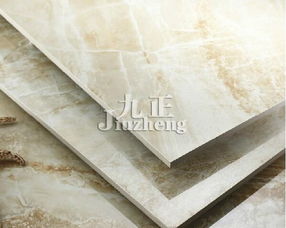
Engineered marble comes in a wide range of patterns—from traditional veining that imitates natural marble to solid colors and contemporary textures. This breadth makes it easy to coordinate with cabinetry, backsplashes, and flooring.
Variants and Subtypes
Cultured Marble vs Engineered Marble
Cultured marble typically refers to the classic resin- and stone-filled material with a gel coat surface, often used for bathroom applications. Engineered marble, in broader terms, covers a wider family of resin-based stone composites that can be used across kitchens, bathrooms, and exteriors. Both aim for a coherent, durable surface, but engineered variants may push newer resins or fillers to broaden performance.
Solid-Surface Lookalikes
Some engineered marble products are designed to mimic solid-surface materials (like Corian) or to deliver ultra-sleek, contemporary looks. These often have uniform colors with subtle patterns, which reduces the “natural stone” variability you’d see in real marble.
Quartz-Enhanced Engineered Marble
There are blends that lean toward quartz content for added hardness and scratch resistance, though they sit closer to engineered stone than classic cultured marble. These variants try to combine the aesthetic of marble with the durability of quartz.
Pros of Engineered Marble
Aesthetics and Design Flexibility
Engineered marble shines in design flexibility. You get consistent veining patterns, a broad palette of colors, and the ability to replicate classic marble looks without the dramatic price swings of natural stone. This is a big plus if you’re after a cohesive kitchen or bathroom design and want predictable results across multiple surfaces.
Cost-Effectiveness
Compared with high-end natural marble, engineered marble is usually friendlier on the budget. You gain a marble-like look without the price of premium quarry slabs. The installation cost is typically predictable, which helps with budgeting.
Maintenance and Cleaning Simplicity
The non-porous surface resists many stains and makes cleaning easier. A simple daily wipe-down with mild soap and water or a gentle cleaner generally keeps it looking fresh. The surface doesn’t require waxing, and sealing is rarely necessary.
Consistency and Availability
If you’re after matching tops for a kitchen island, you’ll appreciate the consistent color and veining across slabs. It’s also easier to source from a broader set of manufacturers, which helps with lead times and pricing.
Cons of Engineered Marble
Stain Susceptibility
Despite being non-porous, some engineered marbles can still stain if spills are left to sit, especially with acidic or pigmented substances. Prompt cleanup helps preserve surface depth and color.
Heat and Scratch Sensitivity
Direct, prolonged heat can cause discoloration or dull spots if you place hot pans directly on the surface. While some variants improve heat resistance, it’s still wise to use trivets. A sharp knife can scratch softer surfaces, so cutting on a board remains a good habit.
Longevity Compared to Natural Marble
Natural marble has a unique patina that some homeowners find desirable, but it can require more maintenance (etching, staining) and higher upkeep. Engineered marble isn’t as time-worn as natural stone, but with proper care it can last many years. If you’re chasing a surface that ages gracefully with character, natural marble has a different trajectory from engineered options.
Impact of Environment
Environmental conditions—like heavy humidity in bathrooms or high heat in kitchens—can influence how long engineered marble performs at peak. Most manufacturers design products to withstand typical indoor environments, but excessive heat or chemical exposure can compromise color and sheen over time.
How It Stacks Up Against Other Materials
Real Marble
Real marble delivers authentic veining and a sense of luxury that’s hard to replicate. It’s porous, requires periodic sealing, and shows a natural evolution of patina with use. Engineered marble offers similar looks with less maintenance and more predictable pricing, but it won’t have the exact mineral storytelling of a quarry slab.
Quartz
Quartz-engineered stone (often called quartz) is typically harder and more scratch- and stain-resistant than cultured marble. If durability and low maintenance are top priorities, quartz is often the better choice. However, quartz surfaces are not heat-proof, just like other stone surfaces, and they can be pricier than many engineered marble options.
Solid Surface and Porcelain
Solid-surface materials (like acrylic-based options) are highly uniform and repairable, with the advantage of seamless joints. Porcelain slabs (newer in countertop form) are extremely hard and heat resistant but can be more brittle and require careful handling during fabrication. Engineered marble sits in between—more marble-like aesthetics than solid surface yet often more forgiving on price and fabrication flexibility than premium porcelain.
Ideal Uses and Applications
Kitchen Countertops
Engineered marble works well in kitchens that emphasize aesthetics and budget. It’s especially appealing in spaces where a marble look is desired but the upkeep and cost of natural marble are off-putting. Use a cutting board and avoid placing hot cookware directly on the surface to maximize longevity.
Bathroom Vanities and Showers
In baths, cultured marble shines because it’s easy to clean and often has integrated sinks or seamless surfaces for showers. Gel coats can help improve water resistance, and the patterns can evoke the marble look with less maintenance burden.
Backsplashes and Laundry Rooms
Backsplashes benefit from the same aesthetic flexibility, while laundry rooms can gain a cohesive look with counters and cabinetry in matching tones.
Design Considerations by Room
- Kitchens benefit from lighter, reflective surfaces that brighten spaces and heights of ceilings; darker veining can add drama.
- Bathrooms often use lighter palettes to create a spa-like feel, with veining that hints at luxury without heavy maintenance.
- Laundry and utility rooms usually prioritize easy cleaning and resistance to everyday chemicals.
Installation, Repair, and Longevity
Installation Overview
Engineered marble installation follows standard countertop practices: precise measurement, template creation, seam placement, edge profiling, and sealing where applicable. While not as brittle as some natural stones, it still requires careful handling to avoid chipping or cracking during transport and installation.
Repair Options
Minor scratches or dull spots can often be repaired with polishing compounds or professional buffing. For deeper damage, replacement of a small section or a full slab may be necessary, depending on the extent of the issue and the manufacturer’s warranty.
Resurfacing vs Replacement
Resurfacing can refresh the surface’s gloss and remove superficial scratches, while replacement may be required for significant damage or color fading beyond repair.
Longevity and Maintenance Cycle
With routine cleaning and careful use, engineered marble can last many years. The exact lifespan depends on usage, maintenance, exposure to heat and chemicals, and the quality of the product and installation.
Maintenance and Care Tips
Daily Cleaning Habits
Wipe surfaces with a soft cloth or sponge using mild dish soap and warm water. Avoid abrasive pads that can dull the finish. Rinse and dry to prevent water spots.
Stain Prevention
Clean up spills promptly, especially of acidic substances (citrus, vinegar, red wine). Use coasters and cutting boards to prevent scratches and stains.
Stain Removal Protocols
If a stain appears:
- Start with a gentle cleaner and a soft cloth.
- For stubborn stains, try a non-abrasive cleaner or a paste made from baking soda and water; apply gently, rinse, and dry.
- Avoid harsh chemical cleaners that can degrade the resin over time.
When to Chemically Treat Stains
If stains persist after basic cleaning, consult the manufacturer’s guidelines. Some proprietary cleaners are recommended for certain finishes; follow those instructions to avoid voiding warranties.
Sealing and Protection
Most engineered marble surfaces do not require sealing, thanks to their non-porous nature. Some lines may benefit from a protective seal or top coat for enhanced stain resistance, but this isn’t universal. Check product specs to decide if sealing is advisable for your specific model.
Should You Seal Engineered Marble?
Only if the manufacturer recommends it or if the product is a variant that benefits from an added protective layer. Most everyday use scenarios do not require sealing.
Environmental and Health Factors
Sustainability Considerations
Engineered marble uses recycled or ground stone materials in some formulations and a resin binder that can be formulated with low-VOC content. The environmental impact varies by supplier and production methods, so it helps to ask about material sourcing, manufacturing emissions, and end-of-life disposal options.
Indoor Air Quality and Off-Gassing
Most modern engineered marbles adhere to safety standards for indoor air quality, but it’s wise to verify if the product uses low-VOC resins and coatings. In well-ventilated spaces, any potential off-gassing is typically negligible after the initial curing period.
Cost and Budgeting Guidance
Material Costs
Engineered marble generally sits between affordable laminate and premium natural stone. Prices vary by color, pattern complexity, thickness, and brand. Expect costs to be competitive for marble-inspired looks while staying below the high-end price tag of premium natural marble.
Labor and Installation
Labor costs reflect the complexity of edge profiles, seam work, and the size of the project. Solid, well-fabricated seams and precise edge details add to value and longevity.
Long-Term Costs and Resale Value
A well-chosen engineered marble surface can boost resale value thanks to a high-end look with lower maintenance. Factor in potential replacement costs if wear or damage occurs and plan for a finishing method or warranty that covers common issues.
How to Choose a Brand or Fabricator
Certifications and Quality Standards
Look for brands with recognized certifications, third-party testing, and transparent product datasheets. Certifications can indicate durability, safety, and consistency.
Warranty and Support
A good warranty protects your investment. Compare what’s covered, the duration, and whether there are requirements (like professional installation, specific cleaners, or edge protection) that matter to you.
Reading Customer Feedback
Reviews and case studies can reveal performance realities—from color consistency to seam quality and after-sales support.
Common Myths About Engineered Marble
Myth: It can’t mimic real marble
Engineered marble can convincingly mimic marble veining and color, though it may not have identical mineral depth. Advances in pigment technology and finishes have narrowed the gap significantly.
Myth: It’s not durable
Durability depends on the specific product, installation, and use. Many engineered marbles resist stains and scratches well with proper care, though extreme heat or harsh chemicals can cause issues on some lines.
Myth: It’s impossible to repair
Minor imperfections can often be repaired by professionals with polishing or resurfacing. Comprehensive damage may require patching or replacement of affected sections.
Conclusion
Engineered marble offers a practical balance between aesthetics, affordability, and maintenance. If you want the marble look without the hefty price tag and ongoing sealing needs of natural stone, it’s worth considering. The best choice depends on your priorities: budget, design goals, and how you’ll use the surface. For many homes, engineered marble delivers the look you want with the care routine you prefer.
Quick Takeaway
- Use engineered marble for marble-inspired beauty at a friendlier price than natural marble.
- Protect surfaces with hot pads and cutting boards to reduce heat and scratch risks.
- Verify product specs, warranties, and maintenance guidelines before purchase.
- Compare options—cultured marble, quartz blends, and solid-surface looks—against your space and lifestyle.
Final Verdict
If your goal is a stylish, easy-to-care-for surface that resembles marble, engineered marble is a strong contender. It won’t perfectly replicate natural stone, but with the right selection and care, it can deliver a timeless look for kitchens, baths, and beyond.
FAQs
Q: How durable is engineered marble compared to natural marble?
A: It’s typically less prone to chipping than natural marble due to its engineered binder, and it resists staining better in many cases. However, it can be more susceptible to heat and deep scratches than some quartz surfaces, so use trivets and cutting boards.
Q: Do you need to seal engineered marble?
A: Most engineered marble surfaces don’t require sealing because they’re non-porous. Some variants might benefit from a seal or protective top coat—check the manufacturer’s guidelines.
Q: Can engineered marble look like real marble?
A: Yes. Modern fabrication can produce realistic veining and color variation that closely resemble natural marble, though some purists may still notice subtle differences.
Q: Is engineered marble heat resistant?
A: It depends on the product, but direct, prolonged heat can discolor or damage some engineered marbles. Always use heat protection.
Q: What should I consider when choosing a brand?
A: Look for warranties, certifications, color consistency, and real-world performance in reviews. Ask about cleaning recommendations, repair options, and the supplier’s track record with seams and edges.









