
Part 1: Outline
- H1: What Does Engineered Marble Look Like?
- H2: Visual Characteristics
- H3: Color Range and Veining
- H4: Patterns: Uniform vs. Natural-Like Veins
- H3: Surface Finishes and Textures
- H2: Material Variants and Composition
- H3: Acrylic Cultured Marble
- H3: Polyester-Based Engineered Marble
- H3: Calcium Carbonate–Filled Options
- H2: Manufacturing Process
- H3: Raw Mix, Casting, and Curing
- H3: Quality Control and Consistency
- H2: Aesthetics Compared to Natural Marble
- H3: Color Consistency and Vein Uniformity
- H3: Realistic Look vs Subtle Imperfections
- H2: Durability, Maintenance, and Longevity
- H3: Stain Resistance
- H3: Heat Resistance and Impact Toughness
- H2: Typical Applications
- H3: Kitchen Countertops
- H4: Bath Vanities and Showers
- H4: Wall Panels and Fireplace Surrounds
- H2: Care and Cleaning Guidelines
- H3: Daily Cleaning
- H3: Stain Removal and Repairs
- H2: Cost, Value, and Budget Considerations
- H3: Price Ranges by Material Type
- H3: Long-Term Value and Resale
- H2: Environmental and Health Aspects
- H3: Manufacturing Footprint
- H3: Indoor Air Quality and VOCs
- H2: How to Choose and What to Look For
- H3: Brand and Certification Signals
- H3: Practical Buying Guide
- H2: Conclusion
- H2: FAQs
- H3: Is engineered marble heat resistant?
- H3: Can engineered marble be repaired if chipped or stained?
- H3: How does engineered marble compare to quartz?
- H3: What maintenance routine keeps it looking new?
- H3: Are there eco-friendly engineered marble options?
Part 2: Article
What Does Engineered Marble Look Like?
Engineered marble, often called cultured marble, is a man-made material designed to mimic the elegance of natural marble while offering more uniformity, consistency, and sometimes better performance. If you’ve ever stood in front of a showroom slab and thought, “Is this marble or something else?” you’re not alone. Let’s dive into what engineered marble looks like, how it’s made to look that way, and what you can expect in everyday use.

Appearance: What You See Is What You Get
When people ask what engineered marble looks like, the first thing they notice is its surface: a polished, glassy sheen that can be almost syrupy in its smoothness. But there’s nuance beneath that shine.
Color Range and Veining
Engineered marble comes in a broader palette than most natural stones. You’ll find everything from bright whites with faint gray veins to deep creams with warm beige undertones, and even bold colors in some specialty lines. The veining can range from delicate, sparse threads to dense, dramatic ribbons. Because the material is mixed in controlled factory conditions, you often get consistent color and pattern repetition across sections or even whole slabs.
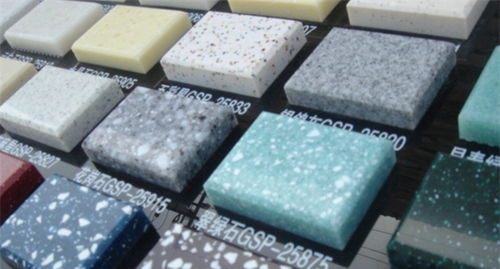
Patterns: Uniform vs Natural-Like Veins
Two broad looks define engineered marble patterns:
- Uniform patterns: Think calm, consistent specks or veining with little variation from one area to another. This is great for high-volume installs where you want an uninterrupted look across many seams.
- Natural-like veins: Some lines are designed to imitate the irregular, sweeping veins you’d expect in cut marble. These can feel very authentic, especially when paired with a glossy or honed finish.
Surface Finishes and Textures
Finishes aren’t just about color. Engineered marble can be finished in several ways:
- Glossy (polished): A high-shine surface that makes colors pop and light reflect beautifully.
- Matte or honed: A softer, satin-like finish that hides fingerprints and minor scratches better.
- Textured or leathered: Less common in kitchen counters, but available for wall panels and certain vanity tops to create a tactile effect.
The finish you choose alters how the color interacts with light, which can affect perceived shade and depth. In short, engineered marble can look as bright and crisp as a new kitchen countertop or as warm and subdued as a high-end stone slab—depending on the finish you select.
Materials and Variants: What It’s Made Of
Engineered marble isn’t one single formula. It’s a family of products built from different resin binders and stone fillers.
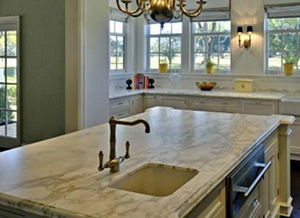
Acrylic Cultured Marble
Acrylic-based engineered marble is popular for bathroom surfaces and vanity tops. The resin gives excellent stain resistance and a smoother, more uniform feel. It tends to be softer than some polyester blends, which can impact heat resistance but often translates to easier repairs if minor scratches occur.
Polyester-Based Engineered Marble
Polyester blends are common in many countertop products. They can be crafted to resemble the dramatic veining of natural marble. These are typically less expensive than acrylic options and can be more heat resistant depending on the exact formulation, though some may be more prone to yellowing over time if exposed to sunlight or certain chemicals.
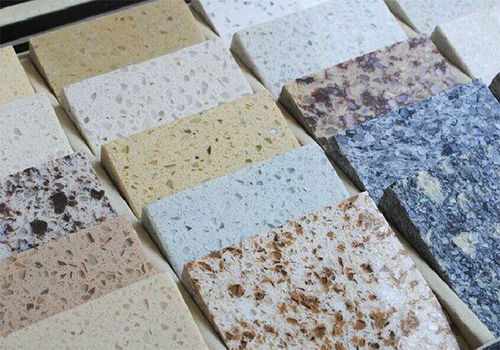
Calcium Carbonate–Filled Options
Some engineered marbles use calcium carbonate as the filler, combined with resins. These can look closer to natural marble in color and veining but may vary in durability and resilience to heat and acids, depending on the resin system and surface treatment.
Manufacturing Process: How the Look Is Created
The look of engineered marble isn’t accidental. It’s crafted through a controlled process that blends pigment, stone filler, and resin.
Raw Mix, Casting, and Curing
- The mix is prepared with a precise ratio of resin to filler and pigments to achieve the target color and translucency.
- The material is cast into molds, sometimes with embedded veining patterns achieved through decorative layers.
- The slabs cure under controlled conditions to harden and set. The result is a rigid, seamless panel with a consistent density.
Quality Control and Consistency
Because this is a mass-produced product, manufacturers emphasize uniform density, color, and veining across slabs. You’ll often see factory-dedicated markings and certification labels that indicate compliance with specific performance standards. If you’re chasing a look with repeatable patterns across lots, engineered marble excels here.
Aesthetics vs Natural Marble: How They Stack Up
People often compare engineered marble to natural marble. Here’s how they stack up in looks and feel.
Color Consistency and Vein Uniformity
- Engineered marble shines in color consistency. If you’re building a kitchen island or a run of countertops in a single space, you’ll get seamless visuals without the natural stone’s variance between slabs.
- Natural marble offers unique, one-of-a-kind veining with subtle or dramatic differences between pieces. If you want a singular work of art with character, natural marble is hard to beat.
Realistic Look vs Subtle Imperfections
- High-end engineered marble can mimic natural veining convincingly, especially in lighter colors where the veins are delicate.
- Some purists notice that engineered pieces lack the micro-variations and tiny mineral inclusions that give natural marble its aura. For many buyers, especially those on a budget or seeking practical durability, the engineered look hits the right balance.
Durability, Maintenance, and Longevity
The practical look of engineered marble is linked to how it wears. Here’s what to know.
Stain Resistance
Most engineered marbles are highly stain-resistant, particularly the acrylic or resin formulations. Everyday kitchen stains (oil, coffee, wine) can often be wiped away with mild cleaners. Beware of highly pigmented substances on light colors and acidic foods that can etch certain finishes over time if not promptly cleaned.
Heat Resistance and Impact Toughness
Engineered marble isn’t as heat resistant as quartz or granite, though some resin systems can tolerate moderate heat for short periods. It’s wise to use trivets or hot pads. Dropping a heavy utensil can ding the surface, especially if the finish is polished. For many homeowners, this is a trade-off for the benefits of a seamless, uniform look and easier restoration.
Applications: Where It Looks Best
Engineered marble isn’t limited to one use. Its appearance translates well across spaces.
Kitchen Countertops
In kitchens, engineered marble delivers a bright, cohesive aesthetic. Look for products with higher resin content for better stain resistance and a smoother finish that’s easier to wipe clean. The uniform look helps with long runs and clean lines in modern designs.
Bathrooms, Vanities, and Showers
Bathrooms often favor acrylic cultured marble for vanity tops, shower walls, and tub surrounds due to excellent moisture resistance and a softer, warmer feel underfoot or to the touch. The ability to pre-seal integrated sinks and cornery shapes makes for efficient installation and maintenance.
Wall Panels and Fireplace Surrounds
For feature walls or fireplace surrounds, engineered marble can deliver the dramatic veining look or a subtle, panel-ready aesthetic. Its consistent color makes it easier to install large, uninterrupted panels.
Care and Cleaning Guidelines
Keeping engineered marble looking its best is straightforward with regular care.
Daily Cleaning
- Use a soft cloth or sponge with mild dish soap and warm water.
- Rinse and dry to avoid streaks and mineral buildup.
- Avoid abrasive scrubbers and harsh chemical cleaners that might dull the surface finish.
Stain Removal and Repairs
- For stubborn stains, a non-bleach, non-acid cleaner is often sufficient. Mildly abrasive powders can help with surface stains—but test on a small area first.
- Scratches and chips in resin-based surfaces might be repairable with touch-up kits or professional services. Deeper damage can sometimes be filled and refinished; however, major damage may require replacement.
Cost, Value, and Budget Considerations
Financials matter when choosing a countertop or surface material.
Price Ranges by Material Type
- Acrylic cultured marble generally sits in a mid-range price bracket, offering good durability and repair options.
- Polyester-based engineered marble is usually more affordable but may vary more in long-term performance.
- Premium acrylic or high-gloss finishes, larger sizes, or specialty patterns can push prices higher.
Long-Term Value and Resale
Engineered marble often provides good value due to uniform appearance, lower maintenance, and predictable performance. It can be especially appealing in spaces where a consistent look across multiple surfaces is desired and where budget constraints preclude exotic natural stones.
Environmental and Health Aspects
People increasingly consider sustainability and indoor air quality when choosing surface materials.
Manufacturing Footprint
Engineered marble uses resin binders that can have environmental implications if produced with less sustainable practices. However, some manufacturers emphasize recycled content, lower waste during fabrication, and responsible sourcing.
Indoor Air Quality and VOCs
Quality-controlled products minimize volatile organic compounds (VOCs). If you’re sensitive to odors or want to optimize air quality in homes with kids or pets, look for products with low-VOC certifications and ask for material safety data sheets from suppliers.
How to Choose and What to Look For
When selecting engineered marble, a few practical signals help you gauge quality.
Brand and Certification Signals
- Look for certifications or third-party tests that confirm colorfastness, scratch resistance, and surface integrity.
- Check warranty terms—some brands offer strong coverage for staining and surface finish, which can be a helpful indicator of durability.
Practical Buying Guide
- Sample multiple colors and finishes in person to assess how light changes with time of day.
- Inspect slab edges and seams in showroom lighting; ensure consistency across sections if you’re ordering large runs.
- Discuss maintenance expectations with the fabricator, including sealing needs, if any, and recommended cleaners.
Conclusion
Engineered marble offers a compelling look with broad color options, patterns, and finishes, all while delivering practical advantages like uniformity, easier maintenance, and often a friendlier price tag than some natural stones. If you want a surface that feels luxurious, photographs well from every angle, and holds up to daily use with accessible care, engineered marble is worth a closer look. It’s not a perfect replica of natural marble, but it doesn’t have to be. It’s a pragmatic, stylish alternative that can elevate kitchens, baths, and living spaces with minimal fuss.
FAQs
1) Is engineered marble heat resistant?
- Generally, engineered marble can tolerate moderate heat, but it’s wise to use trivets and avoid placing hot pots directly on the surface. Prolonged exposure to high heat can cause damage or discoloration, depending on the resin system.
2) Can engineered marble be repaired if chipped or stained?
- Small chips and stains can sometimes be repaired with touch-up kits or professional refinishing. Deep gouges or large areas might require resurfacing or replacement, depending on the extent of damage.
3) How does engineered marble compare to quartz?
- Quartz is typically harder and more scratch- and heat-resistant due to its engineered composition and resin binders. Engineered marble often offers a softer feel, a broader range of patterns, and potentially lower cost, but with different maintenance expectations.
4) What maintenance routine keeps it looking new?
- Regular cleaning with mild soap and water, avoiding abrasive cleaners, and using protective mats or coasters in high-use areas help. Promptly wipe spills, especially acidic substances, to prevent etching or staining.
5) Are there eco-friendly engineered marble options?
- Yes. Some brands emphasize recycled content, low-VOC resins, and responsible manufacturing practices. If sustainability matters, ask about the product’s environmental certifications and the supplier’s sourcing policies.









