
Part 1: Outline
- H1: Definition and market context of engineered marble
- H2: What is engineered marble? Composition and manufacturing
- H3: Core materials and binders
- H3: Additives, pigments, and texture
- H4: How manufacturing affects performance and appearance
- H2: Primary drawbacks at a glance
- H3: Scratch resistance and surface wear
- H3: Heat sensitivity and thermal shock
- H3: Porosity, staining, and sealing needs
- H3: Color fading, pattern wear, and UV exposure
- H2: Real-world usage limitations
- H3: Kitchen counter wear and stain susceptibility
- H3: Bathroom, humidity, and mold risk
- H3: Crack risk under heavy loads or impact
- H4: Edge and seam vulnerabilities
- H2: Maintenance, care, and cost considerations
- H3: Cleaning routines and common myths
- H3: Sealing requirements and maintenance frequency
- H3: Installation costs and professional needs
- H4: Repairability vs replacement
- H2: Environmental and health aspects
- H3: Manufacturing footprint and emissions
- H3: End-of-life disposal and recyclability
- H2: Comparisons with alternative materials
- H3: Cultured marble vs natural marble
- H3: Cultured marble vs engineered quartz
- H4: Cost, durability, and maintenance trade-offs
- H2: How to mitigate the downsides: buyer’s guide
- H3: Choosing the right product (brand, origin, certifications)
- H3: Best practices for care and usage
- H3: Design tips to minimize visible wear
- H2: Conclusion and quick decision checklist
- H2: FAQ (to be included after the conclusion)
- H3: How does engineered marble compare to granite?
- H3: Can I repair chips or scratches on cultured marble?
- H3: Is sealing always required for cultured marble?
- H3: How long does cultured marble last in a kitchen?
- H3: What should I look for when buying cultured marble?
Part 2: Article
Engineered Marble Drawbacks: What You Need to Know Before You Install
What Is Engineered Marble and Why It Exists?
Engineered marble, often marketed as cultured marble, is a man-made material that combines crushed stone (usually marble dust or similar aggregates) with a resin binder and pigments. The idea is simple: create a uniform, affordable surface that mimics the look of natural stone but with more predictable performance and easier fabrication. But like any material, it comes with trade-offs. In this article, we’ll dive into the downsides, so you can decide whether engineered marble fits your project.

Composition and Manufacturing: What Makes It Tick
Core Materials and Binders
Most cultured marble uses crushed marble or stone particles bound together by a resin (often polyester or acrylic). The mixture is cast in molds, cured, and polished to a glossy finish. That binder is what binds the particles, gives the surface its color, and determines much of its behavior under heat, stains, and wear.
Additives, Pigments, and Texture
Additives help shape texture, patterning, and durability. Some products aim for a more natural veining or a consistent color, while others deliberately mimic specific stone looks. The texture can range from a smooth, glossy surface to a lightly textured one, but the fundamental composition remains resin-bound stone dust.
How Manufacturing Affects Performance and Appearance
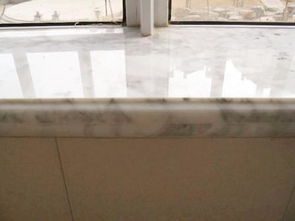
The way the resin cures, the particle size, and the quality of pigments all influence scratch resistance, heat tolerance, and color stability. Imperfections in the mix or air pockets can create weak points that show up as wear spots or early signs of damage.
Primary Drawbacks at a Glance
Scratch Resistance and Surface Wear
Engineered marble is not as hard as natural quartz or granite. It’s more prone to fine scratches from everyday use—knives, utensils, and even abrasive cleaning pads can dull the surface over time. Deep scratches can be difficult to repair and may require refinishing or partial replacement.
Heat Sensitivity and Thermal Shock
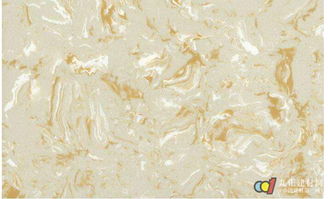
High temperatures can soften the resin binder. Placing hot pots or pans directly on the surface can cause discoloration, burns, or cracks. The surface may recover from minor heat exposure, but persistent heat damage is often permanent.
Porosity, Staining, and Sealing Needs
While cultured marble is designed to be non-porous, some formulations aren’t perfectly sealed or uniform. This means certain oils, dyes, or pigments can seep in if the surface is damaged or if gaps exist along seams. Staining is more likely with some foods and beverages (think turmeric, wine, or strong oils) if you spill and don’t clean promptly.
Color Fading, Pattern Wear, and UV Exposure
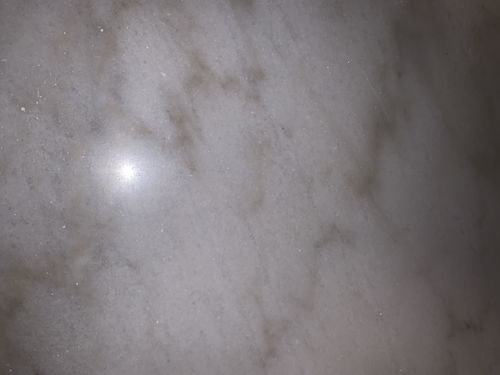
Direct sun exposure can fade colors over time or cause uneven patina. In bright kitchens with lots of natural light, you might notice a more pronounced color shift or a mismatch with other surfaces over the years.
Real-World Usage Limitations
Kitchen Counter Wear and Stain Susceptibility
In kitchens, the surface bears the brunt of daily activity: chopping, slicing, splashes, and spills. Although it’s easier to clean than some materials, the combination of abrasion from utensils and acidic or colored spills can dull finish and create stubborn stains if not addressed quickly.
Bathroom, Humidity, and Mold Risk
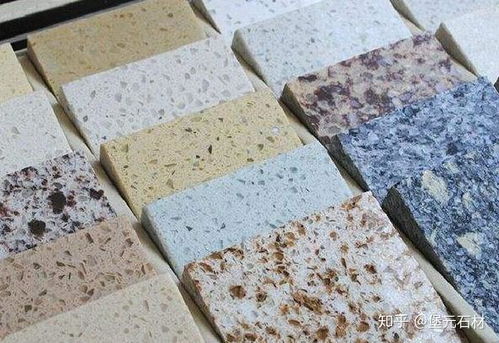
Bathrooms add moisture, humidity, and temperature fluctuations. While cultured marble is resistant to mold and mildew, frequent exposure to standing water at seams or poorly sealed edges can lead to mold growth behind the surface in rare cases. Proper caulking and sealing help reduce this risk.
Crack Risk Under Heavy Loads or Impact
A heavy object dropped on a corner or edge can cause a crack that travels through the laminate and into the binder. Repairs can be costly or impractical, and sometimes a full panel swap is necessary.
Edge and Seam Vulnerabilities
Seams between panels are potential weak points. If joints aren’t properly sealed, moisture can collect, leading to staining, swelling, or edge separation over time.
Maintenance, Care, and Cost Considerations
Cleaning Routines and Common Myths
Clean with mild soap and water or products designed for cultured marble. Avoid harsh solvents or abrasive scrubbers, which can dull the surface. Some myths claim you can use acidic cleaners freely; in reality, repeated exposure to acids (like lemon juice or vinegar) can dull polish and shorten the life of the surface.
Sealing Requirements and Maintenance Frequency
Unlike natural granite, many cultured marble surfaces don’t require periodic sealing, but some formulations benefit from a light sealer to improve stain resistance. Check the manufacturer’s guidance. If you notice a change in sheen, dull spots, or increased staining, resealing may be advisable.
Installation Costs and Professional Needs
Professional installation matters. Proper alignment, seam handling, and curing processes affect long-term performance. While the material itself can be relatively affordable, installation can push up costs, especially for elaborate edge profiles or large islands.
Repairability vs Replacement
Minor scratches can sometimes be buffed out, but deep damage or severe cracking often requires professional repair or replacement of the affected section. If a surface is extensively damaged, it may be more economical to replace sections rather than redo the entire surface.
Environmental and Health Aspects
Manufacturing Footprint and Emissions
The production of resin-bound materials involves energy use and chemical processing. VOC emissions and energy intensity are considerations for eco-conscious buyers. Some brands work on lower-emission formulations or recycled content; it’s worth checking product data sheets.
End-of-Life Disposal and Recyclability
Engineered marble is not as easily recyclable as some other materials. At end of life, it often goes to landfills unless a manufacturer offers take-back or recycling programs. This aspect matters if sustainability is a priority for you.
Comparisons with Alternative Materials
Cultured Marble vs Natural Marble
Natural marble offers unique veining and a timeless look but is porous and prone to staining and etching from acids. Cultured marble provides a more uniform appearance and easier fabrication, but with a different set of durability limits. If you want the “stone look” with lower maintenance, cultured marble can be appealing; if you crave the natural variability and proven stain resistance of a hard stone, natural marble might be better—knowing it requires more upkeep.
Cultured Marble vs Engineered Quartz
Engineered quartz (often simply called quartz) is typically harder and more heat resistant than cultured marble because it uses quartz crystals bound with resin. Quartz surfaces are generally more durable, less prone to scratching, and more resistant to heat, but they can be more expensive and may require more careful maintenance around strong alkalis or certain cleaners.
Cost, Durability, and Maintenance Trade-offs
In short, quartz tends to outperform cultured marble in durability and heat resistance, but cultured marble can be a more affordable option with easier fabrication for certain shapes. Your priorities—economics, look, maintenance routine—will steer the choice.
How to Mitigate the Downsides: A Buyer’s Guide
Choosing the Right Product: Brand, Origin, Certifications
Look for products with reputable backing, consistent color through the slab, and certifications like GREENGUARD or other safety/environmental standards. Request an actual sample to inspect color and veining, and ask about warranty terms and representative performance data.
Best Practices for Care and Usage
- Use cutting boards and trivets to protect surfaces from scratches and heat.
- Wipe up spills promptly to minimize staining potential.
- Avoid abrasive cleaners and scouring pads; opt for soft cloths and mild detergents.
- Clean and reseal or recoat as recommended by the manufacturer, especially along seams.
Design Tips to Minimize Visible Wear
- Choose lighter, more forgiving patterns for high-traffic kitchen zones.
- Plan for larger uninterrupted surface areas away from heavy-use zones.
- Employ protective edge treatments in high-stress areas to improve longevity.
Conclusion and Quick Decision Checklist
Engineered marble offers a balance of aesthetics and affordability, but its drawbacks—scratches, heat sensitivity, potential seam issues, and environmental considerations—mean it’s not the one-size-fits-all solution. If your space prioritizes uniform veining, ease of fabrication, and lower upfront cost, cultured marble can be a sensible pick. If you expect heavy daily heat exposure, frequent pan use, or you prioritize maximum durability and heat resistance, you might lean toward engineered quartz or natural stone alternatives.
Quick decision checklist:
- Do you expect high heat exposure on the surface? If yes, lean toward alternatives with higher heat resistance.
- Are you okay with routine care to prevent staining and scratches? If yes, cultured marble can work well.
- Is eco-friendliness and recyclability a top priority? Check product certifications and end-of-life programs.
- Do you value uniform appearance with fewer natural imperfections? Cultured marble delivers consistent looks.
- Will you invest in professional installation and proper maintenance? This can significantly affect longevity.
In the end, understanding the specific product’s composition, finish, and recommended maintenance will help you weigh the pros and cons effectively.
FAQs
Q: How does engineered marble compare to granite?
A: Granite is a natural stone with excellent heat resistance and a unique, natural pattern but it’s porous unless sealed and requires ongoing sealing and maintenance. Engineered marble is non-porous and more uniform but generally not as heat resistant or scratch-proof as granite. It’s a trade-off between maintenance ease and durability.
Q: Can I repair chips or scratches on cultured marble?
A: Minor scratches can sometimes be buffed out, and small chips may be repairable with resin touch-ups. Deep damage often requires professional repair or replacement of the affected area. Prevention by using cutting boards and trivets is key.
Q: Is sealing always required for cultured marble?
A: Not universally, but some formulations benefit from resealing to enhance stain resistance, especially along seams. Follow the manufacturer’s guidance for your specific product.
Q: How long does cultured marble last in a kitchen?
A: Lifespan varies with usage and maintenance, but with proper care, many installations can last 10–20 years or more. More demanding environments or heavier use can shorten that timeline.
Q: What should I look for when buying cultured marble?
A: Look for consistent color through the slab, minimal filler episodes, a solid warranty, clear maintenance guidelines, and certifications. Also check the seam treatment, edge profiles, and whether the product has any published performance data for scratch and heat resistance.









