
Part 1: Outline
- H1: The Pros and Cons of Engineered Marble: Is Artificial Marble Worth It?
- H2: What Is Engineered Marble?
- H3: Composition and Production
- H4: Raw Materials
- H4: Manufacturing Techniques
- H3: Common Brands and Types
- H4: Cultured Marble vs Quartz vs Other Engineered Stones
- H2: Advantages of Engineered Marble
- H3: Non-Porous Surface and Hygiene
- H3: Consistent Color and Pattern
- H3: Broad Color Palette and Design Flexibility
- H3: Lower Maintenance
- H2: Drawbacks and Limitations
- H3: Heat Sensitivity and Scorch Risk
- H3: Scratch and Impact Vulnerabilities
- H3: Seams and Repairs
- H3: Price and Value Considerations
- H2: Engineered Marble vs Natural Marble vs Quartz
- H3: Porosity and Maintenance Differences
- H3: Aesthetics and Longevity
- H2: Practical Applications
- H3: Kitchen Countertops
- H3: Bathroom Vanities and Showers
- H3: Backsplashes and Flooring
- H2: Choosing The Right Type For You
- H3: Budget and Lifestyle
- H3: Color and Pattern Preferences
- H3: Maintenance Expectations
- H2: Care and Longevity Tips
- H3: Daily Cleaning
- H3: Stain and Heat Management
- H3: Repair and Renovation Options
- H2: Common Myths About Engineered Marble
- H3: It Is Not Real Marble
- H3: It Can’t Look Natural
- H2: FAQs
- H3: What is engineered marble made of?
- H3: Is engineered marble durable?
- H3: Can you put hot pots on engineered marble?
- H3: Does engineered marble stain easily?
- H3: How long does engineered marble last?
- H2: Conclusion
Part 2: Article
The Pros and Cons of Engineered Marble: Is Artificial Marble Worth It?
What Is Engineered Marble?
Imagine you could capture the beauty of natural marble without some of its headaches. Engineered marble is exactly that: a man-made stone surface created by combining crushed marble (or other stone) with resins and fillers to form slabs that mimic the look of real marble. It’s widely used for countertops, vanity tops, backsplashes, and even some flooring options. The key idea is consistency—color, pattern, and texture that you can’t always count on with natural marble.

Composition and Production
Engineered marble isn’t a single product. It spans a family of materials, from cultured marble to quartz-based engineered stones. The binder (often resin) holds the aggregate together, which can be real marble particles or other crystals, depending on the brand and the finish you choose.
Raw Materials
In cultured marble, crushed marble is combined with resin and pigment. In quartz-based engineered stones, crushed quartz crystals are bound with resin. Some products mix marble dust with other minerals to tweak hardness, color, and heat resistance. The result is a solid, non-porous surface that’s easier to work with than natural stone in many ways.

Manufacturing Techniques
Most engineered stones are formed in slabs under high pressure and heat. The process aims for a dense, uniform surface. After curing, the slabs are cut, polished, and sometimes honed to resemble natural marble. Some brands offer integrated sinks—where the countertop and sink are one continuous piece—adding to the seamless look and easier maintenance.
Common Brands and Types
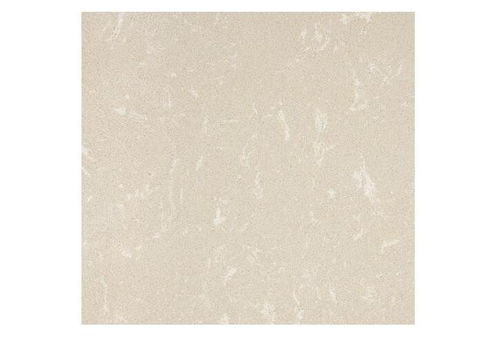
You’ll see a range of options labeled as engineered marble or engineered stone. Quartz-based options (often marketed as “quartz” or “engineered quartz”) are especially popular for kitchens due to their durability and stain resistance. Cultured marble tends to be smoother and can have softer veining that imitates marble.
Cultured Marble vs Quartz vs Other Engineered Stones
- Cultured marble: resin-bound marble dust; generally a bit softer and more economical; great for bathrooms and vanity tops, but can be more susceptible to scratching and heat damage.
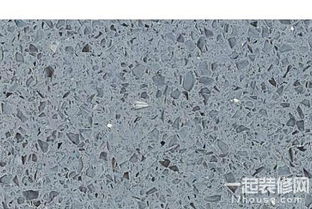
- Engineered quartz: bound with resin and quartz crystals; exceptionally hard, highly stain-resistant, and less prone to scratching (though not indestructible); a wide palette of patterns that mimic marble or go beyond it.
- Other engineered stones: blends using glass, porcelain, or recycled materials; these offer niche looks and performance characteristics.
Advantages of Engineered Marble
Engineered marble brings several practical perks. If you value beauty with a bit more predictability and less upkeep, this stuff can be a strong contender.
Non-Porous Surface and Hygiene
Most engineered stones (especially quartz-based) are non-porous. That means fewer places for liquids to seep in and stain the surface, which translates to improved hygiene and easier cleaning. Spills tend to sit on the surface rather than ghosting into the stone, which is a big win in kitchens and bathrooms.
Consistent Color and Pattern
Natural marble is a treasure, but its variability can be a headache if you’re after a uniform look. Engineered marble gives you consistent color, veining, and patterns across entire slabs. It’s easier to match across multiple countertops or islands and reduces the need for eye-balling at the shop.
Broad Color Palette and Design Flexibility
If you’re aiming for a specific vibe—modern, classic, or something bold—engineered marble offers a ton of options. You’re not limited to the colors and veining found in nature; you can get dramatic whites, deep blacks, or more monotone tones that fit your space.
Lower Maintenance
Compared to some natural stones, engineered marble often requires less maintenance. With non-porous surfaces, you typically don’t need frequent sealing. Routine cleaning with mild soap and water keeps things gleaming, and you don’t have to babysit the surface with special cleaners as often.
Drawbacks and Limitations
No material is perfect, and engineered marble has its own set of trade-offs. Being aware of them helps you decide if this is the right fit for your home.
Heat Sensitivity and Scorch Risk
While you might be tempted to drop a hot pan on any countertop, engineered marble is not as heat-tolerant as granite or some quartz products. Excessive heat can cause discoloration, scorching, or warping in some formulations. The rule of thumb: use trivets or hot pads. It’s not a catastrophe, but it’s a factor to plan around.
Scratch and Impact Vulnerabilities
Quartz-based engineered stone is incredibly hard, but cultured marble can be more susceptible to scratching and gouges. Dropping heavy utensils or dragging a sharp object can leave marks. If you’re a heavy cook or you work with abrasive tools, you might prefer a tougher surface or more careful usage. That said, surface damages can often be repaired by professionals, but that adds cost and downtime.
Seams and Repairs
Engineered slabs are installed in pieces. Seams are a reality, especially for longer counters or larger islands. Seam visibility and the challenge of matching veining across seams can affect the final look. Repairs to damaged areas may require resurfacing or patching, which isn’t as simple as patching a wooden surface.
Price and Value Considerations
Engineered marble tends to be more affordable than premium natural marble, but prices vary widely by brand, thickness, and finish. If you’re chasing the exact look of rare marble veining, you may pay a premium for high-end engineered options. On the other hand, if you’re after a budget-friendly, durable surface, engineered marble can be a compelling choice.
Engineered Marble vs Natural Marble vs Quartz
Understanding how engineered marble stacks up against the real deal and against quartz helps clarify what you’re trading off.
Porosity and Maintenance Differences
- Natural marble is porous and susceptible to staining from acidic substances; it often requires sealing and more meticulous maintenance.
- Engineered marble (especially quartz-based) is generally non-porous and more resistant to stains, but specific formulations vary. Cultured marble can be more porous and may need sealing or more careful care.
- Quartz-based engineered stone is the most low-maintenance option of the three, with excellent stain resistance and ease of cleaning.
Aesthetics and Longevity
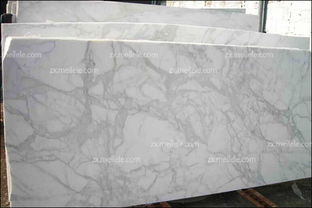
- Natural marble offers unique, one-of-a-kind veining; it’s coveted for its authenticity but can be expensive and require more upkeep.
- Engineered marble provides consistent visuals, which is ideal for coordinated design plans and timelines. Longevity often depends on the product type and how you treat it (heat exposure, scratching, chemical cleaners).
- Quartz-based engineered stone tends to deliver top-tier durability and long life with a wide design range, including marble-like patterns.
Practical Applications
Where engineered marble shines depends on use case, lifestyle, and expectations for maintenance.
Kitchen Countertops
For many homeowners, engineered marble offers a beautiful kitchen surface with better stain resistance than traditional natural marble. If you’re mindful of heat and avoid heavy impact, it can serve well in food prep areas. For high-heat cooking zones, you might still lean toward materials with higher heat tolerance.
Bathroom Vanities and Showers
Bathrooms are a natural fit for engineered marble. The non-porous surface helps resist mold and mildew, and the smoother maintenance makes upkeep easier. Seams in bathrooms can be less noticeable due to shorter spans and a tighter fit, which ties into overall aesthetics.
Backsplashes and Flooring
Backsplashes, with their shorter exposure to heat, are a strong application. Some engineered stones can be used on light-duty flooring as well, though you’ll want to consider abrasion resistance and slip resistance in wet areas.
Choosing The Right Type For You
The best choice depends on your priorities—budget, style, and how you actually use the space.
Budget and Lifestyle
If you want marble aesthetics without the premium, engineered marble gives you cost savings with a similar look. If your budget allows and you crave the highest possible durability, quartz-based engineered stone or even alternative surfaces may beat cultured marble.
Color and Pattern Preferences
If you’re chasing dramatic veining or a very specific marble look, engineered options can get you close or even exceed what natural marble can offer in color consistency. Decide how important uniformity is to your design.
Maintenance Expectations
Be honest about how much upkeep you’re willing to do. Non-porous quartz is low maintenance and forgiving; cultured marble requires a bit more care, especially regarding heat and potential staining in some formulations.
Care and Longevity Tips
Treat engineered marble surfaces with care to maximize lifespan and maintain beauty.
Daily Cleaning
Use a soft cloth or non-abrasive sponge with mild dish soap and warm water. Wipe up spills promptly, especially acidic substances like citrus or tomato-based sauces, to minimize any potential staining.
Stain and Heat Management
Sealants are not always required for the entire family of engineered stones, but for certain cultured marble lines, a gentle sealant can help with stain resistance. Always use trivets or hot pads rather than placing hot pots directly on the surface.
Repair and Renovation Options
For minor scratches on cultured marble, a professional resurfacing or polishing can restore the surface. Deeper gouges may require patching or replacement of the affected section. For quartz-based surfaces, most repairs are best handled by pros and can be costly, especially if an entire slab needs replacement.
Common Myths About Engineered Marble
Let’s debunk a couple of common misunderstandings:
It Is Not Real Marble
Engineered marble offers the look and feel of marble without some of the drawbacks. It’s not a rock carved from a quarry, but it can deliver a convincing marble aesthetic with practical benefits.
It Can’t Look Natural
With advances in veining patterns, translucency, and color depth, many engineered marbles look strikingly natural. High-end lines and careful selection can yield surfaces that closely mimic natural marble’s charm while staying within your maintenance and budget preferences.
FAQs
1) What is engineered marble made of?
Engineered marble combines crushed marble or stone with resins and pigments to form slabs. The exact composition varies by brand and product line (cultured marble versus engineered quartz, for example).
2) Is engineered marble durable?
Durability depends on the formulation. Quartz-based engineered stones are extremely durable and scratch-resistant; cultured marble is durable but can be more susceptible to scratching and heat damage. Overall, it’s durable enough for everyday use when treated with care.
3) Can you put hot pots on engineered marble?
Use heat protection. While some engineered stones tolerate heat reasonably well, prolonged exposure to high heat can cause discoloration or damage, especially on cultured marble. Always use trivets.
4) Does engineered marble stain easily?
Non-porous quartz-based surfaces resist stains well. Cultured marble can stain more easily if not properly sealed or if exposed to strong pigments, acidic substances, or prolonged moisture in porous formulations.
5) How long does engineered marble last?
With good maintenance, engineered marble can last many years—often longer than some natural stones in terms of maintenance burden. Longevity depends on the product type, care you give it, and how harshly you use it.
Conclusion
Engineered marble offers a compelling blend of beauty, practicality, and value. If you crave the classic marble aesthetic but want better consistent color, easier maintenance, and a broader design palette, this family of materials can be a solid fit. The trade-offs come down to heat sensitivity, scratch resistance (especially in cultured marble), seam visibility, and budget nuance. By weighing how you live in your space—how hot your kitchen runs, how careful you are with surfaces, and how important a flawless, uniform look is to you—you can decide whether engineered marble is the right choice for your home. If you want a surface that looks marble, stays relatively easy to care for, and fits a sensible budget, engineered marble is worth considering. If you prioritize ultimate heat resistance or the one-of-a-kind drama of natural veining, you may prefer alternative materials or natural marble with a well-planned maintenance routine.
FAQs (summary)
- What is engineered marble made of?
- Is engineered marble durable?
- Can you put hot pots on engineered marble?
- Does engineered marble stain easily?
- How long does engineered marble last?









