
Part 1: Outline
The Drawbacks of Artificial Marble: Why It Might Not Be Your Best Choice
What is artificial marble? Quick definitions
Composition and materials
Resin binders, aggregates, and pigments
Manufacturing processes at a glance
Compression, curing, and finishing
Aesthetic limitations
Pattern uniformity versus natural variation
Color longevity and UV exposure
Fading and yellowing risks
Surface finish changes over time
Gloss loss and micro-scratching
Durability and performance concerns
Scratches, chips, and scuff marks
Heat resistance and thermal shock
Safe temps and potential damage thresholds
Impact resistance and cracking risks
Maintenance challenges
Stain susceptibility and porosity myths
Cleaning agents and chemical compatibility
Sealing and upkeep realities
When sealing is required vs optional
Installation and structural considerations
Seam visibility and joint integrity
Expansion, contraction, and cracking
Substrate and support requirements
Handling and transportation concerns
Hygiene and environmental health
Microbial growth on porous vs non-porous surfaces
Cleaning regimes and safety considerations
Off-gassing and indoor air quality
Cost and lifecycle
Upfront cost vs long-term maintenance
Replacement cycles and resale value
Warranty considerations
Environmental impact
Production emissions and resource use
End-of-life disposal and recyclability
Alternatives and decision framework
When to choose artificial marble
How to evaluate durability and brand warranties
Other engineered options vs natural stone
Quartz, solid surface, and ceramic alternatives
Practical tips to mitigate drawbacks
Selecting high-quality products and brands
Proper installation practices
Maintenance routines that extend life
Daily care and stain management
Conclusion
FAQs
1. Is artificial marble suitable for a busy kitchen?
2. Can scratches on artificial marble be repaired?
3. Do I need to seal artificial marble countertops?
4. How does artificial marble compare to natural marble for stain resistance?
5. What should I consider regarding the environmental impact of artificial marble?
Part 2: Articles
The Drawbacks of Artificial Marble: Why It Might Not Be Your Best Choice
Artificial marble, also known as engineered or cultured marble, sits at a crossroads between natural stone and modern composites. It can be beautiful, affordable, and practical in the right setting, but it also comes with a set of drawbacks worth weighing before you commit. In this article, we’ll break down what artificial marble is, where it tends to fall short, and how to decide if it’s the right fit for your project. Think of it as a practical guide for choosing with your eyes wide open rather than chasing hype.

What is artificial marble? Quick definitions
Composition and materials
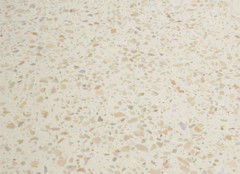
Artificial marble is typically made by combining a resin binder with crushed stone (often marble dust or other aggregates), then coloring and finishing the surface. The exact mix varies by product line, but you’ll commonly encounter two broad families: resin-based engineered marble and cement-based or cultured marble. The binder and aggregates create a solid, non-porous surface that feels stone-like but isn’t actually natural marble.
Manufacturing processes at a glance
The process usually involves mixing the aggregates with a binder, forming slabs, curing, and then finishing with a smooth or polished surface. Some lines emphasize ultra-fine pigments for uniform color, while others aim to mimic dramatic veining. Regardless of the look, the core idea is to deliver a hard, uniform countertop or surface that’s easier to manufacture and more consistent in price than natural stone.
Aesthetic limitations
Pattern uniformity versus natural variation
One of the first trade-offs with artificial marble is visual uniformity. Natural marble features unpredictable veining and dramatic quirks that tell a story every time you walk into a room. Engineered marble tends to be more uniform from slab to slab, which can feel less unique. If you crave the “one-off” character of real stone, you might miss the natural drama.
Color longevity and UV exposure
Fading and yellowing risks
Colors in artificial marble can fade over time with prolonged sun exposure or certain cleaners. Some resins are more stable than others, but UV exposure can dull the vibrancy or alter how the veining appears. If a sun-drenched kitchen or bathroom is in your plans, check the product’s UV resistance and warranty specifics.
Surface finish changes over time
Gloss loss and micro-scratching
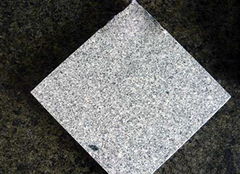
Even with a hard surface, micro-scratches can accumulate with regular use, especially in high-traffic kitchens. Over years, the finish may lose its initial luster, and you could notice micro-scratches that catch light differently. Polishing or resurfacing may be possible, but it’s not as simple as resealing natural stone in some cases.
Durability and performance concerns
Scratches, chips, and scuff marks
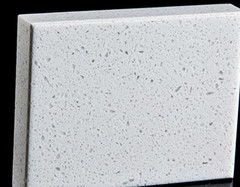
Compared with high-end natural stone, artificial marble can be more prone to visible scratches and minor chips, especially along edges and high-use zones. While the surface is tough, it isn’t indestructible. Sharp knives or heavy impacts can leave marks that are difficult to disguise.
Heat resistance and thermal shock
Safe temps and potential damage thresholds
Engineered marble isn’t as heat-tolerant as some natural stones like granite. Placing very hot pots directly on the surface can cause discoloration, surface damage, or micro-cracking in some formulations. Using trivets or heat-resistant mats is a wise habit, especially in busy kitchens.
Impact resistance and cracking risks
Aside from heat, heavy objects dropped on the surface can crack or dent the surface, particularly if the substrate underneath isn’t adequately supported. Proper substrate preparation and professional installation help reduce these risks, but they don’t eliminate them entirely.
Maintenance challenges
Stain susceptibility and porosity myths
Many people assume engineered marble is completely non-porous and maintenance-free. In reality, some variants have very low porosity but aren’t absolutely stain-proof. Oil-based spills, red wine, coffee, and certain dyes can leave marks if not cleaned promptly. Always check the manufacturer’s guidance on stain resistance for your exact product line.
Cleaning agents and chemical compatibility
Harsh cleaners, bleach, or acidic compounds can degrade the surface finish or alter color. It’s important to use pH-balanced cleaners or products recommended by the manufacturer. Avoid abrasive pads that can scratch the surface.
Sealing and upkeep realities
When sealing is required vs optional
Unlike many natural stones, some engineered marbles don’t require sealing, but others, especially lower-cost or more porous lines, may benefit from a periodic sealant. If your product calls for sealing, follow the manufacturer’s schedule strictly to maximize stain resistance.
Installation and structural considerations
Seam visibility and joint integrity
Seams in engineered marble can be more visible than in granite or quartz, particularly if color and veining don’t perfectly align across slabs. Skilled installation matters here; poor seam alignment can distract from the overall look and may invite staining at the joint.
Expansion, contraction, and cracking
Substrate and support requirements
All solid-surface materials respond to temperature and humidity changes. If the base cabinet or substrate isn’t solid or if edges aren’t properly sealed, you may see seam gaps or micro-movements that can lead to long-term cracking.
Handling and transportation concerns
Sheets and slabs are heavy. Proper handling is essential to avoid chipping or edge damage during transport and installation. This isn’t a flaw of the material so much as a reminder to hire experienced installers for larger projects.
Hygiene and environmental health
Microbial growth on porous vs non-porous surfaces
Non-porous surfaces are generally easier to wipe clean and less prone to harbor bacteria. However, some engineered marbles have micro-porosity in practice, especially if damaged or poorly maintained. Regular cleaning with appropriate cleaners helps keep hygiene in check.
Cleaning regimes and safety considerations
A consistent cleaning routine that avoids harsh chemicals will extend surface life and keep it safer to use, especially in kitchens and bathrooms where food or skin contact is frequent.
Off-gassing and indoor air quality
Most engineered stones don’t off-gas significantly, but some cement-based or resin-heavy products can emit trace VOCs during curing or in the initial period after installation. Adequate ventilation and choosing low-VOC formulations can mitigate this concern.
Cost and lifecycle
Upfront cost vs long-term maintenance
Artificial marble often costs less upfront than premium natural stone, but maintenance costs—if any—can add up over time. Consider your expected life cycle, maintenance needs, and potential resealing or refinishing when evaluating price.
Replacement cycles and resale value
If you anticipate frequent updates or resale, the perceived value of authentic stone might be higher for some buyers. Engineered marble can be a solid middle-ground, but it may not hold resale value as strongly as high-end natural stone in certain markets.
Warranty considerations
Warranties vary widely by brand and product line. A longer, more comprehensive warranty can be a helpful indicator of durability, but read the fine print about what’s covered (surface damage, staining, seams, etc.) and for how long.
Environmental impact
Production emissions and resource use
Engineered marble involves resin production and processing of aggregates, which has associated energy use and emissions. If environmental footprint is a priority, compare manufacturers’ sustainability statements and look for certifications.
End-of-life disposal and recyclability
Disposal can be tricky. While some components may be recyclable, others may not be easily recycled in standard municipal programs. Check local waste guidelines and brand take-back options if sustainability matters to you.
Alternatives and decision framework
When to choose artificial marble
If you want a cost-conscious option with a consistent pattern and a smooth, easy-to-clean surface for moderate-use kitchens or bathroom vanities, engineered marble can be a good fit—provided you understand its limitations.
How to evaluate durability and brand warranties
- Look for products with clear abrasion and stain resistance data.
- Check warranty terms for surface integrity, seams, and colorfastness.
- Read independent reviews focusing on real-world wear in kitchens and bathrooms.
Other engineered options vs natural stone
Quartz, solid surface, and ceramic alternatives
- Quartz (engineered stone) often offers superior scratch and heat resistance compared with many engineered marbles but has its own set of cautions (harder surface can show chips, heavy impact risk).
- Solid surface (like Corian) is highly repairable and non-porous, with seamless joints and a broad color range, but may be softer and more prone to scratches.
- Ceramic or porcelain slabs can deliver extraordinary durability and heat resistance but require professional fabrication and installation.
Practical tips to mitigate drawbacks
Selecting high-quality products and brands
Prioritize products with robust warranty terms, low VOC emissions, and transparent testing data. Read literature about UV stability and stain resistance for the exact color you want.
Proper installation practices
Work with experienced fabricators who understand seam alignment, substrate prep, and edge detailing. The quality of installation can significantly influence longevity and appearance.
Maintenance routines that extend life
Daily care and stain management
Wipe up spills quickly, use soft cloths, and avoid abrasive cleaners. For tougher stains, follow manufacturer-approved methods rather than guessing.
Conclusion
Choosing artificial marble isn’t a one-size-fits-all decision. It offers consistent aesthetics, relatively simple maintenance, and often lower upfront costs, but it can come with limitations in durability, long-term appearance, and environmental considerations. If your priorities lean toward budget-conscious design, easy maintenance, and a clean, uniform look, engineered marble can be a solid option—provided you select a high-quality product, plan for proper installation, and commit to a sensible maintenance routine. If you crave the unique drama of natural stone, or you’re planning a high-heat, high-use kitchen, natural marble or a more resilient engineered alternative might be a better fit. Weigh the pros and cons, check warranties, and talk to installers to make a choice that matches your lifestyle and your space.
FAQs
1. Is artificial marble suitable for a busy kitchen?
Yes, it can be suitable, but you’ll want a formulation with strong stain resistance and a solid maintenance plan. Use heat protectors and clean spills promptly to keep it looking good.
2. Can scratches on artificial marble be repaired?
Minor scratches can often be polished out or buffed by professionals, depending on the product. Deep scratches may require refinishing or replacing the affected slab.
3. Do I need to seal artificial marble countertops?
Many engineered marbles don’t require sealing, but some porous variants benefit from periodic sealing. Follow the manufacturer’s guidance for your specific product.
4. How does artificial marble compare to natural marble for stain resistance?
Natural marble is more porous and prone to staining from acids and oils. Engineered marble, especially non-porous formulations, generally handles stains better, but outcome depends on the brand and color.
5. What should I consider regarding the environmental impact of artificial marble?
Look at production emissions, resin types, VOC levels, and end-of-life recyclability. Choose brands with transparent sustainability data and consider installation timing to minimize environmental impact.









