
人造石又叫什么板材名称,人造石是什么材料做的,对人体有害?
When you walk into a high-end kitchen or a sleek, minimalist hotel lobby, your eyes are immediately drawn to the expansive, seamless surfaces that seem to defy the laws of nature. They possess the veining of marble, the ruggedness of granite, and a level of perfection that feels almost supernatural. You might ask the designer, “What is this made of?” and depending on who you ask, you’ll get a dozen different answers. Some call it engineered stone, others call it solid surface, and some might simply refer to it by a brand name like Corian or Caesarstone. But in the industry, the umbrella term is “artificial stone” (人造石).
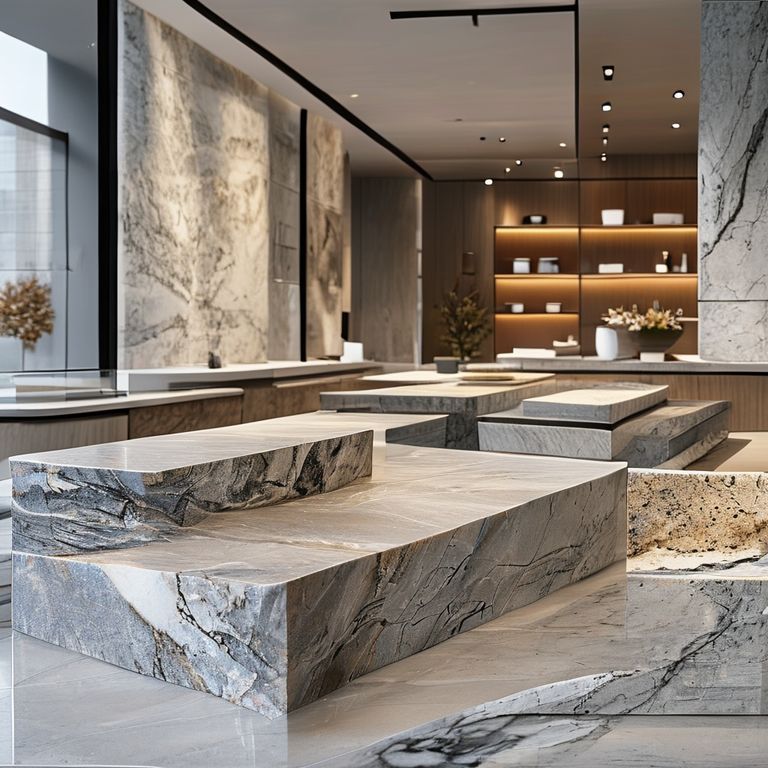
The question of “what else is artificial stone called?” isn’t just a matter of semantics; it’s a journey through the evolution of material science. Artificial stone is a chameleon. It is a man-made marvel designed to mimic—and often surpass—the qualities of natural rock. By combining crushed stone with resins, pigments, and binders, manufacturers have created a category of “boards” or “slabs” that have revolutionized interior architecture. To understand these materials, we have to look past the generic labels and explore the specific “board names” that define their character and utility.
The most common alias you will encounter is Engineered Stone. This term is most frequently associated with Quartz. If you’ve ever shopped for a countertop, you’ve likely seen slabs that look like Calacatta marble but feel indestructible. This is engineered stone. It is typically composed of about 90% to 94% crushed natural quartz—one of the hardest minerals on Earth—mixed with polyester resins. The result is a non-porous, incredibly dense material. People love it because it doesn’t require the constant sealing and babying that natural marble demands. In the world of “board names,” this is the heavyweight champion. It’s the go-to for anyone who wants the luxury look without the “Oh no, I spilled red wine” panic.
Then, we have the Solid Surface. If engineered stone is the tough-as-nails sibling, the solid surface is the artistic, flexible one. Often referred to by its pioneer name, Corian, this material is a blend of acrylic or polyester resins and bauxite ore. What makes solid surface unique in the world of artificial boards is its ability to be “thermoformed.” This means it can be heated and bent into curves, waves, and seamless transitions. Have you ever seen a reception desk that looks like a single, continuous loop of stone? That’s likely a solid surface board. Because it’s the same material all the way through, scratches can be sanded out, making it a favorite for high-traffic commercial spaces.
Moving further into the nomenclature, we find Synthetic Marble or Cultured Marble. This is often what people are referring to when they use the term “artificial stone” in a more budget-conscious context. Usually made from marble dust and resin, it’s a popular choice for bathroom vanities and bathtub surrounds. It offers that classic, swirly aesthetic at a fraction of the cost. While it might not have the heat resistance of quartz, its ability to be molded into specific shapes—like a sink integrated directly into the countertop—makes it a staple in residential design.
But why the obsession with these man-made boards? Why not just stick to what the Earth provides? The answer lies in the limitations of nature. Natural stone is beautiful, but it is also unpredictable. It has fissures, it stains, and it varies wildly in color from one end of a slab to the other. Artificial stone boards provide “controlled beauty.” When you choose a specific board name, you are choosing consistency. You know that the sample you held in the showroom will look exactly like the slab installed in your home.
Furthermore, the “names” of these boards often dictate their technological edge. Take Inorganic Artificial Stone, for instance. This is a newer player in the market, often referred to as “eco-stone.” Unlike traditional engineered stone that uses petroleum-based resins, inorganic stone uses cement or other eco-friendly binders. This makes it more fire-resistant and suitable for outdoor use, where UV rays would typically yellow a resin-based slab.
As we explore the world of artificial stone, it becomes clear that “what it’s called” depends entirely on its DNA. Whether it’s the resin-heavy flexibility of a solid surface or the mineral-dense durability of engineered quartz, these materials represent the pinnacle of human ingenuity in the decorative arts. They aren’t just “fake stone”; they are a specialized class of building materials that have earned their place in the pantheon of modern design. In the next section, we’ll dive into the more “high-tech” aliases of artificial stone, such as sintered stone, and look at how to navigate the marketplace to find the board that perfectly matches your vision.
As we venture deeper into the sophisticated world of artificial stone, the terminology shifts from the familiar to the futuristic. If the first generation of these materials was about mimicking nature, the current generation is about transcending it. One of the most buzz-worthy names you’ll hear today in the “board name” lexicon is Sintered Stone. While often lumped into the artificial stone category, sintered stone—sometimes called “Ultra-Compact Surfaces”—is a breed apart.
Imagine taking the raw minerals found in granite and porcelain, subjecting them to immense pressure (thousands of tons), and then “firing” them in a kiln at temperatures exceeding 1200°C. This process, known as sintering, mimics the natural metamorphic process that takes millions of years, but does it in a matter of hours. The result is a board that is practically indestructible. It’s heat-proof, scratch-proof, and UV-resistant. Brands like Dekton or Neolith have made this name synonymous with high-end exterior cladding and professional-grade kitchens. When someone asks for “artificial stone” that can withstand a blowtorch or the freezing rain of a skyscraper’s exterior, sintered stone is the name on everyone’s lips.
Another name making a massive comeback is Artificial Terrazzo. Once the humble flooring of mid-century schools and hospitals, modern terrazzo boards have been reimagined as high-fashion decorative elements. These boards are made by embedding chips of marble, quartz, glass, or even mother-of-pearl into a cementitious or resin base. The “board” format is a game-changer; instead of having to pour and grind terrazzo on-site (a messy, labor-intensive process), designers can now buy pre-fabricated slabs that are easy to install. The name “Terrazzo” carries a sense of playfulness and texture that other artificial stones can’t match. It’s the “it-girl” of the boutique hotel world right now.
But let’s talk about the “why” behind the names. Why do we need so many different boards? It comes down to Application and Performance. If you are designing a laboratory, you aren’t looking for “artificial marble”; you are looking for Chemical-Resistant Solid Surface. If you are designing a high-volume restaurant, you aren’t just looking for “fake granite”; you are looking for High-Density Engineered Quartz. The name of the board tells the professional exactly what the material can handle.
One of the most interesting developments in the naming convention is the rise of Nano-Glass or Crystallized Glass Stone. This is an artificial stone that contains no resin at all. It is made from a blend of white glass and other minerals, resulting in a pure, snow-white surface that is harder than granite. It’s often called “the whitest stone on earth.” In the world of luxury bathrooms, this material is the gold standard for achieving a sterile, ethereal aesthetic that natural stone simply cannot provide without being prone to staining.
Choosing the right “board name” also involves understanding the maintenance profile. People often ask, “Is artificial stone maintenance-free?” The short answer is: nearly. Because these boards are engineered to be non-porous, they don’t harbor bacteria or mold, which is why they are so prevalent in healthcare settings. However, each type has its quirks. Sintered stone can be brittle on the edges if hit with a heavy pot, while solid surfaces can be scorched by a hot pan. Knowing whether your board is “Acrylic-based” or “Quartz-based” allows you to treat it with the respect it deserves, ensuring it lasts for decades.
In the global marketplace, especially in the manufacturing hubs of Asia, you might hear the term Vibratory Compression Slabs. This refers to the specific technology used to create high-quality artificial stone. By using vacuum-vibro-compression, manufacturers ensure there are no air bubbles in the board, making it incredibly dense. This technical name is a mark of quality; it distinguishes a premium “board” from a cheap, cast-molded imitation.
As we conclude this exploration of the “names” of artificial stone, it’s clear that we are talking about a vast ecosystem of materials. From the artistic fluidity of Solid Surface to the tectonic strength of Sintered Stone, and the classic reliability of Engineered Quartz, these boards represent the ultimate marriage of form and function.
When you are ready to embark on your next renovation or design project, don’t just ask for “artificial stone.” Use the specific names. Ask for the Engineered Quartz if you want a kitchen that survives a busy family. Ask for Solid Surface if you want a futuristic, seamless bathroom. Ask for Sintered Stone if you want an outdoor kitchen that looks like a piece of art. By understanding the language of these boards, you empower yourself to create spaces that are not only beautiful but are built to endure the rigors of modern life. Artificial stone isn’t just a substitute for the real thing; in many ways, it has become the standard by which all other surfaces are measured. It is the stone of the future, available in a board name that fits your life today.









