
The world of interior design is currently undergoing a silent revolution. Gone are the days when marble and granite were the only contenders for high-end luxury. Today, the spotlight has shifted toward a more versatile, durable, and arguably more beautiful alternative: artificial stone. Whether you are a homeowner embarking on a kitchen remodel or an architect drafting the next iconic commercial space, the first document you likely seek is the “人造石材价格表”—the artificial stone price list. But here is the secret: that list is more than just a collection of numbers; it is a roadmap to realizing a vision.
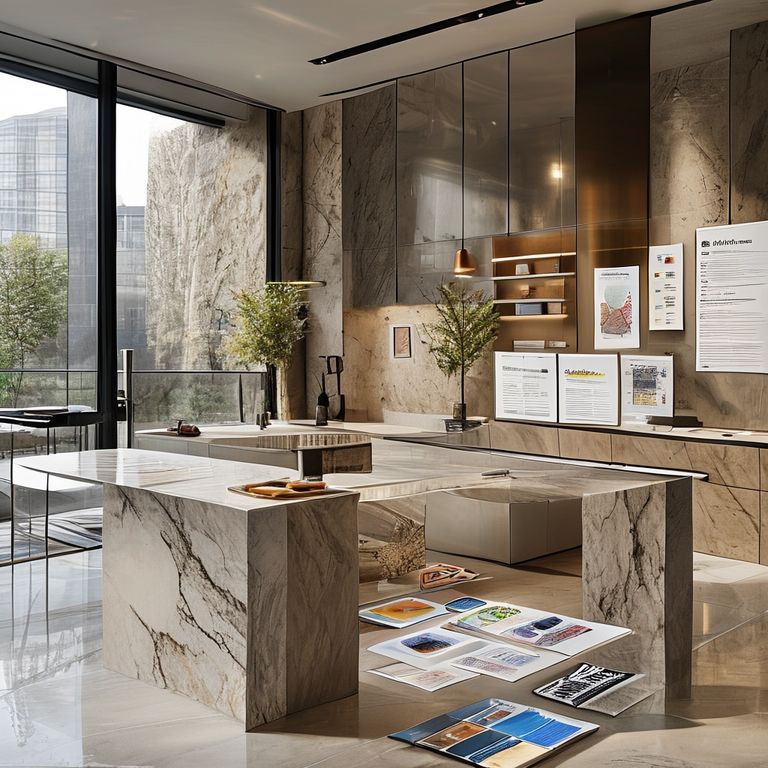
When you first glance at a price list for engineered surfaces, the variety can be dizzying. You see quartz, sintered stone, terrazzo, and acrylic solid surfaces. Each comes with its own set of technical specifications and a corresponding price point. The allure of artificial stone lies in its ability to mimic the raw, untamed beauty of natural minerals while shedding the flaws—the porosity, the fragility, and the unpredictable maintenance—that often come with them. But how do you navigate these costs? How do you distinguish between a budget-friendly slab and a high-end masterpiece?
Understanding the economics of artificial stone starts with the raw materials. Unlike natural stone, which is quarried and sliced, artificial stone is a triumph of human engineering. Quartz, for instance, typically consists of about 90% to 93% crushed natural quartz crystals bound together by high-quality resins and pigments. The price you see on the “人造石材价格表” reflects the purity of these materials. A premium slab uses clearer resins that won’t yellow over time and high-density quartz that resists scratches with almost supernatural efficiency. When you invest in the upper tiers of the price list, you aren’t just buying a surface; you are buying peace of mind.
Then, there is the aesthetic engineering. One of the primary reasons designers lean toward artificial stone is the consistency of pattern. With natural marble, you are at the mercy of the earth; you might fall in love with a sample only to find the actual slab has a giant, distracting vein right where your sink goes. Artificial stone offers “book-matching” and controlled aesthetics. Developing these patterns—veins that flow like ink in water or textures that mimic the ruggedness of concrete—requires significant R&D. On the price list, you will notice that slabs with “through-body” veining (where the pattern goes all the way through the stone) command a higher price than those where the pattern is merely printed on the surface. This is the difference between a surface that looks good from a distance and one that feels authentic to the touch.
Thickness is another silent driver of the price list. In the contemporary market, you will generally see 12mm, 15mm, 20mm, and sometimes 30mm options. While a 12mm slab might look sleek and modern, especially for wall cladding or minimalist bathroom vanities, a 20mm slab remains the gold standard for kitchen countertops due to its structural integrity. As you scan the “人造石材价格表,” you’ll see the price climb with every millimeter. However, the savvy buyer knows that thickness isn’t just about bulk; it’s about the presence the stone holds in a room. A thicker edge profile exudes a sense of permanence and luxury that thinner slabs can only dream of.
Beyond the physical slab, the price list often hints at the technological origin. Slabs manufactured using Italian Bretonstone technology, for example, often sit at a higher price point. Why? Because the vacuum vibro-compression process used in these machines ensures a density that is virtually impenetrable by liquids. This means your red wine spills, your coffee rings, and your lemon juice won’t leave a permanent mark. When you evaluate the “人造石材价格表,” you must view it through the lens of longevity. A cheaper, non-branded stone might save you a few hundred dollars today, but if it stains or cracks within two years, the “savings” vanish.
As we delve deeper into the mid-range of the price list, we encounter the workhorses of the industry: the standard quartz colors. These are the whites, greys, and blacks that form the foundation of modern minimalism. These are often the most competitively priced because they are produced in massive volumes. They are perfect for those who want the durability of engineered stone without needing a “statement” piece. But for those looking for something truly special, the “Premium” or “Exotic” categories of artificial stone offer finishes that are indistinguishable from Calacatta marble or rare volcanic rock. These are the showstoppers, the conversation starters, and their price reflects the artistry involved in their creation.
In this first part of our exploration, we’ve laid the groundwork. We’ve looked at the “what” and the “why” behind the numbers. We’ve seen that the “人造石材价格表” is a reflection of material purity, technological sophistication, and aesthetic ambition. But the price of the slab is only one chapter of the story. To truly understand the investment, one must look at what happens after the stone leaves the warehouse—the fabrication, the installation, and the long-term lifestyle benefits that artificial stone brings to a home.
Continuing our journey through the “人造石材价格表,” we transition from the raw material to the reality of the finished project. Many people make the mistake of looking only at the “per square meter” price of the slab and assuming that is their total cost. However, the true value of artificial stone is realized through the hands of a skilled fabricator. When you receive a quote based on a price list, it often includes—or should account for—the complexity of the labor involved. This is where the “soft” value of artificial stone really begins to shine.
One of the most exciting developments in the recent “人造石材价格表” updates is the rise of Sintered Stone. Often priced higher than standard quartz, sintered stone is the “super-material” of the decade. It is made from natural minerals subjected to incredibly high pressure and temperatures exceeding 1200°C. The result is a stone that is UV resistant, heat resistant (you can literally put a hot pan directly on it), and scratch-proof. On a price list, sintered stone might look like a significant jump, but for an outdoor kitchen or a high-traffic commercial bar, its performance is unmatched. It represents the pinnacle of the “man-made” category, offering a level of resilience that even the toughest granites struggle to meet.
But let’s talk about the hidden variables that affect the final price. When you look at an artificial stone price list, you aren’t just paying for the stone; you are paying for the flexibility it offers. Natural stone is notoriously difficult to work with for intricate designs. It can crack under the stress of a waterjet cutter. Artificial stone, by contrast, is a fabricator’s dream. It allows for seamless joints, integrated sinks made of the same material, and “waterfall” edges that drop to the floor in a continuous flow of pattern. These design features will increase your final invoice, but they are only possible because of the inherent stability of engineered stone. When you browse the price list, think about the edges. A simple “eased” edge is standard, but a “bullnose,” “ogee,” or “mitered” edge adds a layer of sophistication that can transform a kitchen from “nice” to “extraordinary.”
Maintenance is another area where the “人造石材价格表” proves its worth over time. Natural stones like marble require periodic sealing—a chore and an expense that many homeowners forget until it’s too late and a stain has set in. Artificial stone requires zero sealing. Its non-porous nature means it is inherently hygienic, as it doesn’t provide a home for bacteria or mold. When you factor in the cost of sealants and professional deep-cleaning over ten years, the slightly higher upfront price of a quality quartz or sintered stone slab actually makes it the more economical choice. It is a “one-and-done” investment.
Furthermore, we must consider the environmental and ethical landscape. Modern artificial stone manufacturers are increasingly focused on sustainability. Many slabs now incorporate recycled glass or mirror chips, and the water used in the manufacturing process is often recycled in a closed-loop system. While “green” certifications might occasionally add a small premium to the price list, they offer a value that is priceless: the knowledge that your beautiful home didn’t come at the cost of environmental degradation.
As you finalize your selection from the “人造石材价格表,” consider the warranty. This is perhaps the most overlooked part of the price. Reputable brands offer warranties ranging from 10 years to a lifetime. This is a testament to the confidence they have in their engineering. A cheap, unbranded stone rarely comes with such a guarantee. If it chips or discolors, you are on your own. Paying for a branded artificial stone is like buying an insurance policy for your kitchen’s beauty.
So, how do you make the final call? The best way to use an artificial stone price list is to prioritize your “high-touch” areas. If you have a kitchen island that will be the center of your social life, that is where you should splurge on a premium, thick, veined slab. For a guest bathroom or a laundry room, you can comfortably drop down to the entry-level or mid-range section of the price list. This “mix and match” strategy allows you to maintain a high-end feel throughout the home without overextending your budget.
In conclusion, the “人造石材价格表” is not just a list of costs; it is an invitation to innovate. It represents the perfect marriage of human ingenuity and natural beauty. By understanding the factors that drive these prices—the technology, the material composition, the thickness, and the brand heritage—you empower yourself to make a choice that is both aesthetically brilliant and financially sound. Artificial stone has redefined what it means to live in luxury. It has made the “unobtainable” looks of rare marbles accessible and the “impossible” durability of industrial materials domestic. As you look over your price list, don’t just see the numbers. See the sun-drenched mornings at your breakfast bar, the seamless flow of your bathroom walls, and the enduring elegance of a home built to last. Your dream space is waiting, and it all starts with the right stone at the right price.









