
人造石板材品种图片名称,人造石板有毒吗
The evolution of interior design has always been a dance between the raw beauty of nature and the ingenious touch of human craftsmanship. For decades, natural marble and granite held the crown, but as our demands for durability, sustainability, and specific color palettes grew, the “Alchemist’s Palette”—artificial stone—emerged to take center stage. When we talk about “人造石板材” (artificial stone slabs), we aren’t just talking about a substitute; we are talking about a revolution in surfacing that combines the soul of minerals with the resilience of modern technology.
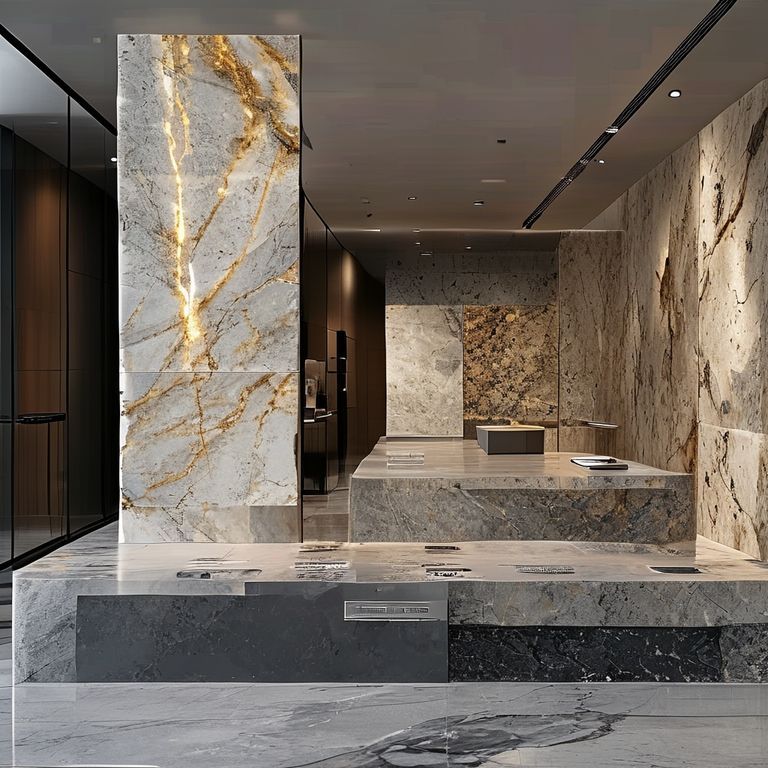
Walk into any high-end showroom today, and the first thing that strikes you isn’t just the shine, but the sheer variety of names and “pictures” or patterns available. These aren’t just slabs of material; they are curated experiences. Let’s peel back the layers and look at the heavy hitters in the world of artificial stone varieties.
The Reign of Quartz: A Masterpiece of Engineering
Quartz is arguably the most recognizable name in the artificial stone world. Composed of roughly 90-94% crushed natural quartz crystals bound with polymer resins, it is the workhorse of the modern kitchen. But its popularity doesn’t just stem from its “indestructible” reputation—it comes from its chameleon-like ability to mimic the most expensive natural stones on earth.
Take, for instance, the Calacatta Gold Quartz. In a picture, this slab features a crisp, milky-white background interrupted by bold, sweeping veins of grey and hints of shimmering gold. It captures the opulence of Italian marble without the porous nature that makes natural marble a headache for red wine lovers. Then there is the Carrara White Quartz, a more subtle variety with softer, feathery veining that provides a timeless, serene aesthetic.
For those leaning toward a more industrial or contemporary vibe, names like Concrete Grey or Midnight Shimmer dominate the catalog. These varieties move away from marble imitation and embrace the beauty of solid, textured colors. A “Concrete Grey” quartz slab offers the raw, brutalist look of poured concrete but with a silky-smooth finish that won’t crack or stain. The names of these stones often reflect their visual identity, making it easier for designers to communicate a specific “mood” to their clients.
Sintered Stone: The High-Tech Frontier
If quartz is the reliable veteran, Sintered Stone is the high-tech disruptor. Often referred to by brand-influenced names like Lapitec or Dekton, or descriptive variety names like Iron Moss and Statuario Porcelain, this material is made through a process called “sintering”—mimicking the thousands of years of heat and pressure that create natural stone in a matter of hours.
When looking at pictures of sintered stone, you’ll notice an incredible level of detail. Because the patterns are often “printed” using advanced high-definition technology, the realism is uncanny. Varieties like Pandora or Laurent Gold are breathtaking. Laurent Gold, for example, features a deep, dark brown-to-black base with dramatic orange and white veins slashing across the surface. It looks like a piece of cosmic art.
The beauty of sintered stone varieties isn’t just skin deep. Unlike quartz, which uses resins that can be sensitive to extreme heat, sintered stone is almost entirely mineral-based. You can take a hot pan directly from the stove and place it on a Statuary White sintered stone island without a second thought. This functional superiority, combined with names that evoke luxury and strength, makes it a top-tier choice for outdoor kitchens and high-traffic commercial spaces.
Naming the Aesthetic: Why the Labels Matter
You might wonder why we obsess over names like “Sparkling Black” or “Cloudy Mist.” In the world of artificial stone, the name is the bridge between a technical specification and a visual dream. When a homeowner sees a picture of “Stellar Night” quartz, they aren’t just seeing black stone with glass flecks; they are seeing a midnight sky in their own home.
The varieties available today allow for a level of customization that natural stone simply cannot match. If you need a 10-foot island with a perfectly symmetrical “book-matched” pattern, artificial stone slabs like Calacatta Vagli are engineered to provide exactly that. You get the “picture” you want, with the name you trust, and the durability you need. As we move into the second part of our exploration, we’ll look at the whimsical world of Terrazzo and the fluid elegance of Solid Surfaces.
Continuing our journey through the “Alchemist’s Palette,” we shift our focus from the marble-mimics and high-tech slabs to the materials that celebrate texture, color, and seamless fluidity. If Part 1 was about the giants of Quartz and Sintered Stone, Part 2 is about the artistic flair of Terrazzo and the versatile charm of Solid Surface materials.
The Retro-Modern Revival: Terrazzo Slabs
Terrazzo is a variety of artificial stone that has experienced a massive cultural glow-up. Originally a way for Venetian mosaic workers to use up marble scraps, modern engineered terrazzo is a vibrant, playful, and incredibly durable surfacing option. In the catalog of “人造石板材品种,” Terrazzo stands out because it doesn’t try to look like anything else—it celebrates its own speckled identity.
The names of terrazzo varieties often sound as appetizing as they look. Think “Macchiato Terrazzo,” which features creamy beige tones with chocolate-colored chips, or “Confetti White,” a dazzling array of multi-colored glass and stone fragments set in a white cement or resin base. When you view a picture of a large-format terrazzo slab, you see a rhythmic dance of shapes.
Modern terrazzo comes in two main types: cement-based and resin-based. Resin-based varieties, like “Nordic Grey Terrazzo,” allow for thinner slabs and more vibrant colors, making them perfect for sleek bathroom vanities or trendy cafe tables. The beauty of these varieties lies in their “controlled chaos.” Designers love them because they can pull specific colors from the chips—perhaps a fleck of blue or a dash of terracotta—to coordinate with the rest of the room’s palette. It’s a stone variety that brings a sense of joy and history to a space.
Solid Surface: The Sculptor’s Best Friend
Then we have “Solid Surface” stone, often associated with names like Corian. This variety is a blend of acrylic or polyester resins and bauxite ore. While it might not have the “clink” of a hard quartz, it has a secret weapon: it is completely seamless.
In pictures, solid surface slabs often look like a single, continuous pour of liquid stone. Names like “Glacier White,” “Deep Anthracite,” or “Venaro White” represent a range from pure, clinical minimalism to soft, flowing textures. Because the material can be “inconspicuously joined,” you can have a 20-foot counter with integrated sinks that looks like it was carved from one giant block.
The “variety” here isn’t just about color; it’s about form. Solid surface materials can be thermoformed—heated and bent into curves. This allows for names like “Flowing Sand” to take on literal meaning as the stone curves up a wall or wraps around a circular pillar. It is the ultimate choice for those who value hygiene (it’s non-porous) and avant-garde design.
Navigating the Choice: Names, Pictures, and Reality
When you are browsing through “人造石板材品种图片名称” (Artificial stone slab variety pictures and names), how do you actually make the call? It helps to think of the “Name” as the vibe and the “Picture” as the blueprint.
Visual Depth: If you want a kitchen that feels grounded and expensive, look for names containing “Statuary” or “Calacatta.” These pictures will show you the classic white-and-grey contrast that never goes out of style. Texture and Grit: For a tactile, “real” feel, look for “Matt” or “Leather” finishes in the names. A “Carbon Leather” quartz slab won’t just look dark in a picture; it will have a subtle texture that catches the light differently than a polished surface. The “Pop” Factor: If you want a statement piece, look toward the “Terrazzo” or “Jewel-toned” varieties. A slab named “Emerald Quartzite” (artificial) can provide a stunning green focal point that natural stone could rarely offer in such a consistent format.
A Sustainable and Beautiful Future
The world of artificial stone is no longer about “faking it.” It’s about creating materials that are often superior to what we can dig out of the ground. These slabs are more resistant to the lemons we squeeze, the wine we spill, and the lives we lead.
From the icy elegance of “Arctic White” to the volcanic drama of “Obsidian Sintered Stone,” the names and pictures of these slabs represent a new era of architectural freedom. Whether you are an architect looking for a specific tensile strength or a homeowner who just wants a bathroom that feels like a spa, the artificial stone market has a variety tailored specifically for you.
As we look forward, we see even more innovation—slabs that can purify the air, surfaces with integrated wireless charging, and even more recycled content in every “Eco-Grey” slab. The “Alchemist’s Palette” is only getting larger, more colorful, and more impressive. When you pick your next stone, don’t just look at a name; look at the story that the picture tells, and how that slab will become the foundation of your daily life.









