
1.5厚石英石一平米重量多少公斤,1.5厚度的石英石橱柜台面怎么样
When you step into a high-end kitchen, your eyes usually gravitate toward the sleek lines, the shimmering surfaces, and the way the light dances off the countertops. You see a finished product—a masterpiece of interior engineering. However, beneath that polished exterior lies a world of physics, logistics, and material science that determines whether that kitchen remains a masterpiece or becomes a structural headache. One of the most frequently asked questions by savvy homeowners and meticulous contractors alike is a deceptively simple one: “How much does a 1.5cm thick quartz slab actually weigh per square meter?”
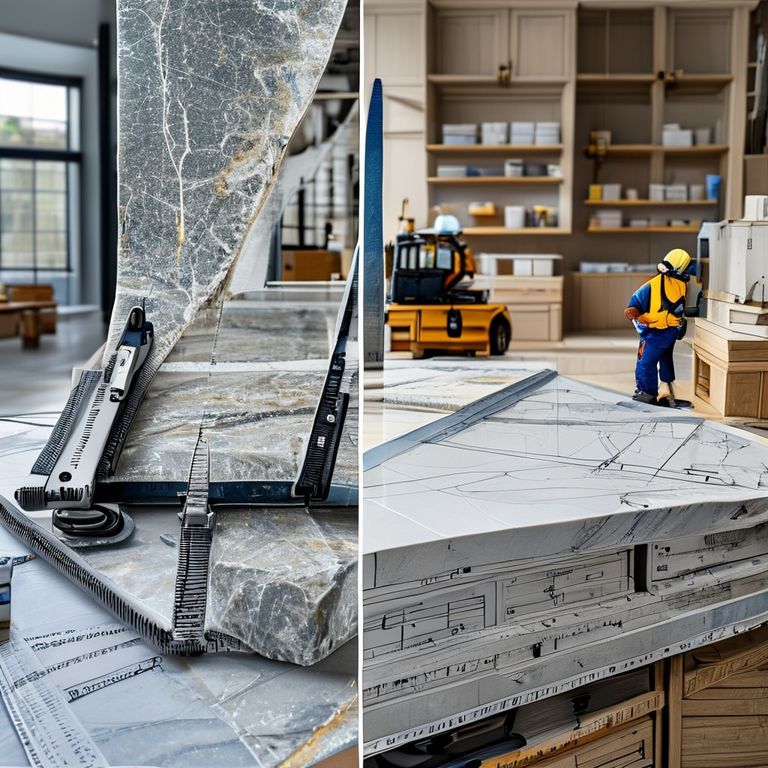
To answer that directly: a standard 1.5cm (15mm) quartz slab typically tips the scales at approximately 35 to 38 kilograms per square meter (kg/m²).
But why does this number matter? And why is the 1.5cm thickness becoming the “goldilocks” zone for modern minimalist design? To understand the weight, we have to understand the soul of the stone. Quartz isn’t just a hunk of rock pulled from the earth; it is a marvel of human ingenuity. Engineered stone is composed of roughly 90% to 94% crushed natural quartz crystals, bonded together with high-quality polymer resins and pigments. Because of this high density of natural mineral content, quartz is incredibly heavy. In fact, it shares a similar density profile with granite, usually landing somewhere between 2.3 and 2.5 grams per cubic centimeter (g/cm³).
When we do the math for a 1.5cm slab, we are looking at a volume of 15,000 cubic centimeters per square meter. Multiply that by the average density of 2.4, and you arrive at that magic number of 36kg. If you’ve ever tried to lift a 36kg dumbbell at the gym, you know it’s no joke. Now imagine a slab that is three meters long. You’re looking at a piece of stone that weighs well over 100 kilograms. This “unspoken gravity” is exactly what gives quartz its premium feel. It’s the weight of durability. It’s the weight of a surface that won’t crack under the pressure of a holiday feast or the chaotic energy of a busy household.
The choice of 1.5cm thickness is a fascinating pivot in the world of interior design. For decades, the industry standard was 2cm or even 3cm for a “luxury” look. However, as the “Quiet Luxury” and “Modern Minimalist” trends have taken over, designers are looking for thinner, sharper profiles. The 1.5cm slab offers a sleek, European aesthetic that feels lighter to the eye but remains incredibly robust to the touch. It provides enough “meat” to allow for beautiful edge profiling—like a subtle mitered edge or a sharp eased edge—without the bulkiness of traditional slabs.
Understanding the weight per square meter is the first step in successful project management. If you are an architect or a DIY enthusiast, this 35-38kg figure is your North Star. It tells you everything you need to know about the sub-structures required to support the stone. Your cabinetry needs to be leveled and reinforced. While most modern cabinets can easily handle the weight of quartz, the 1.5cm thickness provides a slight “weight relief” compared to its 3cm cousins (which can weigh over 70kg per square meter), making it an excellent choice for renovations where you might be keeping existing cabinetry but want a stone upgrade.
Furthermore, the weight is a silent indicator of quality. In the world of engineered stone, density is king. A slab that feels “light” for its dimensions is often a red flag. It suggests a higher ratio of resin to stone or, worse, the presence of air pockets and fillers that compromise the stone’s heat resistance and hardness. When you feel the literal “heft” of a 1.5cm quartz piece, you are feeling the compression of thousands of pounds of pressure used during the manufacturing process—specifically the vacuum vibro-compression technology that makes quartz non-porous and scratch-resistant.
As we navigate the logistics of a home build, the 1.5cm weight profile also plays a starring role in transportation and labor costs. Shipping stone is, quite literally, shipping weight. By opting for 1.5cm over 3cm, you are effectively doubling the amount of material that can be transported in a single container or truck, significantly reducing the carbon footprint of your project and, often, the freight costs. For the installers, a 36kg/m² slab is manageable. It allows for precision placement and micro-adjustments that are nearly impossible with heavier slabs, ensuring that the seams are tighter and the finish is flawless.
Transitioning from the technical specifications to the practical application, the weight of 1.5cm quartz becomes a vital component of your home’s “structural choreography.” When we talk about 35 to 38 kilograms per square meter, we aren’t just talking about a number on a scale; we are talking about how that stone interacts with your daily life.
One of the most overlooked advantages of the 1.5cm quartz slab is its versatility in vertical applications. While a 3cm slab is often too heavy for wall cladding without extreme mechanical anchoring, the 36kg/m² profile of the 1.5cm stone is the perfect candidate for full-height backsplashes and feature walls. Imagine a kitchen where the countertop doesn’t just stop at the wall but flows upward to the ceiling. Because 1.5cm quartz is relatively “light” compared to thicker stones, it can be adhered to vertical surfaces with much more ease, creating a seamless, monolithic look that is the hallmark of high-end contemporary design.
Moreover, this weight-to-thickness ratio is ideal for integrated furniture. We are seeing a massive surge in quartz-topped dining tables, coffee tables, and even bathroom vanities. A 1.5cm slab provides the necessary strength to span a table frame without requiring the heavy, industrial-grade supports that a 3cm slab would demand. It allows the furniture to remain elegant and move-able, rather than becoming a permanent fixture that requires a forklift to relocate.
But let’s talk about the “feel” factor. There is a psychological element to stone. When you place a glass of water on a 1.5cm quartz surface, the sound it makes is solid. It doesn’t ring or hollowly echo like laminate or some thinner porcelain products. That solidity is a direct result of the 2.4g/cm³ density we discussed earlier. Even at a thinner profile, the mass of the quartz absorbs vibration and sound, contributing to the quiet, serene atmosphere of a well-designed home.
For those concerned about durability, there is often a misconception that “thinner means weaker.” In the case of high-quality quartz, this is largely a myth. Because quartz is an engineered product, its flexural strength (the ability to resist bending) is significantly higher than that of natural granite or marble. A 1.5cm quartz slab is often more “flexible” and less prone to snapping under stress than a 2cm slab of natural marble. As long as the stone is supported correctly by the cabinetry or a substrate, that 36kg of dense, resin-bonded mineral is more than enough to handle the impacts of heavy pots, pans, and the general chaos of a kitchen.
When it comes to purchasing and inspecting your stone, knowing the weight per square meter is your best defense against “budget” imitations. If you are at a warehouse and the stone feels suspiciously light, or if the supplier cannot confirm the density specifications, walk away. Genuine 1.5cm quartz should have that unmistakable weight. You can even do a rough check yourself: if a standard-sized slab (roughly 3.2 meters by 1.6 meters) doesn’t require a team of professionals or specialized machinery to move, it might not be the high-density quartz you’re paying for.
Looking at the global market, the 1.5cm thickness is also a champion of sustainability. It takes less energy to quarry the raw materials, less resin to bind them, and less fuel to move them across the ocean. In an era where “mindful consumption” is becoming the standard, choosing a material that maximizes aesthetic impact while minimizing material waste is a smart move. You are getting the same surface area, the same scratch resistance, and the same non-porous benefits as a thicker slab, but with a more efficient use of the Earth’s resources.
In conclusion, the weight of 1.5cm quartz—that reliable 35-38kg per square meter—is the silent partner in your interior design journey. It is the factor that ensures your kitchen island stays put, your walls look stunning, and your furniture lasts a lifetime. It bridges the gap between the ethereal beauty of stone and the grounded reality of structural engineering. Whether you are building a sleek urban loft or a cozy modern farmhouse, understanding this weight allows you to plan with confidence, design with precision, and ultimately, live in a space that feels as solid as it looks. So, the next time you run your hand over a cool, quartz surface, remember the 36 kilograms of history, science, and style that are supporting your every move. It’s not just a countertop; it’s a perfectly balanced weight on the scale of modern living.









