
1.5cm的石英石多少钱一米,1.5石英石多少钱一平
The kitchen has undergone a radical transformation over the last decade. It is no longer just a utility room tucked away at the back of the house; it has become the social epicenter, the design focal point, and the ultimate statement of a homeowner’s personal style. When you’re standing in the middle of a renovation, staring at samples, one question inevitably rises to the surface: “How much is 1.5cm quartz stone per meter?” It sounds like a simple technical inquiry, but the answer is woven into a tapestry of design trends, manufacturing precision, and long-term investment value.
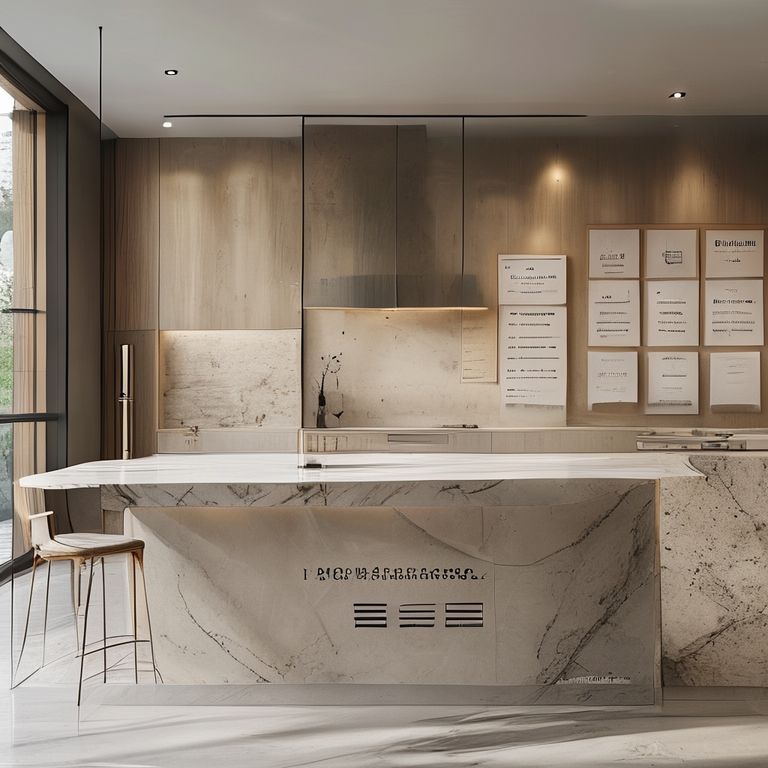
For years, the industry standard for countertops hovered around the 2cm to 3cm mark. These thick, chunky slabs screamed traditional luxury. However, as the “less is more” philosophy of European minimalism began to dominate global interior design, the 1.5cm quartz slab emerged as the “it” girl of the renovation world. It offers a sleek, razor-thin profile that feels architectural and avant-garde. But before you fall in love with the look, you need to understand the economics behind it.
Generally speaking, when people ask about the price of 1.5cm quartz stone per meter, they are looking at a range that can fluctuate wildly based on several variables. In the current market, you might find entry-level quartz starting around $60 to $100 per linear meter, while high-end, designer-branded slabs can easily soar past $300 or even $500 per meter. Why such a massive gap? It’s not just about the thickness; it’s about what is packed into that 1.5cm.
Quartz is a man-made engineered stone, typically composed of about 90-94% ground natural quartz and 6-10% resins and pigments. The price of a 1.5cm slab is heavily influenced by the quality of these components. Premium brands invest heavily in R









