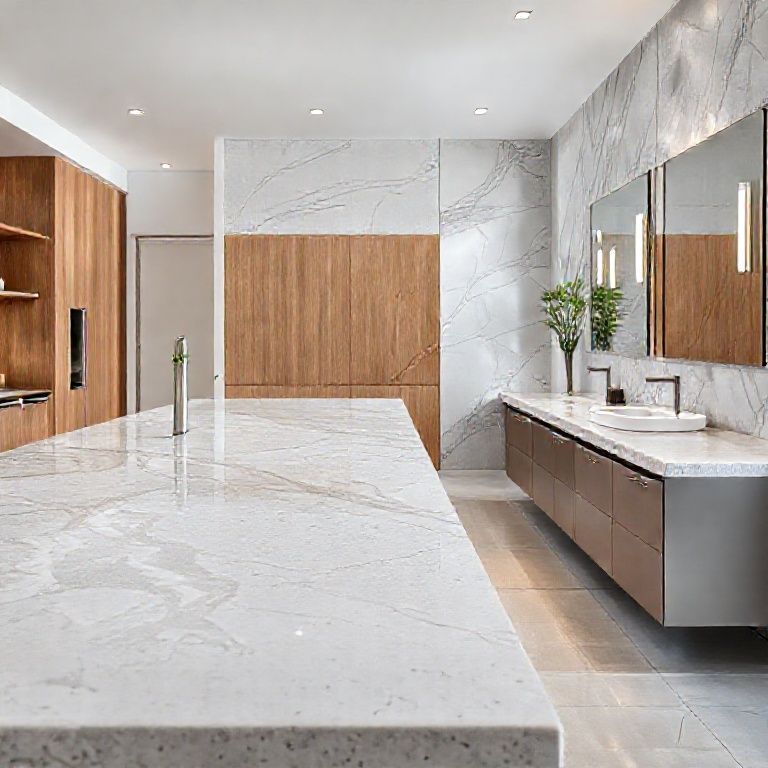
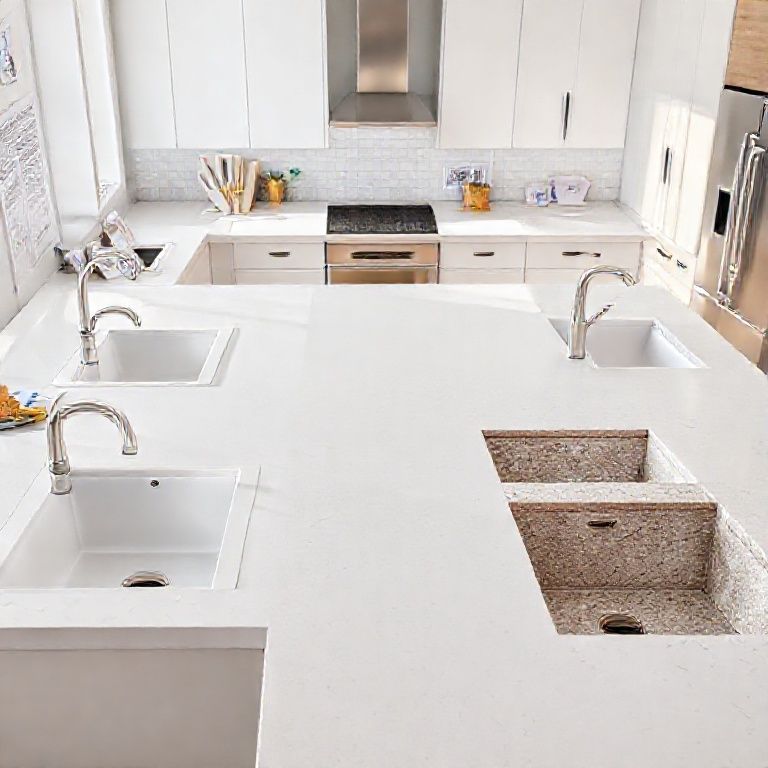
Revitalizing Your Countertops: Does Dry Polishing Restore the Original Color of Synthetic Stone?
Synthetic stone countertops have revolutionized the kitchen and bathroom industry with their durability, aesthetic appeal, and ease of maintenance. Known for mimicking the look of natural stone, synthetic stone surfaces are becoming increasingly popular due to their versatility and longevity. However, despite their resilience, these countertops can suffer from scratches, stains, or discoloration over time. One common question that arises is whether dry polishing can restore the original color of these surfaces. Let’s delve into this fascinating topic to uncover the answers and guide you in maintaining your synthetic stone countertops.

Understanding Synthetic Stone Countertops
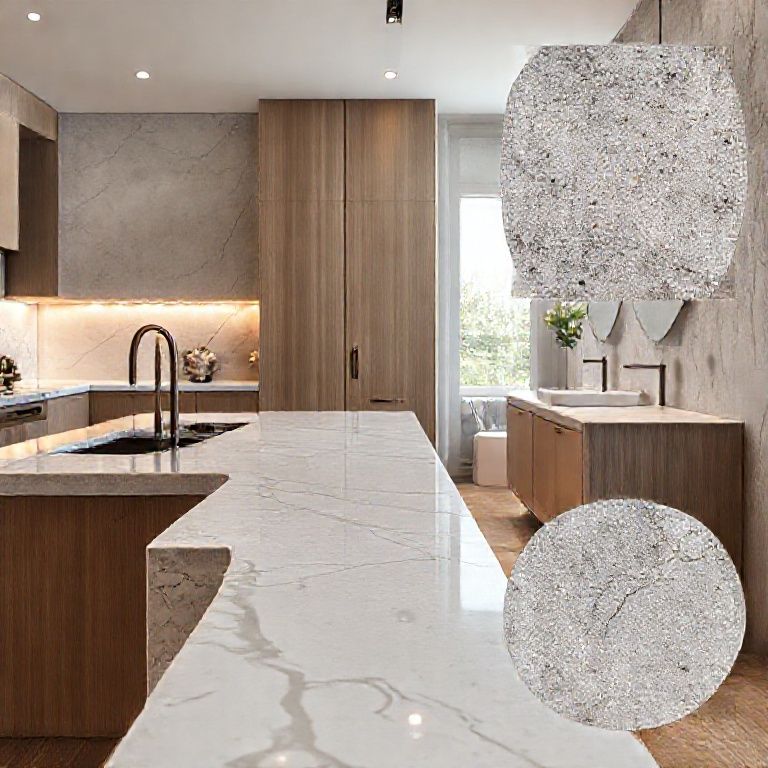
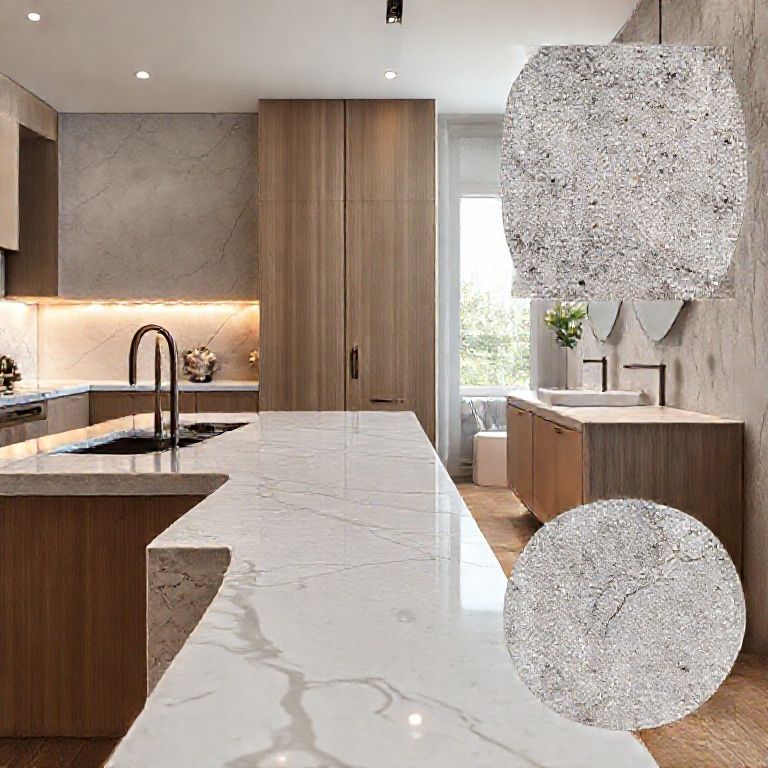
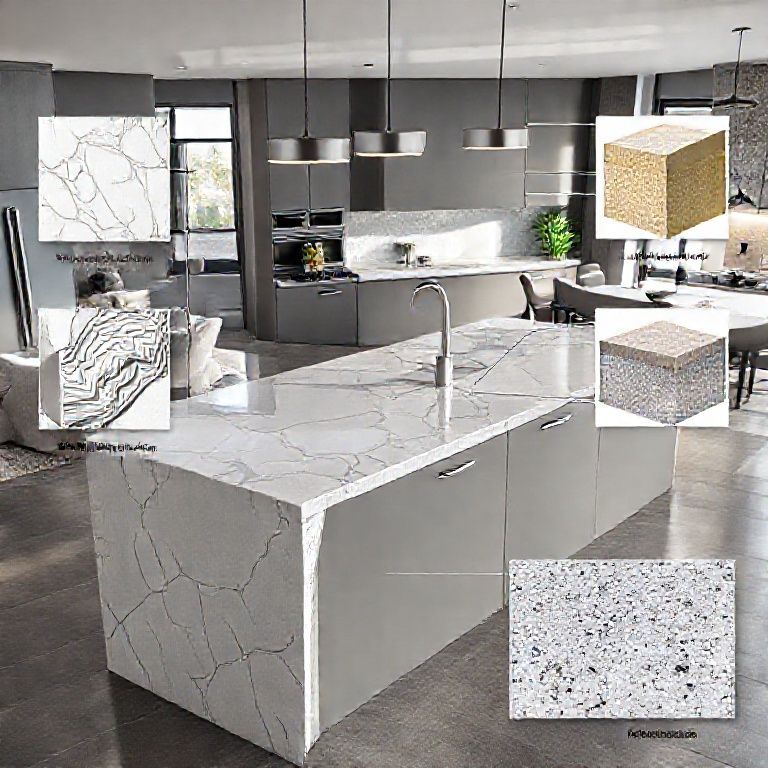
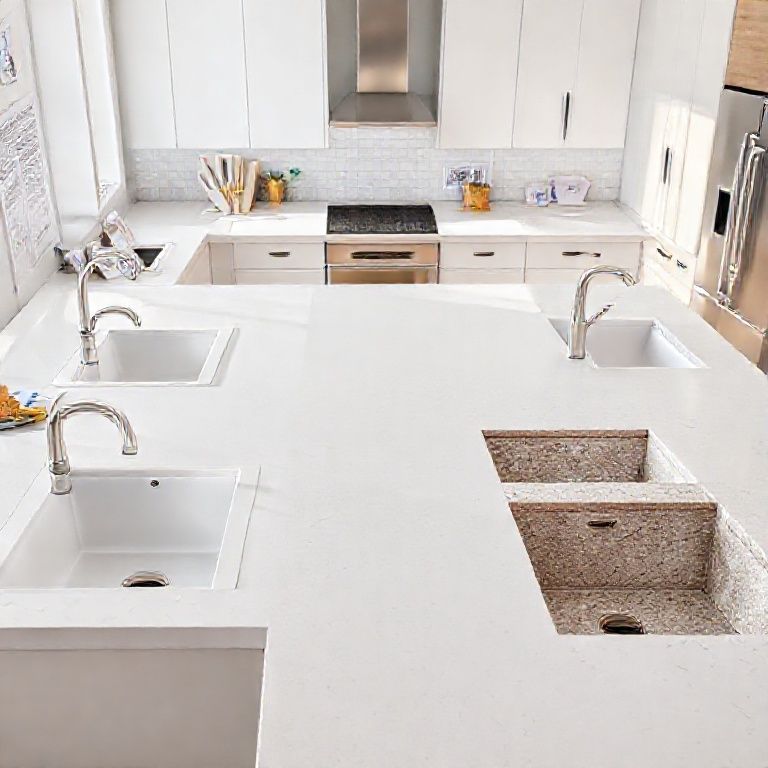
Synthetic stone, often made from a combination of quartz, resin, and other minerals, offers a durable, low-maintenance alternative to natural stone. The material’s unique composition allows it to mimic the appearance of natural stone while providing a surface that is resistant to scratches, stains, and heat. However, over time, various factors can cause the surface to lose its luster or change color, leading to questions about restoration and maintenance.
The Role of Dry Polishing
Dry polishing is a surface treatment method designed to rejuvenate the appearance of various materials, including synthetic stone. This process involves the use of specialized polishing tools and compounds to smooth and shine the surface, potentially restoring its original color. Dry polishing can address minor scratches, dullness, and discoloration, offering a way to revive the countertop’s aesthetic appeal.
The Science Behind Dry Polishing
The effectiveness of dry polishing in restoring the original color of synthetic stone hinges on the material’s unique properties. During the manufacturing process, synthetic stone is infused with pigments to achieve its characteristic color. Over time, exposure to heat, chemicals, and physical wear can cause these pigments to fade or become uneven, resulting in discoloration.

Dry polishing works by using a combination of abrasive and polishing agents to remove the top layer of the countertop, which often contains the discolored or scratched material. As the surface is polished, it reveals the underlying material, potentially bringing back the original color. The process also smooths the surface, enhancing its shine and overall appearance.
Benefits of Dry Polishing Synthetic Stone Countertops
Color Restoration: Dry polishing can often restore the original color of synthetic stone, particularly if the discoloration is due to surface wear or minor scratches. By removing the top layer, the polishing process can reveal the original pigmentation, giving the countertop a refreshed look.
Scratch Removal: Synthetic stone is highly resistant to scratches, but minor scratches can still occur. Dry polishing effectively removes these superficial marks, leaving the surface smooth and clear.

Enhanced Shine: Polishing enhances the natural shine of synthetic stone, making it look more vibrant and pristine. This can make a significant difference in the countertop’s overall appearance.
Improved Surface Texture: By smoothing out the surface, dry polishing can improve the texture of the countertop, making it easier to clean and maintain.
Challenges in Restoring Synthetic Stone
While dry polishing offers many benefits, there are challenges to consider when aiming to restore the original color of synthetic stone countertops.

Depth of Discoloration: If discoloration is deep-set or caused by significant wear, dry polishing may not be sufficient to bring back the original color. In such cases, other restoration methods might be required.
Material Damage: Improper polishing techniques can damage the surface of synthetic stone, leading to further issues like uneven texture or scratches. It’s essential to use the correct tools and techniques to avoid exacerbating the problem.
Cost and Time: Professional dry polishing can be costly and time-consuming. For DIY enthusiasts, the process requires specialized equipment and expertise, which may not always be feasible.
Tips for Maintaining Synthetic Stone Countertops
To prolong the life of your synthetic stone countertops and reduce the need for extensive restoration, regular maintenance is key. Here are some tips to help keep your countertops looking their best:
Use Gentle Cleaners: Avoid harsh chemicals and abrasive cleaners that can scratch the surface. Opt for mild soap and water or specialized stone cleaners.
Regular Cleaning: Wipe down the countertops regularly to remove spills and grime. This prevents the buildup of stains and discoloration.
Protective Pads: Use cutting boards, trivets, and other protective pads to shield the surface from heat, spills, and scratches.
Immediate Cleanup: Address spills and stains promptly to prevent them from setting in and causing long-term discoloration.
Conclusion to Part 1
In conclusion, dry polishing can be an effective method for restoring the original color of synthetic stone countertops, particularly for minor scratches and surface-level discoloration. However, it’s essential to understand the limitations and challenges of this technique to determine if it’s the right solution for your specific needs. Regular maintenance plays a crucial role in preserving the beauty and longevity of synthetic stone countertops, ensuring they remain a stunning feature in your home.
In the next part of this article, we will explore advanced restoration techniques, professional services, and expert recommendations for maintaining and revitalizing your synthetic stone countertops. Stay tuned for more detailed insights and practical tips!
Advanced Techniques for Restoring Synthetic Stone Countertops
Building on the foundation laid in the first part of this series, this section explores advanced techniques and professional services for restoring synthetic stone countertops. Understanding these methods can help you make informed decisions about maintaining and revitalizing your countertops to ensure they remain a stunning centerpiece in your home.
Advanced Restoration Techniques
While dry polishing can be effective for minor issues, advanced techniques may be necessary for more significant damage or discoloration. Here are some advanced methods used by professionals:
Wet Polishing: Unlike dry polishing, wet polishing involves using water or other liquids during the polishing process. This method can be more effective for deep-seated discoloration and extensive wear. However, it requires careful handling to avoid water damage to the synthetic stone.
Chemical Restoration: In cases where discoloration is caused by chemical reactions or deep-set stains, chemical treatments may be required. These treatments involve applying specific compounds to break down and remove the stains, revealing the original color of the countertop.
Surface Refinishing: For extensive wear or damage, surface refinishing might be necessary. This process involves sanding down the surface to remove the damaged layer and then polishing it to a smooth finish. Surface refinishing can restore the countertop’s original appearance but requires professional expertise to avoid further damage.
Professional Restoration Services
For those seeking a professional touch, several services specialize in the restoration of synthetic stone countertops. Here’s what to expect when hiring a professional:
Assessment and Diagnosis: A professional restoration service will begin with a thorough assessment of the countertop’s condition. This includes identifying the type and extent of damage or discoloration.
Customized Treatment Plan: Based on the assessment, a customized treatment plan will be developed. This plan will outline the specific techniques and products needed to restore the countertop effectively.
Expert Application: Professional restoration services use specialized tools and techniques to ensure the best possible outcome. This includes using the correct polishing compounds, abrasives, and polishing machines to achieve a flawless finish.
Follow-Up Care: After the restoration, professionals will provide recommendations for ongoing maintenance to prevent future issues. This might include specific cleaning routines, protective measures, and periodic checks.
Choosing the Right Restoration Method
When deciding on a restoration method for your synthetic stone countertop, several factors should be considered:
Severity of Damage: The extent of the damage will determine the appropriate restoration technique. Minor scratches and discoloration might be addressed with dry polishing, while more significant issues may require advanced methods like wet polishing or surface refinishing.
Type of Synthetic Stone: Different types of synthetic stone may require different restoration techniques. Consulting with a professional can help identify the best approach for your specific material.
Budget and Time: Restoration services can vary in cost and time required. Understanding your budget and the time you are willing to invest will help you choose the most suitable option.
Professional Expertise: For the best results, it’s advisable to seek professional help. Experts have the experience and tools necessary to ensure the restoration is done correctly without causing further damage.
Expert Recommendations for Synthetic Stone Care
To maintain the pristine condition of your synthetic stone countertops, here are some expert recommendations:
Regular Cleaning: Consistent cleaning is crucial to prevent the buildup of stains and discoloration. Use a mild stone cleaner and a soft cloth to wipe down the surface regularly.
Avoiding Heat and Chemicals: Protect your countertops from excessive heat and harsh chemicals. Use trivets for hot pots and pans, and avoid cleaning with abrasive materials or strong chemicals2. Use Protective Pads: When cutting, cooking, or placing hot items on the countertop, use cutting boards, trivets, and heat-resistant pads to protect the surface from scratches and thermal damage.
Immediate Cleanup: Address spills and stains promptly to prevent them from setting in and causing long-term discoloration. Blot up liquids quickly with a clean cloth.
Avoid Sharp Objects: Avoid using sharp objects like knives on the surface of the countertop, as they can scratch the material. Use cutting boards instead.
Seal the Countertop: While synthetic stone does not require sealing like natural stone, it can be beneficial to apply a protective sealant periodically to enhance the surface’s durability and resistance to stains.
Regular Inspection: Regularly inspect your countertops for any signs of wear, scratches, or discoloration. Early detection can prevent more extensive damage and make restoration easier.
Conclusion to Part 2
In conclusion, maintaining and restoring synthetic stone countertops involves a combination of regular care, prompt cleanup, and, when necessary, advanced restoration techniques. Understanding the material’s properties and seeking professional help when needed can ensure your countertops remain beautiful and functional for years to come. By following expert recommendations and utilizing professional services when appropriate, you can enjoy the stunning aesthetics of synthetic stone while preserving its longevity and durability.
If you have any specific questions or need further guidance on synthetic stone countertop care and restoration, feel free to ask!