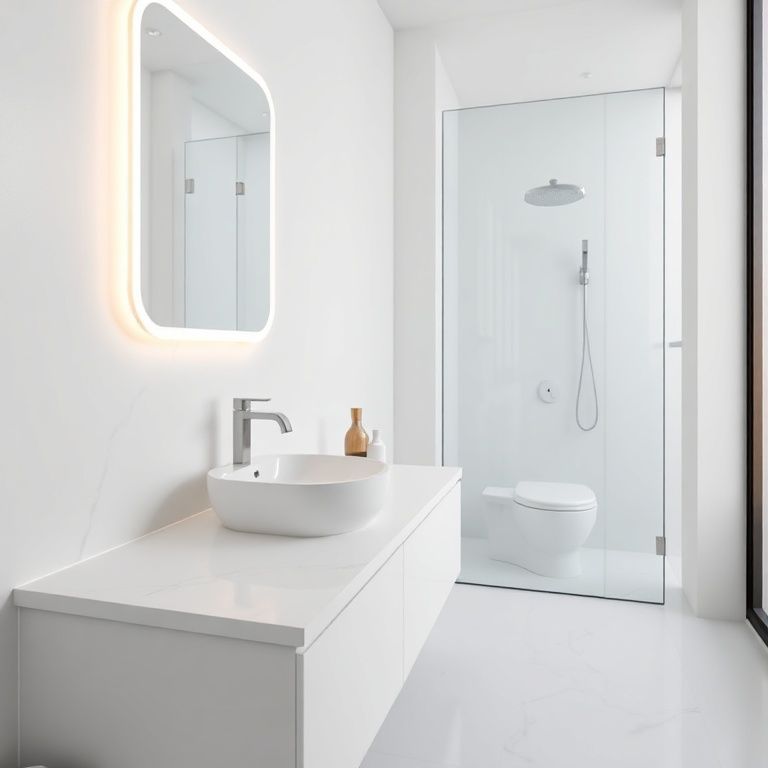
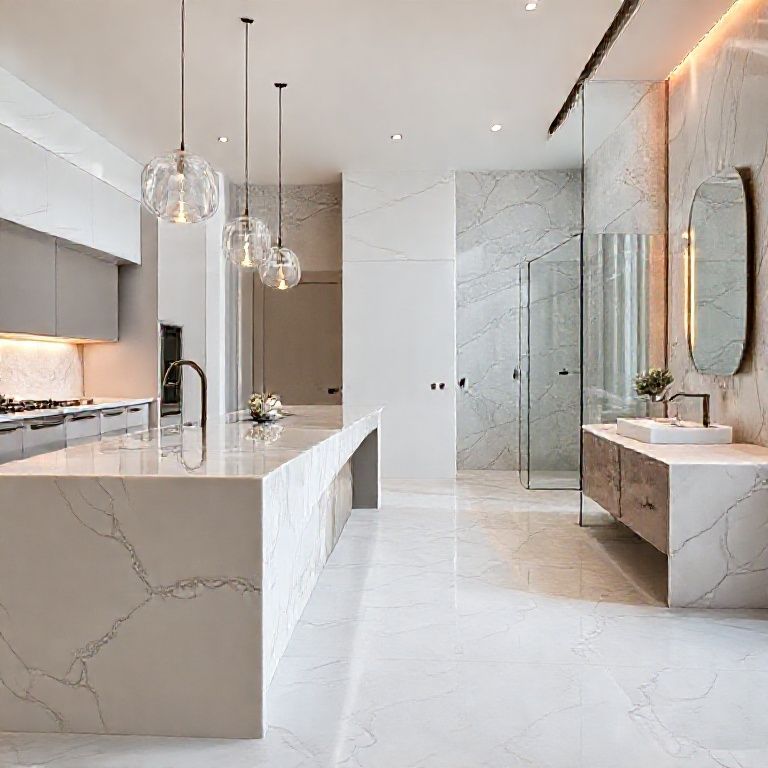
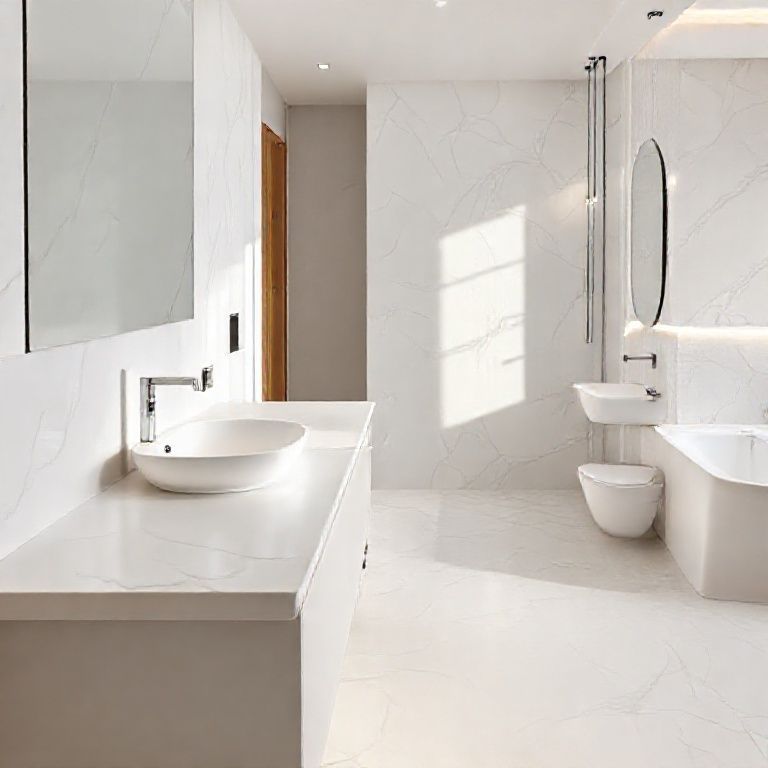
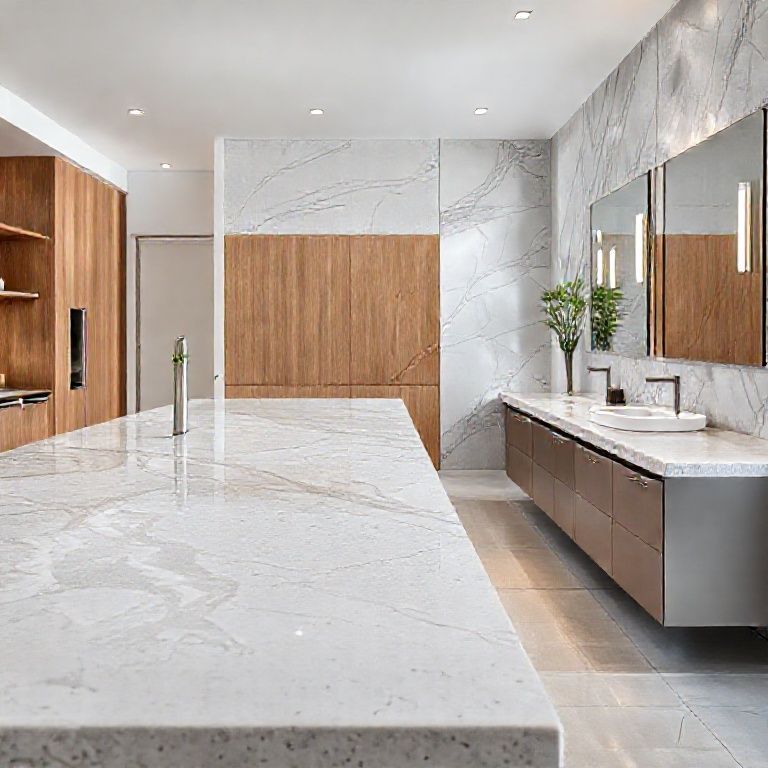
The Art and Science of Dry-Fit Marble Cladding
In the realm of luxury home and commercial renovations, dry-fit marble cladding stands out as a breathtaking option. This innovative technique marries the timeless beauty of marble with the practicality of a modern finish, resulting in stunning visual effects that elevate the aesthetic appeal of any space. But how much does this exquisite process cost per square meter? Let’s dive deep into the art and science of dry-fit marble cladding.
Understanding Dry-Fit Marble Cladding
At its core, dry-fit marble cladding is a method where marble tiles are fitted together without using adhesive or mortar. Instead, precision-cut marble pieces are interlocked with each other, creating a seamless and flawless finish. This technique offers several advantages, including easy installation, minimal maintenance, and the ability to correct errors without damaging the entire surface.
The Process Explained
Planning and Design: The first step involves designing the layout of the marble tiles. Experienced professionals use computer-aided design (CAD) software to create a precise pattern that fits the dimensions of the area to be covered. This design phase is crucial for ensuring a cohesive and visually appealing outcome.
Material Selection: Choosing the right marble is essential. High-quality marble that complements the existing decor and withstands the wear and tear of daily use is preferred. Popular choices include Italian Carrara, Brazilian Emperor, and Turkish white marble.
Cutting and Shaping: Marble tiles are cut to exact specifications using advanced machinery. The precision cutting process ensures that each piece fits perfectly with its neighbors, contributing to the seamless appearance.
Installation: The dry-fit method involves laying the tiles on the floor or wall without any adhesive. The interlocking nature of the tiles holds them in place, creating a durable and aesthetically pleasing finish.
Factors Influencing Cost
The cost of dry-fit marble cladding per square meter varies based on several factors. Here are the primary elements that influence the overall expense:
Type of Marble: The type and quality of marble used play a significant role in determining the cost. Higher-grade marbles with unique patterns and colors command higher prices. For instance, rare marbles like Emperador Black and White can be significantly more expensive than standard varieties.
Complexity of Design: The complexity of the design and layout can affect the cost. Intricate patterns and custom designs require more time and expertise to execute, thereby increasing the overall price.
Labor Costs: Skilled labor is essential for the precise installation of dry-fit marble cladding. Experienced professionals charge higher rates due to their expertise and the time-intensive nature of the job.
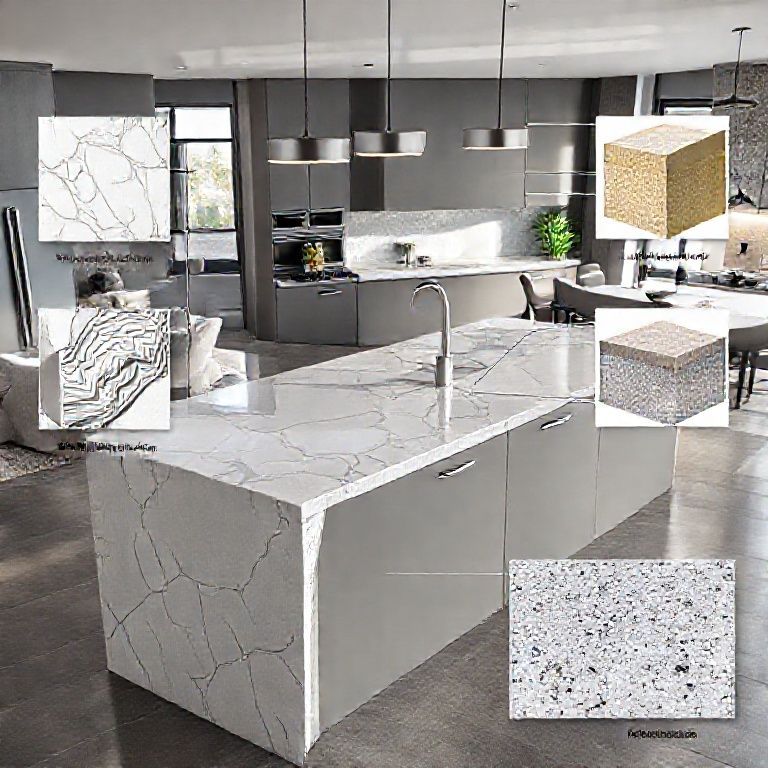
Additional Services: Additional services such as cutting tiles to fit around obstacles, grouting, and polishing can add to the overall cost. These services ensure a polished and professional finish.
Location: The geographical location of the project can influence labor costs and material availability. Urban areas with higher demand might have slightly higher costs compared to rural locations.
Why Dry-Fit Marble Cladding is Worth the Investment
Despite the higher upfront costs, dry-fit marble cladding offers numerous benefits that make it a worthwhile investment for both residential and commercial spaces.
Aesthetic Appeal: The interlocking nature of dry-fit marble cladding creates a flawless, seamless finish that enhances the visual appeal of any space. The natural beauty of marble combined with the precision of the dry-fit method results in a luxurious and elegant look.
Durability: While marble is inherently durable, the dry-fit method ensures that the tiles are held securely without adhesive, reducing the risk of tiles coming loose over time. This makes it an ideal choice for high-traffic areas.
Ease of Maintenance: Dry-fit marble cladding is easy to maintain. Cleaning and upkeep are straightforward, requiring only occasional sweeping and occasional deep cleaning to maintain its pristine appearance.
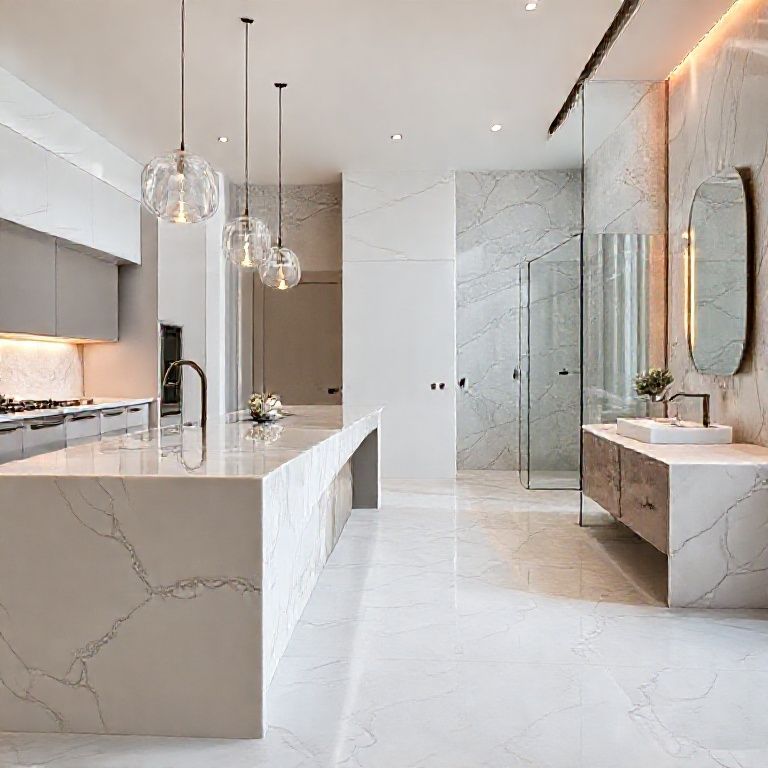
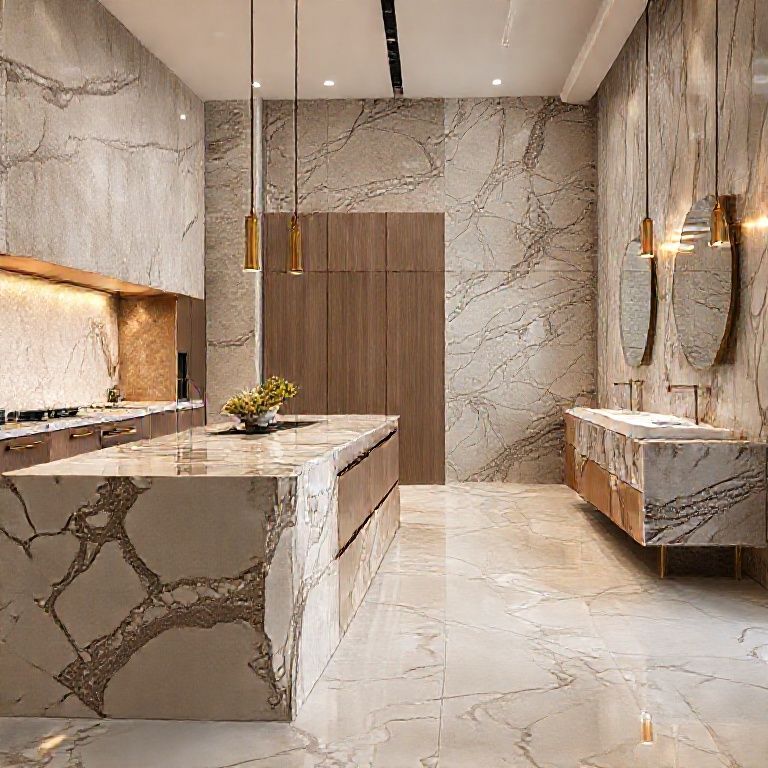
Versatility: Dry-fit marble cladding can be used on various surfaces, including floors, walls, countertops, and even showers. Its versatility makes it a popular choice for both interior and exterior applications.
Customization: One of the significant advantages of dry-fit marble cladding is its ability to be customized to fit specific design requirements. Whether it’s a unique pattern or a bespoke layout, professionals can tailor the installation to meet your exact specifications.
The Economic Perspective and Real-World Examples
As we continue our exploration of dry-fit marble cladding, let’s delve into the economic perspective. Understanding the cost per square meter is crucial for making informed decisions, especially when planning a renovation project. Here, we’ll discuss various real-world examples and provide a detailed breakdown of the cost factors to give you a clearer picture.
Cost Breakdown per Square Meter
To give a comprehensive overview, let’s break down the cost of dry-fit marble cladding per square meter based on different influencing factors:
Basic Standard Marble: For basic standard marble like white or grey marble tiles, the cost per square meter typically ranges from $30 to $60. This range includes the cost of the tiles, cutting, and installation by a skilled labor team.
Mid-Grade Marble: Mid-grade marble such as light grey or beige marble tiles falls into the $60 to $100 per square meter range. This includes higher-quality tiles and slightly more intricate designs.
High-Grade Marble: High-grade marble like Emperador Black or Brazilian White marble can cost between $100 to $200 per square meter. These prices reflect the superior quality of the marble and the additional complexity of the design.
Custom Designs: For custom designs that require significant time and expertise, the cost per square meter can escalate to $200 to $300. This includes intricate patterns and bespoke layouts.
Real-World Examples
To provide a clearer understanding, let’s look at a few real-world examples:
Example 1: Residential Project
Imagine a homeowner planning to renovate their living room with dry-fit marble cladding. They choose a mid-grade marble with a simple yet elegant design. The project covers an area of 50 square meters.
Marble Cost: $75 per square meter Labor Cost: $50 per square meter (including cutting, fitting, and minor adjustments) Total Cost: 50 sqm * ($75 + $50) = $6,250
Example 2: Commercial Space
A commercial property owner decides to upgrade their office lobby with dry-fit marble cladding. They opt for high-grade Emperador Black marble with a complex, custom pattern.
Marble Cost: $150 per square meter Labor Cost: $75 per square meter (due to the complexity of the design and installation) Total Cost: 40 sqm * ($150 + $75) = $9,000
Example 3: High-End Boutique
A high-end boutique owner wants to create an exclusive shopping experience by using dry-fit marble cladding for the store’s interior. They select a unique combination of marbles with intricate patterns.
Marble Cost: $180 per square meter Labor Cost: $80 per square meter (for the intricate design and installation) Total Cost: 30 sqm * ($180 + $80) = $9,600
Comparing Costs Across Regions
It’s also essential to consider regional differences in labor costs and material availability, which can influence the overall price.
Urban vs. Rural Areas
Urban Areas: In bustling cities where labor costs are higher, the cost per square meter can range from $100 to $250 for high-grade marble with complex designs. Rural Areas: In less populated regions, the cost might be slightly lower, ranging from $70 to $150 per square meter for standard to mid-grade marble.
International Comparisons
North America: The cost in North America can range from $120 to $300 per square meter, depending on the region and the specific requirements of the project. Europe: In Europe, particularly in countries like Italy and Spain, where marble is sourced locally, the cost can be slightly lower, ranging from $80 to $200 per square meter. Asia: In Asian countries, costs can vary widely based on local availability and labor costs, typically ranging from $50 to $150 per square meter.
Final Thoughts
Dry-fit marble cladding offers a combination of luxury, durability, and aesthetic appeal that is hard to match. While the cost per square meter can vary significantly based on several factors, the investment pays off in terms of the timeless beauty and elegance it brings to any space.
项目规划与预算
需求分析:
空间测量:准确测量要进行大理石包工的区域,包括尺寸、形状和特殊要求(如楼梯、角落等)。 设计方案:与设计师合作,确定最终的设计方案,包括颜色、图案、尺寸等。
材料选择:
大理石类型:根据预算和设计需求,选择合适的大理石类型。例如,经典的意大利卡拉拉大理石,或者现代的巴西皇帝大理石。 其他材料:包括胶水、密封剂、清洁剂等。
供应商和承包商:
供应商选择:寻找可靠的大理石供应商,确保材料质量和供货及时。 承包商选择:选择有经验的大理石包工承包商,可以通过客户评价、案例展示等方式进行评估。
预算编制:
材料成本:包括大理石本身的成本、辅助材料的成本。 人工成本:包括承包商的工费。 其他费用:可能包括运输费、安装费、垃圾处理费等。
施工步骤
一旦项目规划和预算确定,下一步就是实际的施工过程。
准备工作:
清理现场:确保施工区域干净无杂物。 表面处理:对底层表面进行打磨、清洁和检查,确保其平整和干净。
安装过程:
切割大理石:根据设计尺寸和空间特点进行大理石切割。 首块铺设:在施工区的一个角落或边缘铺设第一块大理石,作为参考。 逐块铺设:按照设计方案,依次铺设大理石,确保每块大理石与前一块的接缝尽量均匀。 调整与修正:在铺设过程中,需要不断调整大理石的位置,确保整体效果美观。
粘合和固定:
粘合剂使用:使用专业大理石粘合剂,确保大理石牢固粘合。 固定和等待:在铺设完毕后,需要等待粘合剂完全固化,这通常需要几小时。
密封处理:
密封剂涂抹:在大理石表面涂抹密封剂,以保护大理石表面免受污渍和损坏。 等待干燥:密封剂需要等待一段时间才能完全干燥,这通常需要几天时间。
清理与维护:
清理现场:在施工完成后,清理现场的垃圾和工作残留物。 保养指导:提供大理石的日常保养指导,确保其长期美观和耐用。
后续维护
大理石虽然美观且耐用,但仍需要定期维护。
日常清洁:
使用专用清洁剂:建议使用专门的大理石清洁剂,避免使用酸性或强碱性清洁剂。 及时处理污渍:任何新的污渍应尽快处理,以防止永久性损伤。
定期保养:
密封剂维护:每隔一段时间(通常为每年一次),重新涂抹密封剂以保持大理石的防护效果。
专业维修:
定期检查:建议每隔一段时间请专业人员检查大理石表面,确保其没有磨损或损坏。 小修与大修:对于小的刮擦或损坏,可以进行小修;对于较大的损坏,则需要专业大理石修复服务。
通过以上详细的规划和执行步骤,您可以确保干挂大理石包工项目的成功实施。希望这些信息对您有所帮助!如果有更多问题或需要进一步的信息,请随时提问。