Understanding Stain Removers for Artificial Stone Countertops
When it comes to maintaining the beauty and longevity of artificial stone countertops, understanding the best cleaning and stain removal practices is essential. Artificial stone, known for its durability and aesthetic appeal, requires specific care to ensure it remains in top condition. This part delves into the importance of using appropriate stain removers, the common types of stains found on artificial stone, and how to choose the right products for effective cleaning.
1. The Importance of Stain Removers
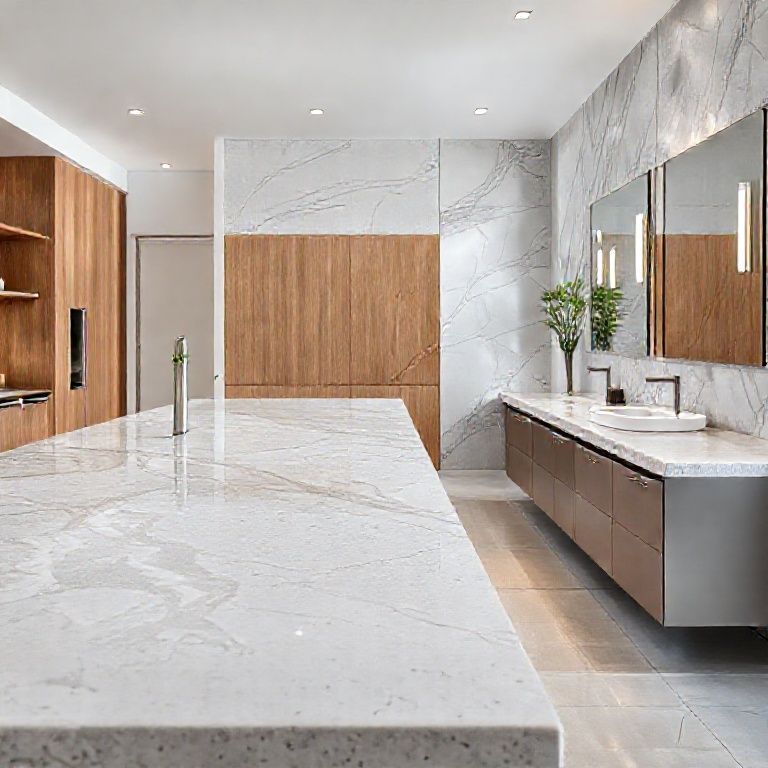
Artificial stone countertops are an excellent choice for their robustness and aesthetic versatility. However, despite their durability, these surfaces can still accumulate stains from everyday use. Stains from coffee, wine, food spills, and even everyday grease can mar the appearance of your countertop, making it crucial to address them promptly.
Using a specialized stain remover designed for artificial stone is essential for maintaining the countertop’s pristine appearance. Traditional cleaners or household products may not effectively remove stains without damaging the surface. Specialized stain removers are formulated to break down tough stains without compromising the integrity of the artificial stone.
2. Common Types of Stains on Artificial Stone
Understanding the types of stains that commonly affect artificial stone countertops helps in selecting the appropriate stain remover. Here are some common stains you may encounter:
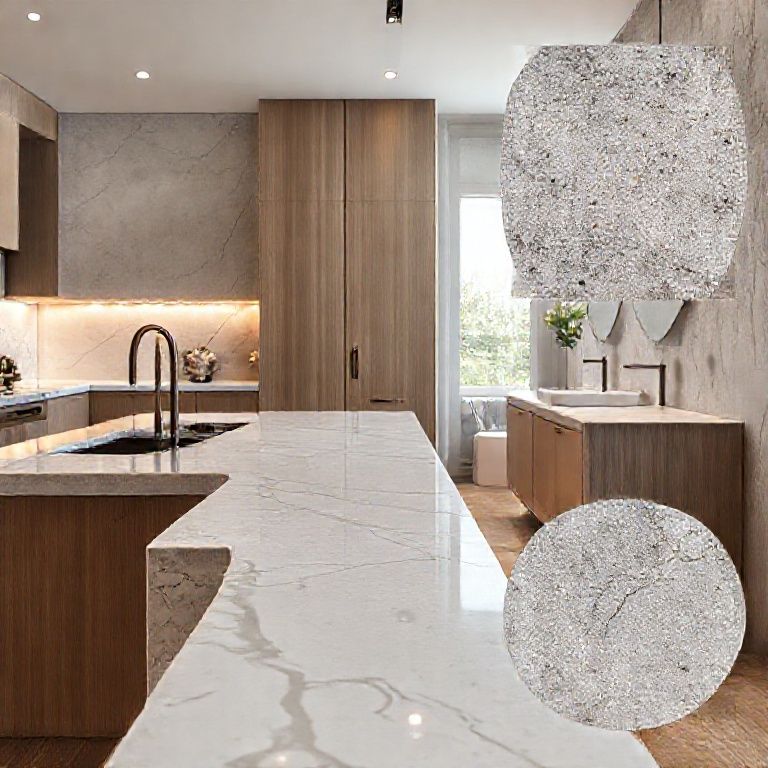
Organic Stains: These include spills from coffee, tea, wine, juices, and food. Organic stains often contain acids and sugars that can penetrate the stone’s surface if not cleaned properly. Mineral Stains: Hard water stains and mineral deposits from water spots can accumulate over time, leading to a chalky appearance. Grease and Oil Stains: These are common in kitchens where cooking spills and splatters occur. Grease and oil stains can be particularly challenging to remove without proper cleaning agents.
3. Choosing the Right Stain Remover
Selecting the right stain remover for your artificial stone countertop involves understanding the product’s formulation and intended use. Here are key factors to consider:
Product Compatibility: Ensure the stain remover is specifically formulated for artificial stone. General-purpose cleaners may not be effective and could potentially harm the surface. Ingredients: Look for stain removers that contain non-abrasive, pH-neutral ingredients. Ingredients like citric acid, enzymes, and specialized stone-cleaning agents are effective in breaking down stains without damaging the stone. Ease of Use: Choose a stain remover that is easy to apply and rinse. Products with spray-on formulas or pre-moistened wipes are convenient for quick and effective cleaning.
4. Proper Application Techniques
Effective cleaning of artificial stone countertops involves proper application and rinsing techniques. Here’s a step-by-step guide to ensure you achieve the best results:
Pre-Test: Always test the stain remover on a small, inconspicuous area of the countertop to ensure it does not cause discoloration or damage. Application: Apply the stain remover directly to the stain. For tougher stains, allow the remover to sit for a few minutes to break down the stain before wiping it clean. Rinsing: Thoroughly rinse the area with water to remove any residue from the stain remover. Ensure no product is left on the surface to prevent potential damage.
5. Maintenance Tips for Artificial Stone Countertops
Regular maintenance is key to preventing stains and keeping your artificial stone countertop looking new. Here are some maintenance tips to consider:

Immediate Cleanup: Wipe up spills immediately to prevent stains from setting in. Regular Cleaning: Use a mild, pH-neutral cleaner regularly to keep the surface clean and free of mineral deposits. Avoid Abrasives: Use non-abrasive cleaning tools to avoid scratching the surface of the stone.
In conclusion, using the right stain remover is crucial for maintaining the beauty and longevity of your artificial stone countertops. By understanding the types of stains, choosing the appropriate cleaning products, and applying proper cleaning techniques, you can ensure your countertops remain pristine and beautiful for years to come.
Effective Stain Removal Techniques for Artificial Stone Countertops
Having covered the importance of using appropriate stain removers and the basics of selecting and applying the right products, this part focuses on detailed, effective stain removal techniques tailored specifically for artificial stone countertops. We will explore various stain types in greater detail and provide step-by-step methods for their removal, along with maintenance tips to keep your countertops looking their best.
1. Detailed Stain Removal Techniques
A. Coffee and Tea Stains
Coffee and tea stains often leave brown or reddish marks on artificial stone. To remove these stains:
Immediate Action: Blot the spill immediately with a paper towel to absorb as much liquid as possible. Cleaning Solution: Mix a solution of equal parts water and vinegar or use a commercial stain remover designed for stone. Application: Apply the solution to the stain and let it sit for a few minutes before gently scrubbing with a soft cloth. Rinsing: Rinse the area thoroughly with water to remove any residue.
B. Wine Stains
Wine, especially red wine, can leave stubborn stains:
Immediate Action: Blot the spill with a paper towel to absorb as much liquid as possible. Cleaning Solution: Use a mixture of water, vinegar, and a small amount of dish soap. Application: Apply the solution to the stain and let it sit before scrubbing gently with a soft cloth. Rinsing: Rinse the area thoroughly with water and dry with a clean towel.
C. Grease and Oil Stains
Grease and oil stains are common in kitchens but can be effectively removed:
Immediate Action: Blot the spill to remove excess grease. Cleaning Solution: Use a commercial stone cleaner or a mixture of baking soda and water to form a paste. Application: Apply the paste to the stain and let it sit for several minutes before scrubbing gently with a soft cloth. Rinsing: Rinse the area thoroughly with water to remove any residue.
D. Mineral and Hard Water Stains
Mineral deposits and hard water stains can be challenging:
Immediate Action: Wipe up spills immediately to prevent stains from setting in. Cleaning Solution: Use a commercial stone cleaner or a mixture of vinegar and water. Application: Apply the solution to the stain and let it sit before scrubbing gently with a soft cloth. Rinsing: Rinse the area thoroughly with water to remove any residue.
2. Advanced Cleaning Methods
For particularly stubborn stains, advanced cleaning methods may be necessary:
Chemical Cleaners: Use a commercial stone cleaner specifically designed for artificial stone. Follow the manufacturer’s instructions for application and rinsing. Power Washing: In some cases, a power washer with a soft nozzle can be used to remove tough stains. Ensure the pressure is not too high to avoid damaging the stone. Professional Cleaning: For very severe stains or if you’re unsure about the cleaning process, consider hiring a professional cleaner who specializes in stone countertops.
3. Maintenance Tips for Longevity
Regular maintenance is essential to keep your artificial stone countertop looking new and to prevent future stains:
Daily Cleaning: Wipe down the countertop daily with a mild, pH-neutral cleaner to remove spills and prevent stains. Avoiding Damage: Use cutting boards, trivets, and coasters to protect the surface from spills and scratches. Sealing: Although not always necessary, sealing the countertop can provide an extra layer of protection against stains and spills. If you choose to seal it, use a product specifically formulated for artificial stone and follow the manufacturer’s instructions.
4. Troubleshooting Common Issues
Even with proper care, you may encounter some common issues:
Discoloration: If your countertop becomes discolored, try using a commercial stone cleaner or a baking soda and water paste to gently scrub the affected area. Surface Damage: If you notice scratches or other damage, consider using a stone countertop repair kit or consult a professional for repairs. Persistent Stains: For stains that persist despite cleaning efforts, consult a professional cleaner for advanced cleaning techniques.
In conclusion, effective stain removal and maintenance of your artificial stone countertop require a combination of the right products, proper application techniques, and regular upkeep. By following the detailed methods outlined in this guide, you can keep your artificial stone countertop looking pristine and extend its lifespan for years to come.
By addressing both the basics and advanced techniques for stain removal on artificial stone countertops, this comprehensive guide provides valuable insights for both novice and experienced users. Proper care and maintenance not only enhance the aesthetic appeal but also ensure the durability and longevity of your artificial stone surfaces.