Unveiling the Elegance of Marble: A Comprehensive Look into “How Much Does a Square Meter of Marble Cost?”
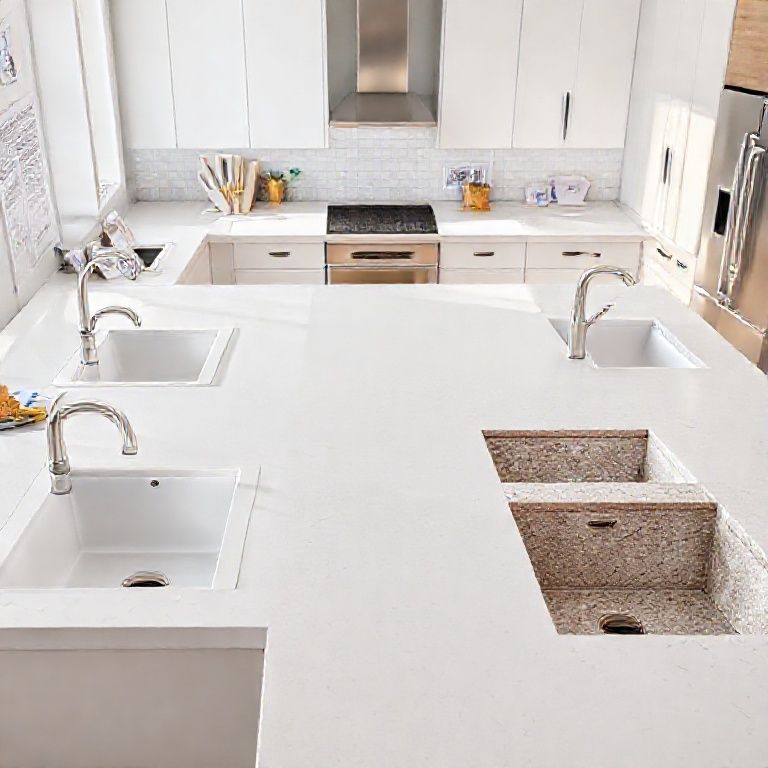
Introduction: In the realm of luxury and elegance, few materials can match the timeless allure of marble. Renowned for its natural beauty, durability, and versatility, marble has been a favored choice for centuries, adorning the finest homes, public buildings, and monuments worldwide. But what exactly determines the cost of marble per square meter? Let’s embark on an enlightening journey to unravel the mysteries behind marble pricing, its types, benefits, and why it continues to be the quintessential choice for high-end decor.
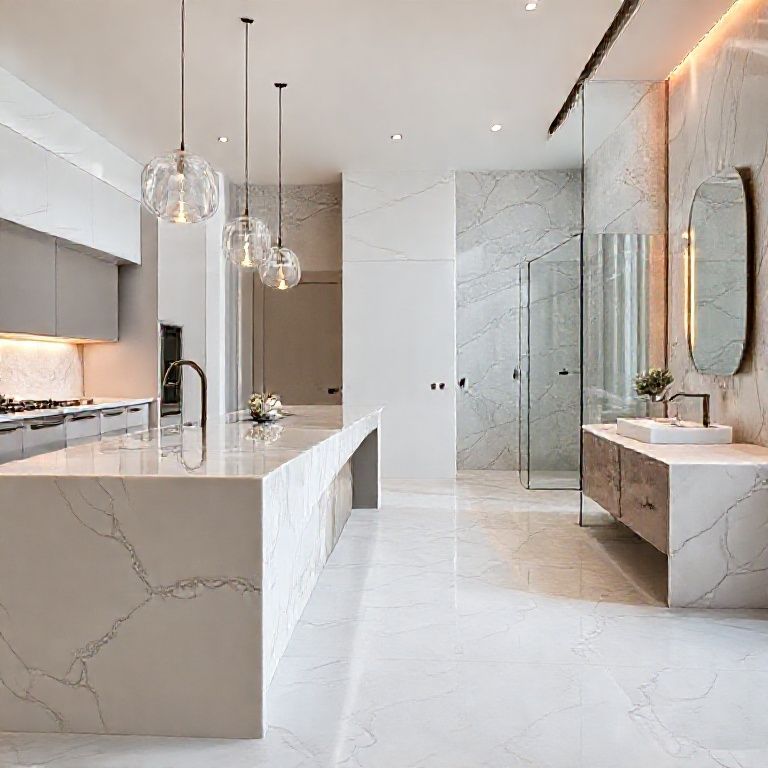
The Timeless Beauty of Marble: Marble is a metamorphic rock composed of recrystallized carbonate minerals, most commonly calcite or dolomite. It is prized for its unique patterns and colors, which are a result of natural geological processes. Marble comes in various types, each with distinct characteristics that cater to different design preferences and budgets.
Factors Influencing Marble Pricing: The cost of marble per square meter is influenced by several factors, including:
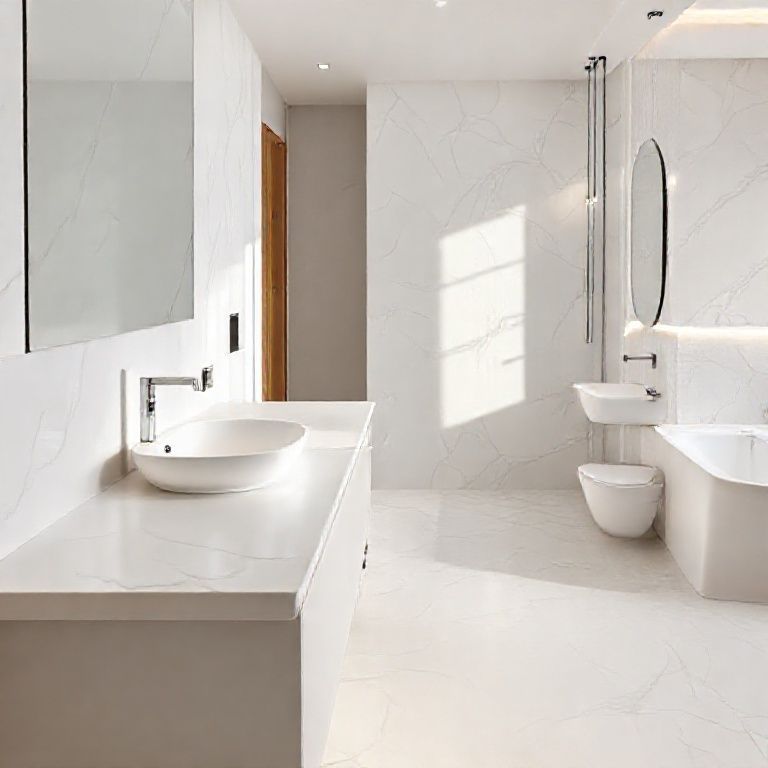
Type and Origin: Marble types such as Carrara (Italy), Bianco Carrara, and Statuario (also from Italy), Indian Black Marble, and Brazilian Marble each have unique patterns and qualities. The origin of the marble plays a crucial role in its price, with Italian marble typically being more expensive due to its historical significance and superior quality.
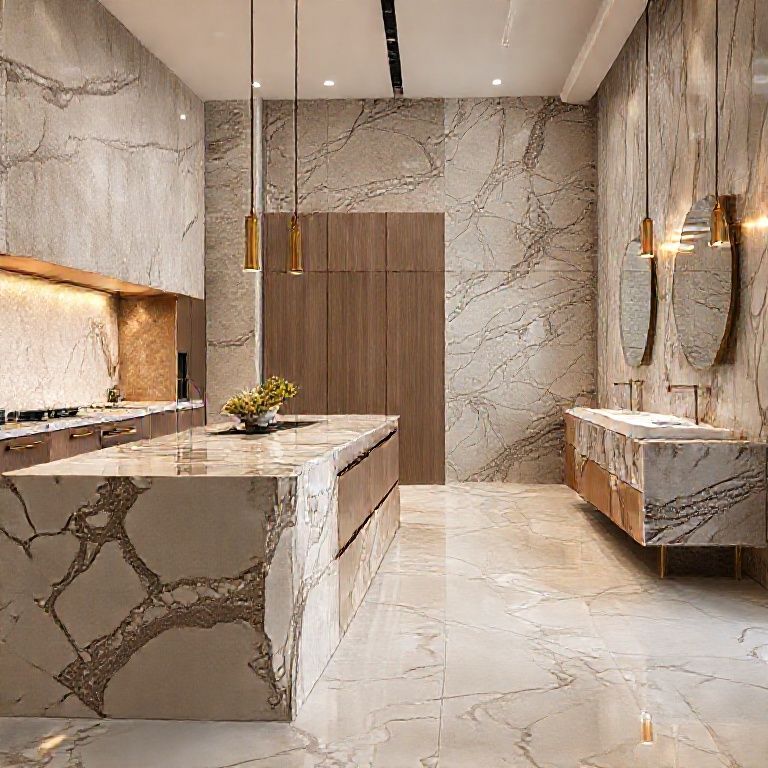
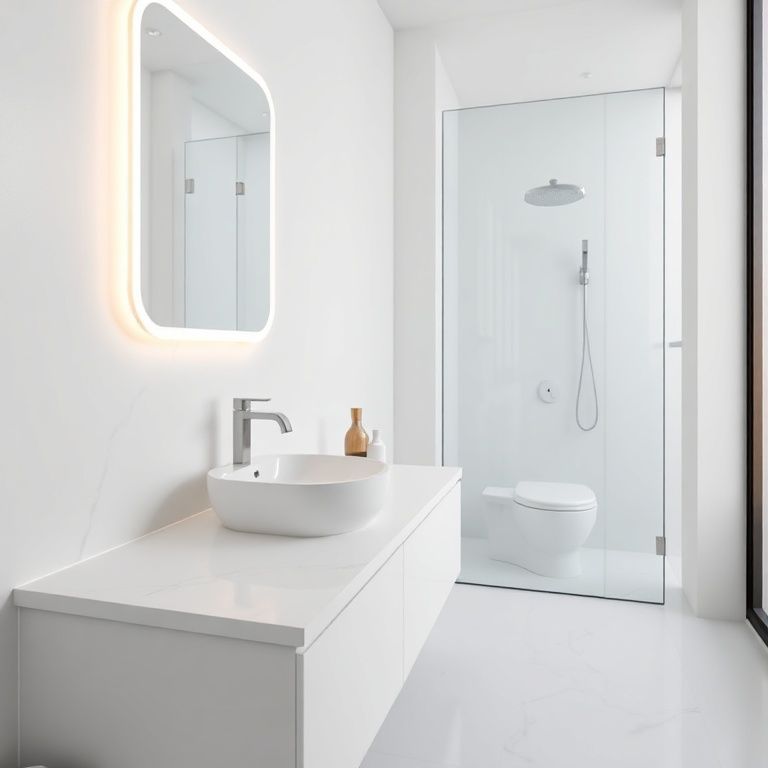
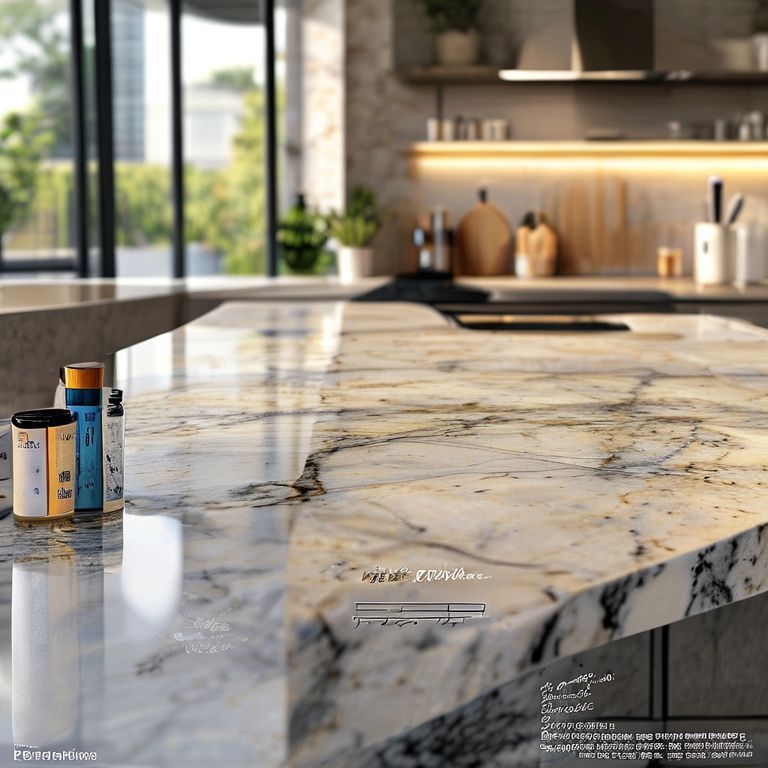
Color and Pattern: Marble’s beauty lies in its natural color and pattern variations. Marbles with more striking, unique patterns or vibrant colors often come at a higher price. Pure white marbles are generally less expensive compared to those with rich, intricate veins.
Quality and Finish: The quality of marble, including its density and resistance to staining, impacts its price. Higher-quality marble with fewer veins and a smoother finish commands a higher price. The finish type, whether it’s polished, honed, or rubbed, also influences the cost.
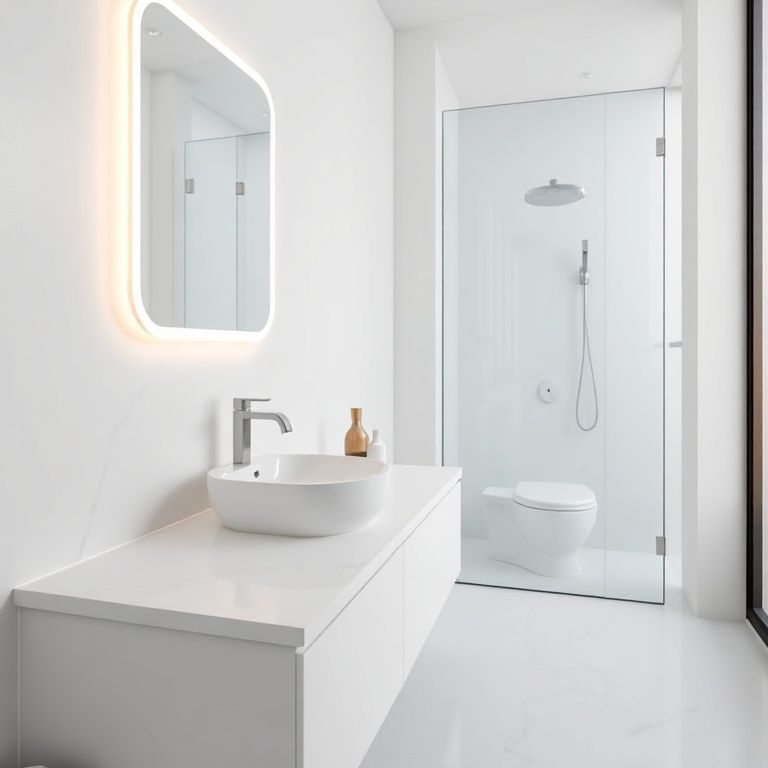
Labor Costs: The complexity of the installation process and the expertise required can significantly affect the overall cost. Marble installation is labor-intensive, requiring skilled craftsmen to ensure proper fitting and sealing.
The Benefits of Using Marble: Marble is celebrated for its numerous benefits that make it a top choice for luxury projects:
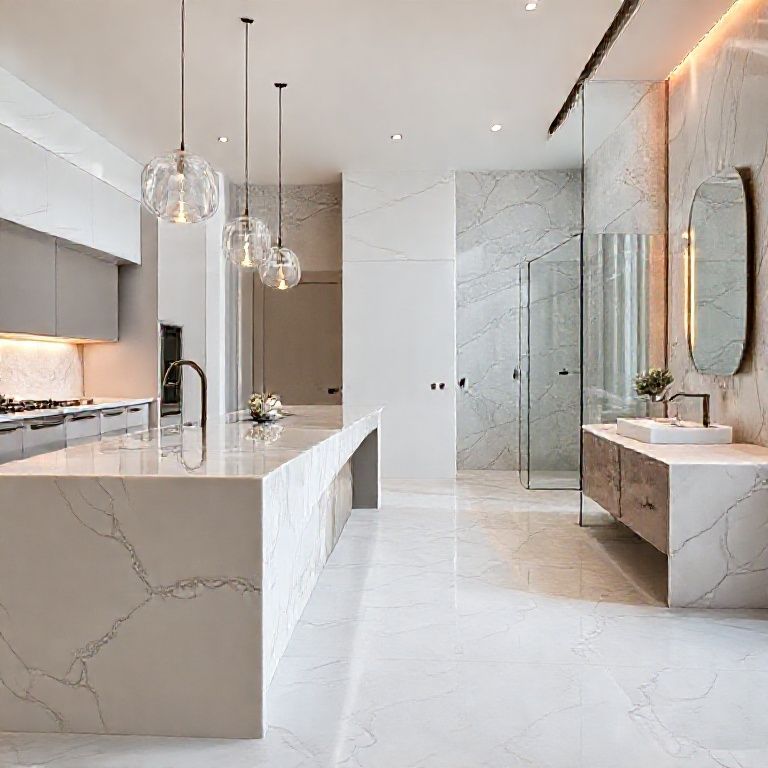
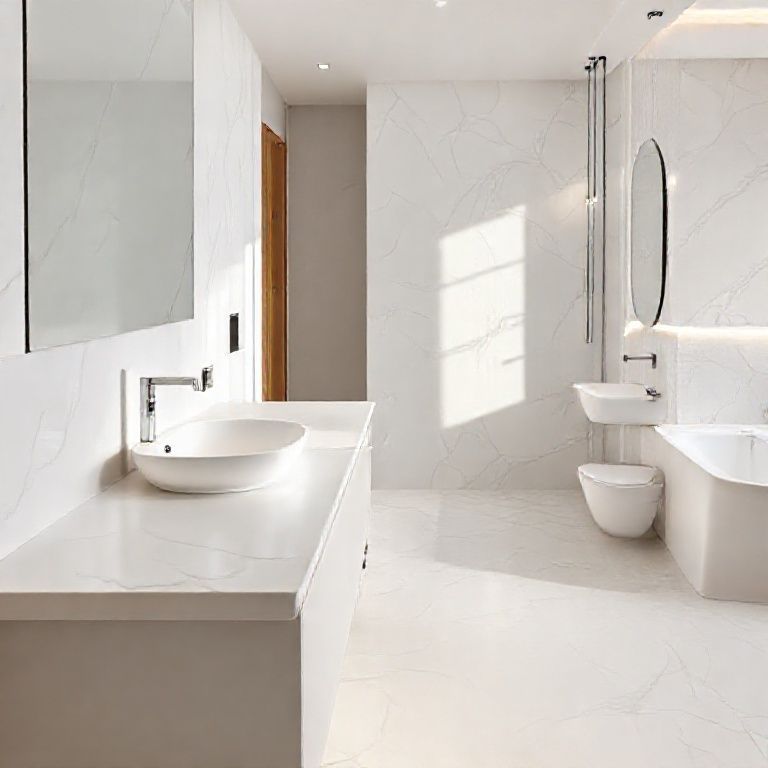
Aesthetic Appeal: Marble’s natural beauty and elegance enhance the aesthetic appeal of any space. Its unique patterns and colors provide a sense of luxury and sophistication.
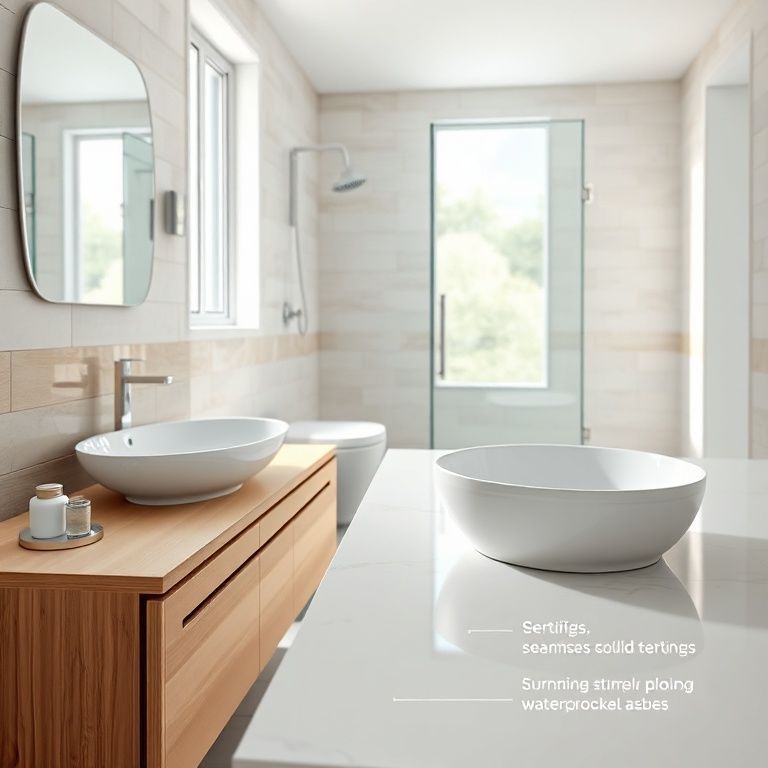
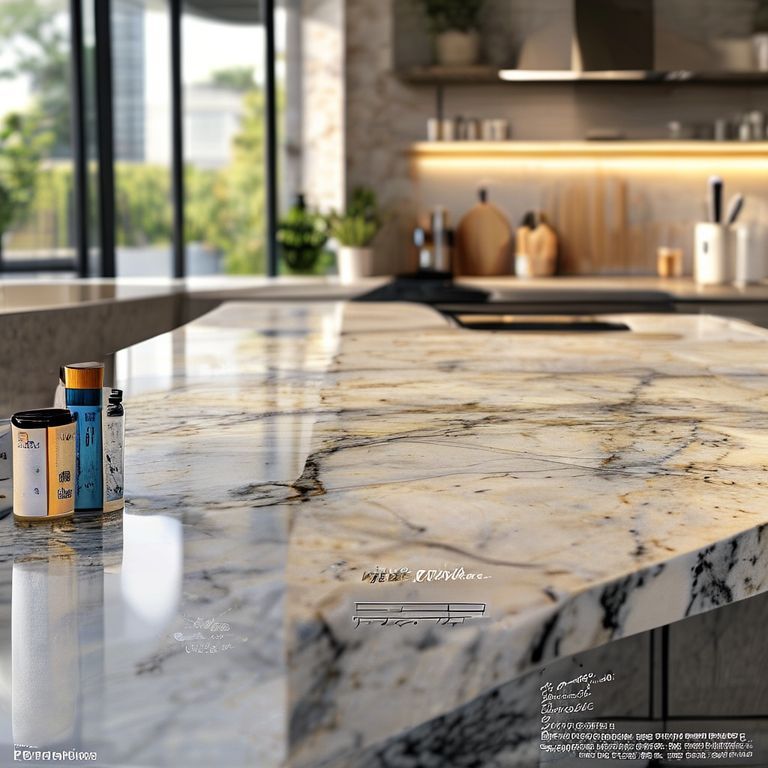
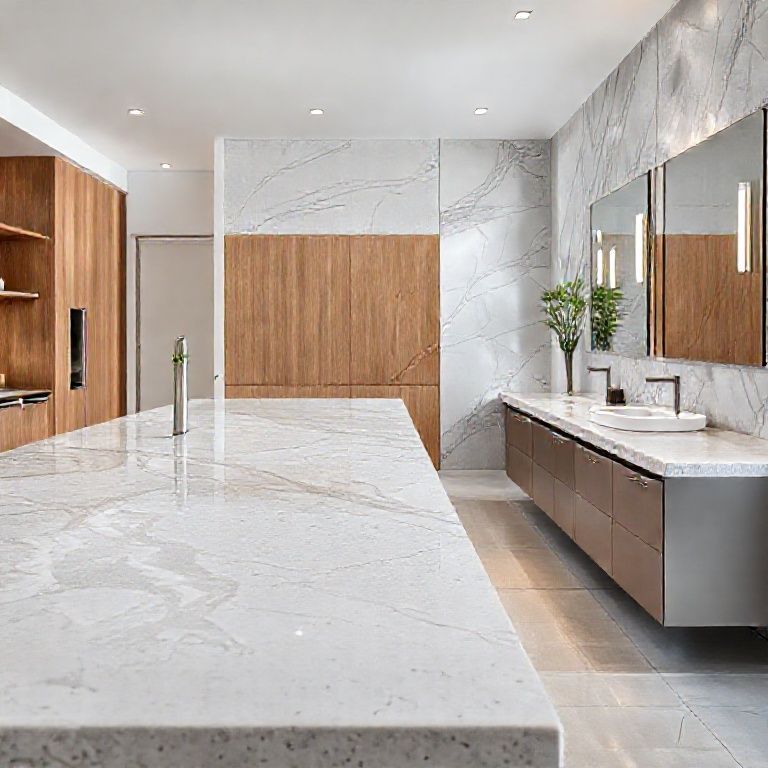
Durability: Marble is highly durable and resistant to scratches and stains, making it an ideal choice for high-traffic areas such as kitchens and bathrooms.
Easy Maintenance: While marble requires regular maintenance to prevent staining, it is relatively easy to clean and maintain. Proper sealing and care can extend the lifespan of marble surfaces.
Versatility: Marble’s versatility allows it to be used in various applications, including flooring, countertops, backsplashes, and even decorative elements like columns and fountains.
Popular Marble Types and Their Prices: Understanding the different types of marble and their respective costs can help you make an informed decision based on your design preferences and budget.
Italian Marble: Known for its exquisite quality, Italian marbles like Carrara and Statuario are among the most expensive. Carrara marble, famous for its pure white color with minimal veins, can cost anywhere from $20 to $50 per square meter, depending on the specific type and finish.
Indian Marble: Indian marbles, such as Black Leopard and Indian Black Marble, offer stunning dark colors with unique veining. Prices typically range from $10 to $30 per square meter, making them a popular choice for those seeking elegance at a more affordable price.
Brazilian Marble: Brazilian marbles like São Paulo and Vila Velha are renowned for their vibrant colors and patterns. Prices usually fall between $15 and $40 per square meter, depending on the specific type and desired finish.
American Marble: Varieties such as Colorado and North Carolina marbles offer unique patterns and colors at more budget-friendly prices, ranging from $8 to $25 per square meter.
Conclusion to Marble remains a symbol of luxury and timeless beauty, with its cost per square meter influenced by factors like type, origin, color, quality, and labor. The aesthetic appeal, durability, and versatility of marble make it a popular choice for high-end decor, catering to various budgets and design preferences. In the next part, we will delve deeper into the installation process, maintenance tips, and the future trends in marble usage.
Unveiling the Elegance of Marble: A Comprehensive Look into “How Much Does a Square Meter of Marble Cost?”
Introduction: Continuing our exploration of marble, this second part will delve into the installation process, maintenance tips, and future trends in marble usage. Understanding these aspects will provide you with a comprehensive understanding of why marble continues to be a preferred choice for luxury and elegance.
The Installation Process: The installation of marble is a meticulous process that requires skilled craftsmen to ensure the best results. Here’s a detailed look at the installation process:
Planning and Design: The first step involves planning and designing the layout. Professionals will measure the space, select the appropriate marble type, and create a detailed design plan to ensure a seamless fit and aesthetic appeal.
Preparation: Proper preparation of the surface is crucial for a successful installation. This includes cleaning the surface thoroughly, repairing any damage, and ensuring it is level and smooth. The subfloor must also be prepared to support the weight of the marble.
Cutting and Fitting: Marble slabs are cut to the required size using specialized tools. Precision is key to ensure a perfect fit, especially in smaller spaces. Professionals use a marble saw to make precise cuts and ensure that the pieces fit together seamlessly.
Installation: The marble pieces are then installed using adhesive or mechanical fixings. The installation process involves placing the first row of tiles, ensuring proper alignment, and then proceeding row by row. Spacers are often used to maintain consistent gaps between tiles.
Sealing: Once the marble is installed, it needs to be sealed to protect it from stains and spills. Professional sealers are applied to enhance the durability and appearance of the marble surface.
Maintenance Tips: To maintain the beauty and longevity of your marble surfaces, here are some essential maintenance tips:
Regular Cleaning: Marble should be cleaned regularly using a mild pH-neutral cleaner and a soft cloth. Avoid using acidic cleaners, as they can etch the marble surface.
Immediate Stain Removal: Stains should be removed immediately to prevent them from setting in. Use a marble cleaner or a mixture of vinegar and water to gently clean the surface.
Sealing: Re-seal the marble every 6 to 12 months to maintain its protective barrier against stains and spills. Follow the manufacturer’s instructions for the best results.
Avoiding Damage: Use coasters and trivets to protect marble surfaces from hot dishes and spills. Avoid using sharp objects on marble surfaces to prevent scratches.
Future Trends in Marble Usage: The world of marble is ever-evolving, with new trends and innovations shaping its usage in modern design. Here are some future trends to watch out for:
Sustainable Marble: As sustainability becomes a priority, there is a growing demand for eco-friendly marble options. Manufacturers are exploring ways to produce marble that is environmentally friendly and sustainable.
Customization: The demand for customized marble designs continues to rise. Innovations in technology allow for the creation of bespoke marble pieces that cater to unique design requirements.
Innovative Applications: Marble is finding new applications in various fields, including architecture, automotive, and even fashion. Its versatility and aesthetic appeal make it a popular choice for innovative projects.
Marble Composites: The development of marble composites, which combine marble with other materials, offers new possibilities for design and functionality. These composites can offer the beauty of marble with enhanced durability and resistance.
Conclusion: In conclusion, the cost of marble per square meter is influenced by various factors, including type, origin, color, quality, and labor costs. Marble’s enduring appeal lies in its aesthetic beauty, durability, and versatility, making it a timeless choice for luxury decor. Understanding the installation process, maintenance tips, and future trends will help you make informed decisions and appreciate the elegance and value marble brings to any space.
Marble remains a symbol of luxury and sophistication, and its continued popularity is a testament to its timeless beauty and enduring appeal. Whether you’re looking to enhance the elegance of your home or exploring innovative applications, marble offers a world of possibilities for luxury and design.