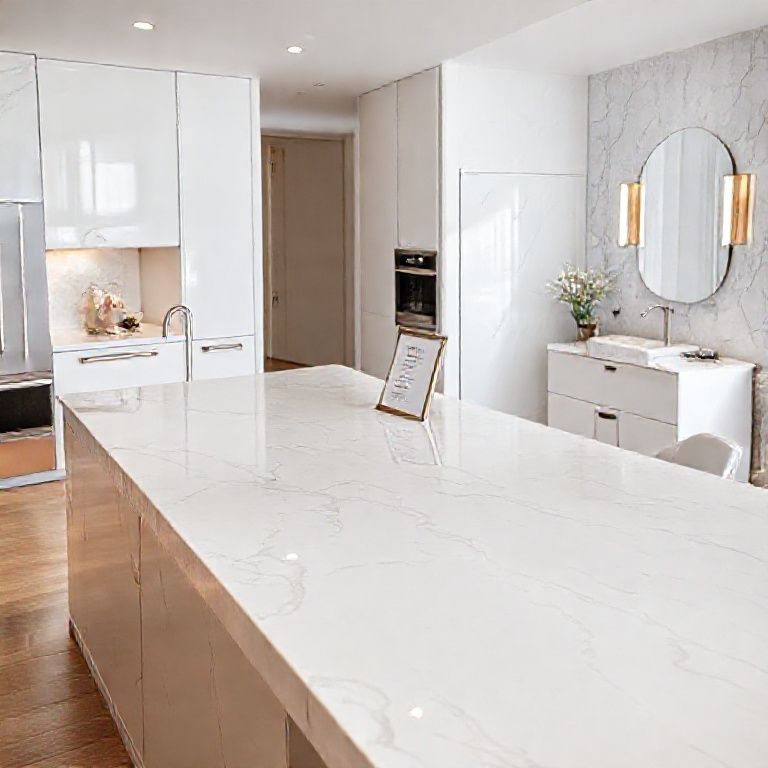
Introduction to Artificial Stone Countertops
Artificial stone countertops have become a popular choice in both residential and commercial spaces due to their durability, low maintenance, and stunning aesthetic appeal. Composed of natural stone and resins, these countertops mimic the appearance of natural stone while offering superior strength and resistance to scratches, stains, and thermal damage. However, achieving a flawless finish on an artificial stone surface requires careful preparation and the right tools.
Understanding the Role of Sanding
Sanding is a crucial step in the finishing process of artificial stone countertops. It involves smoothing and polishing the surface to achieve a desired texture and shine. Proper sanding removes imperfections such as scratches, rough spots, and minor blemishes, leaving a polished and professional-looking finish. The key to successful sanding lies in selecting the appropriate sandpaper grit.
The Significance of Grit Size
The grit size of sandpaper refers to the number of abrasive particles per square inch and determines the coarseness or fineness of the sandpaper. Different grits serve different purposes in the sanding process:
Coarse Grit (80-120): Coarse grit sandpaper is used for initial sanding to remove heavy scratches, rough areas, and significant imperfections. It’s the first step in the sanding process to create a smooth base.
Medium Grit (150-220): Medium grit sandpaper refines the surface, reducing minor scratches and smoothing out the coarse sanding. It bridges the gap between coarse and fine grit, making it easier to transition to finer sandpaper.
Fine Grit (320-400): Fine grit sandpaper polishes the surface, removing finer scratches and preparing it for a high-gloss finish. This stage is crucial for achieving a smooth and reflective surface.
Ultra-Fine Grit (600-1000): Ultra-fine grit sandpaper provides an ultra-smooth finish, ideal for achieving a mirror-like shine. This is the final step in the sanding process to ensure the surface is flawless.
Choosing the Right Grit for Artificial Stone
When sanding artificial stone countertops, selecting the correct sandpaper grit is vital for achieving a polished and professional finish without damaging the surface. Here’s a detailed guide to help you choose the right grit:
Initial Assessment: Start by thoroughly inspecting the countertop for any significant imperfections. Identify areas that require coarse sanding and those that need more refined finishing.
Coarse Sanding: Begin with a coarse grit sandpaper, typically around 80-120, to remove any heavy scratches or rough spots. Use a sanding block or electric sander for even application. Ensure you apply even pressure and move the sandpaper in a back-and-forth motion to avoid creating swirl marks.
Refinement with Medium Grit: Once the initial sanding is complete, switch to a medium grit sandpaper, such as 150-220. This step helps to smooth out the surface created by the coarse sanding, preparing it for finer finishing. Use the same techniques as before, applying even pressure and maintaining a consistent motion.
Fine Polishing: Transition to a fine grit sandpaper, around 320-400, to polish the surface. This step removes finer scratches and begins to bring out the natural beauty of the artificial stone. Be meticulous in your approach, ensuring an even and thorough sanding process.
Ultra-Fine Finishing: Finally, use an ultra-fine grit sandpaper, such as 600-1000, to achieve an ultra-smooth finish. This final step is essential for achieving a high-gloss, mirror-like shine. Take your time during this stage, as the surface is now more sensitive to scratches and imperfections.
Tips for Effective Sanding
To ensure the best results when sanding artificial stone countertops, consider the following tips:
Use the Right Technique: Whether using a hand sander, sanding block, or electric sander, maintain a consistent motion. Avoid applying too much pressure, as this can cause uneven sanding and potential damage to the surface.
Choose Quality Sandpaper: Invest in high-quality sandpaper to ensure durability and effectiveness. Avoid using sandpaper with low grit numbers, as it can be too abrasive and damage the surface.
Maintain a Clean Surface: Regularly clean the sandpaper and surface to remove dust and debris. This helps prevent scratches and ensures a smoother finish.
Work in a Well-Ventilated Area: Sanding can produce fine dust particles, so ensure you work in a well-ventilated area to minimize inhalation and maintain a clean workspace.
Test in a Small Area: Before applying sandpaper to the entire surface, test in a small, inconspicuous area to check for any adverse reactions or damage to the stone.
Conclusion
Sanding artificial stone countertops is a meticulous process that requires careful selection of the right sandpaper grit to achieve a flawless finish. By understanding the importance of different grit sizes and following the proper sanding techniques, you can transform your artificial stone countertop into a stunning and durable surface. Remember to take your time, use quality tools, and maintain a clean workspace to ensure the best results.
Advanced Sanding Techniques and Final Touches
Building on the Basics: Advanced Sanding Techniques
Once you’ve mastered the fundamental steps of sanding artificial stone countertops, it’s time to explore advanced techniques that can elevate your finishing game. Here are some advanced tips and methods to refine your skills and achieve professional results.
Sanding Edges and Corners: Sanding edges and corners can be challenging, as these areas often require more precision. Use a sanding block or an orbital sander with a fine grit sandpaper to carefully smooth these areas without damaging the edges. Pay close attention to the angle and ensure a smooth transition from the main surface to the edges.
Eliminating Micro-Scratches: Micro-scratches can detract from the shine and appearance of your countertop. To address these, use a fine polish or a specialized stone countertop polishing compound. Apply the polish with a soft cloth, following the grain of the stone, and then buff with a clean, dry cloth to achieve a high-gloss finish.
Restoring Faded Areas: Over time, artificial stone countertops can develop faded areas due to wear and exposure to environmental factors. To restore these areas, start with a medium grit sandpaper to gently sand the affected regions. Follow up with fine and ultra-fine grit sandpaper to achieve an even and polished surface.
Correcting Imperfections: If you encounter imperfections such as uneven spots or minor damage, address them with precision. Use a coarse grit sandpaper to remove the imperfections and then gradually transition to finer grits to smooth out the area. Ensure the repaired area blends seamlessly with the surrounding surface.
Final Touches: Achieving the Perfect Finish
After thorough sanding, it’s essential to add the final touches to ensure your artificial stone countertop looks impeccable. Here’s how to finalize your work:
Cleaning the Surface: Before applying any finishing products, clean the surface thoroughly to remove all dust, debris, and residues from the sanding process. Use a damp cloth with a mild cleaner to gently wipe the countertop, followed by a dry cloth to ensure no moisture is left behind.
Applying a Sealer: To protect the countertop from stains, scratches, and everyday wear, apply a high-quality sealer. Choose a sealer specifically designed for artificial stone surfaces. Follow the manufacturer’s instructions for application, ensuring even coverage and allowing sufficient drying time.
Buffing and Polishing: Once the sealer has dried, use a soft cloth to buff and polish the surface. This step not only enhances the shine but also activates the sealer, providing an additional layer of protection. Pay special attention to the edges and corners, ensuring a uniform and professional finish.
Regular Maintenance: To maintain the beauty and durability of your artificial stone countertop, regular maintenance is essential. Wipe the surface daily with a soft, dry cloth to remove dust and spills. For tougher stains, use a stone countertop cleaner and follow up with a dry cloth. Avoid using abrasive cleaners or tools that can scratch the surface.
Conclusion
Sanding artificial stone countertops is an art that combines precision, technique, and the right tools to achieve a flawless finish. By mastering the selection of sandpaper grit and employing advanced sanding techniques, you can transform your countertops into stunning pieces that stand the test of time. Remember to take your time, maintain a clean workspace, and follow through with the final touches to ensure your artificial stone countertop not only looks beautiful but also remains durable and protected.
By following this comprehensive guide, you’ll be well-equipped to polish your artificial stone countertops to perfection, ensuring a professional and long-lasting finish that enhances the beauty and value of your space.