Introduction to Artificial Stone Countertops
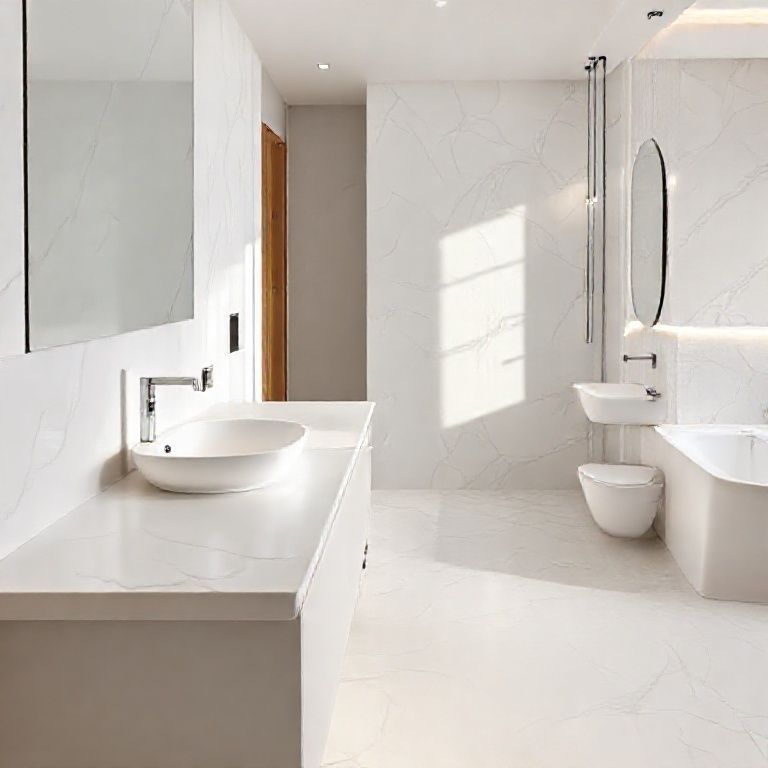
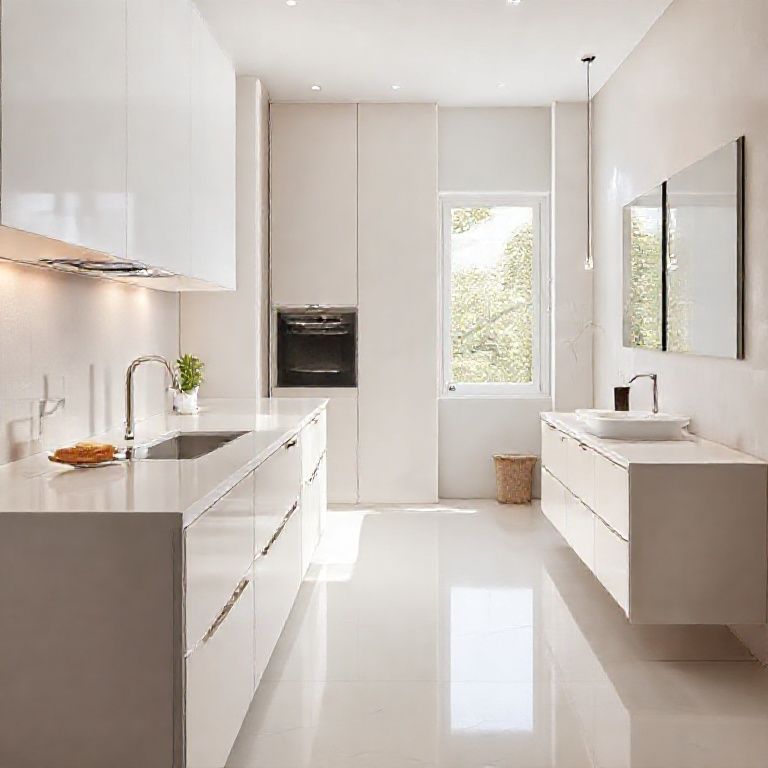
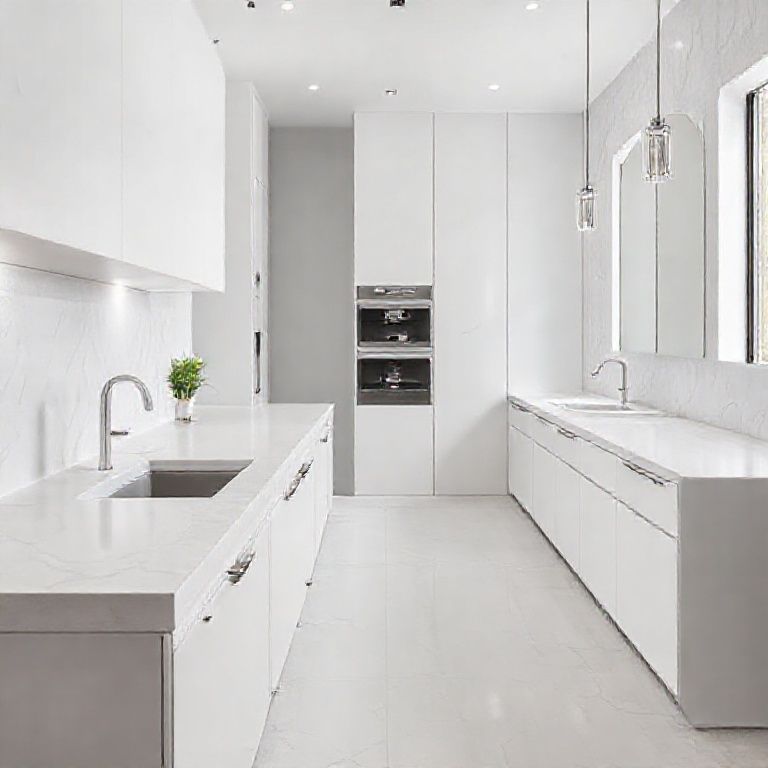
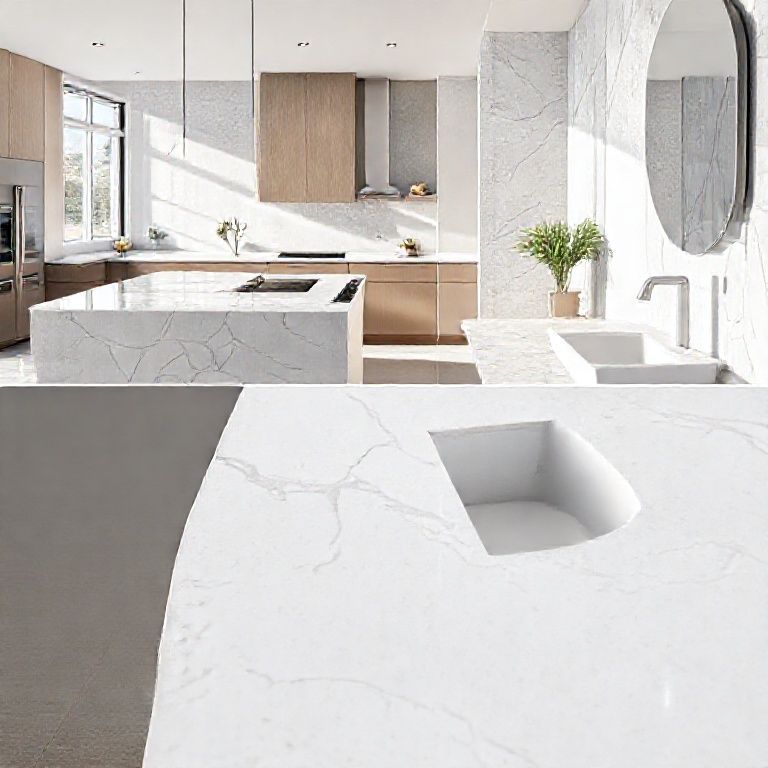
Artificial stone countertops have revolutionized the kitchen and bathroom design industry. Known for their durability, aesthetic appeal, and low maintenance, these countertops are a popular choice among homeowners and designers alike. However, like any material, artificial stone requires proper care and maintenance to maintain its pristine condition. Two essential processes in this care routine are grinding and polishing. This article will explore these processes in detail, focusing on the prices associated with maintaining your artificial stone surfaces.
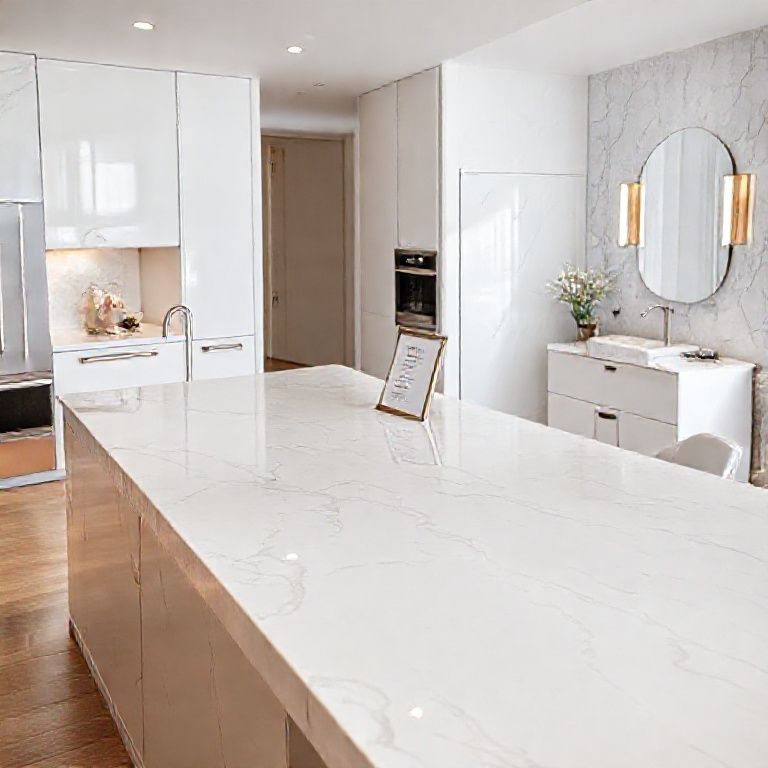
The Process of Grinding Artificial Stone Countertops
Grinding artificial stone countertops is a crucial process that removes any surface imperfections, scratches, or chips that might have occurred over time. This step is essential for preparing the surface for polishing, ensuring that the final shine is maximized. Here’s a detailed look at what happens during the grinding process:
Assessment and Preparation: Before grinding begins, a professional technician will assess the condition of your countertop. This involves identifying areas that need attention and determining the appropriate grinding technique.
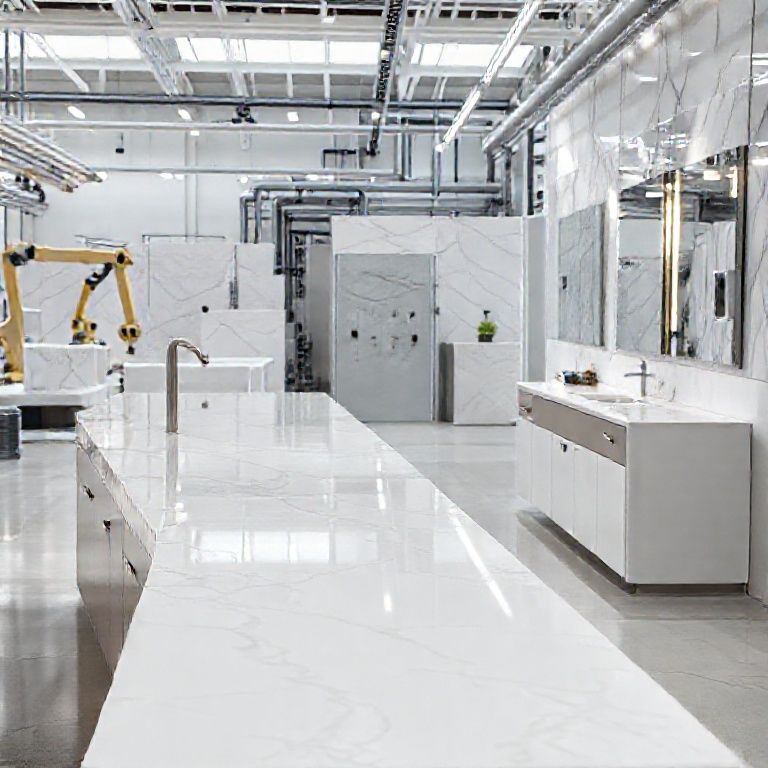
Grinding Process: Using specialized equipment, the technician will carefully grind the surface of the countertop. This process involves using a grinding machine with abrasive wheels to smooth out imperfections. The speed and pressure are carefully controlled to avoid damaging the stone.
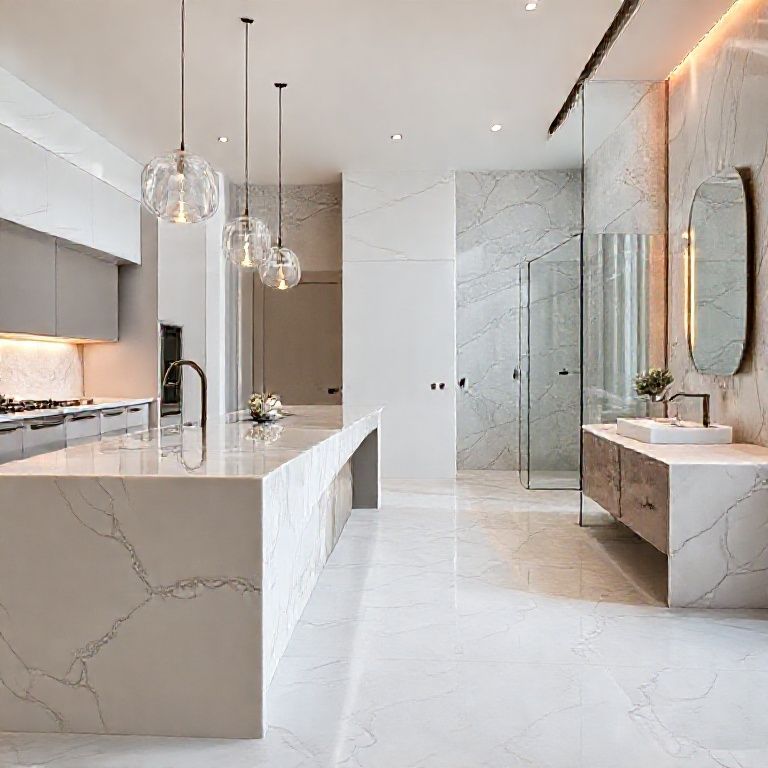
Cleaning: Post-grinding, the surface will be thoroughly cleaned to remove any debris and residue left by the grinding process. This step ensures that the surface is ready for polishing without any contaminants.
The Art of Polishing Artificial Stone Countertops
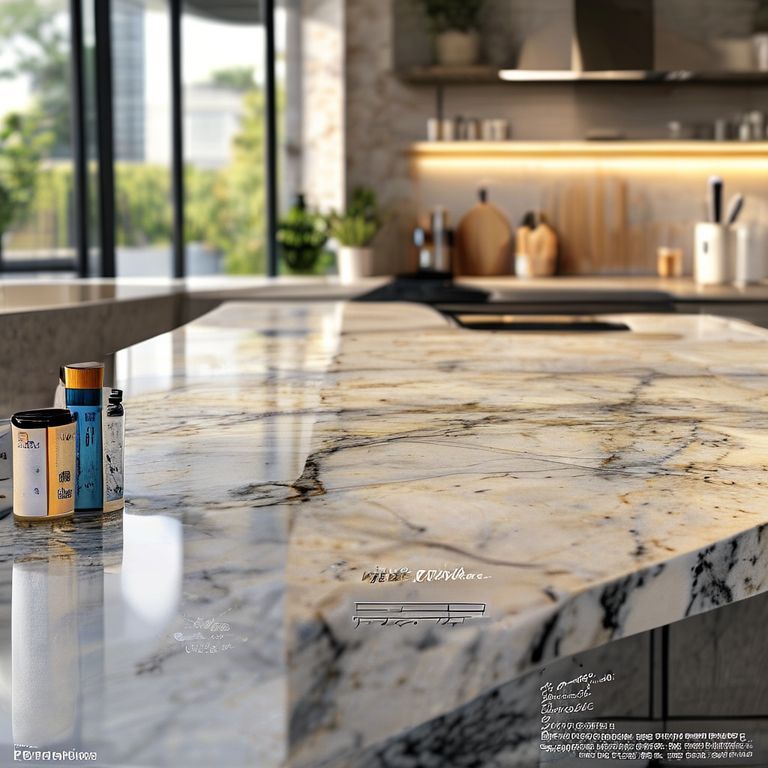
Polishing is the final step in achieving the perfect shine for your artificial stone countertop. This process involves using high-grade polishing compounds and equipment to enhance the surface’s gloss and durability. Here’s what you can expect during the polishing process:
Polishing Compounds: Different types of polishing compounds are used depending on the desired finish. These compounds can range from matte to high-gloss finishes, allowing you to choose the style that best complements your space.
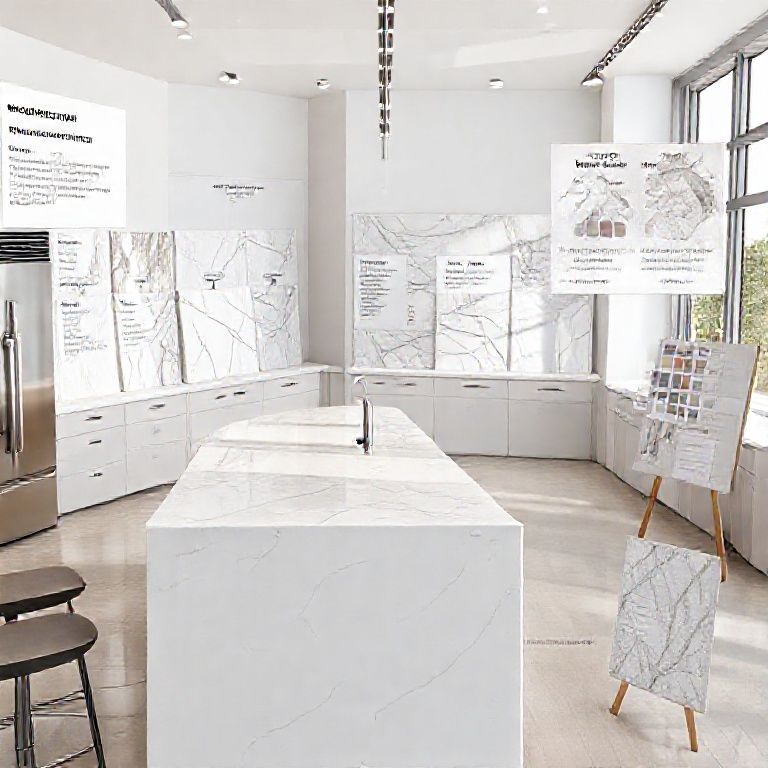
Polishing Technique: Using a polishing machine, the technician will apply the polishing compound to the surface and use a buffing pad to evenly distribute it. The machine’s rotation helps to create a smooth, shiny finish.
Final Inspection: Once polishing is complete, the technician will perform a final inspection to ensure that the surface meets the desired quality and finish. Any touch-ups or additional polishing may be done if necessary.
Factors Influencing the Price of Grinding and Polishing
The cost of grinding and polishing artificial stone countertops can vary based on several factors. Understanding these factors can help you make informed decisions about your maintenance and renovation projects.
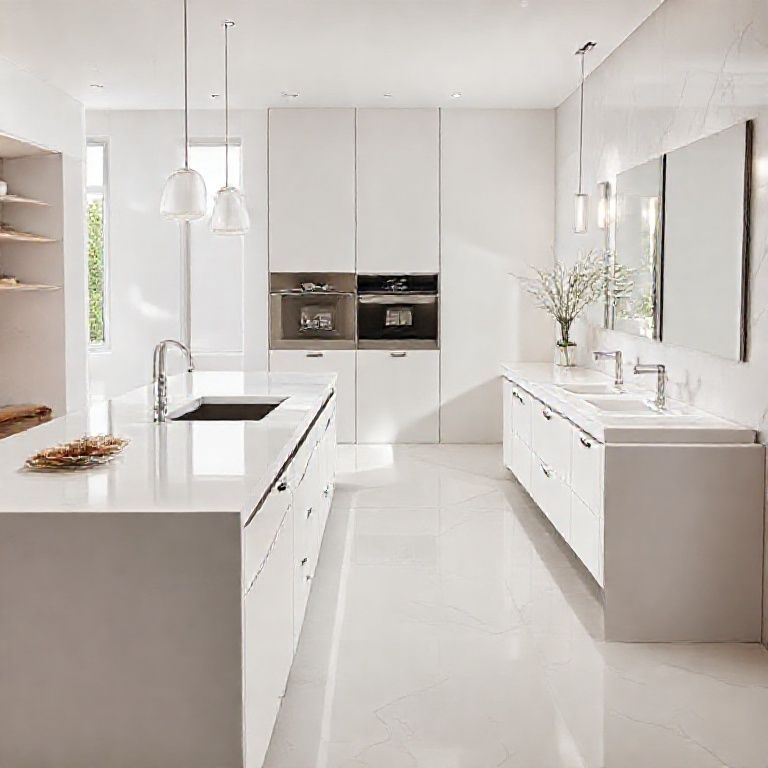
Size and Complexity of the Countertop: Larger countertops or those with intricate designs will require more time and effort, leading to higher costs. The complexity of the design also plays a role in determining the price.
Material Grade: Higher-grade artificial stones are more durable and may require specialized techniques during grinding and polishing, thus affecting the overall cost.
Location: Urban areas with higher labor costs often have higher prices for professional services compared to rural regions.
Experience and Reputation of the Service Provider: Established professionals with a good reputation may charge more due to their expertise and quality of work.
Additional Services: Sometimes, additional services like cleaning, minor repairs, or touch-ups might be required before or during the grinding and polishing process, adding to the overall cost.
Benefits of Professional Grinding and Polishing
Investing in professional grinding and polishing services offers numerous benefits that extend beyond just aesthetics. Here are some key advantages:
Enhanced Durability: Proper maintenance through grinding and polishing can extend the lifespan of your artificial stone countertops, making them more resistant to scratches, chips, and stains.
Improved Aesthetics: A well-polished surface not only looks beautiful but also enhances the overall appeal of your kitchen or bathroom. The shine and smoothness created through professional polishing can make your space feel more luxurious.
Health and Hygiene: Artificial stone is known for being non-porous and easy to clean, but regular maintenance ensures that it remains in optimal condition, free from harmful bacteria and debris.
Customization: Professional services often offer customization options, allowing you to choose the exact finish and style that suits your preferences and complements your home decor.
Conclusion to Part 1
Maintaining your artificial stone countertops through professional grinding and polishing is essential for preserving their beauty and durability. Understanding the processes, factors influencing the cost, and the benefits of professional services can help you make informed decisions about your home renovation projects. In the next part, we will delve deeper into specific pricing examples, case studies, and tips for choosing the right service provider for your needs.
Detailed Pricing Examples and Case Studies
In this part, we will provide detailed examples of typical prices for grinding and polishing artificial stone countertops, along with some real-life case studies to give you a clearer picture of what to expect. We will also offer tips for choosing the right service provider and maximizing the value of your investment.
Typical Pricing for Grinding and Polishing
The cost of grinding and polishing artificial stone countertops can vary significantly based on the factors we discussed earlier. Here are some general price ranges and examples to help you understand the costs involved:
Small Kitchen Countertops (20-30 square feet): Grinding: $100 – $200 Polishing: $150 – $250 Total: $250 – $450 Large Kitchen Countertops (40-50 square feet): Grinding: $200 – $350 Polishing: $250 – $400 Total: $450 – $750 Bathroom Countertops (15-25 square feet): Grinding: $100 – $180 Polishing: $150 – $280 Total: $250 – $460 Custom Designs and Large Formats: Grinding: $300 – $600+ Polishing: $400 – $800+ Total: $700 – $1400+
These prices are approximate and can vary based on location, the complexity of the design, and the service provider’s rates.
Case Studies: Real-Life Examples
To provide a more tangible understanding of what you might expect, here are a few real-life case studies of grinding and polishing projects:
Case Study 1: Small Kitchen Makeover Project Overview: A small kitchen with a 25-square-foot artificial stone countertop that had some minor scratches and chips. Cost: $400 (including both grinding and polishing) Results: The countertop was restored to its original shine, with no visible imperfections. The customer was very satisfied with the professional service and the cost was within their budget. Case Study 2: Large Family Room Countertop Restoration Project Overview: A large family room with a 50-square-foot artificial stone countertop that had significant wear and discoloration. Cost: $800 (including both grinding and polishing) Results: The countertop was completely restored, with a high-gloss finish that enhanced the room’s aesthetic. The customer noted the durability and beauty of the polished surface, feeling the investment was well worth it. Case Study 3: Bathroom Countertop Renovation Project Overview: A bathroom with a 20-square-foot countertop that had minor chips and needed a fresh polish. Cost: $400 (including both grinding and polishing) Results: The countertop was rejuvenated, with a new shine that made the bathroom feel more modern and clean. The customer appreciated the attention to detail and the cleanliness of the process.
Tips for Choosing the Right Service Provider
Choosing the right service provider for your artificial stone countertop grinding and polishing can make a significant difference in the quality and cost of the final result. Here are some tips to help you make an informed decision:
Research and Reviews: Look for service providers with good reviews and testimonials from previous customers. Websites like Google Reviews, Yelp, and Angie’s List can provide valuable insights.
Check Credentials: Ensure that the service provider is certified and has experience specifically in artificial stone countertop maintenance. Check for any certifications or memberships in professional organizations.
Get Multiple Quotes: Obtain quotes from several providers to compare prices and services. Be wary of prices that seem too good to be true, as they might compromise on quality.
Service Quality and Warranty:
Service Quality: The quality of the service can greatly affect the outcome. High-quality machines and compounds used can make a significant difference in the shine and durability of the polished surface. Warranty: Some service providers offer a warranty on their work. This can give you peace of mind knowing that if any issues arise, they will take responsibility and rectify the work. Environmental Impact: Eco-Friendly Practices: Some companies offer eco-friendly options for cleaning and polishing, which might come at an additional cost but could be worth it for those concerned about environmental impact. Additional Services: Cleaning and Repairs: Often, grinding and polishing services might include additional cleaning or minor repairs. Consider if these are additional costs or if they’re included in the main price. Timing and Scheduling: Availability: Make sure the service provider is available within your preferred time frame. Scheduling can be crucial for large projects to ensure minimal disruption to your daily life. Personal Touch: Communication: Good communication with the service provider is essential. They should be able to understand your expectations and provide you with a clear estimate of what the process will look like and what results you can expect.
Maximizing Your Investment:
Budget Wisely: If you’re on a tight budget, consider starting with a smaller project to see the results and then expand. This can help you understand the value and decide if further investment is worthwhile. Long-Term Durability: Investing a bit more now can often save money in the long run by preventing the need for more frequent repairs or replacements. Customization: If your countertop has unique designs or colors, consider how this might affect pricing. Custom finishes can add value but might also come at an additional cost. Maintenance: Regular maintenance can prevent minor issues from becoming major problems, which might save you from expensive repairs down the line.
By taking these factors into account, you can make a well-informed decision that aligns with your budget, preferences, and long-term goals for your artificial stone countertops. Whether you’re looking to enhance the beauty of your kitchen or rejuvenate the look of your bathroom, proper care and professional polishing can significantly extend the life and aesthetic appeal of your artificial stone surfaces.