
In the ever-evolving world of interior design, countertops are no longer mere functional surfaces; they are statements of style, reflections of personality, and integral components of a well-crafted living space. Among the plethora of materials vying for attention, acrylic solid surface countertops have carved out a significant niche, captivating homeowners and designers alike with their unique blend of aesthetic appeal and practical advantages. If you’ve ever found yourself pondering the question, “亚克力人造石台面好不” – essentially, “Are acrylic solid surface countertops any good?” – then prepare to be enlightened. This comprehensive exploration will unveil the multifaceted charm of these innovative surfaces, delving deep into why they might just be the perfect choice for your home.

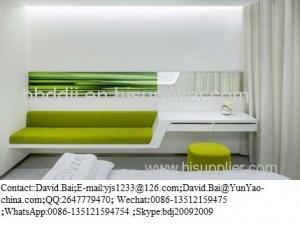
The allure of acrylic solid surface lies in its remarkable versatility. Unlike natural stone, which offers a pre-defined palette of colors and patterns, acrylic solid surface can be manufactured in an astonishing array of hues, textures, and designs. From mimicking the subtle veining of marble to emulating the bold, uniform colors of a modernist dream, the possibilities are virtually limitless. This adaptability makes it an ideal material for designers and homeowners seeking to achieve a specific aesthetic. Imagine a sleek, minimalist kitchen with a seamless, all-white countertop that flows uninterrupted into the backsplash – a feat easily achieved with solid surface due to its non-porous nature and ability to be thermoformed. Or perhaps a vibrant, eclectic bathroom featuring a countertop in a daring, unexpected color that serves as the room’s focal point. Acrylic solid surface empowers such creative visions, offering a canvas that can be tailored to virtually any design scheme.
Beyond its visual adaptability, the seamless nature of acrylic solid surface is a major draw. Unlike granite or quartz, which are typically installed in large slabs with visible seams, solid surface can be fabricated and installed with virtually invisible joints. This is achieved through specialized adhesives that, when cured, create a bond as strong as the material itself, making the seam disappear. The benefits of this seamless construction are manifold. Firstly, it enhances the aesthetic appeal, offering a smooth, flowing surface that feels both luxurious and modern. This is particularly desirable in kitchens and bathrooms where a clean, uncluttered look is often sought. Secondly, and perhaps more importantly from a practical standpoint, the absence of grout lines or seams means the elimination of potential breeding grounds for bacteria, mold, and mildew. This inherent hygiene makes acrylic solid surface an excellent choice for food preparation areas and bathrooms, contributing to a healthier living environment.
The non-porous quality of acrylic solid surface is another cornerstone of its appeal. Natural stones, while beautiful, are often porous, requiring regular sealing to prevent staining and bacterial growth. Quartz, while engineered to be less porous, can still be susceptible to certain chemicals. Acrylic solid surface, on the other hand, is inherently non-porous. This means that liquids, oils, and other common kitchen and bathroom substances cannot penetrate the surface. The result is a countertop that is highly resistant to staining from coffee, wine, juice, and even harsh chemicals. Spills can be wiped away with ease, leaving no trace behind. This ease of maintenance is a significant advantage for busy households, where time spent scrubbing and worrying about stains can be minimized. Furthermore, the non-porous nature contributes to its hygienic properties, as mentioned earlier.
Durability is, of course, a primary concern when selecting countertops. While acrylic solid surface may not possess the same brute hardness as granite or quartz, it offers a compelling balance of resilience and repairability. It is resistant to chipping and cracking, and its solid, homogenous composition means that any scratches or minor damage that do occur can often be repaired on-site. A professional can typically sand down the affected area and buff it to a like-new finish, a feat that is often impossible with other materials without complete replacement. This repairability adds a layer of longevity and value to acrylic solid surface countertops, allowing them to maintain their pristine appearance for years to come. While it’s advisable to use cutting boards and trivets to protect the surface from deep scratches and extreme heat, its everyday durability is more than sufficient for most household needs.
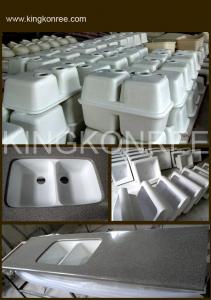
Thermoformability is a unique characteristic that sets acrylic solid surface apart from many other countertop materials. This process allows the material to be heated and bent into curved shapes, opening up a world of design possibilities that are simply not feasible with rigid materials like stone or engineered quartz. This means you can have countertops with integrated sinks that are also made from the same seamless material, creating a fluid, elegant look. It allows for the creation of custom-designed edges, elaborate inlays, and even sculptural elements. Imagine a waterfall edge that cascades down the side of a cabinet, or a curved breakfast bar that seamlessly blends into the surrounding cabinetry. This ability to be molded and shaped allows for a truly bespoke approach to kitchen and bathroom design, enabling the creation of spaces that are not only functional but also artistic expressions of individual style.
The repairability of acrylic solid surface is a significant point of differentiation. While accidental damage can happen with any countertop material, the way it’s addressed with solid surface is a key advantage. Small scratches, nicks, or even burns can often be buffed out or sanded down by a professional, restoring the surface to its original condition. This on-site repair capability can save homeowners considerable time, expense, and the disruption of a full countertop replacement. For deeper damage, a skilled fabricator can often patch the area seamlessly, making the repair virtually undetectable. This inherent ability to be rejuvenated contributes to the long-term value proposition of acrylic solid surface, ensuring that your investment remains beautiful and functional for years to come.
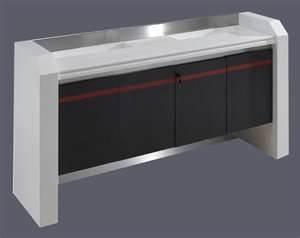
When considering the “亚克力人造石台面好不” question, it’s also important to look at the environmental considerations. Many acrylic solid surface manufacturers are increasingly focused on sustainable practices. The material itself is durable and repairable, reducing the need for premature replacement. Furthermore, some manufacturers offer products with recycled content or utilize manufacturing processes that minimize waste and energy consumption. While the production of any manufactured material has an environmental footprint, the longevity and repairability of acrylic solid surface can contribute to a more sustainable choice in the long run compared to materials that may have shorter lifespans or are more difficult to repair.
The tactile experience of acrylic solid surface is also worth noting. It has a smooth, warm, and pleasant feel to the touch, unlike the often cold and hard surface of natural stone. This subtle difference can contribute to the overall comfort and inviting atmosphere of a kitchen or bathroom. The smooth, unbroken surface also makes cleaning an absolute breeze. A simple wipe with a damp cloth and mild detergent is usually all that’s needed to keep it looking its best, making it a practical choice for high-traffic areas. This ease of cleaning, combined with its non-porous and seamless nature, contributes to a hygienic environment, a crucial factor in any home.
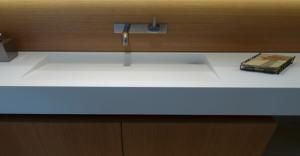
In summary, the initial foray into the world of acrylic solid surface countertops reveals a material that excels in aesthetic flexibility, seamless design, hygienic properties, and remarkable repairability. Its ability to adapt to diverse design visions, coupled with its practical advantages in maintenance and longevity, makes it a compelling contender for any home renovation project. As we continue this exploration, we will delve deeper into the practical aspects of ownership and compare it to other popular materials, solidifying its position as a truly excellent choice.
Continuing our deep dive into the merits of “亚克力人造石台面好不” – “Are acrylic solid surface countertops any good?” – we now move beyond the initial allure to address the practical considerations and comparative advantages that solidify its standing in the countertop market. While the aesthetic versatility and seamless beauty are undeniable, understanding how acrylic solid surface performs in daily life, how it stacks up against its competitors, and what ongoing care it requires is paramount to making an informed decision.
One of the most frequently asked questions revolves around heat resistance. Natural stone and quartz are generally known for their high tolerance to heat. Acrylic solid surface, while durable, is not impervious to extreme temperatures. It is advisable to always use trivets or hot pads when placing hot pots, pans, or dishes directly from the oven or stovetop onto the surface. Direct, prolonged exposure to high heat can cause discoloration or even permanent damage, such as warping or scorching. This is a key distinction to remember when comparing it to materials like granite or quartz. However, for the average kitchen use, where most hot items are placed on trivets as a standard practice, this is generally not a significant issue. The key is understanding the material’s limitations and adopting mindful usage habits.
When it comes to scratch resistance, acrylic solid surface falls somewhere in the middle of the countertop material spectrum. It is more susceptible to scratching than granite or quartz. However, as previously discussed, this is where its repairability truly shines. A deep scratch on granite or quartz might be a permanent blemish, necessitating a costly replacement or professional refinishing. With acrylic solid surface, a trained technician can often sand out the scratch and buff the area to a seamless finish, effectively making the damage disappear. For homeowners who are particularly concerned about scratches or have very active households with young children, incorporating good habits like using cutting boards and coasters becomes even more important. The trade-off for this exceptional repairability is a slightly lower inherent scratch resistance compared to some harder materials.
Maintenance for acrylic solid surface countertops is refreshingly straightforward, a significant boon for busy households. Its non-porous nature means that spills and stains are unlikely to penetrate the surface. A simple daily wipe-down with a damp cloth and a mild, non-abrasive detergent is usually sufficient to keep it clean and hygienic. For tougher stains, a paste of baking soda and water can often work wonders, applied gently with a soft cloth. It’s important to avoid harsh abrasive cleaners or scouring pads, as these can dull the finish over time. The absence of grout lines or seams also means no tedious scrubbing of grout to remove mildew or grime. This ease of care contributes significantly to its overall appeal as a low-maintenance option.
When comparing acrylic solid surface to other popular countertop materials, its unique advantages become even clearer. Let’s consider its primary competitors:
Granite: Natural granite is renowned for its beauty, durability, and heat resistance. Each slab is unique, offering a natural elegance. However, granite is porous and requires regular sealing to prevent stains and bacterial growth. It can also be susceptible to chipping and cracking, and repairs are often difficult and expensive. Its weight can also necessitate additional structural support. Acrylic solid surface, by contrast, offers more design flexibility, is completely non-porous, and is far easier to repair. While granite is harder and more heat-resistant, solid surface offers a more hygienic and adaptable solution for many.
Quartz (Engineered Stone): Quartz countertops are a popular choice, offering a blend of durability, stain resistance, and a wide range of colors and patterns. They are engineered for consistency and are very hard, making them highly scratch and heat resistant. However, quartz can be expensive, and its seams are typically visible, though less so than with some natural stones. Extreme, prolonged heat can also damage the resin binders in quartz. Acrylic solid surface offers a truly seamless appearance and superior repairability, and its tactile warmth can be more appealing to some. While quartz may have a slight edge in hardness and heat resistance, solid surface excels in seamless integration and on-site repair.
Laminate: Laminate countertops are the most budget-friendly option, offering a vast array of colors and patterns. They are lightweight and relatively easy to install. However, laminate is significantly less durable than acrylic solid surface. It is prone to scratching, chipping, and can be damaged by heat and moisture. Seams are always visible, and repairs are often impossible, meaning damage usually requires replacement. Acrylic solid surface offers a significant upgrade in terms of durability, aesthetics, hygiene, and repairability, justifying its higher price point.
Marble: Marble is the epitome of luxury and elegance, known for its timeless beauty and classic veining. However, marble is a relatively soft stone, making it highly susceptible to etching, scratching, and staining. It requires meticulous sealing and regular, careful maintenance. Acrylic solid surface, while not possessing the same natural gravitas as marble, offers a far more practical and forgiving alternative for everyday use, providing a similar aesthetic if desired without the high-maintenance demands.
The value proposition of acrylic solid surface lies not just in its initial cost, which can be moderate to high depending on the brand and design, but in its long-term performance and adaptability. The ability to repair minor damages on-site, the ease of maintenance, and its hygienic qualities contribute to a lower total cost of ownership over time. For homeowners who value a seamless look, a hygienic environment, and the flexibility to adapt their countertops to evolving design preferences, the investment in acrylic solid surface can be exceptionally worthwhile.
Furthermore, the eco-friendliness of acrylic solid surface is a growing consideration. Many manufacturers are committed to sustainable practices, utilizing recycled content in their products and employing manufacturing processes that minimize waste and energy consumption. The longevity and repairability of the material also contribute to its environmental profile, reducing the need for frequent replacements.
In conclusion, to answer the question “亚克力人造石台面好不” – “Are acrylic solid surface countertops any good?” – the resounding answer is yes, they are very good, offering a compelling combination of attributes that cater to modern living. They provide an exceptional canvas for design creativity, from seamless integrations to custom shapes, while delivering practical benefits like superior hygiene, ease of maintenance, and remarkable repairability. While it’s crucial to be mindful of its limitations regarding extreme heat and its susceptibility to deep scratches compared to some harder materials, these are manageable through sensible usage and highlight the benefits of its repairability. For homeowners seeking a durable, beautiful, hygienic, and adaptable countertop solution, acrylic solid surface stands out as a sophisticated and practical choice, offering a blend of form and function that is hard to beat. It represents an investment in both the aesthetics and the long-term livability of your home.









