
The quest for the perfect surface – be it for a sleek kitchen countertop, a sophisticated bathroom vanity, or a functional reception desk – often leads homeowners and designers down a rabbit hole of material choices. Among the frontrunners in modern interior design are acrylic solid surface and engineered stone, two materials that, while both falling under the “man-made” umbrella, offer distinctly different experiences in terms of aesthetics, performance, and price. This article aims to demystify these options, providing a clear, visually-oriented, and price-conscious comparison to empower your decision-making process.

Let’s begin by understanding what each material truly is. Acrylic solid surface, often simply called “solid surface,” is a composite material primarily made from acrylic polymers and alumina trihydrate (ATH), a derivative of bauxite ore. This blend is then cast into sheets or molded into various shapes. The magic of acrylic solid surface lies in its non-porous nature and its ability to be seamlessly joined. Imagine a countertop where the seams simply disappear, creating a continuous, monolithic surface. This is a hallmark of solid surface. Furthermore, its composition allows for thermoforming, meaning it can be heated and bent into curves and complex shapes, opening up a world of design possibilities that are simply unattainable with other materials. Think of a flowing waterfall edge, an integrated sink that appears to grow organically from the countertop, or even curved reception desks that make a striking statement.
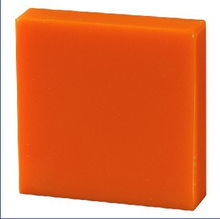
Visually, acrylic solid surface offers an incredibly diverse palette. It can mimic the look of natural stone with remarkable accuracy, featuring veining, speckling, and color variations that are strikingly realistic. However, its true strength lies in its ability to be produced in solid, uniform colors – from crisp whites and deep blacks to vibrant blues, reds, and greens – that are often difficult to achieve with natural materials. This makes it a favorite for contemporary and minimalist designs where a clean, uncluttered aesthetic is paramount. The finish can range from a matte to a high gloss, offering further customization. When you run your hand over a solid surface countertop, you’ll notice its smooth, warm-to-the-touch feel, a pleasant departure from the often cool, hard feel of stone.
Now, let’s turn our attention to engineered stone, more commonly known as quartz. Engineered stone is a composite material made from approximately 90-95% natural quartz crystals, bound together with polymer resins and pigments. The manufacturing process involves crushing the quartz into fine particles, mixing it with the resins and pigments, and then compressing it under intense pressure and heat using a Breton stone technology (a specialized vibratory press). This process creates a dense, hard, and non-porous slab that rivals the durability of granite.
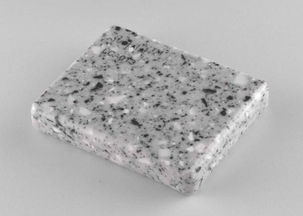
Aesthetically, engineered stone is renowned for its consistent patterns and colors. While it can mimic the look of natural stone, its engineered nature means that the veining, speckling, and color distribution are meticulously controlled during production. This results in a predictable and uniform appearance, which is highly desirable for many designers and homeowners seeking a precise and polished look. You can find quartz that flawlessly replicates the dramatic veining of Calacatta marble, the subtle elegance of white Carrara, or the rich depth of granite, all without the inherent variations, porosity, or maintenance requirements of their natural counterparts. The finish is typically semi-gloss or high-gloss, offering a reflective surface that can brighten up a space. The feel of engineered stone is hard and cool, characteristic of stone.
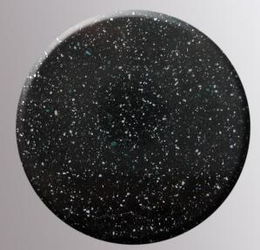
The key differentiator in their construction directly impacts their performance. Acrylic solid surface, due to its acrylic polymer base, is inherently non-porous. This means it doesn’t absorb liquids, making it highly resistant to stains from coffee, wine, or oil. It’s also inherently hygienic, as bacteria and mold have no way to penetrate the surface. If minor scratches or scuffs do occur – and they can, as it’s a softer material than stone – they can often be easily buffed out or repaired with a bit of fine-grit sandpaper and some polish, restoring the surface to its original pristine condition. This reparability is a significant advantage, extending the lifespan and maintaining the beauty of the material over time.
Engineered stone, as mentioned, is also non-porous, which grants it excellent stain resistance and hygienic properties. Its extreme hardness, derived from the quartz crystals, makes it highly resistant to scratches, chips, and heat. You can typically place hot pots directly on the surface for a short period without causing damage (though using trivets is always recommended to prolong its pristine appearance). This resilience makes it an excellent choice for high-traffic areas like kitchens where durability is a top priority. The maintenance is generally straightforward: a simple wipe-down with soap and water is usually sufficient. However, unlike solid surface, deep scratches or chips in engineered stone are much more difficult, if not impossible, to repair seamlessly.
When considering price, both materials fall into the mid-to-high range of countertop options, but there are nuances. Generally speaking, acrylic solid surface can be slightly more budget-friendly than engineered stone, especially for simpler designs and installations. However, this can vary significantly depending on the brand, the complexity of the design (think custom shapes, integrated sinks, or intricate edge profiles), and the chosen color or pattern. More complex, veined, or specialty colors in solid surface can command higher prices. Installation costs also play a role; the ability to thermoform and create seamless joints can sometimes simplify installation for certain designs, while complex curves might require specialized labor.
Engineered stone prices are often dictated by the brand, the complexity of the pattern, and the thickness of the slab. High-end, intricately veined quartz that mimics exotic natural stones will naturally be at the higher end of the price spectrum. Installation of engineered stone is typically straightforward for standard rectangular or square countertops, but intricate cuts or edge details can increase labor costs. It’s important to note that “price” isn’t just the material cost; it encompasses fabrication, installation, and the long-term value derived from durability and ease of maintenance. As we move into the second part of this comparison, we’ll delve deeper into specific cost considerations, visual examples, and a concluding summary to help you make the most informed decision for your project.
Continuing our exploration into the practicalities and aesthetics of acrylic solid surface and engineered stone, let’s zoom in on the visual appeal and the all-important factor of price. Understanding these elements in tandem will provide a holistic view, helping you align your budget with your design aspirations.
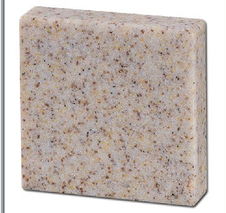
Visually, the range of possibilities is where these two materials truly diverge. Acrylic solid surface excels in its ability to offer bold, uniform colors that are impossible to find in natural stone. Imagine a vibrant emerald green countertop in a modern kitchen, or a sleek, matte black island that serves as a dramatic focal point. Its ability to be thermoformed also unlocks unique design features. Integrated sinks, where the countertop flows seamlessly into the basin without any visible seams or caulking, are a signature look for solid surface. This creates an exceptionally hygienic and visually uninterrupted surface. Furthermore, the ability to create waterfall edges, curved backsplashes, or even entirely custom-molded furniture pieces makes solid surface a designer’s dream for bespoke projects. When considering visual fidelity to natural stone, solid surface has made significant strides. Many manufacturers now offer collections that mimic the intricate veining of marble, the earthy tones of travertine, or the granular texture of granite with impressive realism. The visual texture is often smoother and more uniform than natural stone, but the depth of color and pattern can be very convincing. For those who appreciate the look of natural stone but desire the benefits of a man-made material, these realistic imitations are a compelling option. The feel of solid surface is also noteworthy – it’s often described as warmer and softer to the touch compared to the inherent coolness of stone.
Engineered stone, or quartz, presents a different visual narrative, one defined by consistency and controlled beauty. Its primary appeal lies in the predictable and repeatable patterns, which ensures that the countertop you see in the showroom will look virtually identical in your home. This is a significant advantage for projects where symmetry and a perfectly coordinated look are paramount. Quartz is particularly popular for its ability to replicate the most sought-after natural stone aesthetics with a level of perfection that nature itself cannot guarantee. For instance, achieving the flawless, dramatic veining of Calacatta marble or the consistent, pale grey of classic Carrara marble is a forte of engineered stone. Many collections are designed to mimic granite, offering a spectrum of colors and fleck patterns that are both beautiful and highly durable. The finish is typically semi-gloss to high-gloss, reflecting light and adding a sense of spaciousness and luxury to a room. While it doesn’t possess the organic, unpredictable beauty of natural stone, its engineered perfection offers a different kind of allure – a polished, refined, and precisely executed aesthetic. The tactile experience of engineered stone is hard and cool, much like natural stone, reinforcing its solid, enduring presence.
Now, let’s talk turkey: price. It’s crucial to understand that both acrylic solid surface and engineered stone represent a significant investment, positioning them in the mid-to-high tier of countertop materials. However, their pricing structures have distinct variations.
Generally, acrylic solid surface can be a more accessible option, especially for standard applications. Basic solid surface colors and simpler designs (e.g., straight edges, standard rectangular countertops) might fall on the lower end of the mid-range price bracket. For example, a basic white or beige solid surface might cost in the region of $40-$70 per square foot for fabrication and installation. However, as you move towards more complex patterns, realistic stone imitations, or custom designs that utilize its thermoforming capabilities, the price can escalate. A sophisticated marble-look solid surface or a custom-molded integrated sink could push the price closer to $80-$120+ per square foot. The ability to create seamless joints and integrated sinks can sometimes offset installation costs for certain complex designs, as there’s less labor involved in piecing together multiple slabs or fabricating separate sinks. The repairability also adds long-term value, as minor damage can be fixed relatively inexpensively, extending the material’s usable life and preserving its aesthetic.
Engineered stone, or quartz, typically starts at a slightly higher price point than basic solid surface. You might expect to pay anywhere from $50-$100 per square foot for standard quartz countertops, with the price increasing significantly for more elaborate patterns, prestigious brands, or those that closely mimic exotic natural stones. For instance, a quartz countertop that replicates the intricate veining of Calacatta marble could easily range from $75-$150+ per square foot. The consistency of engineered stone means that fabrication costs are relatively predictable for standard cuts. However, the material itself is inherently harder and denser than solid surface, which can sometimes translate to slightly higher fabrication costs due to the specialized tooling required for cutting and polishing. Its exceptional durability means that, once installed, it requires minimal ongoing maintenance, contributing to its overall value proposition. While repairs for deep scratches or chips are challenging and often not seamless, its resistance to damage makes such occurrences less frequent.
Visual and Price Comparison Summary:
Feature Acrylic Solid Surface Engineered Stone (Quartz) Composition Acrylic polymers, alumina trihydrate (ATH) ~90-95% natural quartz, polymer resins, pigments Appearance Uniform colors, realistic stone imitations, seamless joints, thermoformable for curves/integrated sinks Consistent patterns, realistic stone imitations, predictable look Feel Warm, smooth, soft to the touch Cool, hard, stone-like feel Durability Good, but susceptible to scratches/heat; repairable Excellent, highly resistant to scratches, chips, and heat Porosity Non-porous Non-porous Stain Resistance Excellent Excellent Hygiene Excellent, non-porous inhibits bacterial growth Excellent, non-porous inhibits bacterial growth Repairability High; scratches/minor damage can be buffed out/repaired Low; deep scratches/chips are difficult to repair seamlessly Design Flex. Very high; thermoforming, seamless integration, curves Moderate; primarily slab-based, limited by fabrication Price Range (per sq ft, incl. fab/install) ~$40 – $120+ (varies by color/complexity) ~$50 – $150+ (varies by brand/pattern) Best For Seamless designs, integrated sinks, curved elements, budget-conscious luxury, high-hygiene areas High-traffic kitchens, durable surfaces, consistent aesthetics, marble/granite look-alikes
In essence, the choice between acrylic solid surface and engineered stone hinges on your priorities. If seamless design, integrated features, a warmer feel, and the potential for extensive customization, including bold colors and unique shapes, are paramount, and you value the ability to repair minor imperfections, acrylic solid surface is a strong contender. It offers a blend of modern aesthetics and practical benefits, often at a slightly more approachable price point for basic designs, while still offering luxury options.
Conversely, if absolute durability, extreme resistance to wear and tear, a consistent and predictable aesthetic, and the refined look of quartz that perfectly mimics natural stone are your primary concerns, then engineered stone is likely the superior choice. It’s a workhorse material that offers a sophisticated and enduring surface, particularly well-suited for the demands of a busy kitchen or a high-traffic commercial space.
Ultimately, both materials offer compelling advantages and can transform a space with their beauty and functionality. By carefully considering the visual impact, the price point, and the long-term performance characteristics, you can confidently select the surface that best aligns with your project’s vision and your lifestyle. It’s worth visiting showrooms to see and feel these materials in person; the subtle differences in texture, sheen, and color depth can be best appreciated firsthand, guiding you towards that perfect countertop solution.









