
The world of countertops and surfacing materials can feel like a labyrinth, especially when terms like “artificial stone” are thrown around loosely. Two prominent contenders that often cause confusion are acrylic solid surface and engineered stone. While both offer attractive alternatives to natural materials, understanding their distinct characteristics is key to choosing the right one for your specific needs. This isn’t just about aesthetics; it’s about performance, durability, and, of course, your budget. Let’s embark on a journey to demystify these materials, focusing on what sets them apart visually and how that translates into their financial implications.

First, let’s get to the heart of what each material is. Acrylic solid surface, often known by brand names like Corian (though this is a specific brand and not the generic term for the material itself), is a composite material. It’s primarily composed of acrylic polymer and alumina trihydrate (ATH), a derivative of bauxite ore. This unique blend allows it to be thermoformed, meaning it can be heated and bent into curves and shapes that are simply impossible with more rigid materials. Visually, this translates into a seamless look. Seams are virtually invisible when properly fabricated and installed, creating a continuous, flowing surface. The color and pattern are consistent throughout the entire thickness of the material, which is a significant advantage. If it gets scratched, the damage is often only superficial, and it can be sanded down and refinished to look as good as new. This inherent repairability is a major selling point and a visual cue to its forgiving nature.
The aesthetic possibilities with acrylic solid surface are vast. It can mimic the look of natural stone with remarkable realism, offering a spectrum of colors from soft pastels to deep, rich tones. Many designs also feature subtle veining or granular textures, providing a sophisticated appeal without the inherent porosity and maintenance challenges of some natural stones. One of its most striking visual features is its translucency. Certain colors and formulations of acrylic solid surface can be backlit, creating a dramatic and ethereal effect that is highly sought after in high-end design projects, particularly for bars, reception desks, or feature walls. This ability to diffuse light opens up a whole new dimension of design possibilities, something that rigid materials like engineered stone simply cannot replicate.
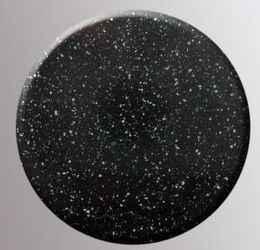
Now, let’s turn our attention to engineered stone, which is most commonly represented by quartz surfaces. Engineered stone is a product of modern manufacturing, designed to deliver the beauty of natural stone with enhanced performance. It’s typically made from around 90-95% ground natural quartz crystals, bound together with polymer resins and pigments. The process involves crushing natural quartz, mixing it with binders and colorants, and then compressing and heating it under intense pressure. This results in a non-porous, incredibly hard, and durable material.
Visually, engineered stone often strives to replicate the look of natural stones like granite and marble, but with a more consistent and predictable pattern. Unlike natural stone, where each slab is unique and can have significant variations, engineered stone offers uniformity. If you choose a particular design, you can be confident that every slab of that same product will look virtually identical. This consistency is a huge benefit for large projects or for homeowners who prefer a very controlled and uniform aesthetic. The surface often has a polished, glossy finish, though matte and textured finishes are becoming increasingly available. The depth and complexity of the veining and speckling in engineered stone can be quite sophisticated, with manufacturers employing advanced techniques to mimic the intricate patterns found in quarried stone.
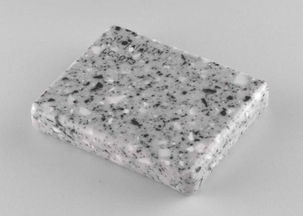
However, a key visual difference lies in its rigidity and the way it handles seams. Engineered stone cannot be thermoformed. It’s a rigid material, meaning that any changes in direction or elevation will result in visible seams. While skilled fabricators can minimize these seams and align patterns where they occur, they will always be present. This is a fundamental distinction from the seamless nature of acrylic solid surface. Furthermore, engineered stone’s color and pattern are not consistent throughout its entire thickness in the same way as acrylic solid surface. The surface layer is where the design is most prominent, and while it’s incredibly durable, significant damage that penetrates this layer can be more challenging to repair seamlessly compared to sanding and refinishing acrylic.
When it comes to price, the landscape is nuanced and depends heavily on the specific product chosen, the complexity of the fabrication, and the installer. Generally speaking, both acrylic solid surface and engineered stone fall within a mid-to-high price range, often surpassing the cost of laminate but generally being more accessible than premium natural stones like marble or granite.
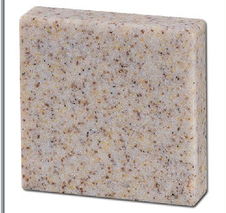
Acrylic solid surface can sometimes be found at a slightly lower entry-point price than many engineered stones, particularly for simpler designs and standard thicknesses. However, the cost can escalate significantly with more complex patterns, translucent options requiring specialized lighting, and intricate fabrication, especially when the thermoforming capabilities are exploited to create curved or sculptural elements. The ability to repair and refinish can also lead to lower long-term maintenance costs, which is a financial consideration beyond the initial purchase price. For instance, a deep scratch on an engineered stone countertop might necessitate a costly replacement of a section, whereas a similar scratch on an acrylic solid surface could be a relatively simple and inexpensive repair.
Engineered stone, particularly popular quartz brands, can command a premium price, especially for those designs that aim to mimic high-end natural stones with intricate veining and depth. The cost is often driven by the quality of the quartz content, the complexity of the color and pattern, and the brand reputation. Fabrication costs for engineered stone are also a significant factor. While it’s a durable material, it’s also brittle and requires specialized tools and expertise to cut and install without chipping or cracking. Edge profiles, cutouts for sinks and cooktops, and the overall layout of the project all contribute to the final price. Engineered stone’s strength and non-porous nature mean it requires less sealing and is highly resistant to staining and etching, which can translate into lower ongoing maintenance costs in terms of cleaning products and the need for professional sealing.

To summarize the visual and initial price distinctions for part one: Acrylic solid surface excels in seamlessness, thermoformability, and inherent repairability, offering a vast range of colors and the unique capability of backlighting. Engineered stone (quartz) offers unparalleled hardness, durability, stain resistance, and a consistent, predictable aesthetic often mimicking natural stone with exceptional realism. In terms of initial cost, acrylic solid surface can offer a slightly more accessible entry point for basic applications, while engineered stone, especially high-end quartz, can be a greater initial investment, with both materials seeing price fluctuations based on design complexity and brand.
Continuing our exploration into acrylic solid surface and engineered stone, let’s delve deeper into their practical applications, performance characteristics, and how these factors influence their perceived value and long-term cost-effectiveness. Understanding these nuances will solidify your decision-making process, ensuring you select a material that not only looks stunning but also performs admirably in your daily life.
Acrylic solid surface is celebrated for its non-porous nature, which makes it highly resistant to stains and bacteria. This characteristic, combined with its seamless fabrication, makes it an excellent choice for environments where hygiene is paramount. Think of healthcare settings, laboratories, and, of course, kitchens and bathrooms in homes. Spills from common culprits like red wine, coffee, or fruit juice typically wipe away without leaving a trace. Its ability to be thermoformed also allows for integrated sinks and backsplashes, creating a truly seamless and easy-to-clean surface where there are no crevices for grime to accumulate. This is a significant practical advantage for busy households or commercial establishments.
In terms of durability, acrylic solid surface is robust, but it is softer than engineered stone. This means it is more susceptible to scratches from sharp objects or abrasive cleaning pads. However, as previously mentioned, this is where its repairability truly shines. A minor scratch can often be buffed out with a fine-grit sandpaper and polishing compound, restoring the surface to its original condition. For deeper scratches or chips, professional refinishing can work wonders. This makes it a forgiving material for high-traffic areas or for households with young children or pets where surfaces are prone to wear and tear. Its UV resistance is also generally good, making it suitable for some outdoor applications or areas with direct sunlight, though prolonged, intense exposure can eventually lead to some fading.
The versatility of acrylic solid surface extends to its wide array of applications. Beyond countertops, it’s frequently used for wall cladding, shower surrounds, furniture, architectural features, and even artistic installations due to its workability and seamless appearance. Its ability to be routed, drilled, and inlaid with other materials further expands its design potential. For instance, intricate patterns can be etched into the surface, or different colored pieces can be seamlessly joined together to create unique designs.
Engineered stone, on the other hand, brings a different set of practical strengths to the table, primarily centered around its exceptional hardness and resistance. Its non-porous structure, achieved through the high-pressure manufacturing process, makes it virtually impervious to stains, mold, and mildew. This makes it an incredibly low-maintenance material, requiring no sealing like natural stone. Cleaning is typically a simple matter of wiping down with soap and water or a mild household cleaner. Its resistance to heat is also a significant advantage; while it’s not entirely heat-proof, it can generally withstand hot pots and pans placed on it for short periods better than acrylic solid surface.
The superior hardness of engineered stone translates to exceptional scratch and abrasion resistance. It’s far less likely to be marred by knives or daily wear and tear compared to acrylic solid surface. This makes it a favorite for busy kitchens where durability and ease of cleaning are top priorities. The consistent patterns also mean that if a small section is damaged, it’s easier to match a replacement piece in terms of color and pattern, although the seamlessness of the repair will depend on the skill of the fabricator.
However, this hardness also comes with a degree of brittleness. While incredibly strong, engineered stone can chip or crack if subjected to a sharp, concentrated impact, especially at edges or around cutouts. This is why professional installation is crucial, and careful handling during the fabrication process is essential. Unlike acrylic solid surface, significant damage to engineered stone is often more difficult and costly to repair invisibly. Refinishing engineered stone is not generally possible in the same way as acrylic, meaning that deep scratches or chips might require replacement of the affected section.
Considering the long-term value proposition, the choice between these two materials often hinges on your priorities. If seamless integration, repairability, and the ability to create unique, flowing designs are paramount, acrylic solid surface offers compelling advantages. Its lower initial cost for some applications, combined with its longevity through refinishing, can make it a cost-effective choice over time, especially for those who value its hygienic properties and design flexibility. The initial investment might be lower for simpler projects, and the ability to refresh the surface periodically means it can maintain its aesthetic appeal for many years.
Engineered stone, particularly quartz, is often chosen for its sheer durability and low maintenance. While the initial investment can be higher, its resistance to scratches, stains, and heat means it can endure heavy use with minimal upkeep. For homeowners who want a “set it and forget it” solution that looks beautiful for decades with just simple cleaning, engineered stone is a strong contender. The predictability of its appearance also appeals to those who prefer a highly controlled and consistent design aesthetic. The long lifespan and robust performance can justify the higher upfront cost for many, as it avoids the potential for costly repairs or premature replacement.
The “price” of a material isn’t just its tag price; it’s a holistic consideration of its initial cost, installation expense, maintenance needs, longevity, and repairability. Acrylic solid surface, with its potential for lower entry-level pricing and remarkable repair capabilities, can offer a very attractive long-term value, especially when its unique design possibilities are leveraged. Engineered stone, with its inherent toughness and minimal upkeep, presents a compelling case for long-term value through its sheer resilience and ease of care, often justifying a higher initial outlay.
Ultimately, the distinction between acrylic solid surface and engineered stone is not about one being inherently “better” than the other, but rather about which material aligns best with your specific project requirements, design vision, lifestyle, and budget. By understanding their unique visual characteristics, practical performance, and the long-term financial implications of each, you can confidently navigate the world of artificial surfacing and make an informed choice that you’ll enjoy for years to come. Whether it’s the seamless, moldable elegance of acrylic solid surface or the unyielding, low-maintenance brilliance of engineered stone, both offer sophisticated solutions for modern living.









