
The world of surface materials can feel like a labyrinth, especially when you’re trying to pinpoint the perfect fit for your home or commercial space. Two contenders that frequently spark conversation and, sometimes, confusion are acrylic solid surface and engineered stone. While both offer a modern, seamless aesthetic and a wealth of design possibilities, they are fundamentally different materials with distinct characteristics that make them suited for different applications. This article aims to demystify these differences, offering a visual exploration to help you navigate the choices and select the material that best aligns with your vision and practical needs.

Let’s begin by understanding what each material truly is. Acrylic solid surface, often referred to by brand names like Corian, is a composite material made from acrylic polymers and alumina trihydrate (ATH), a mineral derived from bauxite ore. This unique blend is cast into sheets or molded into specific shapes. The “solid” in its name is key – it means the color and pattern run uniformly throughout the entire thickness of the material, a significant advantage when it comes to repairs and maintenance. Imagine a piece of high-quality, dense plastic with a mineral filler. That’s a good starting point for picturing acrylic solid surface. It’s non-porous by nature, meaning it doesn’t absorb liquids, which contributes to its hygienic properties and resistance to staining from common household spills. The manufacturing process allows for a remarkable degree of design flexibility. Sheets can be thermoformed, meaning they can be heated and bent into curves, creating truly bespoke designs that are impossible with more rigid materials. Seams can be joined invisibly using specialized adhesives, resulting in a smooth, monolithic appearance that is highly sought after in contemporary design. This seamless quality is particularly beneficial in environments where hygiene is paramount, such as healthcare facilities, laboratories, and kitchens, as it eliminates grout lines where bacteria can accumulate.
Visually, acrylic solid surface offers a broad spectrum of colors and patterns. You can find everything from subtle, stone-like textures and veining to bold, solid colors and even translucent options that can be backlit to create dramatic visual effects. The matte finish is most common, but it can also be polished to a higher sheen. The tactile experience is also distinct; it tends to feel warmer to the touch than natural stone or engineered stone, adding to its comfort and appeal. Its repairability is a standout feature. Minor scratches or chips can often be buffed out or filled, restoring the surface to its original condition. This is a significant advantage over materials that require replacement or more complex restoration techniques. For those seeking a material that can truly be shaped to their imagination, acrylic solid surface is an exceptionally versatile choice, capable of transforming flat surfaces into fluid, sculptural elements.

Engineered stone, on the other hand, is a man-made composite material that primarily consists of natural quartz crystals (typically around 90-95%) bound together with polymer resins and pigments. This composition gives it many of the desirable characteristics of natural stone, such as hardness and durability, while offering greater consistency in color and pattern. Unlike acrylic solid surface, engineered stone is not typically thermoformed. It is cast into slabs, similar to how natural stone is quarried and cut, though the process is more controlled and uniform. The “stone” in its name refers to the significant proportion of natural quartz, a very hard and durable mineral. The resin binders are crucial; they hold the quartz particles together and give the material its finish and non-porous properties. This fusion of natural mineral and modern binder results in a material that is exceptionally strong, resistant to heat, scratches, and stains.
The appearance of engineered stone is often designed to mimic the look of natural stones like granite or marble, but with a level of uniformity that is hard to achieve with natural materials. This consistency means that every slab of a particular color will look virtually identical, eliminating the surprises that can come with natural stone variations. You’ll find a vast array of colors and patterns, from classic whites and grays with subtle veining to dramatic blacks with bold contrasts, and even unique contemporary designs. The finish is usually polished to a high gloss, though matte and textured finishes are becoming more available. Because it’s made with such a high percentage of quartz, engineered stone is incredibly hard and dense. This density makes it highly resistant to etching from acids, which can be a concern with some natural stones like marble. Its non-porous nature, thanks to the resin binders, ensures it won’t absorb liquids, preventing stains and making it very hygienic.
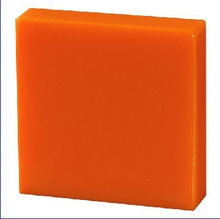
While engineered stone is incredibly durable, its repairability differs from acrylic solid surface. Significant damage, such as a large chip or crack, may be more challenging to repair seamlessly and might require professional intervention or even replacement of the affected section. The heat resistance is generally very good, but it’s always advisable to use trivets for very hot pots and pans to prevent potential damage to the resin component. The visual difference is also notable. Engineered stone often has a more “crystalline” appearance due to the quartz particles, and the patterns, while sophisticated, can sometimes have a more repeating or engineered feel compared to the organic, unique veining found in natural stone or the seamless, fluid look achievable with acrylic solid surface. Understanding these fundamental differences in composition and manufacturing is the first step in appreciating the unique strengths and applications of each material.
Continuing our exploration into acrylic solid surface and engineered stone, let’s delve deeper into their practical applications, performance characteristics, and aesthetic considerations. This will provide a clearer picture of where each material truly shines and how you can leverage their unique properties to enhance your living or working environments.
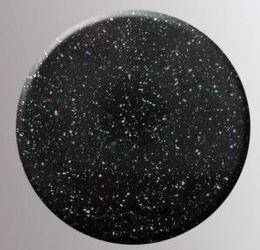
Acrylic solid surface’s strength lies in its unparalleled versatility and seamless aesthetic. Its ability to be thermoformed means that it can be sculpted into virtually any shape imaginable. This opens up a world of creative possibilities for designers and homeowners. Think of curved reception desks that flow like liquid, integrated sinks and backsplashes that create a single, unbroken surface in a kitchen or bathroom, or even intricate wall paneling that adds a unique architectural dimension. The invisible seams are a major selling point for many. When two pieces of acrylic solid surface are joined with the correct adhesive, the seam becomes virtually undetectable, giving the impression of a single, continuous piece. This not only looks incredibly sleek and modern but also eliminates potential collection points for dirt and bacteria, making it an excellent choice for hygienic applications. In kitchens, this means a countertop that flows seamlessly into an integrated sink, with no crevices for food particles to hide. In bathrooms, it can translate to a vanity with an integrated basin and a backsplash that wraps around the wall without visible joints.
Its non-porous nature makes it highly resistant to stains from common household substances like coffee, wine, and juice. Spills can typically be wiped away with a damp cloth, and for more stubborn marks, a mild detergent or an abrasive cleaner can often be used without damaging the surface. This ease of maintenance is a significant draw for busy households. Furthermore, its repairability is a huge advantage. Minor scratches, which can occur with daily use, can often be easily buffed out with a fine-grit sandpaper or a specialized cleaning pad. Deeper scratches or small chips can be filled with a matching epoxy and then sanded and polished to blend in seamlessly. This ability to restore the surface to its original condition can significantly extend its lifespan and maintain its pristine appearance over time, making it a cost-effective solution in the long run, especially in high-traffic areas. The tactile feel of acrylic solid surface is also worth noting. It tends to be warmer to the touch than stone, which can be more comfortable in areas where you’ll be in prolonged contact with the surface, like a kitchen countertop where you might be preparing food.
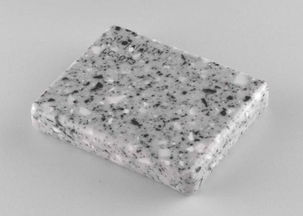
Engineered stone, with its high quartz content, offers exceptional durability and a sophisticated aesthetic. Its hardness makes it incredibly resistant to scratches, chips, and wear and tear. This means it can withstand the rigors of daily kitchen use without showing significant signs of damage. The high percentage of quartz also contributes to its excellent heat resistance. While it’s always recommended to use trivets for extremely hot items, engineered stone can generally tolerate brief contact with hot cookware better than many natural stones and certainly better than laminate or wood. Its resistance to etching from acidic substances is another key benefit. Unlike marble, which can be easily etched by lemon juice or vinegar, engineered stone holds up remarkably well against these common kitchen culprits, maintaining its polished appearance.
The consistency of engineered stone is a double-edged sword, depending on your preference. While it means you can be confident in the exact look of your chosen slab, it also means that the patterns, while often mimicking natural stone, can sometimes have a more manufactured feel. The veining and flecks are created during the manufacturing process, and while manufacturers strive for realism, they can sometimes appear more uniform or repeating than the unique, organic patterns found in natural stone. However, for those who appreciate predictability and a flawless finish, this consistency is a major advantage. The non-porous nature, derived from the resin binders, makes it highly resistant to stains. Liquids simply bead up on the surface and can be easily wiped away. This makes it very hygienic and low-maintenance in terms of cleaning up spills.
When it comes to aesthetics, engineered stone often presents a highly polished, luxurious look. The high gloss finish is typical, reflecting light and adding a sense of elegance to a space. The range of colors and patterns is vast, from subtle, understated designs that complement a minimalist kitchen to bold, dramatic statements that become the focal point of a room. While invisible seams are not typically achievable with engineered stone in the same way as with acrylic solid surface (due to its rigidity and the way slabs are fabricated), skilled fabricators can minimize the visibility of seams, especially when working with patterns that help to disguise them. However, the inherent nature of fabricating with rigid slabs means that complex curves or integrated sink designs are not as readily achievable as with acrylic solid surface. The choice between acrylic solid surface and engineered stone ultimately comes down to prioritizing your needs. If seamless design, custom shapes, and exceptional repairability are paramount, acrylic solid surface might be your ideal choice. If unparalleled scratch and heat resistance, a consistently luxurious look, and a focus on durability are your top priorities, engineered stone will likely be the winner. Both materials offer beautiful and practical solutions, and understanding their core differences is the key to making an informed and satisfying decision for your next project.









