
The quest for the perfect surface is as old as the desire to create beautiful and functional spaces. From the raw, untamed elegance of natural stone to the sleek, modern allure of engineered materials, the choices available today are a testament to human ingenuity and our unwavering pursuit of both form and function. Among the most compelling contenders in this arena are two titans of the solid surface world: acrylic solid surface and quartz solid surface. While both offer a compelling alternative to traditional materials, they bring distinct personalities and performance profiles to the table, each capable of transforming a house into a home or an ordinary commercial space into an extraordinary experience.

Let’s begin our journey by unraveling the allure of acrylic solid surface. Often recognized by brand names that have become synonymous with its category, acrylic solid surface is a composite material primarily made from acrylic polymer and alumina trihydrate (ATH), a mineral derived from bauxite ore. This unique blend is then cast into sheets or molded into complex shapes. The magic of acrylic solid surface lies in its inherent non-porosity. This is not merely a technical detail; it’s a fundamental characteristic that underpins its many advantages. Imagine a surface that actively resists stains, mold, and mildew. Spilled red wine, errant splashes of tomato sauce, or the damp environment of a bathroom – none of these pose a significant threat to the integrity and appearance of acrylic solid surface. This makes it an exceptionally hygienic choice, particularly in kitchens and bathrooms where cleanliness is paramount.
Beyond its hygienic credentials, acrylic solid surface boasts an unparalleled ability to be seamlessly fabricated. The true marvel here is its thermoformability. Unlike most materials that would crack or shatter under heat, acrylic solid surface can be heated and molded into curves, waves, and intricate designs that are simply impossible with other solid surfaces or natural stones. This opens up a universe of design possibilities. Think of a waterfall edge that flows uninterrupted down a cabinet, a seamlessly integrated sink that appears to grow organically from the countertop, or even curved reception desks that invite interaction. The joints, when expertly fabricated, are virtually invisible, creating a continuous, flowing aesthetic that is both sophisticated and visually striking. This seamlessness also contributes to its ease of cleaning, as there are no nooks or crannies for dirt and grime to accumulate.
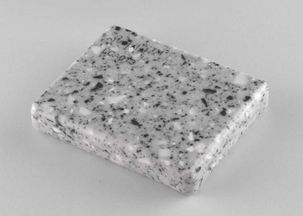
The aesthetic versatility of acrylic solid surface is another strong suit. It’s available in an astonishing array of colors, patterns, and finishes, from solid, vibrant hues that make a bold design statement to subtle, marbled patterns that mimic the look of natural stone. Translucent options are also available, allowing for creative lighting effects that can add a touch of drama and ambiance to any space. Whether you’re aiming for a minimalist, modern look, a cozy, rustic feel, or a playful, avant-garde design, acrylic solid surface can be tailored to meet your vision. Its ability to be routed, inlaid, and even backlit allows designers to imbue surfaces with personalized details and artistic flair, turning functional elements into works of art.
Furthermore, acrylic solid surface is known for its repairability. Minor scratches or chips, which can occur with any surface over time, can often be buffed out or repaired on-site by a professional, restoring the surface to its original glory without the need for costly replacement. This longevity and ease of maintenance contribute to its overall value proposition, making it a wise investment for both residential and commercial applications where durability and pristine appearance are essential. The tactile quality of acrylic solid surface is also noteworthy; it possesses a warm, almost velvety feel that is pleasant to the touch, a subtle yet significant detail that enhances the overall user experience. This is in contrast to the often cooler, harder feel of natural stone or quartz.
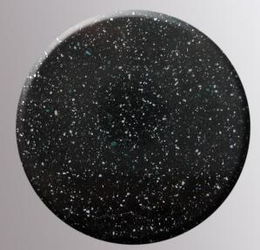
In the realm of commercial spaces, acrylic solid surface finds itself at home in high-traffic environments such as hospitals, schools, restaurants, and retail outlets. Its non-porous nature is a significant advantage in healthcare settings, where infection control is critical. In restaurants and food service areas, its stain resistance and ease of cleaning make it a practical and hygienic choice. For retail environments, its design flexibility allows for the creation of eye-catching displays and functional counters that align with brand aesthetics. The ability to create large, seamless surfaces also makes it ideal for reception desks, transaction counters, and bar tops, offering a polished and professional look. The inherent durability, coupled with its ability to be repaired, ensures that these surfaces can withstand the rigors of daily use while maintaining their aesthetic appeal. The material’s lightweight nature can also be a consideration in certain construction scenarios, potentially simplifying installation.
The fabrication process for acrylic solid surface, while requiring specialized skills and equipment, is a testament to its adaptability. It can be cut, routed, sanded, and polished using standard woodworking tools. The ability to thermoform it into curves and shapes requires specialized ovens and vacuum forming equipment, but the results are well worth the investment in craftsmanship. This allows for a high degree of customization, ensuring that the final product is perfectly tailored to the specific requirements of the project. From intricate inlays to dramatic sculptural elements, the creative potential is truly vast.
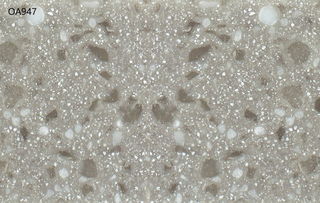
Turning our attention to the formidable contender, quartz solid surface, we encounter a material engineered for exceptional strength and enduring beauty. Often referred to as engineered quartz, this composite material is crafted by combining approximately 90-95% ground natural quartz crystals with about 5-10% polymer resins and pigments. This fusion results in a surface that not only mimics the aesthetic of natural stone but, in many ways, surpasses it in terms of performance. The key to quartz solid surface’s remarkable durability lies in the inherent hardness of quartz itself, the second hardest mineral found on Earth after diamond. This composition translates into a surface that is incredibly resistant to scratches, chips, and cracks, making it an ideal choice for demanding environments.
One of the most celebrated attributes of quartz solid surface is its non-porosity, a characteristic it shares with acrylic solid surface but achieves through a different manufacturing process. The natural quartz is crushed and ground, then mixed with resins and pigments under intense pressure and heat. This process creates a dense, homogenous material that does not absorb liquids. This inherent impermeability means that quartz solid surface is exceptionally resistant to stains from common culprits like coffee, wine, oil, and juice. Unlike natural stone, which often requires regular sealing to prevent staining, quartz solid surface maintains its pristine appearance with minimal fuss. This makes it a highly practical and low-maintenance option for busy kitchens and bathrooms.
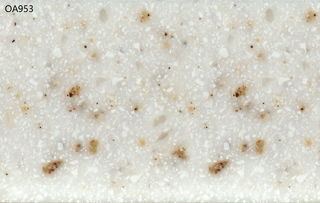
The aesthetic appeal of quartz solid surface is vast and varied, offering a spectrum of looks that cater to diverse design preferences. It can be manufactured to precisely replicate the veining and patterns of natural stones like marble and granite, often with a consistency and uniformity that can be difficult to achieve with their natural counterparts. This allows designers to achieve the desired aesthetic without the inherent variability and potential imperfections that can come with natural stone. Beyond these replications, quartz solid surface also comes in an extensive range of solid colors, from deep, sophisticated blacks and brilliant whites to vibrant blues and subtle grays, allowing for endless design possibilities. The ability to control the color and pattern during the manufacturing process means that designers can select a surface that perfectly complements their overall vision, ensuring a cohesive and intentional look.
Unlike acrylic solid surface, quartz solid surface is not thermoformable. Its rigid structure means it is typically fabricated using standard stone-cutting and polishing techniques. While this limits the ability to create seamless curves and complex molded shapes, it does not diminish its versatility. Sophisticated edge profiles, intricate inlays, and precise cutouts are all achievable, allowing for tailored designs. The joints in quartz solid surface are typically visible, though they can be minimized with skilled fabrication and the use of color-matched resins. This is a trade-off for its superior hardness and resistance to thermal shock.
The exceptional durability of quartz solid surface extends to its resistance to heat. While it is not advisable to place extremely hot pots and pans directly onto any countertop surface without protection, quartz solid surface can generally withstand moderate heat better than many other materials. This provides a degree of resilience in busy kitchens where rapid cooking is the norm. However, it’s always prudent to use trivets and hot pads to ensure the longevity of the surface and prevent any potential thermal shock, which, though rare, can still occur.
In terms of maintenance, quartz solid surface is remarkably simple to care for. A gentle wash with mild soap and water is usually all that is needed to keep it clean and looking its best. Its non-porous nature means that it doesn’t harbor bacteria, contributing to a hygienic environment. Unlike some natural stones that can etch or dull with exposure to acidic cleaners, quartz solid surface is generally resistant to such damage. However, it is always advisable to consult the manufacturer’s guidelines for specific cleaning and care recommendations to ensure the material’s longevity.
When considering commercial applications, quartz solid surface is a robust choice for various settings. Its durability and resistance to stains and scratches make it well-suited for reception desks, transaction counters, office break rooms, and even demanding environments like laboratories and healthcare facilities where hygiene and resilience are paramount. The consistent appearance of quartz also lends itself to large-scale projects where uniformity is desired. The wide range of colors and patterns available allows it to seamlessly integrate into any brand identity or architectural design. Its ability to withstand heavy use and maintain its aesthetic appeal over time makes it a cost-effective and reliable choice for businesses.
The fabrication of quartz solid surface involves specialized equipment, including high-powered saws for cutting and CNC (Computer Numerical Control) machines for precise shaping and edge profiling. The installation requires experienced professionals who can ensure a perfect fit and finish, especially when dealing with complex designs or large slabs. The material’s weight necessitates careful handling and appropriate support structures during installation. The resulting surfaces are not only beautiful but also engineered to withstand the rigors of everyday life.
In conclusion, both acrylic solid surface and quartz solid surface represent the pinnacle of modern material science, offering a compelling blend of aesthetics, functionality, and durability. Acrylic solid surface captivates with its seamless integration, thermoformable capabilities, and warm tactile feel, offering unparalleled design freedom for curved elements and integrated features. Quartz solid surface, on the other hand, impresses with its sheer hardness, exceptional stain and scratch resistance, and consistent, natural stone-like beauty, making it a robust and low-maintenance powerhouse. The choice between them often boils down to specific project requirements, design aspirations, and functional priorities. Whether you seek the fluid artistry of acrylic or the resilient brilliance of quartz, both materials stand ready to help you craft a space that is as enduring as it is breathtaking.









