
Sure, I can help you with that! Here’s a soft article comparing acrylic and artificial stone, along with their pros and cons, presented in two parts.

The quest for the perfect countertop is a journey filled with endless choices, each promising to elevate your space. Among the most popular contenders are acrylic and artificial stone, materials that often get grouped together but possess distinct qualities. Understanding their individual strengths and weaknesses is key to selecting the countertop that best suits your lifestyle, aesthetic, and budget. This first part of our exploration will dive deep into the world of acrylic, often known as solid surface, and then venture into the realm of artificial stone, primarily focusing on quartz, to lay the groundwork for a clear comparison.
Acrylic, or solid surface as it’s commonly referred to in the design world, is a man-made material composed primarily of acrylic polymers and alumina trihydrate (ATH), derived from bauxite ore. This unique blend allows for a remarkable degree of flexibility in its application and aesthetics. One of acrylic’s most celebrated attributes is its seamless nature. Because it can be thermoformed and joined with adhesives that create invisible seams, it offers a continuous, flowing surface. This means you can have countertops that wrap around corners, integrate sinks seamlessly, and achieve a sleek, minimalist look without the unsightly grout lines or visible joints that plague other materials. This is particularly appealing for modern and minimalist designs, where a clean, uninterrupted aesthetic is paramount.
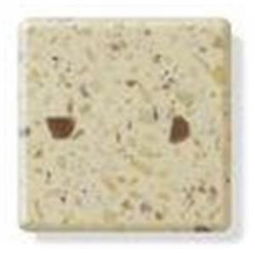
The aesthetic versatility of acrylic is another significant advantage. It’s available in an astonishing array of colors, patterns, and finishes, mimicking everything from the subtle elegance of natural stone to bold, vibrant hues. This makes it an incredibly adaptable material, capable of fitting into virtually any design scheme. Whether you’re aiming for a kitchen that whispers sophistication or a bathroom that shouts personality, acrylic can deliver. Furthermore, its non-porous surface is a hygienist’s dream. Unlike natural stone which can absorb liquids and harbor bacteria, acrylic repels them. This inherent resistance to staining makes it ideal for busy kitchens where spills are inevitable. Coffee, wine, or oil – most common culprits are unlikely to leave a lasting mark, requiring only a simple wipe down to maintain its pristine appearance.
Durability is often a concern for homeowners, and here acrylic offers a compelling proposition. While not as hard as granite or quartz, it is remarkably resilient. It can withstand everyday wear and tear, and importantly, it is repairable. Minor scratches or chips, which can occur with any countertop material, can often be sanded out or repaired by a professional, restoring the surface to its original condition. This repairability significantly extends the lifespan of acrylic countertops, making them a long-term investment. In terms of maintenance, acrylic is refreshingly low-maintenance. Its non-porous nature means no sealing is required, unlike many natural stones that need regular sealing to prevent staining. Regular cleaning with soap and water or a mild household cleaner is usually sufficient to keep it looking its best.
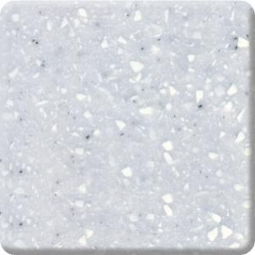
However, acrylic isn’t without its limitations. While scratch-resistant, it is not scratch-proof. Aggressive scrubbing or dragging heavy, abrasive objects across its surface can lead to visible marks. Fortunately, as mentioned, these are often repairable. Heat can also be a concern. While it can tolerate moderate heat, prolonged exposure to very hot pans directly from the stove can cause discoloration or even damage. Using trivets and hot pads is essential to protect the surface. Price can also be a factor. While often more affordable than high-end natural stone or some quartz options, it can be more expensive than laminate or tile, positioning it in a mid-to-high price range depending on the brand and complexity of the installation. The installation itself can also be more specialized, requiring professionals skilled in working with the material to ensure seamless joints and proper thermoforming.
Moving on to artificial stone, the term is broad and can encompass materials like engineered quartz, recycled glass, and composite materials. However, in the context of countertop comparisons with acrylic, engineered quartz is the most relevant and widely used artificial stone. Quartz countertops are made from approximately 90-95% natural quartz crystals, bound together with polymer resins and pigments. This composition results in a material that shares many of the desirable qualities of natural stone but with enhanced consistency and performance.
One of quartz’s most significant advantages is its exceptional durability and hardness. It ranks high on the Mohs scale of hardness, making it incredibly resistant to scratches, chips, and cracks. This means you can chop vegetables directly on the surface with less worry (though a cutting board is still recommended for knife longevity), and it can withstand the rigors of a busy kitchen environment with ease. Its non-porous nature is another major selling point. Similar to acrylic, the resins used in its manufacturing fill any microscopic voids, creating a surface that is impenetrable to liquids. This makes it highly resistant to staining from common household substances like wine, coffee, and oil. Cleaning is typically straightforward, with most spills wiped away easily.
The aesthetic appeal of quartz is also undeniable. It’s engineered to replicate the look of natural stone, often mimicking granite and marble with remarkable accuracy. You can find a vast range of colors, patterns, and veining, offering a luxurious and sophisticated appearance. Unlike natural stone, however, quartz offers unparalleled consistency. Each slab will look virtually identical, eliminating the variations that can sometimes surprise homeowners with natural materials. This predictability is a significant advantage for those who desire a specific look and want to ensure uniformity throughout their project.
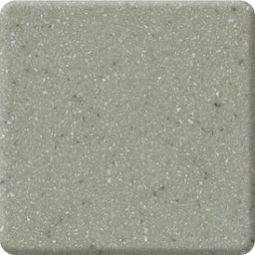
Maintenance for quartz is generally very low. Because it’s non-porous, it doesn’t require sealing, unlike granite or marble, which need regular sealing to maintain their stain resistance. A simple wipe-down with soap and water or a mild detergent is usually sufficient for daily cleaning. Its resistance to heat is also generally good, allowing it to withstand moderately hot items. However, like acrylic, it’s not entirely impervious to extreme heat. Rapid temperature changes or prolonged direct contact with very hot cookware can potentially cause damage, so using trivets is still a wise precaution. The consistency of quartz also extends to its performance, offering a reliable and predictable material for countertops.
In summary of this initial overview, acrylic excels in its seamless design capabilities, repairability, and broad aesthetic range. It’s a material that offers a fluid, integrated look and is forgiving of minor wear and tear. Artificial stone, particularly quartz, shines in its superior hardness, scratch resistance, and consistent, luxurious appearance. It’s a robust material that offers peace of mind in high-traffic areas. The choice between them often hinges on specific priorities: seamless integration and repairability versus ultimate hardness and predictable beauty. The next part will directly compare these two materials across various factors, helping you finalize your decision.
Having laid the groundwork by understanding the individual characteristics of acrylic (solid surface) and artificial stone (primarily quartz), we can now embark on a direct comparison. This section will dissect their performance across key attributes, helping you weigh their respective merits for your specific needs. We’ll examine their resistance to various elements, their suitability for different environments, the nuances of their installation and repair, and how they stack up in terms of cost and long-term value.
Let’s start with a head-to-head on durability. As we touched upon, quartz generally holds the edge in terms of sheer hardness and scratch resistance. Its high quartz content and the resin binding make it incredibly resistant to abrasions. While acrylic can be scratched by sharp objects or rough handling, quartz is far more forgiving in this regard. This makes quartz a slightly more robust choice for kitchens where cutting and heavy use are common. However, acrylic’s repairability is a significant counterpoint. While quartz is harder to damage, when it does suffer a significant chip or deep scratch, it can be more challenging and expensive to repair compared to acrylic, where sanding and polishing can often restore its original luster. For minor wear and tear, acrylic’s ability to be rejuvenated is a distinct advantage.
When it comes to stain resistance, both materials are excellent, largely due to their non-porous nature. Acrylic, being entirely man-made, is engineered to be impervious to liquids, making it highly resistant to common kitchen stains like coffee, wine, and oil. Quartz, with its dense composition and resin binders, is equally formidable. Neither material typically requires sealing, which is a significant maintenance advantage over natural stones like granite or marble. The difference here is often marginal, with both offering superior stain protection compared to many other countertop materials.
Heat resistance is another area where both perform well, but with nuances. Quartz generally has a higher heat tolerance than acrylic. It can typically withstand temperatures up to around 300°F (150°C) without sustaining damage. Acrylic, on the other hand, can be more sensitive to extreme heat and rapid temperature fluctuations. Prolonged contact with hot pots and pans can lead to scorching, discoloration, or even warping. Therefore, while both benefit from the use of trivets and hot pads, quartz offers a slightly higher margin of safety in this regard.
The aesthetic dimension is where preferences can diverge significantly. Acrylic offers unparalleled design flexibility, especially when it comes to seamless integration. The ability to create large, unbroken surfaces, incorporate integral sinks, and even achieve gentle curves through thermoforming is a major draw for designers and homeowners seeking a modern, minimalist, or highly customized look. The vast array of colors and patterns available in acrylic also allows for bold design statements. Quartz, while also offering a wide spectrum of colors and patterns, primarily aims to replicate the beauty of natural stone. Its appeal lies in its consistent, high-end look that mimics the natural variations of granite or marble, but with the assurance of uniformity. If you desire the exact look of a specific marble vein, quartz can deliver it flawlessly, whereas natural marble can be unpredictable.
Installation and repair present a tale of two approaches. Acrylic’s seamless joints and thermoforming capabilities require specialized skills and equipment. While this can lead to stunning integrated designs, it also means that installation is typically more involved and requires experienced fabricators. Repairing acrylic is generally more straightforward for minor damage, as sanding and buffing can often fix scratches. Quartz installation is also specialized, requiring precise cutting and fitting. However, repairs for significant damage to quartz can be more complex and costly, often involving professional intervention. For very minor imperfections, acrylic might be easier to touch up.
When considering cost, the landscape can be varied. Both acrylic and quartz fall into the mid-to-high price range, generally more expensive than laminate or tile, but often competitive with or less expensive than high-end natural stones like granite or marble. The price of acrylic can vary depending on the brand, color, and complexity of the design, especially if seamless sinks or intricate shapes are involved. Quartz prices also fluctuate based on brand, color, and pattern complexity, with some exotic or intricate designs commanding higher prices. Generally, a standard quartz countertop might be comparable in price to a mid-range acrylic countertop. However, highly customized acrylic designs could surpass the cost of many quartz options.
In terms of long-term value and suitability for different environments, both offer excellent propositions. For a high-traffic, heavily used kitchen where durability and scratch resistance are paramount, quartz often emerges as the leading choice due to its superior hardness. Its consistent, luxurious appearance also contributes to lasting aesthetic appeal. For bathrooms, areas where seamless integrated sinks are desired, or for homeowners who prioritize repairability and a fluid, modern aesthetic, acrylic can be an exceptional choice. Its non-porous nature makes it hygienic for any environment.
Ultimately, the decision between acrylic and artificial stone (quartz) hinges on your priorities. If seamless design, integrated sinks, and the ability to repair minor damage are at the top of your list, acrylic presents a compelling case. Its versatility in color and form allows for highly personalized spaces. If, however, supreme hardness, exceptional scratch and stain resistance, and a consistent, natural-stone look with minimal maintenance are your primary concerns, then quartz is likely the more fitting material. Both are high-performance, attractive options that can significantly enhance your home. By understanding their unique strengths and weaknesses, you can confidently select the countertop material that best aligns with your vision and lifestyle.









