
Sure, I can help you with that! Here’s the soft article comparing acrylic and artificial stone, focusing on their pros and cons, with a visually rich theme as requested.

Choosing the right countertop material is a pivotal decision in any kitchen or bathroom renovation. It’s not just about aesthetics; it’s about finding a surface that can withstand the daily grind, maintain its beauty over time, and fit within your budget. Two of the most popular contenders in this arena are acrylic and artificial stone, often referred to as solid surface and engineered quartz, respectively. While they both offer a sleek, modern alternative to traditional materials like granite or marble, their properties, performance, and overall value proposition are distinct. This article delves deep into the world of acrylic and artificial stone, dissecting their advantages and disadvantages to help you navigate this crucial choice with confidence. We’ll explore everything from their susceptibility to scratches and heat to their repairability and the sheer spectrum of design possibilities they offer. Get ready to visualize your dream surfaces as we break down what makes each material tick, empowering you to select the perfect foundation for your culinary creations and personal grooming rituals.
Acrylic, often marketed under brand names like Corian, is a composite material made from acrylic polymers and alumina trihydrate (ATH). This unique composition results in a non-porous, homogenous surface that is both beautiful and functional. One of acrylic’s most celebrated strengths lies in its seamless appearance. Because it can be fabricated with invisible seams, it offers a clean, flowing aesthetic that is particularly desirable in modern and minimalist designs. Imagine a countertop that appears to be a single, unbroken piece of material – that’s the magic of acrylic. This seamless nature also translates to superior hygiene. With no grout lines or pores to harbor bacteria, spills, or stains, acrylic surfaces are exceptionally easy to clean and maintain, making them a favored choice for busy households and food preparation areas.
Furthermore, acrylic’s malleability during fabrication is a significant advantage. It can be thermoformed, meaning it can be heated and bent into curves and complex shapes, opening up a world of design possibilities. This allows for integrated sinks that are indistinguishable from the countertop itself, creating a truly streamlined look. Beyond its formability, acrylic boasts a wide array of colors and patterns, from solid, vibrant hues to sophisticated marbled and granite-like finishes. The color is consistent throughout the material, which is a key factor in its repairability. Minor scratches or scuffs can often be buffed out, and deeper damage can sometimes be repaired seamlessly by skilled fabricators, effectively bringing the surface back to its original glory. This ability to be rejuvenated is a significant long-term benefit, extending the lifespan and maintaining the aesthetic appeal of the material.
However, acrylic is not without its drawbacks. Its primary vulnerability lies in its relative softness compared to artificial stone. This means it is more susceptible to scratches from knives, abrasive cleaners, or even everyday wear and tear. While minor scratches can be repaired, deep gouges can be more challenging and costly to fix. Another significant concern is its heat resistance. Acrylic countertops can be damaged by direct contact with hot pots and pans. Exposure to excessive heat can cause discoloration, warping, or even melting. Therefore, using trivets and hot pads is an absolute necessity when working with acrylic surfaces. This limitation can be a considerable factor for those who frequently cook and tend to place hot items directly on their countertops.
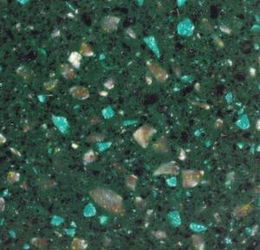
The cost of acrylic can also be a point of consideration. While it can be more affordable than some natural stones, it often falls into a similar or even higher price range than many engineered quartz options, especially for intricate designs or those with special features like integrated sinks. The installation process also requires specialized skills, which can add to the overall expense. While the ability to repair is a plus, it’s important to factor in the potential cost of professional resurfacing or repair work down the line, especially if significant damage occurs. Finally, while acrylic can mimic the look of natural stone, it sometimes lacks the inherent depth and variation found in genuine granite or marble. For those seeking the absolute authentic look and feel of natural stone, acrylic might feel like a compromise. Nonetheless, for its seamless beauty, hygienic properties, and design flexibility, acrylic remains a compelling choice for many discerning homeowners.
Shifting our focus to artificial stone, more commonly known as engineered quartz, we encounter a material that has taken the design world by storm. Unlike its natural counterpart, quartz countertops are a marvel of modern engineering, created by combining approximately 90% ground natural quartz with about 10% polymers and pigments. This fusion results in a material that is exceptionally hard, durable, and remarkably consistent in appearance. The primary advantage of engineered quartz is its unparalleled durability. Natural quartz is one of the hardest minerals on earth, and when bound with resins, it creates a surface that is highly resistant to scratches, chips, and cracks. This makes it an ideal choice for high-traffic areas like kitchen countertops, where it can withstand the rigors of daily use without showing significant wear.

Beyond its toughness, engineered quartz boasts excellent stain resistance. The non-porous nature of the material, achieved through the manufacturing process, means that liquids like wine, coffee, and oil cannot penetrate the surface. This makes cleanup incredibly simple – a damp cloth and mild soap are usually all that’s needed to wipe away spills and keep the countertops looking pristine. This inherent resistance to staining is a significant advantage over many natural stones, which often require regular sealing to maintain their integrity. Furthermore, engineered quartz offers a vast spectrum of aesthetic options. Manufacturers can precisely control the color and pattern during production, allowing for an extensive range of designs. From solid, minimalist colors to intricate veining that mimics natural marble or granite, the possibilities are virtually endless. This consistency also means that if you need to replace a section of your countertop, you can be confident that the new piece will perfectly match the existing material, a distinct advantage over natural stones where each slab is unique.
Heat resistance is another strong suit of engineered quartz. While not entirely impervious to extreme temperatures, it can generally withstand hot pots and pans better than acrylic. However, it is still advisable to use trivets and hot pads to protect the surface from thermal shock, which can potentially cause cracking or discoloration, especially with prolonged exposure to very high heat. The hardness that makes quartz so durable also means it is more challenging to repair if deep scratches or chips do occur. Unlike acrylic, which can often be buffed or seamlessly repaired, significant damage to engineered quartz typically requires professional intervention, and sometimes replacement of the damaged section.
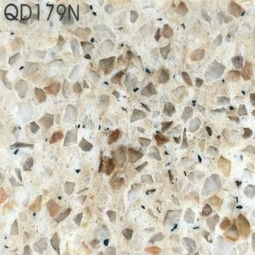
The cost of engineered quartz can vary widely depending on the brand, design complexity, and thickness. Generally, it falls into a mid-to-high price range, often comparable to or slightly more expensive than acrylic, but typically more affordable than high-end natural stones like exotic granites or premium marbles. The installation process for quartz also requires skilled professionals, contributing to the overall cost. While engineered quartz offers a remarkably consistent appearance, some purists might find it lacks the unique character and natural variation that comes with real stone. However, for those who appreciate a flawless, uniform look and prioritize extreme durability and low maintenance, engineered quartz is an outstanding choice. Its combination of strength, stain resistance, and design versatility makes it a powerhouse in the countertop material market, providing a beautiful and practical surface that is built to last.









