
The world of interior design and renovation often presents us with a delightful, yet sometimes perplexing, array of material choices. When it comes to surfaces – those hardworking canvases of our homes and businesses – two materials frequently rise to the top of discussion: acrylic and solid surface. Both offer a sleek, modern aesthetic and a seemingly seamless finish, making them popular for everything from kitchen countertops and bathroom vanities to reception desks and retail displays. However, beneath their polished exteriors lie distinct differences in composition, performance, and, importantly, price. Understanding these nuances is key to selecting the material that not only looks stunning but also functions optimally for your specific needs and budget.

Let’s begin by demystifying these two contenders. Acrylic, often referred to by brand names like Corian (though Corian is technically a specific brand of solid surface, it’s widely used generically), is a non-porous, homogeneous material. It’s essentially a blend of acrylic polymers and alumina trihydrate (derived from bauxite ore). This composition gives it a unique set of properties. Visually, acrylic can mimic the look of natural stone, but it can also be manufactured in an astonishing spectrum of colors, including vibrant, opaque hues and translucent options that can be backlit for dramatic effect. The “seamless” aspect of acrylic is achieved through specialized adhesives that, when applied correctly, create joints that are virtually invisible. This means you can have expansive countertops without unsightly seams, a significant design advantage. Furthermore, acrylic is thermoformable, meaning it can be heated and shaped into curves, bowls, and intricate designs, opening up a world of creative possibilities for designers and homeowners alike.
Solid surface, on the other hand, is a broader category that encompasses acrylic-based materials, but also includes polyester-based options and blends. While acrylic solid surfaces share many characteristics with their pure acrylic counterparts, the inclusion of polyester resins can sometimes influence their properties, such as heat resistance and scratch repairability. However, for the purposes of a clear distinction in this guide, when we refer to “solid surface” in contrast to “acrylic,” we are often implicitly discussing materials that might have a higher proportion of mineral filler or a different resin base, or even a composite structure. The key takeaway is that “solid surface” is an umbrella term, and while acrylic is a type of solid surface, not all solid surfaces are solely acrylic. The visual appeal of solid surface is also highly varied. It can replicate the veining and patterns of granite or marble with remarkable accuracy, offering a sophisticated, natural look without the inherent porosity and maintenance demands of natural stone. Like acrylic, solid surface materials are non-porous, which makes them highly resistant to stains and bacterial growth – a significant hygiene benefit, especially in kitchens and bathrooms. The seamless jointing capability is also a hallmark of solid surface, allowing for integrated sinks and flowing designs.
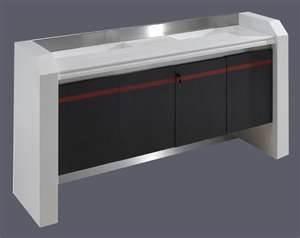
The aesthetic differences, while subtle at times, can be quite telling. Acrylic, especially in its more vibrant or translucent forms, often exudes a more contemporary, almost futuristic feel. Its ability to be backlit can transform a surface from functional to a true design statement, creating ambiance and highlighting intricate patterns. The inherent translucency of some acrylic formulations allows light to pass through, which can be used to great effect in creating soft, diffused lighting within a kitchen island or a reception desk. On the other hand, solid surface materials often excel at mimicking the timeless beauty of natural stone. The depth and variation in patterns can be incredibly convincing, offering a more traditional or classic aesthetic. For those who love the look of granite or marble but want the practical advantages of a man-made material, solid surface is often the go-to choice. The visual texture can range from finely speckled to boldly veined, providing a diverse palette for interior designers.
Durability is a crucial consideration for any surface that will see daily use. Both acrylic and solid surface materials are renowned for their resilience. Their non-porous nature means they won’t absorb liquids, preventing stains from setting in. This also makes them incredibly hygienic, as bacteria and mold have no place to thrive. For everyday cleaning, a simple soap and water solution is usually all that’s needed. However, there are subtle differences in their performance under stress. Acrylic, due to its polymer base, can be more susceptible to scratching than some denser solid surface materials. However, the beauty of acrylic lies in its repairability. Minor scratches and scuffs can often be buffed out with a fine-grit abrasive pad or specialized polishing compounds, restoring the surface to its original pristine condition. This makes it a forgiving material over the long term.
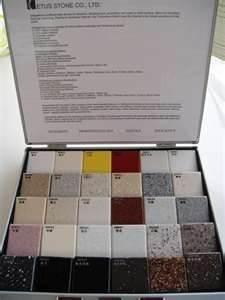
Solid surface materials, depending on their exact composition, can offer varying degrees of scratch resistance. Some formulations are engineered to be particularly hard-wearing. Like acrylic, solid surface is also repairable. Deeper scratches or chips can typically be filled and sanded by a professional, restoring the surface’s integrity. Heat resistance is another area where slight variations can occur. While neither material is recommended for direct contact with extremely hot pots and pans (a trivet is always advised), some solid surface formulations might offer marginally better resistance to brief exposure to high temperatures compared to standard acrylic. It’s always best to consult the manufacturer’s specifications for precise details on heat tolerance.
The seamless aspect, as mentioned, is a shared superpower of both materials. This capability allows for the creation of truly integrated designs. Imagine a kitchen countertop that flows seamlessly into an integrated sink, with no visible seams to trap food particles or harbor bacteria. This not only enhances the aesthetic appeal, giving a clean, uninterrupted look, but also significantly improves hygiene and simplifies cleaning. The absence of grout lines, common in tile installations, means less maintenance and a more luxurious finish. This seamless integration is achievable because both acrylic and solid surface can be fabricated and joined on-site by skilled technicians using specialized adhesives that, when cured, become as strong and durable as the surrounding material, often rendering the joint virtually undetectable. This is a major advantage over traditional materials like granite or quartz, where visible seams are often unavoidable, especially in larger layouts.
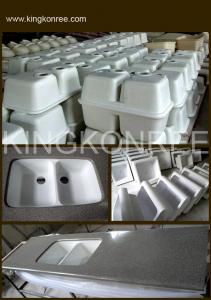
When considering the price point, both acrylic and solid surface generally fall into a mid-to-high range when compared to laminate, but often come in more affordably than premium natural stones like granite or high-end quartz. However, there can be considerable variation within each category. The price of acrylic can fluctuate based on the complexity of the color or pattern chosen. Exotic colors, metallic flecks, or translucent options designed for backlighting typically command a higher price than standard opaque colors. Fabrication also plays a role; intricate edge profiles, cutouts for sinks and cooktops, and the overall complexity of the design will influence the final cost.
Similarly, solid surface pricing varies significantly depending on the brand, the specific collection, and the complexity of the pattern. Materials designed to mimic high-end marble or granite with intricate veining may be priced higher than those with simpler speckles or a more uniform color. The cost of installation is also a crucial factor, as both materials require specialized knowledge and tools for fabrication and fitting to achieve those coveted seamless results. Generally speaking, you might find that some entry-level solid surface options are comparable in price to mid-range acrylics, while premium versions of both can reach similar price points. It’s essential to obtain detailed quotes that include material, fabrication, and installation for an accurate comparison. Understanding the specific composition and intended use will guide you towards the best value for your investment.
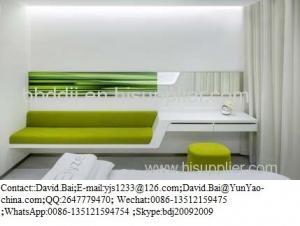
Continuing our exploration into the distinct worlds of acrylic and solid surface, let’s delve deeper into their practical applications, maintenance requirements, and the often crucial factor of cost, complete with visual considerations to help you imagine them in your space. The choice between these two versatile materials often hinges on a careful balance of aesthetics, performance, and budget, and a closer look at their real-world implications can illuminate the path to the perfect selection.
One of the most compelling advantages of both acrylic and solid surface is their inherent non-porosity. This characteristic is a game-changer, particularly in environments where hygiene is paramount, such as kitchens, bathrooms, and healthcare facilities. Unlike natural stone or even some engineered stones, neither acrylic nor solid surface will absorb liquids. This means that spills – whether it’s red wine, coffee, or vegetable oil – are unlikely to leave permanent stains. The smooth, pore-free surface also prevents the microscopic crevices where bacteria, mold, and mildew can take root and proliferate. For families with young children, or anyone concerned about maintaining a healthy living environment, this resistance to staining and microbial growth is a significant selling point. Cleaning is typically straightforward: a damp cloth with mild soap is usually sufficient for daily upkeep. For tougher grime, non-abrasive household cleaners can be used. It’s important to avoid harsh chemicals or abrasive scrubbing pads, as these can dull the finish or even damage the material over time, regardless of whether it’s acrylic or solid surface.
The repairability of both materials is a major benefit that extends their lifespan and preserves their aesthetic appeal. Accidents happen, and in a busy household or commercial setting, minor damage is almost inevitable. For acrylic, minor scratches, scuffs, or even small chips can often be addressed with a DIY approach or by a professional refinisher. Using fine-grit sandpaper or a specialized polishing kit, one can gently buff out superficial damage, restoring the surface to its original smoothness and sheen. This ease of repair is a key factor in the long-term value proposition of acrylic. Similarly, solid surface materials are also repairable. Deeper scratches, gouges, or chips can be expertly filled and sanded down by a fabricator or installer, often leaving the surface looking as good as new. The ability to repair rather than replace a damaged section can save considerable expense and hassle, making both materials a wise investment for surfaces that are expected to withstand heavy use.
When considering the visual impact, the spectrum of available colors and patterns is vast for both acrylic and solid surface. Acrylic, in particular, offers unparalleled versatility in color. Beyond mimicking natural stone, it can be manufactured in a virtually limitless array of solid colors, from bold and vibrant primaries to subtle pastels and sophisticated neutrals. Its ability to be translucent also opens up unique design possibilities. Imagine a kitchen island with an integrated waterfall edge that glows from within, or a reception desk that casts a soft, ambient light. This feature is particularly appealing for creating mood and visual interest. Acrylic can also be engineered with decorative elements embedded within its structure, such as metallic flakes or colored chips, adding depth and sparkle.
Solid surface, while also offering a wide color palette, often leans towards replicating the organic beauty of natural materials. You’ll find extensive collections that faithfully reproduce the veining of marble, the speckling of granite, and the rich hues of travertine. The realism can be astonishing, providing the aesthetic appeal of natural stone without its associated maintenance challenges. For those who desire the timeless elegance of marble but fear its porosity and the risk of etching, a solid surface that mimics marble is an excellent compromise. The visual depth and variation in some solid surface patterns can be quite captivating, offering a sophisticated and luxurious feel to any space. The seamless integration capability further enhances the visual appeal of both materials, allowing for minimalist designs where the surface appears to be a single, unbroken element.
The installation process for both acrylic and solid surface is specialized and requires skilled professionals. This is not typically a DIY-friendly undertaking if you want to achieve the flawless, seamless results that these materials are known for. Fabricators cut the material to size, create precise edge profiles, and make cutouts for sinks and fixtures. The crucial step of joining pieces – whether it’s extending a countertop, attaching a backsplash, or integrating a sink – is done using specialized acrylic-based adhesives. When applied and cured correctly, these adhesives form a bond that is as strong as the material itself, and the joint becomes virtually invisible. This attention to detail ensures that the finished product is not only beautiful but also structurally sound and easy to maintain. The cost of this expert fabrication and installation is a significant component of the overall price, so it’s important to factor this into your budget.
Now, let’s address the often-sensitive topic of price. While both acrylic and solid surface fall into a similar mid-to-high price bracket, there are nuances. Generally, standard acrylic colors and simpler designs might be more budget-friendly than some of the more intricate or premium solid surface options. However, this is not a hard and fast rule. Highly specialized acrylic colors, translucent options, or those with embedded decorative elements can command higher prices. Similarly, solid surface collections that closely mimic exotic natural stones or feature complex patterns can also be more expensive. The brand of the material also plays a role; well-known manufacturers often have a premium associated with their name and quality assurance.
As a rough guide, when comparing basic options, acrylic might sometimes offer a slightly lower entry point. However, the cost of fabrication and installation is a significant portion of the total price for both materials. Complex edge details, the number of seams, and the complexity of sink cutouts will drive up costs for both acrylic and solid surface. For instance, a simple straight-edge acrylic countertop might be less expensive than a similarly sized solid surface countertop with a detailed bullnose edge. Conversely, a highly realistic marble-look solid surface might be comparable in price to a premium, translucent acrylic. It is crucial to obtain detailed quotes from multiple reputable fabricators. These quotes should clearly itemize the cost of the material, any chosen edge profiles, cutouts, delivery, and installation. Visualizing the material in your space through samples and perhaps even 3D renderings can also help solidify your decision beyond just the numbers. Remember to consider the long-term value, including the durability, repairability, and timeless aesthetic, which can make both acrylic and solid surface excellent investments for your home or business.









