
The allure of a beautifully designed space often hinges on the choice of materials, and when it comes to surfaces, two contenders frequently vie for the spotlight: acrylic and solid surface. These modern marvels offer a sleek, seamless aesthetic that has captivated designers and homeowners alike. But beneath their polished exteriors lies a world of nuanced differences, each with its own set of advantages and disadvantages. If you’re embarking on a renovation or a new build, understanding these distinctions is paramount to ensuring your chosen material not only looks stunning but also performs exceptionally for years to come.

Let’s begin by demystifying these materials. Acrylic, often referred to by brand names like Corian (though Corian is technically a solid surface brand, it’s often used generically), is a polymer-based material. It’s known for its incredible versatility and the ability to be molded and thermoformed into virtually any shape. This inherent malleability makes it a dream for designers seeking organic curves or complex installations. Solid surface, on the other hand, is typically a composite material, a blend of acrylic or polyester resins and mineral fillers, often derived from bauxite ore. While it shares some similarities with acrylic in terms of its non-porous nature and seamless appearance, its composition lends it slightly different characteristics.
One of the most celebrated advantages of both acrylic and solid surface is their seamless beauty. Unlike natural stone or laminate, which often require visible seams at joints or edges, these materials can be fabricated and installed with virtually invisible connections. This not only creates a clean, uninterrupted aesthetic but also offers a significant hygienic benefit. The absence of grout lines or crevices means there are fewer places for bacteria, mold, and grime to accumulate. This makes them an excellent choice for kitchens and bathrooms, where hygiene is a top priority, as well as for healthcare facilities and food service establishments. Imagine a pristine countertop that flows effortlessly into a matching backsplash or a seamlessly integrated sink – it’s a level of polish that’s hard to achieve with other materials.
When it comes to durability, both acrylic and solid surface offer robust performance, but with subtle differences. Acrylic, due to its polymer composition, is generally considered to be less prone to chipping and cracking than some other solid surface formulations. It possesses a certain inherent flexibility that can absorb impact more readily. However, this flexibility can also mean it’s more susceptible to scratching. Think of it like a high-quality plastic; while it won’t shatter easily, a sharp object can certainly leave its mark.
Solid surface materials, while still durable, can vary depending on the specific resin blend. Generally, they offer a good balance of strength and impact resistance. The mineral fillers contribute to a harder surface, which can translate to better resistance against everyday wear and tear. However, this increased hardness can sometimes make them more brittle, meaning they might be more prone to chipping or cracking under a very sharp, direct impact compared to pure acrylic.
The non-porous nature of both acrylic and solid surface is a huge selling point. This means they don’t absorb liquids, making them highly resistant to staining from common culprits like coffee, wine, and oil. This is a significant advantage over porous materials like granite or marble, which require regular sealing to prevent staining. Spills can simply be wiped away, leaving no trace. This also contributes to their hygienic properties, as liquids are less likely to seep into the material and harbor bacteria.
However, when it comes to heat resistance, both materials have limitations. Neither acrylic nor solid surface should be considered a direct substitute for a trivet or hot pad. Exposing them to extreme heat, such as placing a hot pot or pan directly from the stove or oven onto the surface, can cause discoloration, warping, or even cracking. Acrylic, being a plastic-based material, is generally more sensitive to heat than solid surface. While solid surface can tolerate slightly higher temperatures, it’s still crucial to exercise caution. For busy kitchens, this means developing a habit of using protective pads for hot cookware, a practice that is beneficial regardless of the countertop material chosen.
The repairability of these surfaces is a significant advantage that sets them apart from many alternatives. Minor scratches, scuffs, or even small chips can often be repaired on-site, restoring the surface to its original pristine condition. For acrylic, this might involve sanding and buffing to remove superficial damage. Solid surface can also be repaired, often through a process that involves filling the damaged area with a matching material and then sanding and polishing it smooth. This ease of repair can significantly extend the lifespan of your countertops and maintain their aesthetic appeal over time, making them a wise investment in the long run. This contrasts sharply with materials like laminate, where a deep scratch often means replacing the entire piece.
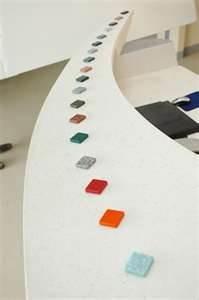
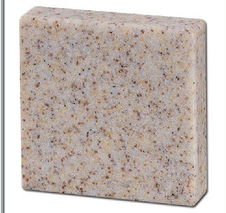
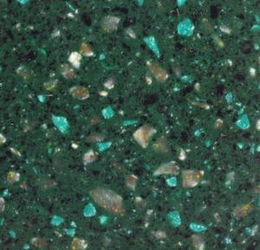
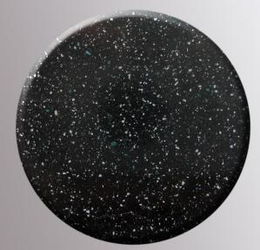
The aesthetic versatility of acrylic and solid surface is truly remarkable. They come in an expansive palette of colors, patterns, and finishes, ranging from solid, vibrant hues to intricate veining that mimics natural stone. The ability to create seamless sinks, backsplashes, and even integrated shelving opens up a world of design possibilities. You can achieve a minimalist, ultra-modern look or opt for something that evokes the timeless elegance of marble or granite. The choice is vast, allowing for a high degree of customization to perfectly match your interior design vision.
The cost of acrylic and solid surface can be a factor in decision-making. Generally, both fall into the mid to high-end range of countertop materials, often priced comparably to natural stone like granite. However, prices can fluctuate depending on the brand, the complexity of the fabrication, and the specific color or pattern chosen. Custom shapes and integrated features will naturally increase the overall cost. While the initial investment might be higher than that of laminate or some tile options, the long-term benefits of durability, seamlessness, and repairability can make them a cost-effective choice over time.
When considering the environmental impact, both materials have aspects to consider. Acrylic is a petroleum-based product, which raises questions about its sustainability. However, many manufacturers are increasingly focusing on using recycled content and developing more environmentally friendly production processes. Solid surface, with its mineral content, can also have an environmental footprint associated with mining and manufacturing. Again, the increasing demand for eco-friendly options is driving innovation in this area, with some brands offering products with a higher percentage of recycled materials and VOC-free formulations. It’s worth investigating specific product lines and manufacturers if sustainability is a primary concern for your project.
In essence, both acrylic and solid surface offer a compelling combination of beauty, functionality, and modern appeal. They provide a hygienic, low-maintenance surface with the potential for stunning, seamless designs. However, understanding their nuanced differences in scratch resistance, heat tolerance, and specific durability characteristics is key to making the right choice for your specific needs and lifestyle.
Continuing our exploration of acrylic and solid surface, let’s delve deeper into the practicalities of living with these materials and how their unique properties manifest in everyday use. While the initial selection often focuses on aesthetics and core performance, the long-term experience is shaped by how they handle the realities of a busy home or commercial environment.
One of the most frequent questions that arise when considering acrylic countertops is about scratch resistance. As previously mentioned, acrylic, being a polymer, is generally softer than many other countertop materials, including solid surface. This means it can be more prone to developing superficial scratches from everyday use. Sliding rough-bottomed mugs, chopping directly on the surface (which should always be avoided regardless of material), or even abrasive cleaning tools can leave their mark. However, it’s crucial to contextualize this. Many high-quality acrylics are engineered with advanced formulations that enhance their scratch resistance. Furthermore, the beauty of acrylic lies in its repairability. Minor scratches can often be buffed out with a mild abrasive cleaner or a specialized acrylic polish, restoring the surface’s luster. The key is to be mindful of its properties and adopt good habits, such as using cutting boards and coasters. For areas with very high traffic and a higher likelihood of accidental damage, this might be a point of consideration.
Solid surface materials, with their mineral content, typically offer a harder surface than pure acrylic, which can translate to better resistance against scratches. While they are not immune to them, the depth and frequency of scratches might be less pronounced in typical use scenarios. However, as noted earlier, this increased hardness can sometimes come with a trade-off in terms of brittleness. A sharp, forceful impact might be more likely to cause a chip or a small crack in a solid surface than in the slightly more flexible acrylic. Again, the ability to repair these imperfections is a significant advantage for both materials. The repair process for solid surface often involves filling the damaged area with a color-matched adhesive and then sanding and polishing it to blend seamlessly.
When it comes to stain resistance, both acrylic and solid surface excel due to their non-porous nature. This is a major advantage over materials like natural stone, which can absorb liquids and become permanently stained. You can spill red wine, coffee, or curry sauce on these surfaces with confidence, knowing that a simple wipe-down with a damp cloth and mild soap will likely remove any trace. This inherent stain resistance makes them exceptionally practical for kitchens where culinary adventures can sometimes lead to messy spills. Even tough stains, if left for an extended period, can usually be addressed with a non-abrasive cleaner or a specialized stain remover designed for solid surfaces.
The maintenance requirements for both materials are relatively low, which is a significant draw for busy individuals and commercial establishments. Unlike natural stone, which often requires periodic sealing to maintain its protective barrier against stains and etching, acrylic and solid surface do not need this routine upkeep. Daily cleaning typically involves a soft cloth or sponge with warm water and a mild, non-abrasive detergent. Harsh chemicals, abrasive cleaners, and scouring pads should be avoided as they can dull the finish or cause damage. Regular wiping down after use is usually sufficient to keep the surfaces looking their best. This ease of care contributes to their overall appeal as a low-fuss, high-performance material.
Thermoforming capabilities are a defining characteristic of acrylic, and to a lesser extent, some solid surface materials. Acrylic’s inherent flexibility allows it to be heated and molded into curves, waves, and intricate three-dimensional shapes that are impossible with other materials. This opens up a vast realm of design possibilities, enabling the creation of custom countertops with integrated bowls, waterfall edges, or even sculptural elements. This ability to be seamlessly integrated and shaped is what truly elevates acrylic in the realm of bespoke design. While some solid surfaces can also be thermoformed, acrylic generally offers greater flexibility and ease in achieving complex shapes.
The cost-effectiveness of these materials is a point of ongoing discussion. While the upfront investment can be higher than that of laminate or tile, it’s important to consider the total cost of ownership. The longevity, durability, and ease of repair offered by acrylic and solid surface can often offset the initial expense. For instance, a scratched or stained laminate countertop may need to be replaced entirely, incurring significant costs and disruption. With acrylic or solid surface, minor damage can be repaired, breathing new life into the surface and extending its usable lifespan considerably. This makes them a potentially more economical choice in the long run, especially in high-traffic or demanding environments.
When it comes to hygiene, the non-porous and seamless nature of both acrylic and solid surface is a major advantage, particularly in environments where cleanliness is paramount. The absence of pores means that bacteria, viruses, and mold have nowhere to colonize. This makes them an excellent choice for kitchens, bathrooms, healthcare settings, and food service areas. The ease with which they can be cleaned and disinfected further contributes to their hygienic profile. This is a significant factor that distinguishes them from porous materials like unsealed granite or marble, which can be more challenging to keep truly sterile.
The variety of finishes and colors available for both acrylic and solid surface is extensive, offering designers and homeowners a broad spectrum of choices. From matte to high-gloss finishes, and from pure whites and subtle neutrals to bold, vibrant colors and sophisticated patterns that mimic natural stone, the options are virtually limitless. This allows for a high degree of personalization, ensuring that the chosen surface can perfectly complement any interior design scheme. Whether you’re aiming for a sleek, contemporary look or a more traditional aesthetic, there’s likely an acrylic or solid surface option that will fit the bill.
UV resistance can be a consideration, particularly for surfaces that will be exposed to direct sunlight. Pure acrylic can be susceptible to yellowing or degrading over time when exposed to prolonged UV radiation. However, many modern acrylic formulations incorporate UV inhibitors to mitigate this issue. Solid surface materials, with their mineral content, are generally more resistant to UV degradation. If your project involves significant sun exposure, it’s worth inquiring about the specific UV resistance of the chosen product.
In conclusion, both acrylic and solid surface materials represent a sophisticated choice for countertops and other surfacing applications. They offer a compelling blend of aesthetic appeal, practical performance, and long-term value. While acrylic might offer greater design flexibility in terms of thermoforming and potentially better chip resistance, solid surface often provides a slightly harder surface with superior scratch resistance in typical use. The decision between them will ultimately depend on your specific priorities regarding scratch and heat resistance, desired design complexity, and budget. By carefully weighing these pros and cons, you can confidently select the material that will best serve your needs and enhance the beauty and functionality of your space for years to come.









