
The quest for the perfect countertop is an exciting journey, often a centerpiece of kitchen and bathroom design. Among the myriad of options available, two contenders frequently capture attention for their sleek appearance and practical benefits: acrylic and solid surface. While they share a certain modern allure and a commitment to seamless aesthetics, understanding their individual strengths and weaknesses is paramount to selecting the material that truly aligns with your lifestyle and design vision. Let’s embark on an exploration of acrylic and solid surface, uncovering what makes each unique.

Acrylic, often referred to by brand names like Corian (though Corian is technically a solid surface, the term has become somewhat generalized in consumer perception), is a composite material formed from acrylic polymers and alumina trihydrate (ATH). This composition results in a non-porous, homogenous surface that is as beautiful as it is functional. One of acrylic’s most celebrated advantages lies in its incredible design flexibility. Its pliability when heated allows fabricators to create intricate shapes, curved edges, and even complex molded sinks that integrate seamlessly with the countertop. This seamlessness is a hallmark of acrylic, eliminating grout lines and crevices where dirt and bacteria can accumulate. The result is a surface that is not only visually appealing but also exceptionally hygienic, a significant plus for any kitchen or bathroom environment.
The non-porous nature of acrylic also means it’s highly resistant to stains. Spills from coffee, wine, or even more aggressive substances like turmeric or beet juice tend to bead up on the surface, allowing for easy cleanup with a damp cloth. This inherent resistance makes it a low-maintenance option, appealing to those who prefer to spend less time scrubbing and more time enjoying their living spaces. Furthermore, acrylic boasts excellent UV resistance. This means that colors are less likely to fade or yellow over time, even when exposed to direct sunlight, making it a suitable choice for kitchens with ample natural light or bathrooms where sunlight is a regular feature. The consistency of its color throughout its thickness also contributes to its longevity; minor scratches or scuffs can often be buffed out or repaired without leaving visible marks.
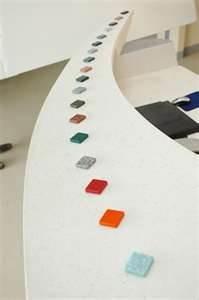
However, acrylic isn’t without its drawbacks. Perhaps the most significant concern for many homeowners is its susceptibility to heat. While it can withstand typical kitchen temperatures, placing hot pots and pans directly onto an acrylic surface can cause permanent scorching, discoloration, or even melting. This necessitates the diligent use of trivets and hot pads, a habit that some may find inconvenient. Similarly, while stain-resistant, acrylic can be scratched. Though minor abrasions can often be repaired, deeper scratches might require professional attention, adding to the long-term cost and effort of maintenance. The material’s relatively softer composition compared to natural stone or quartz makes it more prone to nicks and dents from sharp objects or heavy impacts.
The cost of acrylic countertops can also be a consideration. While generally more affordable than natural stone like granite or marble, it often sits at a higher price point than laminate or some engineered stones. The cost is influenced by the complexity of the fabrication, the chosen color and pattern, and the reputation of the manufacturer. Installation, particularly for custom shapes or integrated sinks, often requires specialized knowledge and tools, which can add to the overall expense. However, for the seamless aesthetic, hygienic properties, and design versatility it offers, many find the investment to be well worthwhile. The repairability, while a positive aspect, does imply that maintenance is not entirely hands-off. A small ding can be sanded and polished, but a significant gouge might necessitate a patch or even a section replacement, which, while possible, is a task best left to experienced fabricators to ensure a truly seamless and invisible repair.
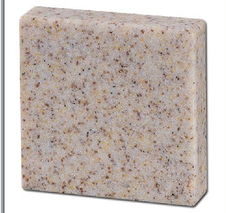
The aesthetic possibilities with acrylic are vast. It comes in an extensive palette of colors, from classic whites and subtle beiges to bold hues and patterns that mimic natural stone. The ability to create bespoke designs means that homeowners can achieve truly unique countertops that perfectly complement their specific interior design. The light-diffusing properties of some acrylic formulations can also add a luminous quality to the surface, enhancing the ambiance of a room. The smooth, cool touch of acrylic is another tactile pleasure, adding to its appeal. The absence of grout lines not only improves hygiene but also contributes to a cleaner, more minimalist look, which is highly sought after in contemporary interior design trends. The way light plays on its smooth surface can also make a space feel brighter and more open.
When considering durability, it’s a nuanced conversation. For everyday use and resistance to common household stains, acrylic performs admirably. Its non-porous nature means that liquids don’t seep in, preventing the growth of mold and mildew. This is a significant advantage in humid environments or areas prone to spills. However, when it comes to extreme conditions, such as prolonged exposure to high heat or significant impact, its limitations become apparent. This means that careful consideration of how the countertop will be used is essential. If your kitchen is a high-traffic zone where durability under harsh conditions is paramount, you might need to weigh the advantages of acrylic against materials that offer superior heat and scratch resistance. The ease of fabrication and the ability to create virtually any shape or form are compelling reasons to choose acrylic, but these benefits must be balanced against its performance under duress.
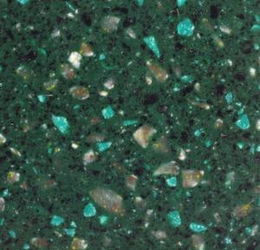
Moving on to solid surface countertops, we encounter a material that shares many of acrylic’s desirable qualities but possesses its own distinct characteristics and a slightly different family lineage. Solid surface, like acrylic, is an engineered composite material, typically composed of acrylic polymers, polyester resins, and mineral fillers, most commonly derived from bauxite ore (alumina trihydrate). This blend allows for a wide range of properties, and the specific formulation can vary between manufacturers, leading to subtle differences in performance. Like acrylic, solid surface is non-porous, meaning it doesn’t absorb liquids. This makes it highly resistant to stains and incredibly hygienic, as bacteria and mold have nowhere to penetrate.
The seamless installation is another major draw for solid surface. Fabricators can cut, shape, and join pieces of solid surface material with specialized adhesives that cure to become virtually invisible, creating a continuous, monolithic surface. This is particularly advantageous for large kitchen islands or long runs of countertop where unsightly seams would otherwise detract from the overall aesthetic. Integrated sinks are also a hallmark of solid surface installations, offering a cohesive and streamlined look that is both practical and elegant. The absence of grout lines in both the countertop and the sink area simplifies cleaning and maintenance significantly.
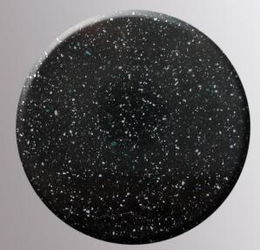
Design flexibility is also a strong suit for solid surface. It’s available in a vast array of colors, patterns, and textures, ranging from solid, vibrant hues to realistic imitations of granite, quartz, and even marble. The ability to thermoform solid surface – meaning it can be heated and bent into curved shapes – opens up a world of design possibilities for unique backsplashes, rounded edges, and custom-designed furniture elements. This adaptability makes it a favorite among designers and homeowners looking to create personalized spaces. Furthermore, solid surface is generally more resistant to heat than pure acrylic, though still not impervious to damage from extreme temperatures. While it can tolerate moderately hot items for short periods, using trivets is still strongly recommended to prevent thermal shock or discoloration.
The repairability of solid surface is another significant advantage. Minor scratches, scuffs, or even small chips can often be buffed out or repaired on-site by a qualified professional, restoring the countertop to its original condition. This extends the lifespan of the material and helps maintain its pristine appearance over time. Unlike materials like laminate, where a scratch is often permanent, solid surface offers a level of resilience and longevity that appeals to those seeking a durable and attractive solution. The repair process typically involves sanding the affected area and then re-sealing or polishing it, making it a viable option for homes with active kitchens and families.
However, solid surface also has its limitations. While it offers better heat resistance than pure acrylic, it is still not as heat-tolerant as materials like granite or quartz. Placing extremely hot cookware directly on the surface can cause damage. Similarly, while durable, it can be scratched or chipped with sufficient force. Sharp knives can cause visible marks, and heavy impacts can lead to damage. This means that careful handling and the use of cutting boards are essential to preserve its appearance. The cost of solid surface can vary widely depending on the brand, color, and complexity of the installation. It generally falls in a mid-to-high price range, often comparable to or slightly more expensive than higher-end laminates and some engineered quartz options, but typically less expensive than natural stone.
When comparing acrylic and solid surface directly, the distinctions become clearer. Acrylic, in its purest form, is generally considered to be more pliable and easier to thermoform into very complex shapes. It may also offer superior UV resistance and a slightly more luminous quality in some formulations. Solid surface, on the other hand, often incorporates polyester resins, which can contribute to slightly greater hardness and scratch resistance, though this is not a universal rule and depends heavily on the specific product formulation. The term “solid surface” itself is a broader category, encompassing a range of materials with varying properties, whereas “acrylic” often refers to a specific type of solid surface with a high proportion of acrylic polymer.
From a visual perspective, both materials excel at offering a seamless and modern look. The ability to integrate sinks and create bespoke designs means that homeowners can achieve a highly customized aesthetic. The non-porous nature of both materials ensures a hygienic surface, which is a major selling point for kitchens and bathrooms. When considering a choice, think about your specific needs. If you’re heavily reliant on your kitchen for elaborate cooking that involves frequent use of hot pans, you might lean towards materials with superior heat resistance or commit to rigorous use of trivets with acrylic or solid surface. If design flexibility and seamless integration are your top priorities, and you’re willing to be mindful of heat and sharp objects, both acrylic and solid surface are excellent contenders.
The longevity and maintenance of both materials are generally very good, especially when compared to materials like laminate. The ability to repair minor damage is a significant plus for both. However, the perceived difference in durability against heat and scratches can be a deciding factor. Many consumers find solid surface to be a slightly more robust option for everyday wear and tear, while acrylic might offer a slightly more refined aesthetic and greater design freedom in very intricate applications. Ultimately, the best choice depends on a careful evaluation of your budget, design aspirations, and how you intend to use and maintain your countertops. Consulting with fabricators and looking at samples in person can provide valuable insights into the tactile and visual qualities of each material, helping you make the perfect selection for your home.









