
When embarking on the journey of renovating a kitchen or bathroom, or perhaps designing a new commercial space, one of the most impactful decisions you’ll make concerns the countertops. They are not merely functional surfaces; they are central design elements that can elevate the entire aesthetic of a room. Two materials that frequently emerge in these discussions, often because they share some visual similarities and functional capabilities, are acrylic and solid surface. While they might appear comparable at first glance, a closer examination reveals distinct differences in their composition, performance, and overall value proposition. Understanding these nuances is key to selecting the material that best aligns with your specific needs, budget, and design aspirations.

Let’s begin by dissecting acrylic, often referred to by brand names like Corian (though Corian is technically a brand of solid surface, it’s often used colloquially to describe these types of materials, highlighting the common confusion). True acrylic solid surface is a composite material primarily composed of acrylic polymers and alumina trihydrate (ATH), a derivative of bauxite ore. This blend is cast into sheets or molded into shapes. The beauty of acrylic lies in its non-porous nature. This inherent characteristic means it doesn’t absorb liquids, making it highly resistant to stains from common culprits like coffee, wine, and oil. For kitchens and bathrooms, where spills are inevitable, this is a significant advantage. Furthermore, its non-porosity contributes to a hygienic surface, as it doesn’t provide a breeding ground for bacteria and mold. This makes it an excellent choice for healthcare settings, laboratories, and even high-traffic public restrooms.
The aesthetic versatility of acrylic is another compelling factor. It can be manufactured in an astonishing array of colors, patterns, and translucencies. From vibrant, bold hues to subtle, natural-looking marbling, the design possibilities are virtually limitless. One of the most celebrated features of acrylic is its ability to be seamlessly integrated. Seams are virtually invisible when joined with specialized adhesives, creating a monolithic appearance. This is particularly advantageous for large kitchen islands or long runs of countertop, where a continuous, flowing surface is desired. Moreover, acrylic can be thermoformed, meaning it can be heated and shaped into curves, bowls, and other custom designs. This opens up a world of creative possibilities for architects and designers, allowing for truly unique and organic forms that are difficult or impossible to achieve with other materials. Integrated sinks, for example, can be seamlessly blended into the countertop, further enhancing the clean, unbroken aesthetic.
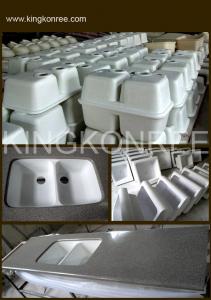
However, acrylic isn’t without its drawbacks. While durable, it is relatively softer than natural stone or quartz. This means it can be more susceptible to scratches from sharp knives or abrasive cleaning tools. While minor scratches can often be buffed out or repaired, it’s a consideration for those who are less meticulous with their kitchen tools. It can also be vulnerable to high heat. Placing hot pots or pans directly on an acrylic surface can lead to scorching or discoloration. Therefore, the use of trivets and cutting boards is highly recommended. The cost of acrylic can also be a factor. While it generally falls within a mid-range price point, some premium colors or complex custom designs can push the budget higher, especially when factoring in professional installation. Finally, while repairable, the process of repairing deeper scratches or chips often requires professional intervention, which adds to the overall cost of ownership.
Now, let’s turn our attention to solid surface. The term “solid surface” is often used as a generic category, but it’s important to distinguish between different types. The most common type of solid surface, and what many people are referring to when they say “Corian,” is indeed an acrylic-based solid surface, very similar in composition to what we just discussed. However, the broader category of solid surface materials can also include polyester-based options, or even blends of acrylic and polyester. For the sake of clarity in this comparison, when we refer to “solid surface,” we’re primarily discussing the acrylic-based composite materials that share many characteristics with pure acrylic.

The advantages of solid surface are largely a mirror of those of pure acrylic, given their shared foundational components. Like acrylic, solid surface is non-porous, offering excellent resistance to stains and a hygienic surface that is easy to clean. This makes it a popular choice for kitchens, bathrooms, and commercial applications where cleanliness and low maintenance are paramount. The seamless integration of seams is another significant benefit. Joints can be rendered almost invisible, allowing for expansive countertops and integrated sinks that create a sleek, cohesive look. The ability to thermoform solid surface into various shapes adds to its design flexibility, enabling curved edges, custom backsplashes, and unique sink designs. The vast palette of colors and patterns available ensures that solid surface can complement virtually any décor style. From the classic elegance of marble-look patterns to the contemporary appeal of solid colors, the aesthetic options are extensive.
The repairability of solid surface is a key selling point. Minor scratches, burns, and even chips can often be repaired on-site by a qualified technician, restoring the countertop to its original condition without the need for replacement. This longevity and ease of repair can make it a cost-effective choice in the long run. Furthermore, solid surface is generally considered to be more impact-resistant than some other countertop materials, meaning it’s less likely to chip or crack under normal use.
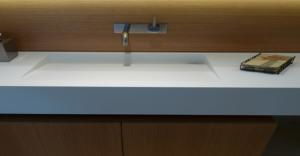
However, much like pure acrylic, solid surface also has its limitations. Its relative softness means it can still be susceptible to scratching, especially from sharp objects or abrasive cleaners. While repairs are possible, regular maintenance to prevent damage is still advisable. High heat is another concern. Direct contact with hot cookware can cause damage, so the use of trivets is essential. The cost of solid surface can vary depending on the brand, color, and complexity of the installation. While it often falls within a mid-range price bracket, some specialized designs or premium colors can be more expensive. It’s also worth noting that while it mimics the look of natural stone in some patterns, it doesn’t possess the unique, natural variations that some homeowners desire.
In essence, the lines between “acrylic” and “solid surface” can blur significantly because many solid surface products are acrylic-based. When people refer to “acrylic countertops,” they are often referring to this category of composite materials. The key takeaway is that both offer a compelling blend of aesthetics, hygiene, and design flexibility. The choice often comes down to specific performance characteristics, the desired visual outcome, and the budget at hand.
Continuing our exploration of acrylic and solid surface materials, we delve deeper into the practical considerations that will ultimately guide your selection. Beyond their inherent composition and initial appeal, it’s the day-to-day performance, longevity, and overall value that truly define their suitability for your specific environment. While the core similarities are strong due to their shared acrylic base, subtle differences in manufacturing processes and proprietary formulations can lead to variations in durability, resistance, and even the final aesthetic.
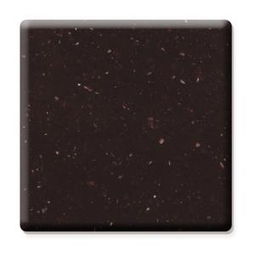
One area where a slight distinction can sometimes emerge is in the sheer depth of color and pattern consistency. Because both materials are manufactured, they offer a level of predictability that natural stone cannot. However, some manufacturers of pure acrylic may offer a wider spectrum of exceptionally vibrant or deeply saturated colors that might be harder to achieve with certain polyester-based solid surfaces. Conversely, the intricate veining and subtle mottling that mimic natural stone might be executed with greater fidelity by certain solid surface brands that have honed their proprietary techniques over decades. This is where it becomes crucial to view physical samples in the lighting conditions of your space, as the visual nuances can be quite pronounced.
When it comes to the crucial aspect of repairability, both materials shine, but understanding the nuances is key. As mentioned, minor scratches, scuffs, and even some burns on both acrylic and solid surface can often be buffed out or professionally repaired. This is a significant advantage over materials like laminate, which are often irreparable once damaged. However, the extent to which this can be done effectively can depend on the depth of the damage and the specific formulation of the material. Deeper gouges or chips might be more challenging to blend seamlessly, and the repair process itself can sometimes leave a slight visual difference if not performed by a highly skilled technician. For integrated sinks, while seamless is the goal, the area around the drain or where water collects most intensely can be more prone to wear over time, and professional assessment is always recommended for more significant repairs.
The hygienic aspect of both materials cannot be overstated. Their non-porous nature makes them inherently resistant to staining and bacteria growth. This is a massive advantage in kitchens where raw meats are handled and in bathrooms where moisture can encourage mold and mildew. Cleaning is typically straightforward – a damp cloth with mild soap is usually sufficient. However, it’s important to reiterate the caution against harsh chemicals, abrasive scrubbers, or excessive heat. While they are designed for durability, pushing these materials beyond their intended use can lead to premature wear and tear. For example, using abrasive cleaners can dull the finish over time, making it appear less vibrant and more susceptible to showing minor imperfections.
The cost factor is often a deciding element, and here, the comparison between acrylic and solid surface is multifaceted. Generally, both fall into the mid-range price category for countertops, often more affordable than natural stone like granite or marble, but typically more expensive than laminate. However, the exact pricing can fluctuate considerably based on brand reputation, the complexity of the design, the thickness of the material, and the intricacy of the installation. Custom edge profiles, cutouts for sinks and cooktops, and the need for specialized fabrication techniques (like thermoforming) will all add to the final cost. It’s not uncommon for a premium acrylic color or a complex solid surface design to rival the cost of some entry-level granite options. Therefore, obtaining detailed quotes from fabricators based on your specific design plans is essential for an accurate comparison.
Installation is another critical consideration. Both acrylic and solid surface typically require professional installation to ensure proper support, accurate templating, and seamless seam creation. The adhesives used to join pieces are specialized and require precise application. Improper installation can lead to visible seams, uneven surfaces, or even structural issues down the line. When choosing a fabricator, it’s wise to inquire about their experience with the specific material you are considering, as well as to check for references and reviews. A well-executed installation is paramount to achieving the desired aesthetic and ensuring the long-term performance of your countertops.
When we look at the “picture comparison” aspect requested, it’s helpful to visualize the subtle differences. Imagine a photograph of a pristine white kitchen island. An acrylic version might showcase an almost luminous, pure white with a very smooth, uniform finish. A solid surface version, perhaps designed to mimic marble, might feature delicate grey veins that are precisely patterned, offering a sophisticated replication of natural stone. If you were to zoom in, the edges of an acrylic seam might appear so perfectly fused that they are virtually indistinguishable, creating a singular plane. In contrast, a solid surface might have a seam that is slightly more discernible upon very close inspection, though still remarkably well-integrated. The texture, too, can sometimes vary; some acrylics might feel slightly warmer or more “plastic-like” to the touch, while higher-end solid surfaces can achieve a density and feel that is remarkably stone-like.
Ultimately, the decision between acrylic and solid surface often boils down to a trade-off between specific performance attributes and aesthetic preferences. If extreme, vibrant color saturation and truly limitless custom shapes (perhaps for avant-garde commercial designs) are your primary drivers, pure acrylic might have a slight edge. If you’re seeking a material that offers a fantastic balance of durability, ease of maintenance, and a convincing mimicry of natural stone aesthetics, then a high-quality solid surface product, often acrylic-based itself, would be an excellent choice.
In conclusion, while the terms “acrylic” and “solid surface” can sometimes be used interchangeably, understanding their underlying composition and the nuances of their manufacturing is key. Both materials offer a modern, versatile, and hygienic solution for countertops, with significant advantages in terms of seamless integration, repairability, and a wide range of design options. By carefully considering your priorities – be it the exact shade of color, the level of scratch resistance, the ability to form intricate shapes, or the final budget – you can confidently select the material that will not only meet your functional needs but also enhance the beauty and value of your space for years to come. It’s less about one being definitively “better” and more about finding the perfect fit for your unique vision.









