
The quest for the perfect surface – the one that balances aesthetics, durability, and budget – is a journey many homeowners and designers embark on. In the realm of modern interior design, two materials frequently vie for the spotlight: acrylic and solid surface. Both offer a sleek, contemporary look and a host of functional benefits, yet they possess distinct personalities that can dramatically influence the feel and longevity of your space. Think of them as the sophisticated siblings in the material family, each with their own set of talents and quirks. Choosing between them isn’t just about selecting a countertop; it’s about curating an experience, a functional work of art that will serve as the backdrop to your daily life.

Let’s begin by dissecting the allure of acrylic. Often hailed for its luminous quality and seamless possibilities, acrylic solid surface (sometimes confusingly also referred to as “solid surface” in broader terms) is a thermoset polymer matrix, typically composed of acrylic polymers and alumina trihydrate (ATH). This composition gives it a unique set of properties that can be truly transformative. One of acrylic’s most celebrated advantages is its non-porous nature. This is a game-changer, particularly in high-traffic areas like kitchens and bathrooms. Spills, be it a rogue drop of red wine or a splash of soapy water, don’t penetrate the surface. Instead, they sit on top, making cleanup a breeze. This inherent resistance to staining is a significant boon for busy households, offering peace of mind and reducing the need for constant vigilance.
Furthermore, the non-porous quality translates directly into superior hygiene. Bacteria and mold find it incredibly difficult to take root on acrylic surfaces. This makes it an excellent choice for healthcare settings, food preparation areas, and anywhere cleanliness is paramount. The seamless integration is another star quality of acrylic. Because it can be thermoformed and joined with adhesives that create invisible seams, designers can craft flowing, organic shapes and expansive, unbroken surfaces. Imagine a kitchen island that appears to melt into the surrounding cabinetry, or a bathroom vanity that flows effortlessly into the wall. This ability to create a monolithic, cohesive look is a powerful design tool, contributing to a clean, minimalist aesthetic that is highly sought after.
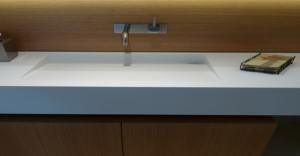
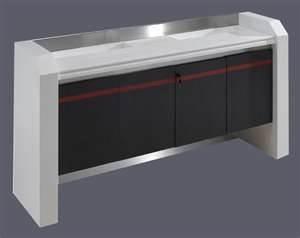
The aesthetic versatility of acrylic is also noteworthy. It comes in an astonishing array of colors, patterns, and finishes, from pure whites and deep blacks to vibrant hues and subtle, stone-like imitations. This broad palette allows for immense creative freedom, enabling designers to match virtually any existing décor or to create a bold, statement-making feature. The translucency of some acrylic formulations also opens up exciting possibilities for backlighting, creating a warm, inviting ambiance that adds a touch of magic to a space. Think of glowing reception desks or ethereal bar tops – the potential for dramatic effect is substantial.
However, like any material, acrylic isn’t without its potential drawbacks. While it’s generally durable, its relative softness compared to some other countertop materials means it can be more susceptible to scratching. This doesn’t mean it’s fragile, but rather that it requires a certain level of care. Dropping sharp objects or dragging heavy, rough-bottomed pots and pans across its surface can lead to visible marks. Thankfully, this is often a superficial issue. Many scratches on acrylic can be buffed out or repaired by a professional, restoring the surface to its former glory. This repairability is a significant advantage over materials that might require complete replacement after damage.
Another consideration is its resistance to heat. While acrylic can withstand moderate heat, prolonged exposure to very hot items directly from the oven or stovetop can cause discoloration or even warping. This means that using trivets or hot pads is essential when placing hot cookware on an acrylic surface. It’s a small habit that can go a long way in preserving the pristine appearance of your countertops. The cost can also be a factor. High-quality acrylic solid surface, especially for custom designs and installations, can represent a significant investment. While it offers long-term value through its durability and ease of maintenance, the initial outlay might be higher than some alternative materials.
Finally, environmental considerations are becoming increasingly important for many consumers. While manufacturers are continuously working on more sustainable production methods, the production of acrylic can involve petrochemicals. However, many acrylic solid surface products are certified for low VOC (Volatile Organic Compound) emissions, contributing to better indoor air quality, which is a crucial benefit for a healthy home environment. When considering acrylic, it’s vital to look at the specific product’s certifications and manufacturer’s sustainability practices. It’s a material that offers stunning visual appeal and practical advantages, particularly for those who prioritize hygiene, seamless design, and a vibrant aesthetic, provided one is mindful of its care requirements.
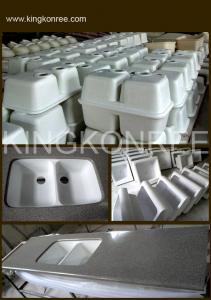
Now, let’s shift our gaze to the world of solid surface, a term that, as mentioned, can sometimes be used interchangeably with acrylic but often refers to a slightly different family of materials, or more specifically, to the broader category that acrylic solid surfaces fall into. For clarity in this discussion, when we refer to “solid surface,” we’re generally encompassing materials that are engineered stone or composite materials, but also specifically acknowledging the broader category that includes acrylic-based solid surfaces. However, to truly differentiate, let’s focus on materials that are not primarily acrylic-based but still fall under the “solid surface” umbrella, such as polyester-based or quartz-based composite materials, which offer a different, yet equally compelling, set of characteristics.
Solid surface materials, in this broader sense, are manufactured from a blend of natural minerals (like bauxite, a principal component of aluminum), resins (often acrylic or polyester), and pigments. This composition results in a material that is dense, durable, and non-porous, sharing that crucial hygienic advantage with acrylic. Like acrylic, solid surfaces are excellent at resisting stains and are easy to clean, making them a practical choice for busy kitchens and bathrooms. The non-porous nature means that spills are easily wiped away, and bacteria have little chance to proliferate. This is a significant benefit for maintaining a healthy living environment.
One of the standout advantages of many solid surface materials, particularly those with a quartz component, is their remarkable hardness and scratch resistance. While acrylic can scratch, many quartz-based solid surfaces are significantly more resilient to everyday wear and tear. This means you can place items on them with a bit more confidence, reducing the worry about accidental marks from keys, utensils, or even pets. This enhanced durability makes them an excellent option for high-traffic areas where longevity is a key consideration.
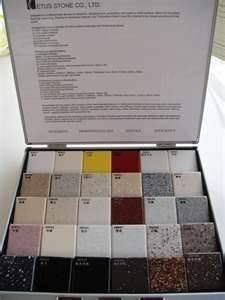
The aesthetic appeal of solid surfaces is also considerable. They are available in a vast spectrum of colors and patterns, mimicking the look of natural stone like granite and marble with remarkable accuracy, or offering entirely unique, contemporary designs. The ability to achieve a high-end stone look without the associated cost and maintenance of natural stone is a major draw for many. Furthermore, just like acrylic, many solid surface materials can be fabricated with seamless joints, allowing for the creation of smooth, continuous surfaces that are both visually appealing and highly functional. This seamlessness contributes to a modern and uncluttered aesthetic.
However, solid surfaces also present their own set of considerations. While generally more scratch-resistant than acrylic, some polyester-based solid surfaces can still be susceptible to deeper scratches or chips if subjected to significant impact. Again, the repairability of solid surfaces is a strong point. Minor scratches can often be buffed out, and more significant damage can sometimes be repaired by professionals, though the complexity and cost of repair might vary depending on the specific material and the extent of the damage.
Heat resistance is another area where differences can emerge. While many quartz-based solid surfaces boast excellent heat resistance, some other types of solid surfaces, especially those with a higher resin content, may be more vulnerable to thermal shock or scorching from prolonged exposure to very hot objects. As with acrylic, the use of trivets and hot pads is a prudent measure to protect the surface and ensure its longevity. It’s always wise to consult the manufacturer’s specific guidelines for heat tolerance.
The cost of solid surface materials can vary widely. High-end quartz composites, for instance, can be among the most expensive countertop options available, reflecting their superior durability and aesthetic qualities. More budget-friendly solid surface options exist, but it’s important to understand what trade-offs might be involved in terms of performance or appearance. Installation costs also play a role, and specialized fabrication may be required for seamless integration, adding to the overall investment.
Environmental impact is also a factor to consider. The manufacturing of solid surfaces, particularly those involving resins and the extraction of minerals, can have an environmental footprint. However, many manufacturers are increasingly focused on sustainable practices, using recycled content and low-VOC formulations. The durability of solid surfaces also contributes to sustainability by offering a long lifespan, reducing the need for frequent replacement.
When it comes to choosing between acrylic and the broader category of solid surfaces, it’s a delightful dance of priorities. If your heart sings for unparalleled seamlessness, unique translucent effects, and a surface that’s remarkably hygienic and easy to maintain for everyday spills, acrylic might be your muse. However, if your vision leans towards exceptional scratch and heat resistance, a luxurious stone-like appearance without the natural stone’s inherent maintenance, and a robust surface that can withstand a bit more daily grind, then a robust solid surface, particularly a quartz composite, could be your perfect match. Both materials offer a sophisticated canvas for your design dreams, and the ultimate choice hinges on what qualities you value most in the surfaces that shape your living and working spaces.









