
The modern home is a canvas, and the materials we choose are the vibrant pigments that bring our visions to life. In the realm of surfaces, particularly for kitchens and bathrooms, two contenders consistently vie for the spotlight: acrylic and solid surface. Both offer a sleek, contemporary aesthetic that appeals to the design-conscious homeowner, but beneath their polished exteriors lie distinct personalities and performance characteristics. Understanding these nuances is key to selecting the material that will not only elevate your space but also seamlessly integrate into your lifestyle.

Acrylic, often referred to by brand names like Corian (though Corian is technically a brand of solid surface, the terms are sometimes used interchangeably in common parlance, which can add to the confusion), is a man-made material prized for its non-porous nature and remarkable versatility. Its composition, typically a blend of acrylic polymers and alumina trihydrate (ATH), allows for a wide spectrum of colors and patterns, from pristine whites and deep, moody hues to intricate veining that mimics natural stone. What truly sets acrylic apart is its thermoformability. This means it can be heated and shaped into virtually any form imaginable, opening up a world of creative possibilities for designers and homeowners alike. Think seamless, flowing countertops that curve into backsplashes, integrated sinks that eliminate those dreaded grout lines, and even avant-garde furniture pieces.
The non-porous quality of acrylic is a significant advantage, particularly in high-moisture environments like kitchens and bathrooms. It means that spills, bacteria, and stains have nowhere to penetrate, making it exceptionally hygienic and easy to clean. A simple wipe-down with soap and water is usually all that’s needed to maintain its pristine appearance. This inherent resistance to staining is a boon for busy households, where wine spills, coffee mishaps, and oily splatters are an everyday reality. Furthermore, acrylic is relatively lightweight compared to stone, which can simplify installation and potentially reduce structural requirements.
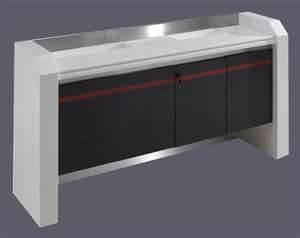
However, acrylic is not without its vulnerabilities. While it is durable, it is also softer than many natural stones and even some solid surfaces. This means it can be more susceptible to scratches and chips from sharp objects or abrasive cleaning tools. The good news, though, is that minor scratches can often be buffed out, and deeper damage can be repaired by a professional, often restoring the surface to its original glory. This repairability is a crucial aspect of its long-term appeal. The seamless nature of acrylic installations also means that repairs can be virtually invisible, a stark contrast to the often-noticeable seams in other materials.
The aesthetic appeal of acrylic is undeniable. Its smooth, matte finish offers a contemporary elegance that can ground a space or add a touch of sophisticated minimalism. It absorbs light beautifully, creating a soft, inviting glow rather than the sometimes-glaring reflectivity of polished stone. For those seeking a truly bespoke look, the thermoforming capabilities of acrylic allow for unparalleled customization. Architects and designers can push the boundaries of form and function, creating truly unique statements that reflect individual style. Integrated features like drainage channels or custom-molded soap dishes become not just functional elements but integral parts of the overall design narrative.
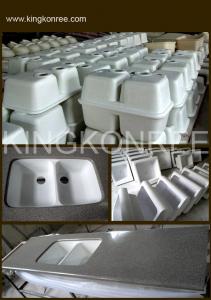
When considering acrylic, it’s also worth noting its resistance to UV rays. This makes it a suitable option for areas that receive direct sunlight, as it is less prone to fading or discoloration over time. This is a distinct advantage over some other synthetic materials that might yellow or degrade when exposed to sunlight. The perceived warmth of acrylic, compared to the often-chilling touch of natural stone, adds another layer of tactile comfort to its appeal, making kitchen prep or morning routines a more pleasant experience.
The environmental considerations of acrylic also warrant attention. While it is a synthetic material, many manufacturers are increasingly focusing on sustainable production methods and the use of recycled content. The longevity and repairability of acrylic also contribute to its eco-friendliness, as it reduces the need for premature replacement. When it eventually reaches the end of its life cycle, some acrylic products can be recycled, further contributing to a circular economy.
Ultimately, acrylic presents a compelling proposition for those who value design flexibility, hygiene, and a contemporary aesthetic. Its ability to be molded into unique shapes, its seamless integration, and its ease of maintenance make it a practical yet artistically expressive choice for the modern home. It’s a material that doesn’t just serve a function; it actively contributes to the narrative and atmosphere of the space it inhabits.
Now, let’s turn our attention to solid surface, a material that shares many of acrylic’s desirable traits while possessing its own distinct strengths. Solid surface is a composite material, typically made from a blend of acrylic polymers and natural minerals, often derived from bauxite ore (alumina trihydrate). This composition results in a dense, homogeneous material that is both durable and aesthetically pleasing. Like acrylic, solid surface is non-porous, making it highly resistant to stains, bacteria, and moisture. This inherent hygiene is a cornerstone of its appeal, especially in busy domestic environments.
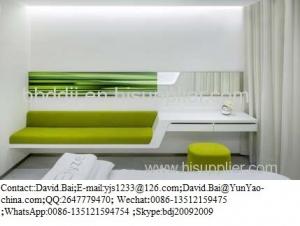
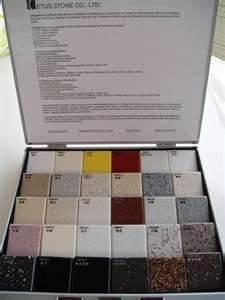
The visual characteristics of solid surface are diverse. It can be manufactured to mimic the appearance of natural stone, wood, or even metal, offering a vast palette of colors, patterns, and textures. From the dramatic swirls of granite-inspired designs to the subtle speckles of quartz, solid surface can achieve a remarkably realistic look. This ability to replicate the aesthetic of more expensive or difficult-to-maintain materials makes it a popular choice for homeowners seeking high-end looks without the associated costs or upkeep. The consistency of color and pattern throughout the material is a key advantage, ensuring that any nicks or scratches that may occur will not reveal a different color underneath, as can sometimes happen with laminated surfaces.
One of the defining features of solid surface is its seamless integration capabilities. While not as infinitely moldable as acrylic, solid surface slabs can be cut and joined together using specialized adhesives that create invisible seams. This results in a continuous, smooth surface that is both visually appealing and incredibly hygienic. Integrated sinks are also a hallmark of solid surface installations, providing a fluid transition from countertop to basin that eliminates dirt traps and simplifies cleaning. This seamlessness contributes to a clean, uncluttered aesthetic that is highly sought after in contemporary interiors.
Durability is another strong suit of solid surface. It is generally harder and more scratch-resistant than acrylic, though it is still susceptible to damage from sharp knives or abrasive cleaners. However, like acrylic, minor scratches and scuffs can typically be repaired through sanding and polishing, often restoring the surface to its original condition. This repairability is a significant factor in the longevity and overall value of solid surface as a countertop material. The density of the material also contributes to its impact resistance, making it capable of withstanding the rigors of daily kitchen use.
The thermal properties of solid surface are also worth noting. While it is not as sensitive to heat as some other synthetic materials, it is still advisable to use trivets or hot pads to protect the surface from prolonged exposure to high temperatures. Extreme heat can cause discoloration or even cracking. Similarly, while resistant to stains, it is wise to wipe up spills promptly, especially those involving strong chemicals or dyes, to ensure the surface remains immaculate.
When it comes to maintenance, solid surface is wonderfully low-effort. Its non-porous nature means that everyday spills like coffee, wine, or cooking oil can be easily wiped away with a damp cloth and mild detergent. The absence of grout lines, especially with integrated sinks, means no scrubbing in tight crevices. This ease of care is a major selling point for busy individuals and families who want a beautiful kitchen or bathroom without the constant worry of maintenance.
The aesthetic range of solid surface is vast. Whether you envision a minimalist monochrome palette, a dramatic granite-inspired look, or a subtle marble effect, solid surface can deliver. The ability to achieve a cohesive design across different applications, such as countertops, backsplashes, and even shower walls, makes it a versatile choice for a complete interior design scheme. The matte finish is common, offering a sophisticated, understated elegance, but polished finishes are also available, providing a more reflective and dramatic effect.
From an environmental perspective, solid surface materials are often manufactured with sustainability in mind. Many producers incorporate recycled content into their products, and the durability and repairability of solid surface contribute to its long-term value, reducing the need for frequent replacements. The homogeneity of the material means that any offcuts can potentially be reused in smaller projects or for repairs, minimizing waste.
In essence, solid surface offers a compelling blend of sophisticated aesthetics, practical durability, and effortless maintenance. Its ability to mimic natural materials, its seamless installation, and its hygienic properties make it a strong contender for homeowners who desire a high-quality, low-maintenance surface that enhances both the beauty and functionality of their living spaces. It’s a material that provides peace of mind alongside its visual appeal.









