
The heart of any home often beats strongest in the kitchen and bathroom. These spaces, while functional, are also arenas for personal expression, and a significant part of that expression lies in the surfaces that define them. When it comes to countertops, two materials frequently surface in design discussions: acrylic and solid surface. While they share a certain superficial resemblance and are often grouped together under the umbrella of “composite” or “man-made” materials, they are, in fact, distinct entities with unique personalities, performance traits, and price tags. Understanding these differences is key to making an informed decision that aligns with both your aesthetic desires and practical needs.

Let’s begin with acrylic. Often referred to by brand names like Corian (though Corian is technically a type of solid surface, it’s sometimes used generically), acrylic countertops are a blend of acrylic polymers and alumina trihydrate (ATH), derived from bauxite ore. This composition results in a material that is non-porous, meaning it resists stains and doesn’t harbor bacteria. This is a significant advantage, particularly in kitchens where food preparation is a daily affair, and in bathrooms where hygiene is paramount. The non-porous nature also means that spills, whether it’s red wine, coffee, or ink, are unlikely to seep into the material, making cleanup a breeze. A simple wipe with a damp cloth is often all that’s needed to restore its pristine appearance.
Visually, acrylic offers a remarkable degree of design flexibility. It can be molded into seamless curves, integrated sinks, and intricate shapes, allowing for truly bespoke designs that push the boundaries of traditional countertop aesthetics. The color palette for acrylic is extensive, ranging from vibrant, bold hues to subtle, natural tones, and it can even be fabricated to mimic the appearance of stone, though it typically lacks the depth and variation of natural granite or quartz. One of its most celebrated features is its ability to be thermoformed. This means that with the application of heat, acrylic can be bent and shaped, opening up a world of possibilities for designers and homeowners looking for something truly unique. Imagine a waterfall edge that cascades seamlessly down the side of your island, or a curved backsplash that flows directly from the countertop – these are the kinds of design statements that acrylic readily facilitates.
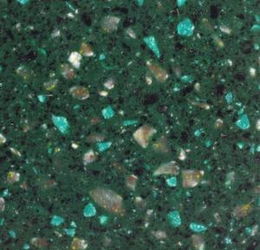
Another key characteristic of acrylic is its repairability. Minor scratches and chips can often be sanded out and buffed to blend seamlessly with the surrounding surface, a process that can sometimes be done by the homeowner with a bit of care, or by a professional with ease. This reparability contributes to its longevity and can be a significant factor for those concerned about maintaining the flawless appearance of their countertops over time. Furthermore, acrylic is lightweight compared to natural stone, which can simplify installation and potentially reduce structural requirements in some cases.
However, like any material, acrylic has its trade-offs. Its primary vulnerability lies in its susceptibility to heat. High temperatures can cause it to scorch or even melt, meaning that placing hot pots and pans directly on the surface is a definite no-no. Trivets and hot pads are not just recommended; they are essential accessories for anyone with an acrylic countertop. This heat sensitivity can also impact its suitability for certain high-activity kitchen areas where direct contact with heat might be more common.
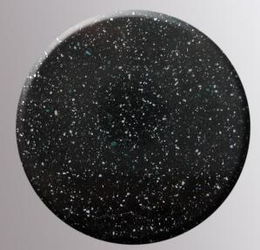
The cost of acrylic countertops can vary significantly depending on the brand, color, thickness, and complexity of the fabrication. Generally, it falls within a mid-range price point, often sitting between laminate and higher-end natural stones like granite or quartz. While it might be more expensive than laminate, its durability, non-porous nature, and design versatility can make it a compelling choice for many. For a standard installation, you might expect to pay anywhere from $50 to $100 per square foot, though custom designs and premium brands can push this figure higher. The seamless integration of sinks, for instance, adds to the cost but also enhances the overall aesthetic and functionality.
When considering acrylic, it’s also worth noting its slightly softer surface compared to materials like quartz or granite. This means that while it’s scratch-resistant, it’s not entirely scratch-proof. Care must be taken when cutting directly on the surface, and the use of cutting boards is highly advisable. Despite this, its ability to be repaired often mitigates concerns about minor abrasions, as they can usually be rectified.
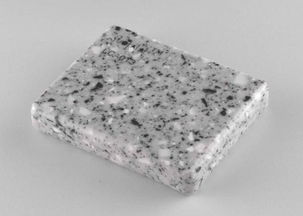
In summary, acrylic countertops offer a compelling blend of modern aesthetics, hygienic properties, and design freedom. Their non-porous nature makes them a standout choice for cleanability, and their moldability allows for truly custom creations. While heat and scratching require mindful usage, the benefits of seamless integration, repairability, and a vast color selection make acrylic a strong contender in the countertop market. It’s a material that speaks to a desire for both clean lines and personalized design, offering a durable and attractive surface for the everyday rituals of home life.
Transitioning from acrylic, we now turn our attention to solid surface countertops. This is where the nomenclature can get a little tricky, as “solid surface” is a broad category, and acrylic is often considered a type of solid surface. However, when people distinguish between “acrylic” and “solid surface,” they are typically referring to materials that are primarily composed of mineral filler (like ATH) and acrylic or polyester resins. The key here is the resin binder, which can influence the material’s properties. The most well-known brand in this category is DuPont’s Corian, which, as mentioned, is a benchmark for solid surface materials.

Like acrylic, solid surface countertops are non-porous. This inherent characteristic is a major selling point, offering excellent resistance to stains, bacteria, and moisture. This makes them a highly practical choice for busy kitchens and bathrooms, where spills and splashes are part of daily life. The non-porous nature also means that they don’t require sealing, unlike natural stone, which simplifies maintenance and eliminates the recurring cost and effort associated with sealing granite or marble. Cleaning is generally straightforward; a mild detergent and a soft cloth are usually sufficient to keep the surface looking its best.
The aesthetic appeal of solid surface is also diverse. It’s available in a vast array of colors, patterns, and textures, from solid, uniform hues to veined and speckled designs that mimic the look of natural stone. While it can achieve a convincing stone-like appearance, it often lacks the three-dimensional depth and unique veining found in genuine granite or quartz. However, for those seeking a consistent and predictable look, solid surface is an excellent option. The ability to create seamless joints is another significant advantage. When installed by a professional, seams between slabs can be virtually invisible, creating a continuous, unbroken surface that enhances both the aesthetic and hygiene of the countertop. This seamlessness extends to integrated sinks, which can be fabricated from the same material, creating a fluid transition from countertop to sink basin.
Repairability is another strong suit of solid surface. Similar to acrylic, minor scratches, burns, and even deeper gouges can often be repaired through sanding and buffing. For more significant damage, a professional can often restore the surface to its original condition, making solid surface a durable and long-lasting option. This reparability is a key factor in its perceived value, as it allows homeowners to address issues that might otherwise necessitate costly replacements.
In terms of performance, solid surface countertops generally offer good durability. They are resistant to impact and less prone to chipping than some other materials. However, like acrylic, they are susceptible to heat damage. Direct contact with hot cookware can cause scorching, discoloration, or even melting. Therefore, the consistent use of trivets, pot holders, and cutting boards is absolutely critical to protect the surface. While some higher-end solid surface materials may have improved heat resistance, it’s always wise to err on the side of caution.
The price of solid surface countertops typically falls in a similar range to acrylic, generally between $50 and $100 per square foot, depending on the brand, color complexity, and fabrication details. More intricate designs, such as custom edge profiles, integrated sinks, and complex patterns, will naturally increase the overall cost. Compared to natural stone like granite or quartz, solid surface can be more affordable, especially when considering the cost of installation and the elimination of sealing. However, high-end granite or quartz slabs with unique features might rival or even exceed the price of premium solid surface options.
When comparing acrylic and solid surface, it’s helpful to consider the resin composition. Acrylic resins generally offer better UV resistance and are less prone to yellowing over time compared to polyester resins, which are sometimes used in solid surface formulations. However, modern manufacturing processes have improved the durability and longevity of both types. The term “solid surface” is often used more broadly to encompass a range of composite materials, and the specific properties can vary between manufacturers.
Ultimately, the choice between acrylic and solid surface often comes down to subtle preferences in aesthetics, the specific brand or manufacturer chosen, and the desired balance of properties. Both offer excellent hygienic qualities due to their non-porous nature and are repairable, making them practical choices for busy households. Their ability to be fabricated into seamless designs, including integrated sinks, is a significant advantage for those seeking a sleek, modern look.
If you’re drawn to a more homogeneous look and exceptional design flexibility, acrylic and solid surface countertops are certainly worth serious consideration. They provide a modern, clean, and customizable solution for kitchens and bathrooms. While they demand a degree of care regarding heat and sharp objects, their inherent durability, ease of maintenance, and repairability contribute to their enduring appeal. Weighing these factors against your personal style, budget, and lifestyle will help you determine which of these versatile materials will best grace your home.









